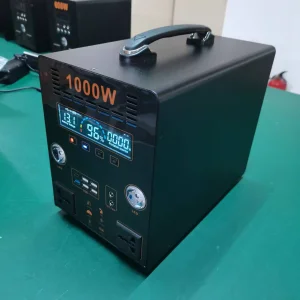
Moving beyond basic tracking, next-gen inverters utilize Artificial Intelligence to predict weather patterns and optimize Maximum Power Point Tracking (MPPT) in real-time, increasing energy harvest by up to 30% in shaded conditions.
The rise of Vehicle-to-Home (V2H) and Vehicle-to-Grid (V2G) capabilities turns the solar inverter into a central energy hub, allowing electric vehicles to act as mobile batteries for the entire facility.
Utilization of Silicon Carbide (SiC) and Gallium Nitride (GaN) semiconductors has drastically reduced heat dissipation and increased conversion efficiency to over 99%, leading to smaller, lighter, and more durable units.
As the world pivots toward net-zero emissions, the demand for solar inverters has shifted from simple "energy converters" to "intelligent energy managers." Global enterprises in Europe, North America, and Southeast Asia are no longer just looking for the lowest price per watt; they are seeking long-term supply chain resilience, grid-forming capabilities, and seamless integration with existing Battery Energy Storage Systems (BESS).
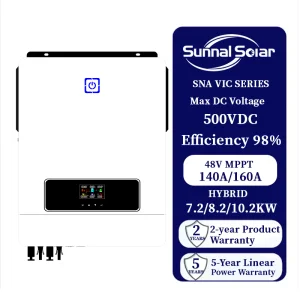
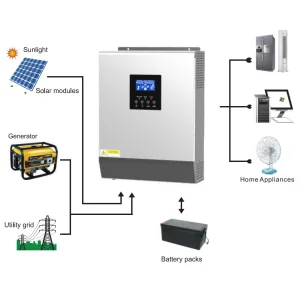
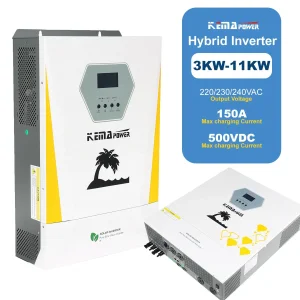
Current procurement trends indicate a 45% year-on-year increase in demand for hybrid inverters that support both on-grid and off-grid modes, particularly in regions with aging grid infrastructure or high electricity volatility.
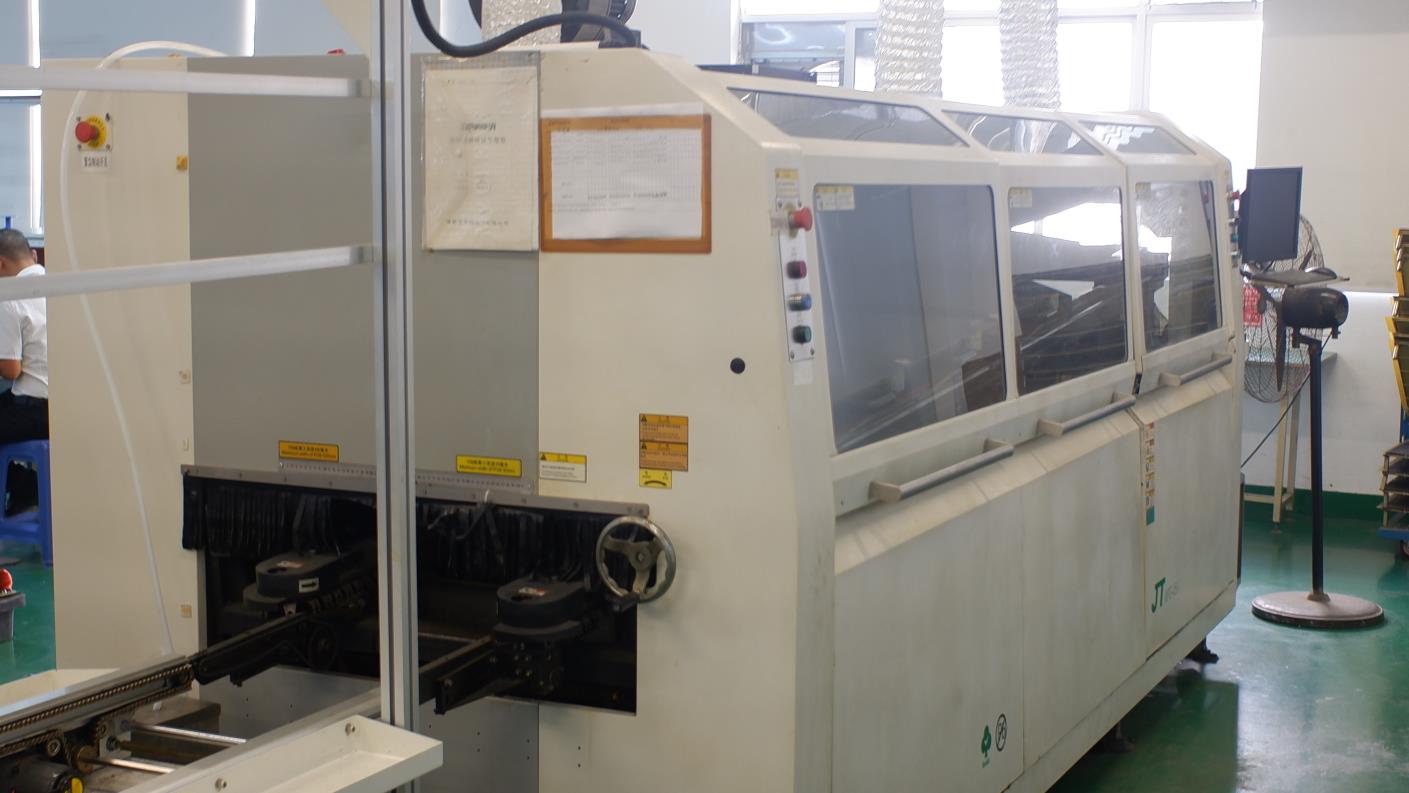
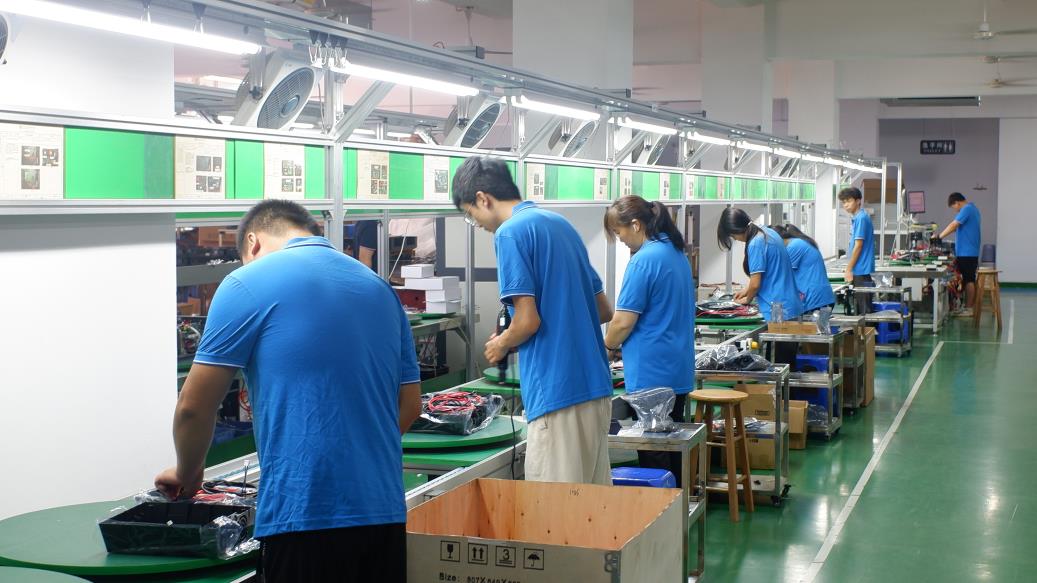
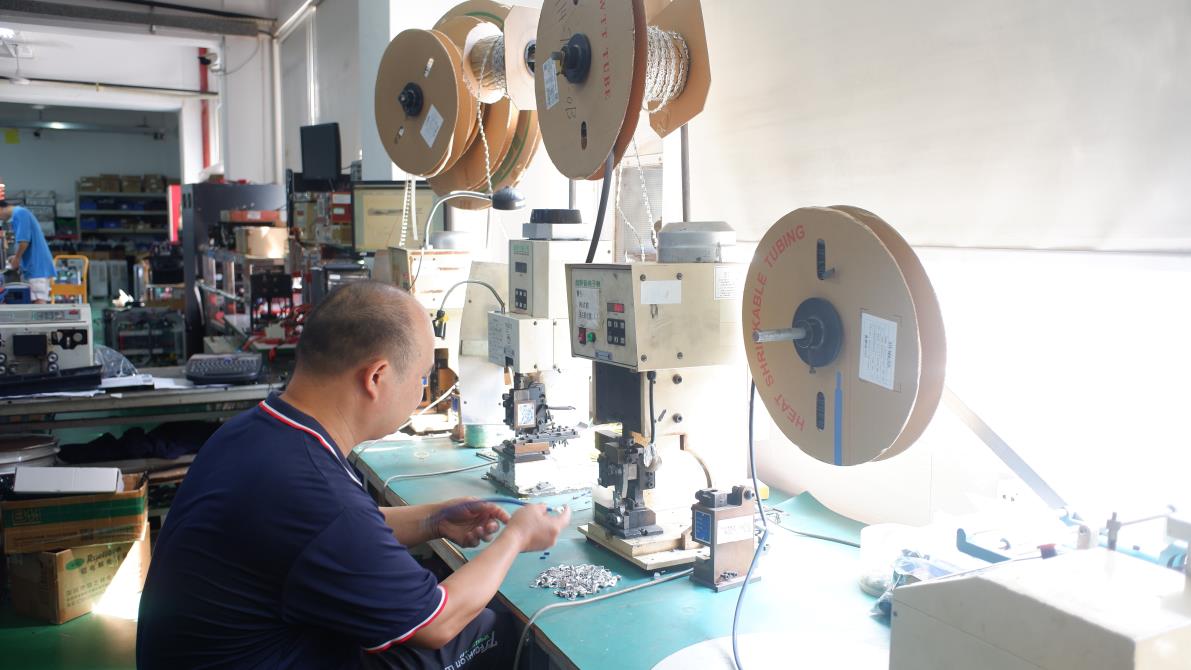
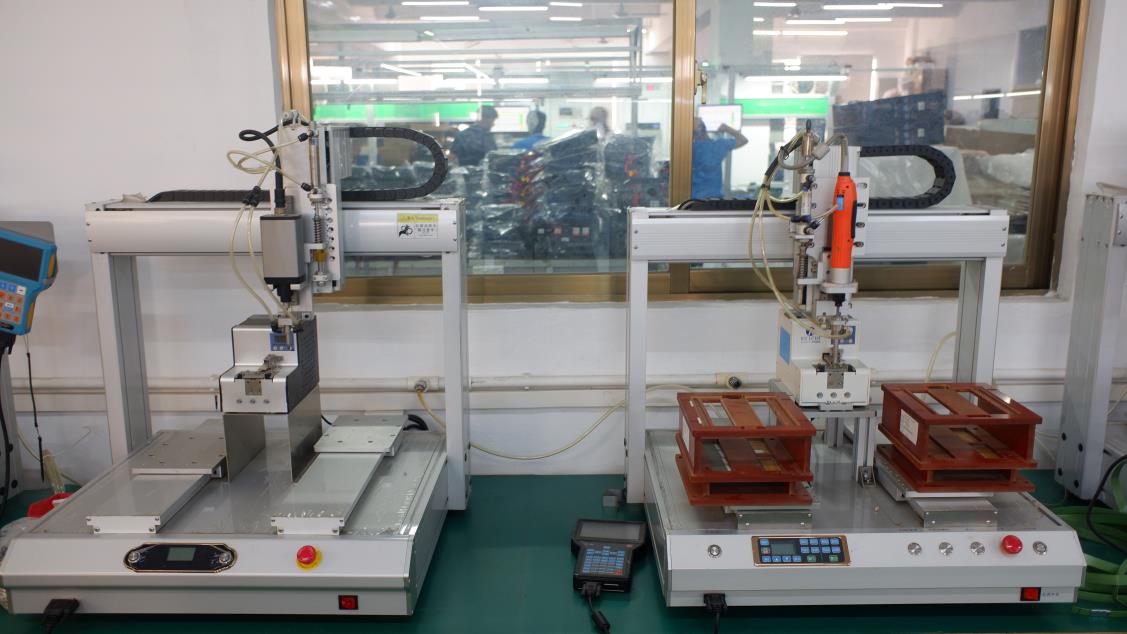
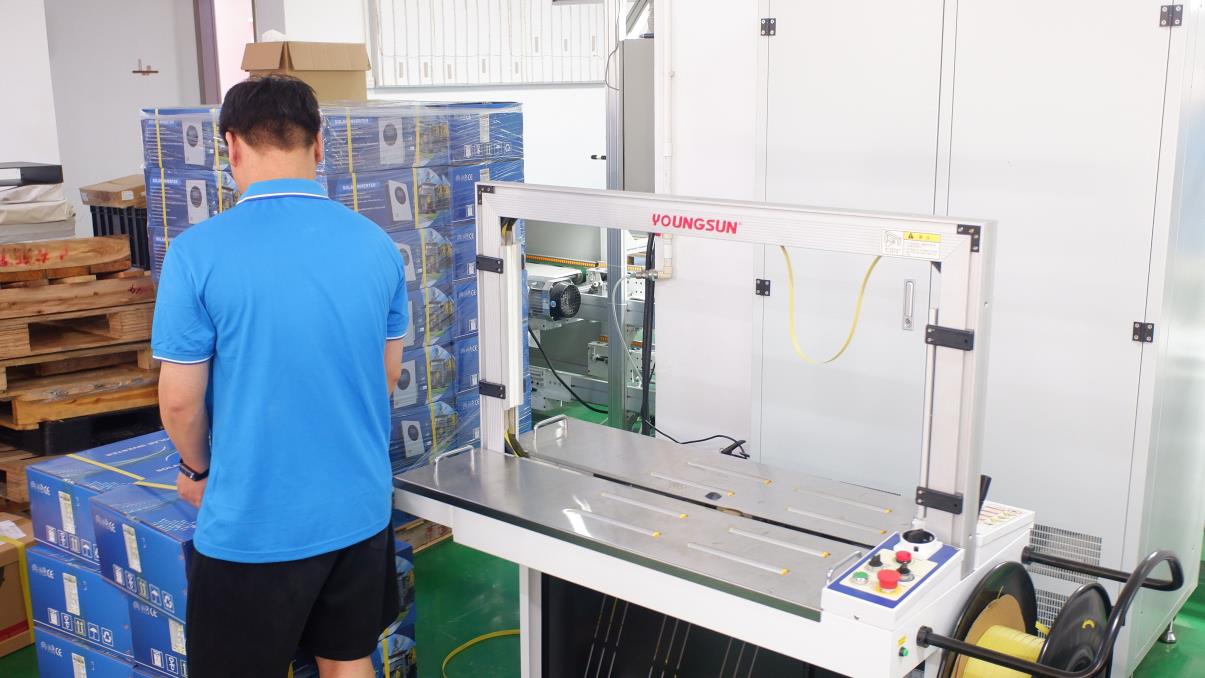
At Shenzhen Yde Power Co., Ltd., we bridge the gap between innovation and industrial-scale production. Our Jiangxi manufacturing base represents the pinnacle of Solar Inverter production technology.
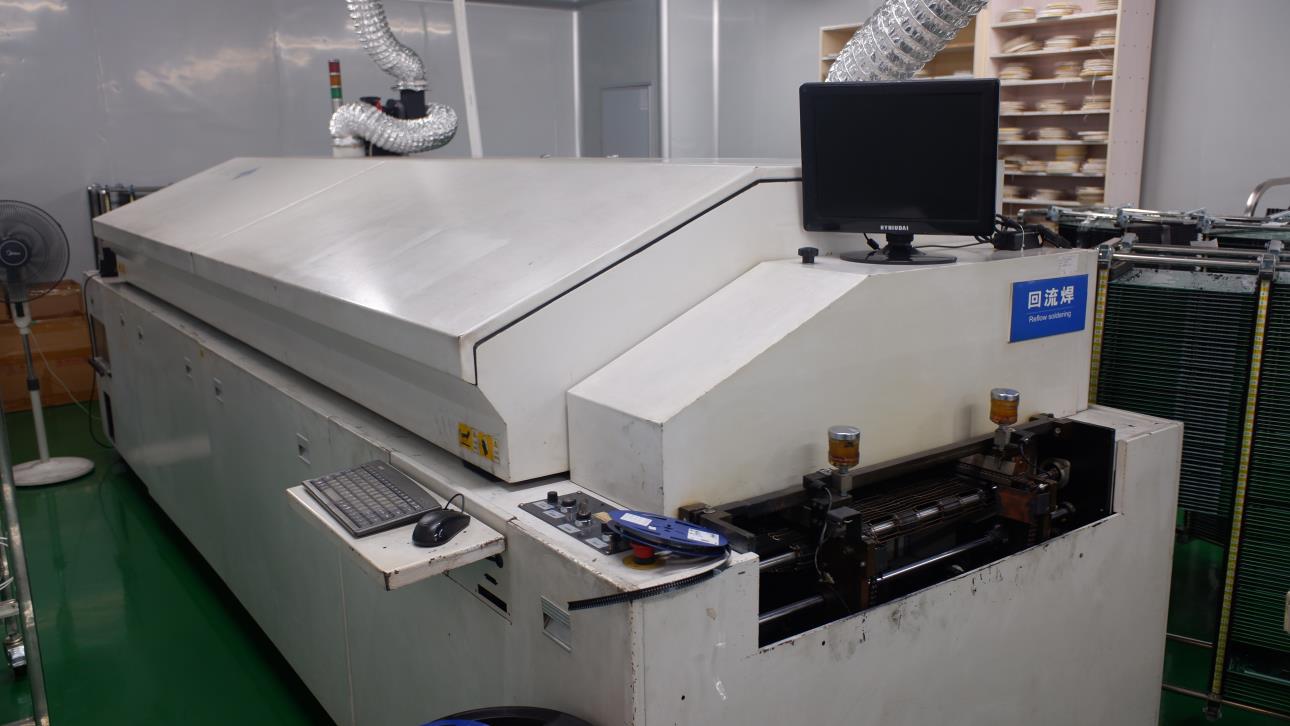
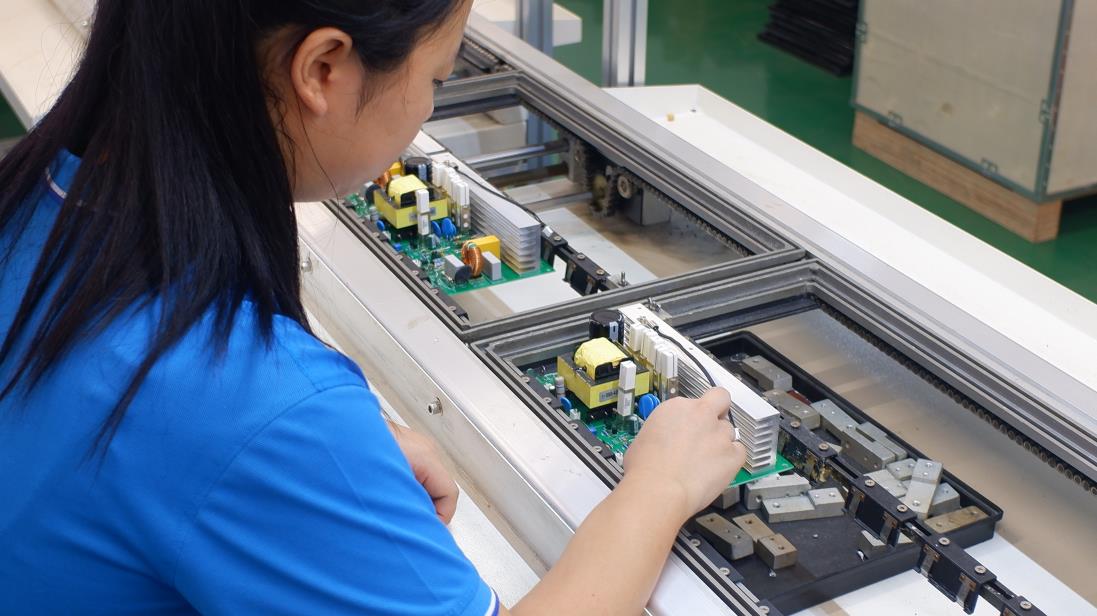
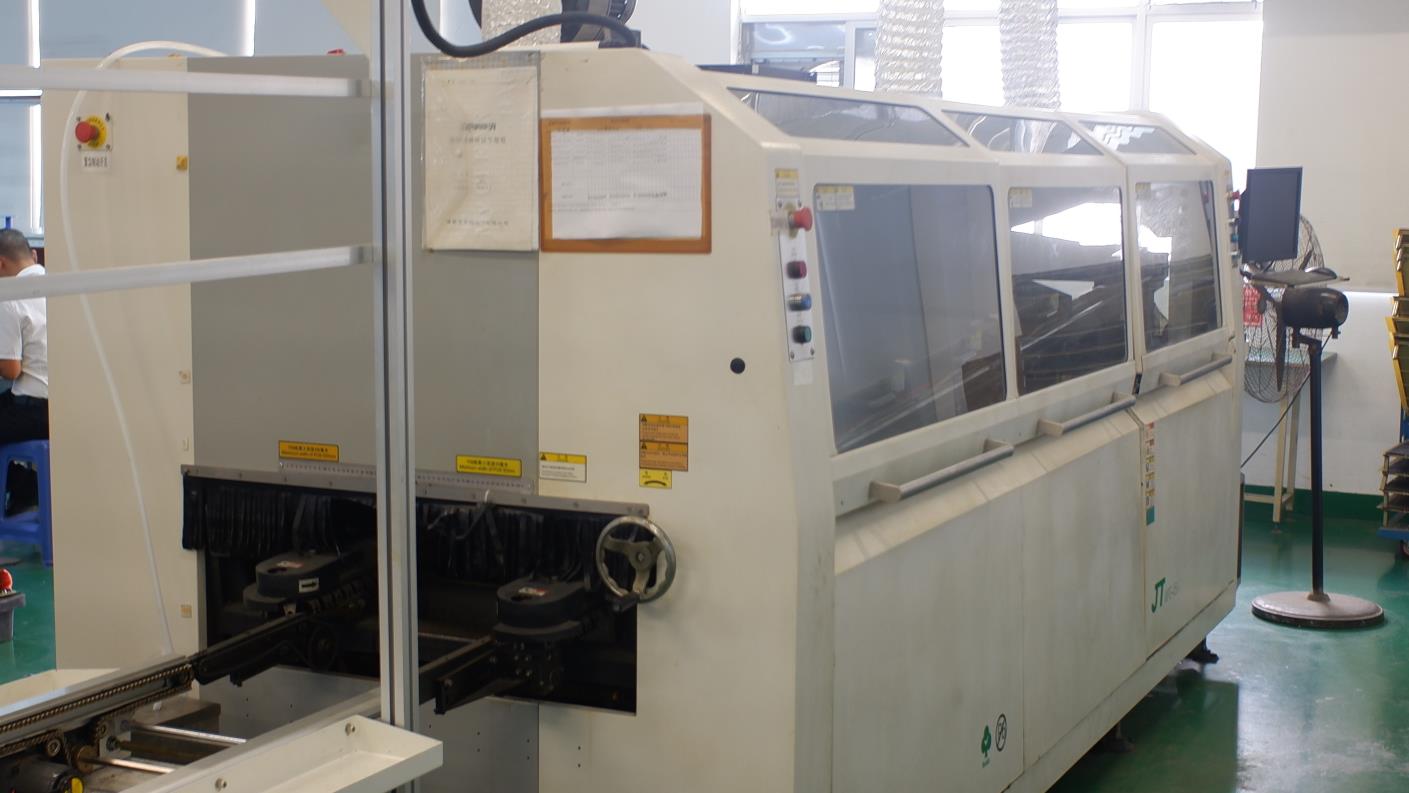
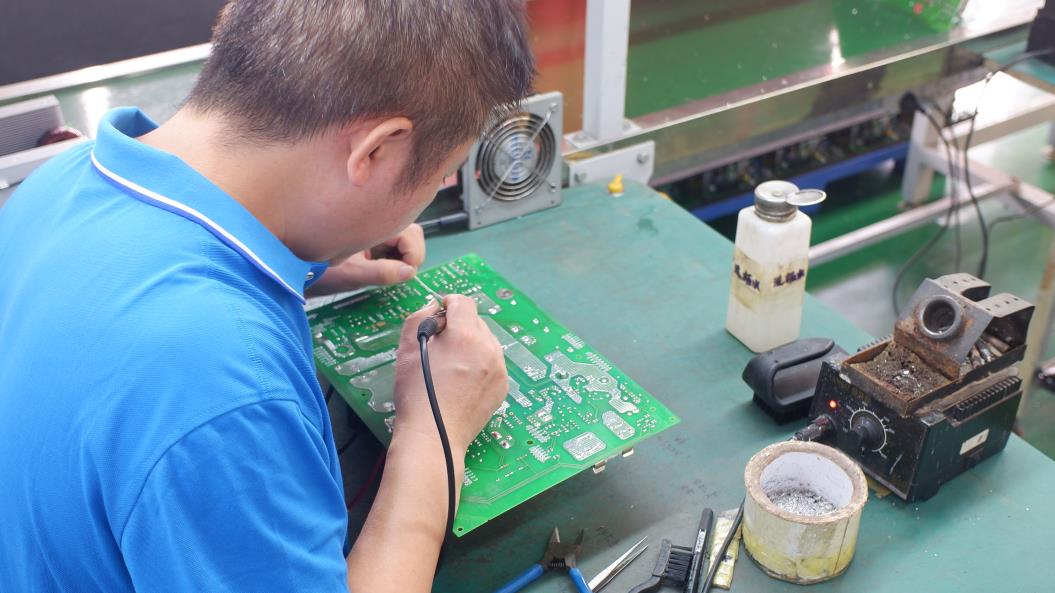
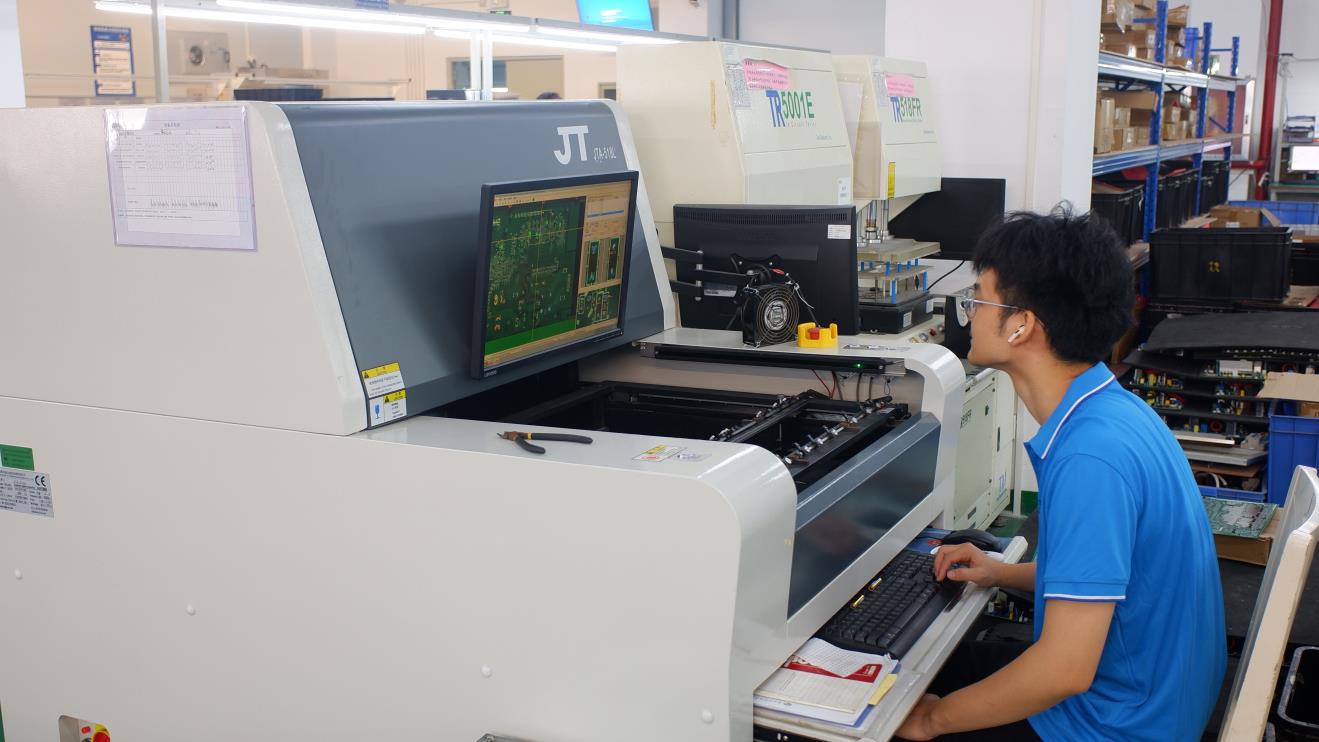
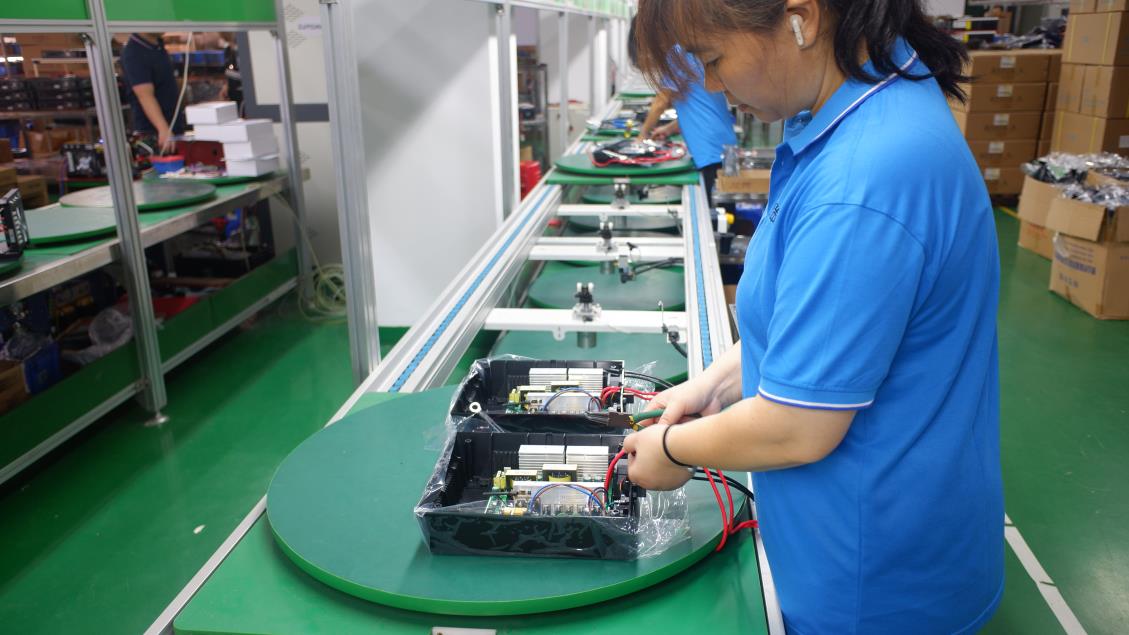
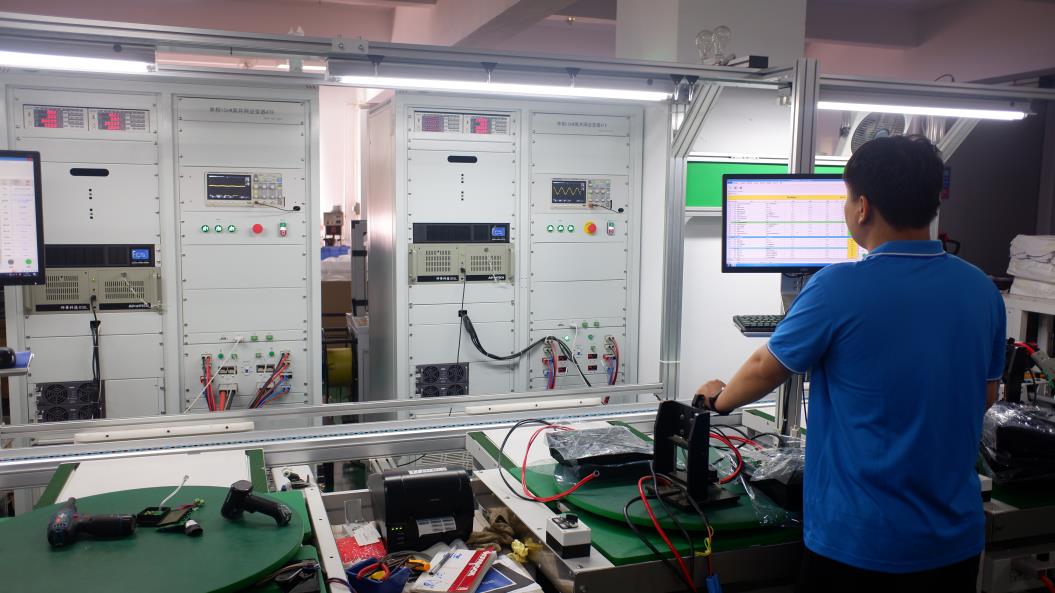
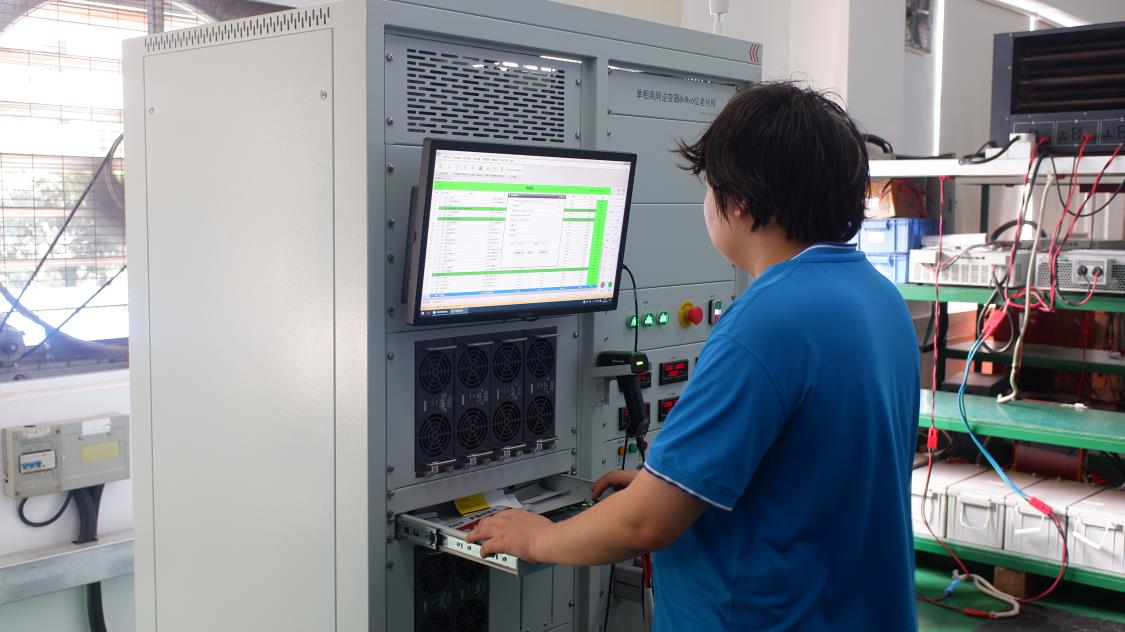
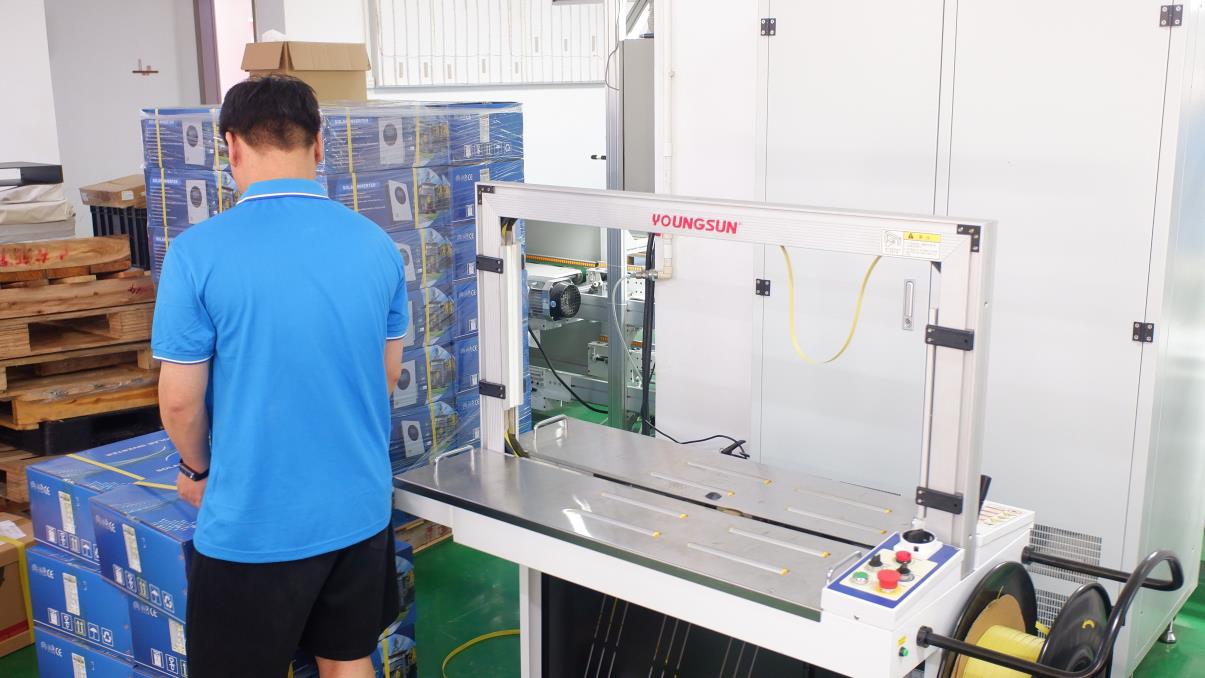
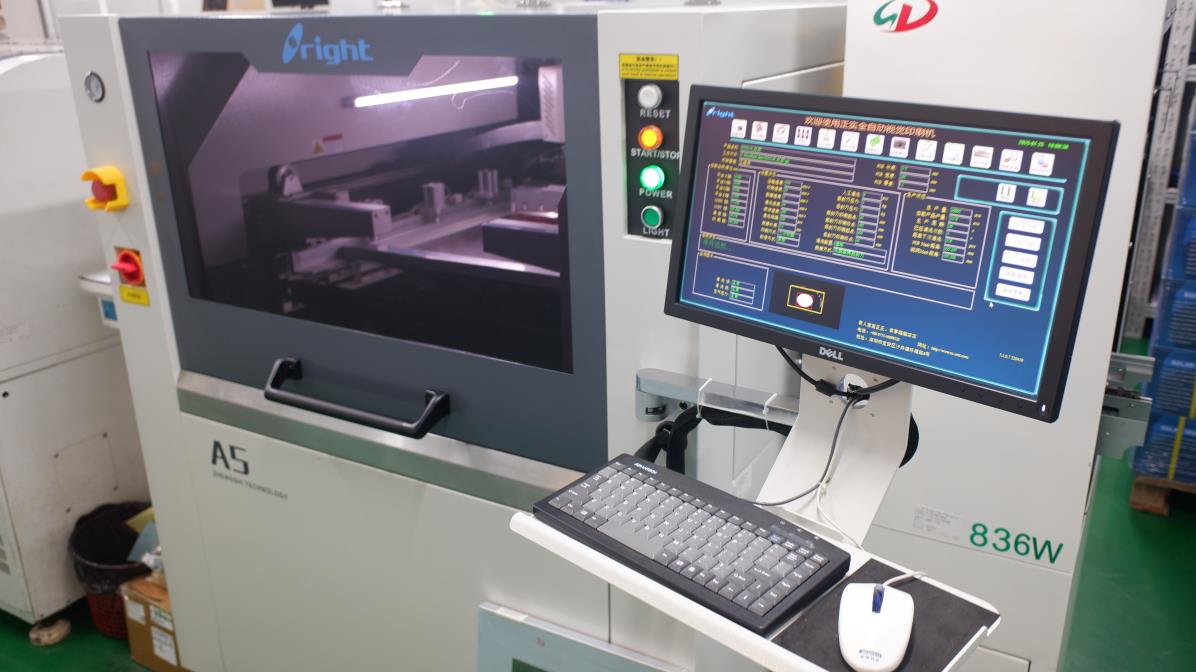
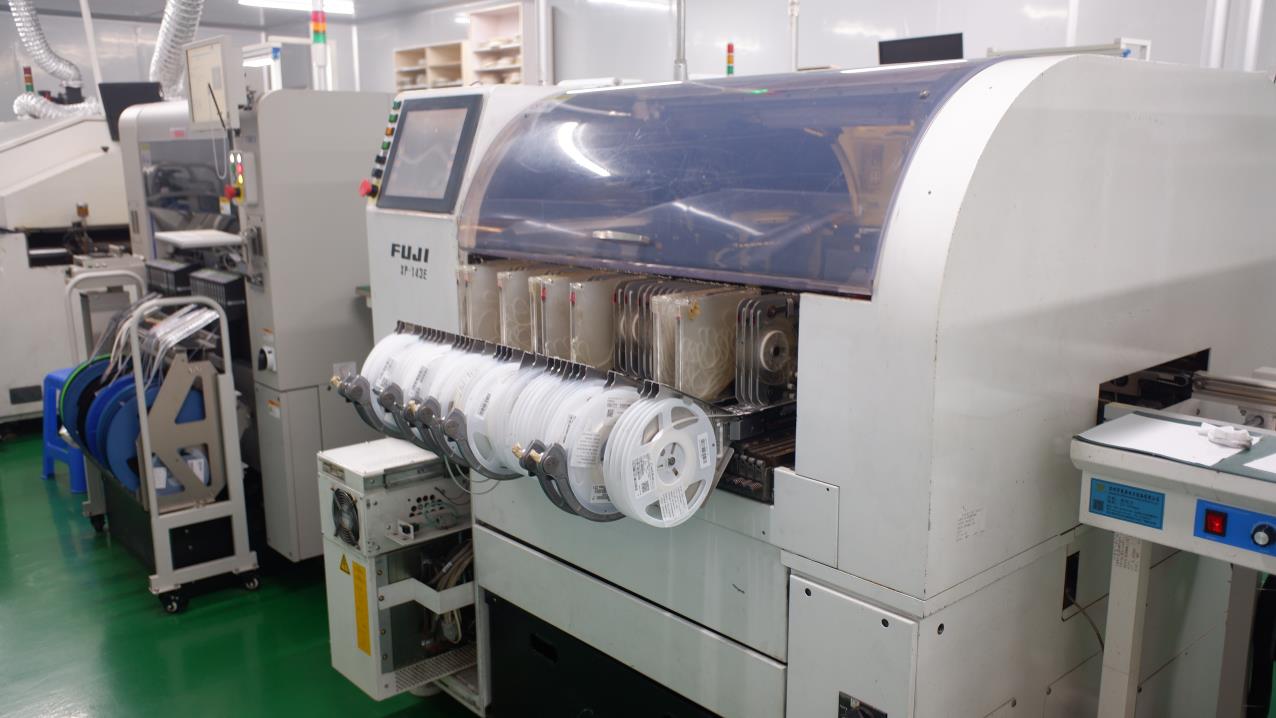
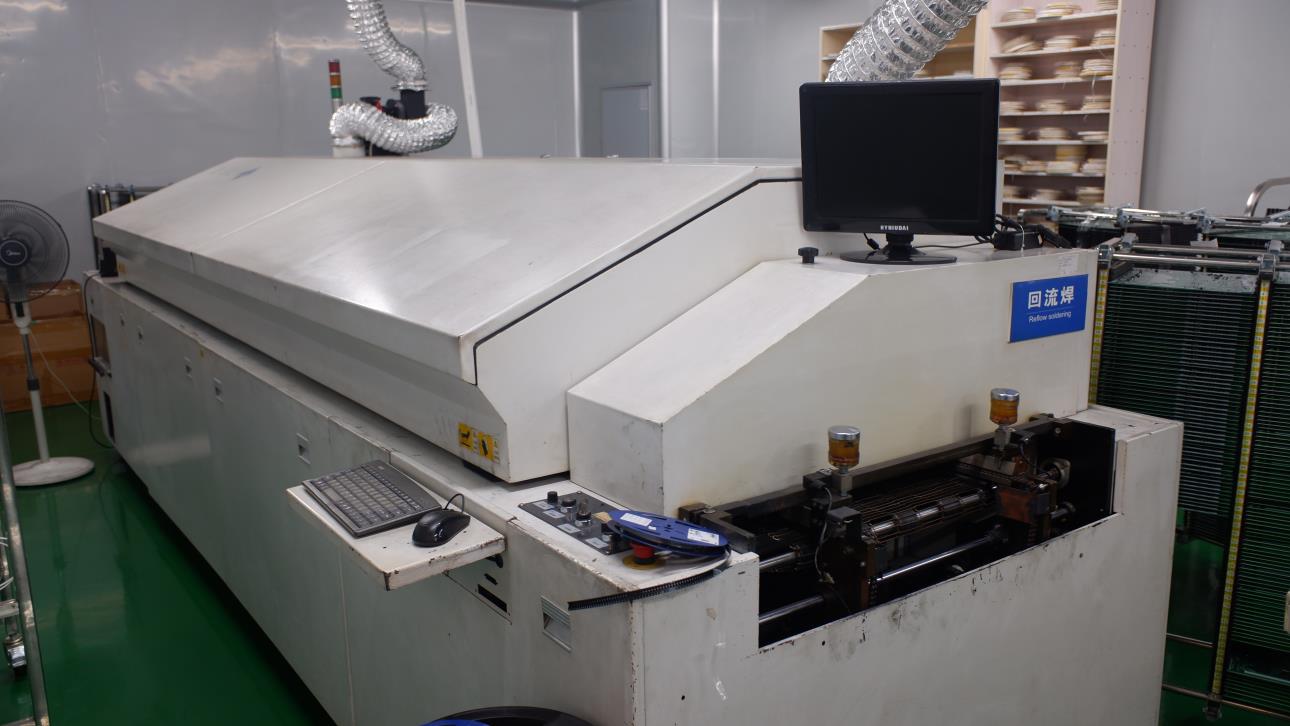
Shenzhen Yde Power Co., Ltd. is a professional manufacturer specializing in residential, commercial, and industrial energy storage systems (ESS). Headquartered in Shenzhen, China, the company integrates research and development, production, sales, and service to deliver comprehensive clean energy solutions to global markets.
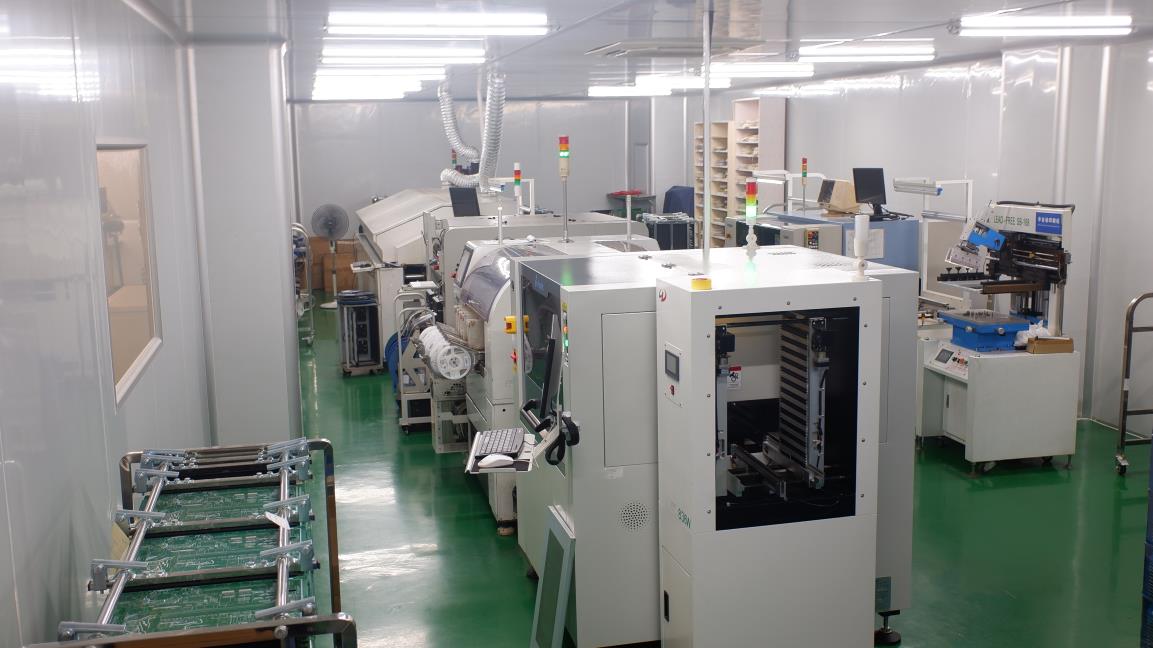
In addition to its headquarters in Shenzhen, Yde Power operates a modern ISO9001-certified manufacturing facility in Jiangxi Province, equipped with advanced automated production lines and stringent quality control systems. The company also maintains a dedicated R&D center in Shenzhen, focusing on continuous innovation in battery management systems (BMS), system integration, and intelligent energy optimization technologies.
Our commitment to excellence is reflected in our robust product portfolio, which includes residential battery storage systems, commercial and industrial energy storage cabinets, and scalable utility-grade ESS solutions. These are meticulously designed to support grid stability, renewable energy integration, and peak shaving applications, ensuring that our clients achieve maximum ROI on their green energy investments.
With the strategic expansion of our Jiangxi manufacturing base, we have significantly enhanced our production capacity and supply chain efficiency. This allows us to respond with agility to the diverse and evolving needs of global customers while upholding the highest international standards of reliability and performance.
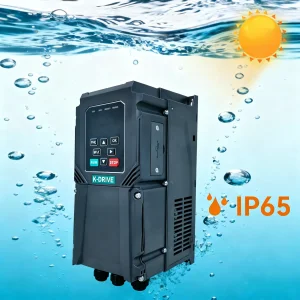
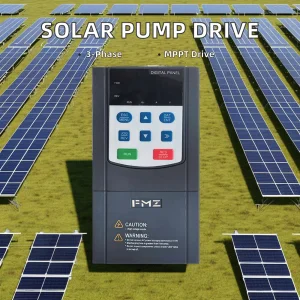
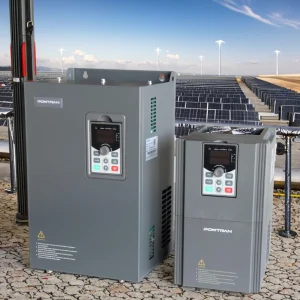
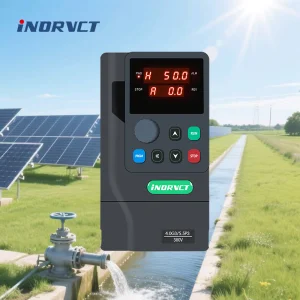
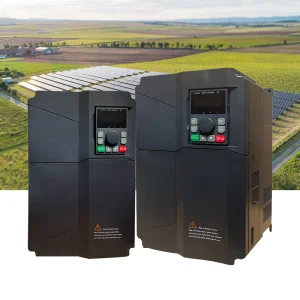
Our VFD (Variable Frequency Drive) inverters, such as the FMZ H880G, are optimized for farm environments, allowing direct DC input from solar panels to drive 3-phase water pumps, eliminating the need for expensive batteries or fuel generators.
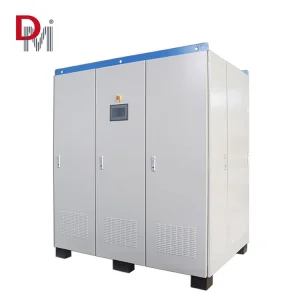
Commercial and Industrial buildings utilize our hybrid 3-phase inverters to store energy during low-tariff hours and discharge during peak demand, significantly reducing "Demand Charges" on utility bills.
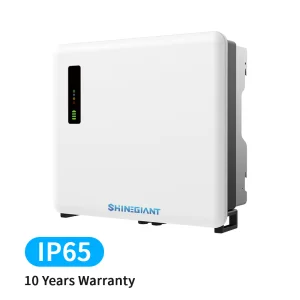
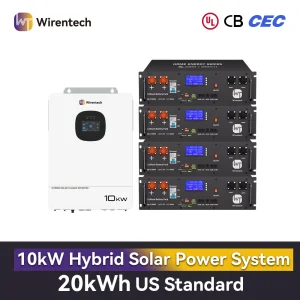
The USA Stock 10KW Hybrid Inverters provide seamless backup for North American homes. With UL1973 and UL9540A certifications, these systems offer peace of mind during grid outages with <10ms switching time.
The transition to renewable energy introduces "Intermittency Challenges." Solar power is only available during the day, yet peak consumption often occurs at night. Next-generation inverters solve this via Dynamic Load Balancing. By communicating directly with the BMS (Battery Management System), our inverters can prioritize loads, ensuring that critical medical or data infrastructure remains powered while non-essential loads are throttled.
Furthermore, "Grid-Forming" technology is becoming the new standard. Traditional "Grid-Following" inverters require an existing grid signal to operate. Our next-gen units can create an autonomous microgrid, providing stable frequency and voltage even in total isolation. This is a game-changer for remote mining operations, island resorts, and disaster relief zones where a traditional grid is unavailable or unreliable.
From a technical perspective, our shift toward High-Voltage (HV) Battery Systems (ranging from 100V to 800V DC) minimizes transmission losses and allows for faster charging/discharging cycles compared to traditional 12V/48V low-voltage systems. This architecture is essential for large-scale industrial applications requiring high power throughput.
 Yde Power