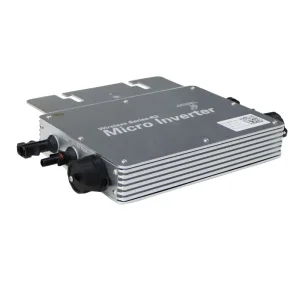
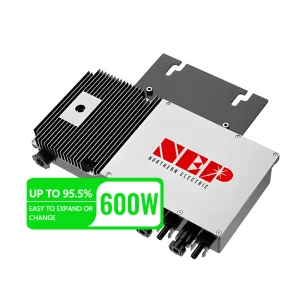
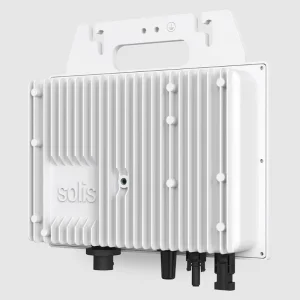
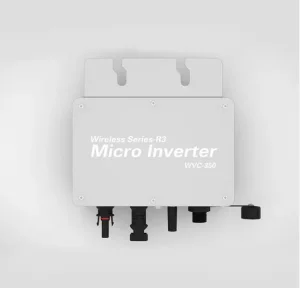
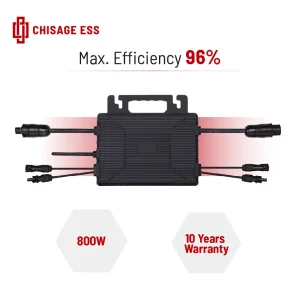
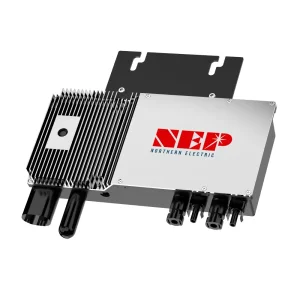
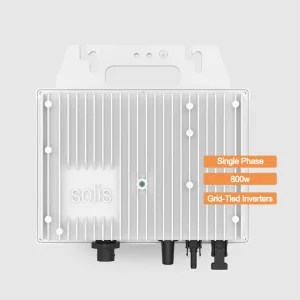
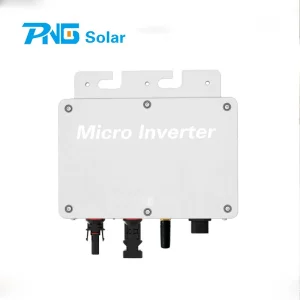
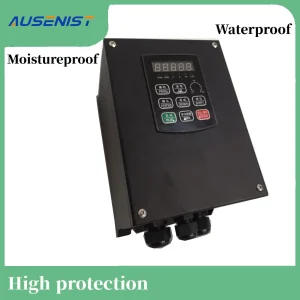
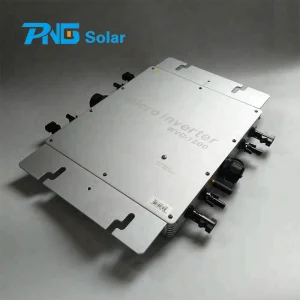
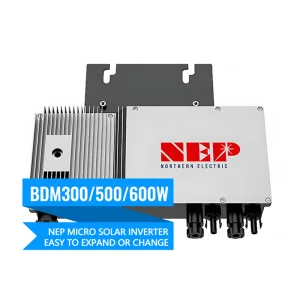
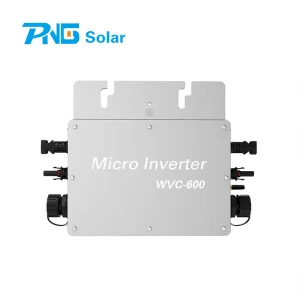
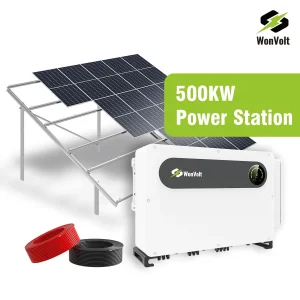
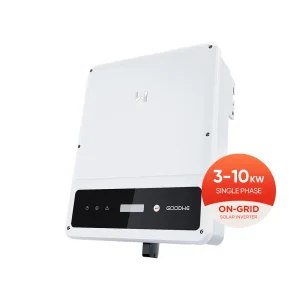
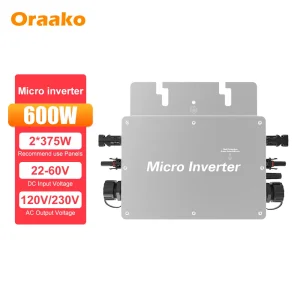
As the world pivots toward decentralized energy architectures, the Grid Tied Micro Inverter has emerged as the cornerstone of Module-Level Power Electronics (MLPE). Unlike traditional string inverters, micro inverters convert DC to AC at each individual solar panel, ensuring maximum energy harvest and unparalleled system safety. For global distributors and installers, understanding the nuances of manufacturing excellence and localized application is key to long-term profitability.
The market for micro inverters is expanding beyond residential rooftops. In Europe and North America, strict safety regulations (such as NEC 2020 Rapid Shutdown) have made micro inverters the preferred choice for commercial and industrial (C&I) projects. The integration of GaN (Gallium Nitride) technology is further driving efficiency while reducing weight.
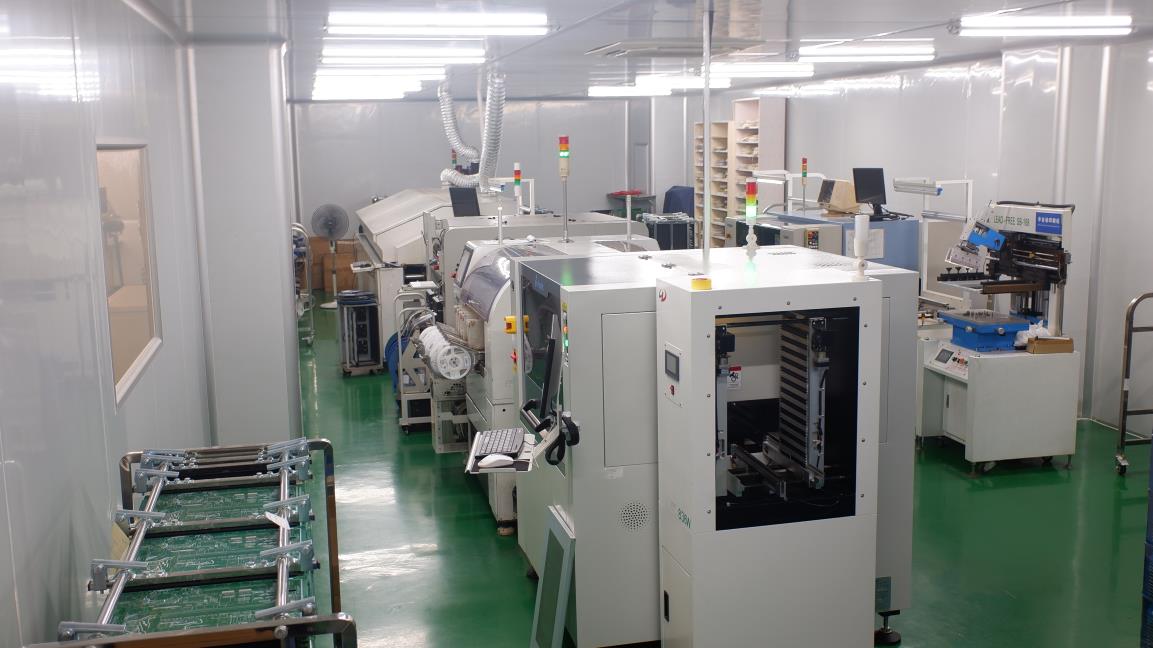
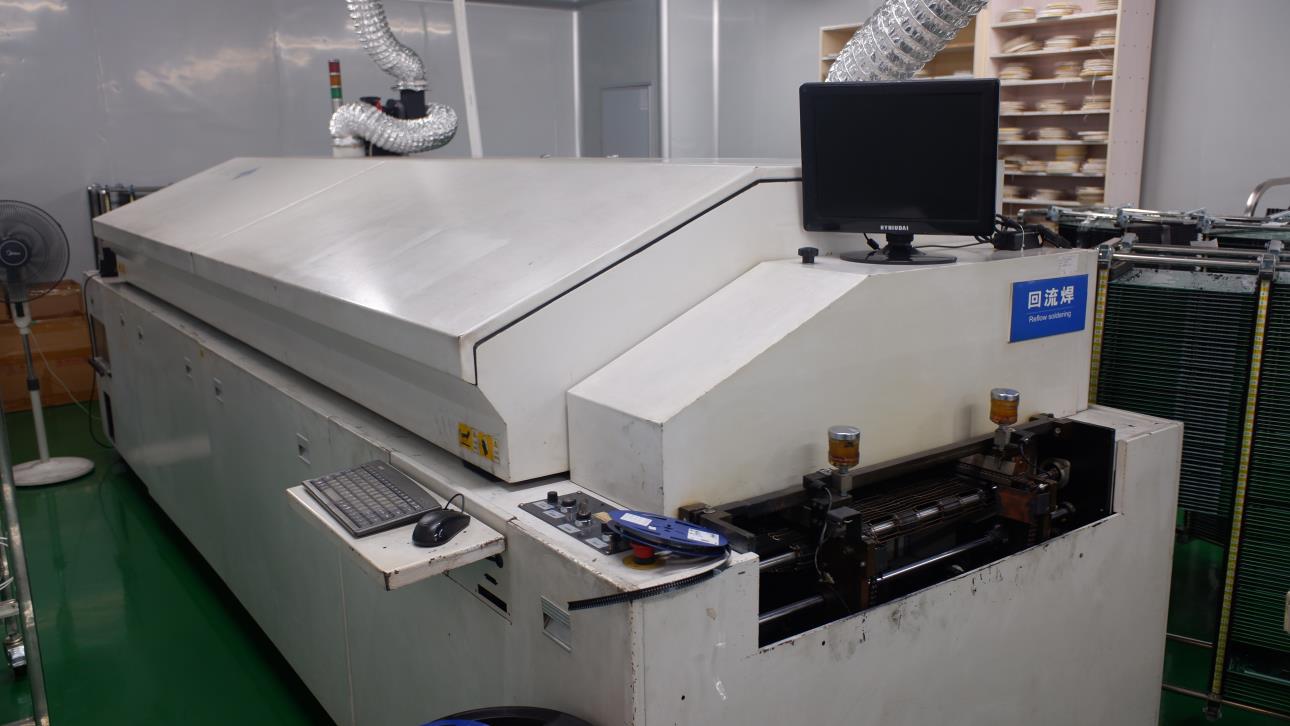
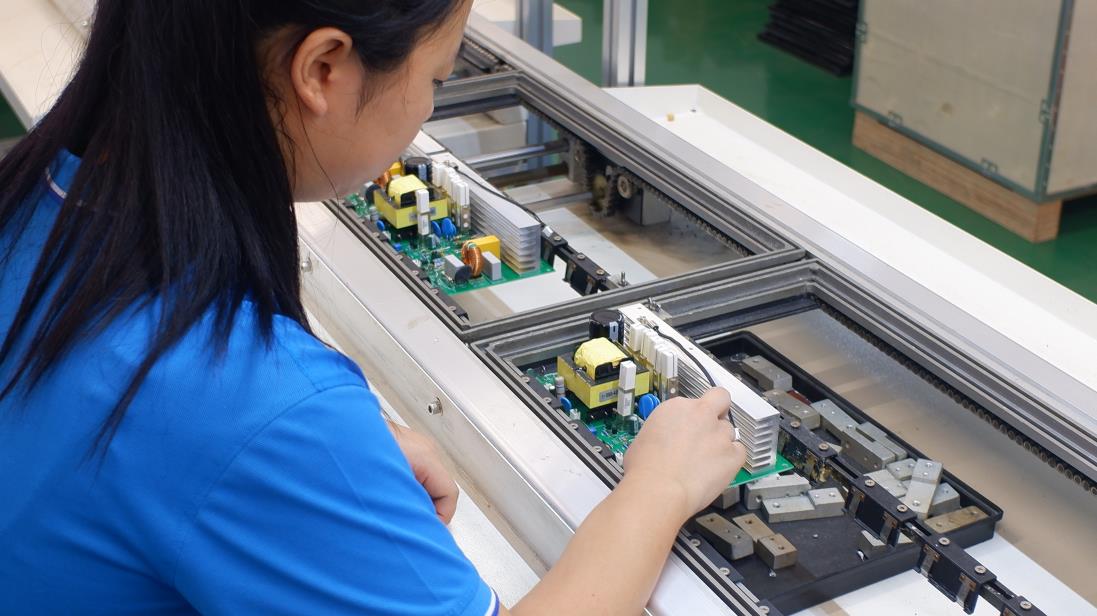
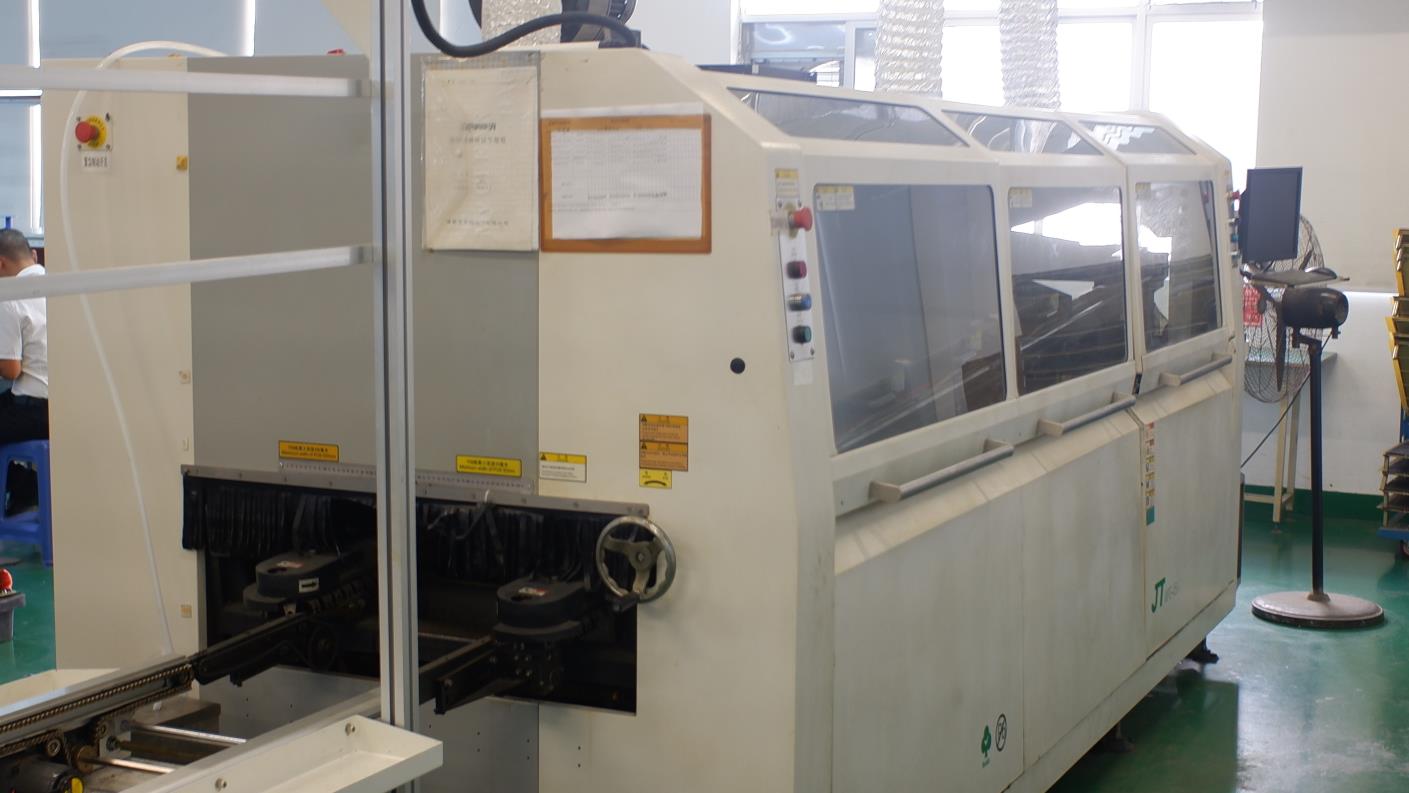
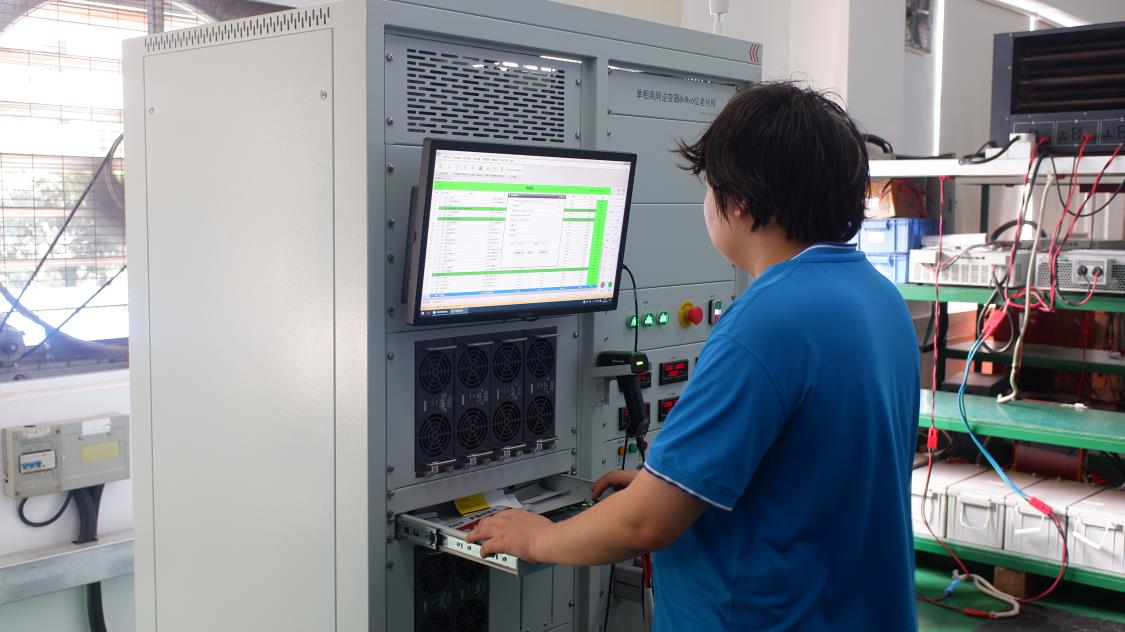
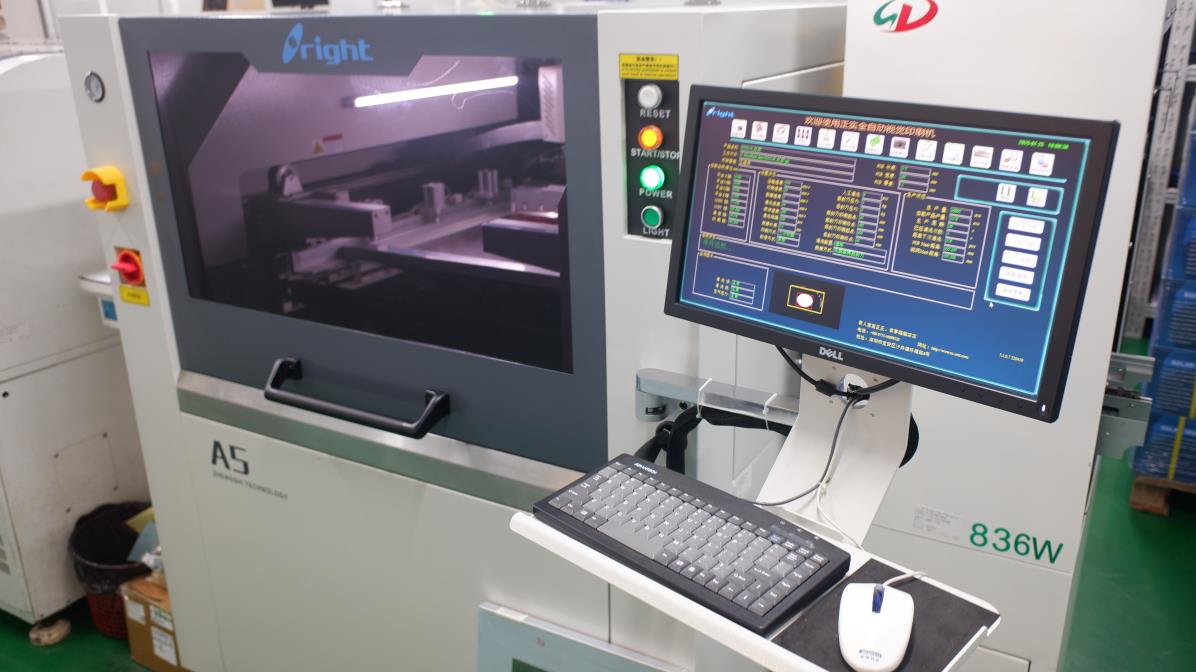
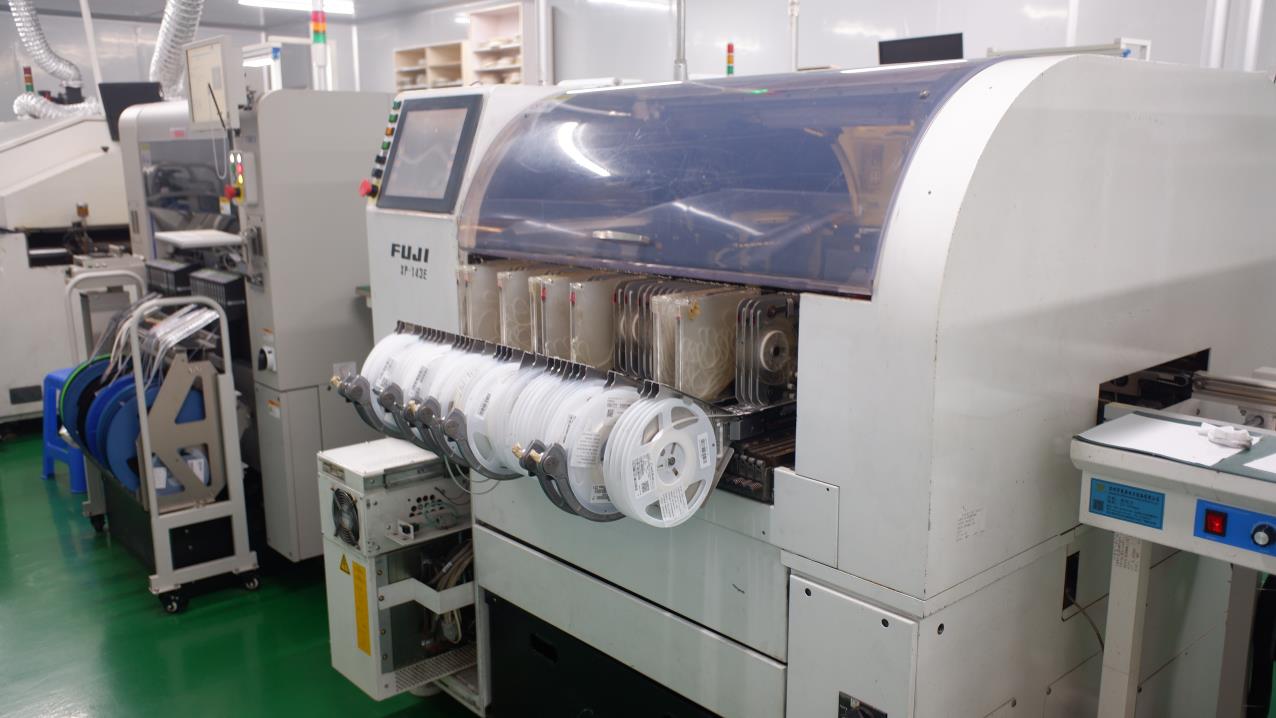
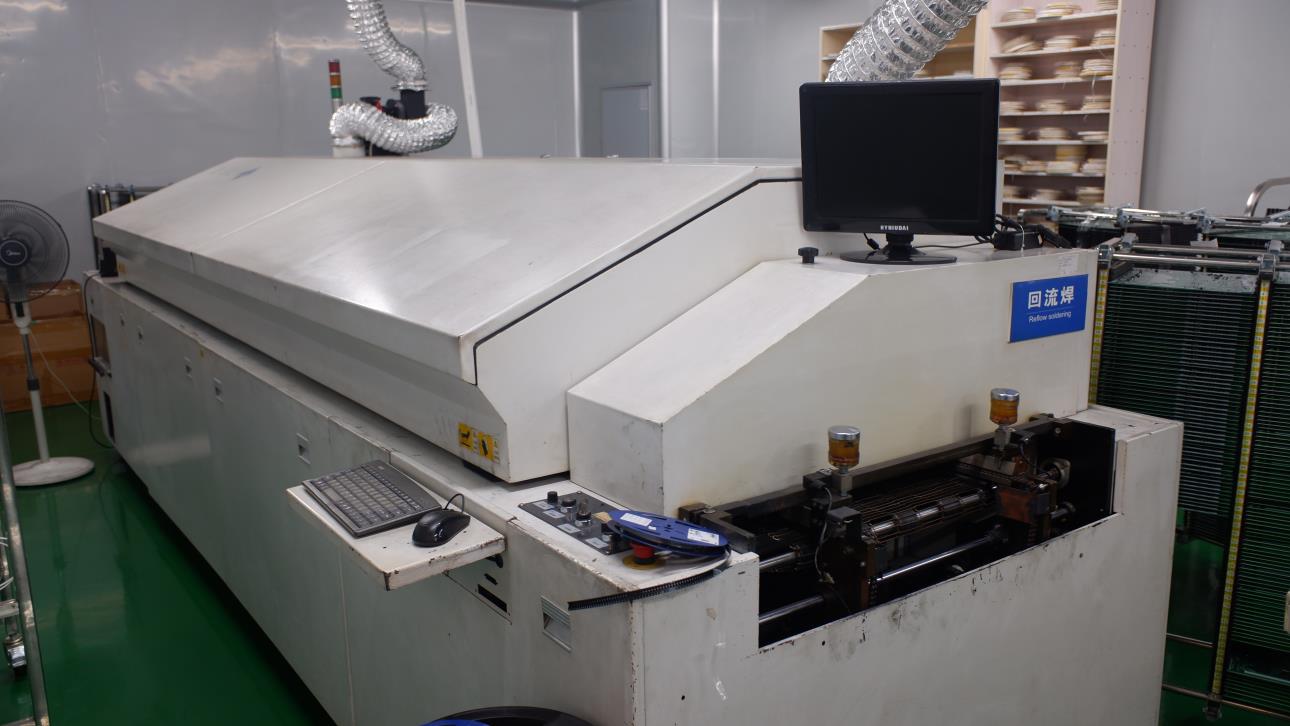
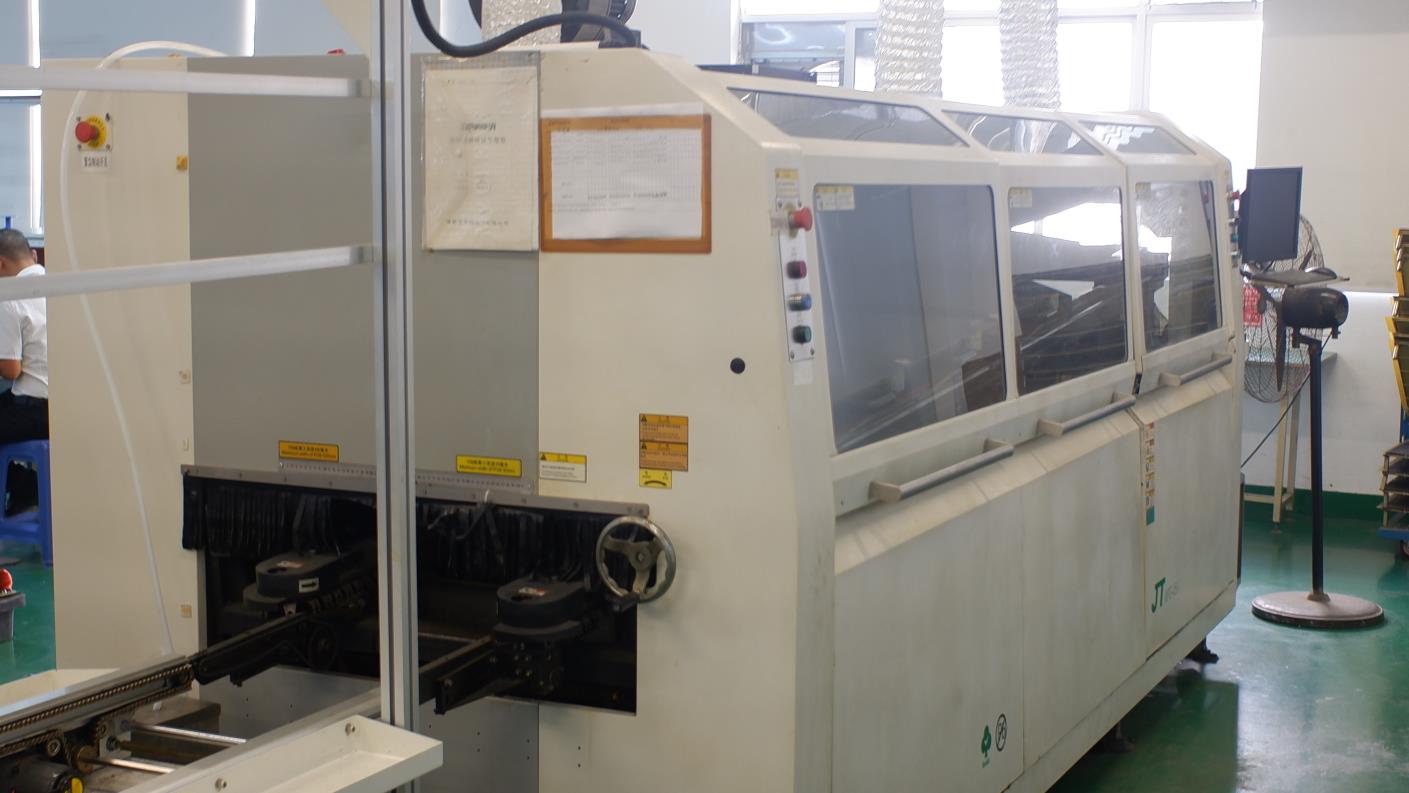
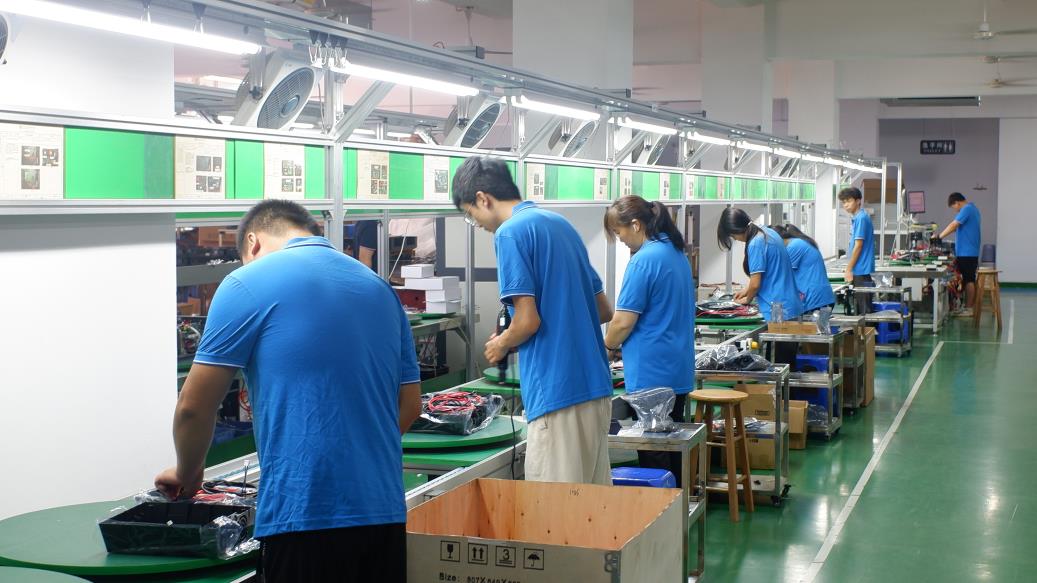
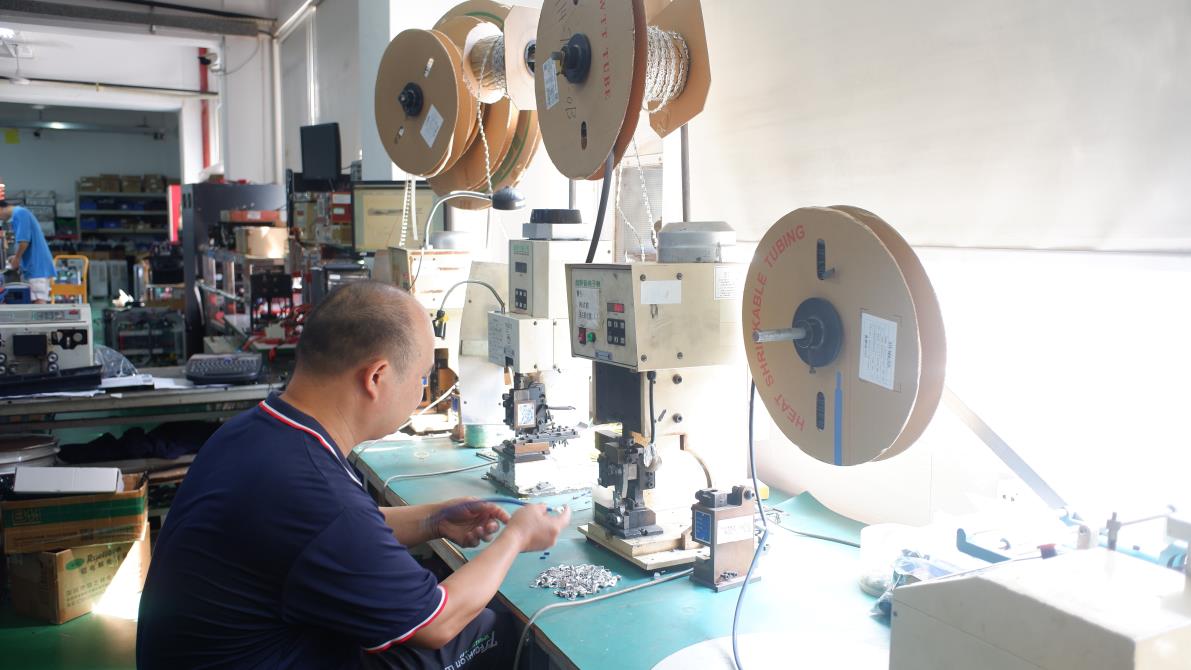
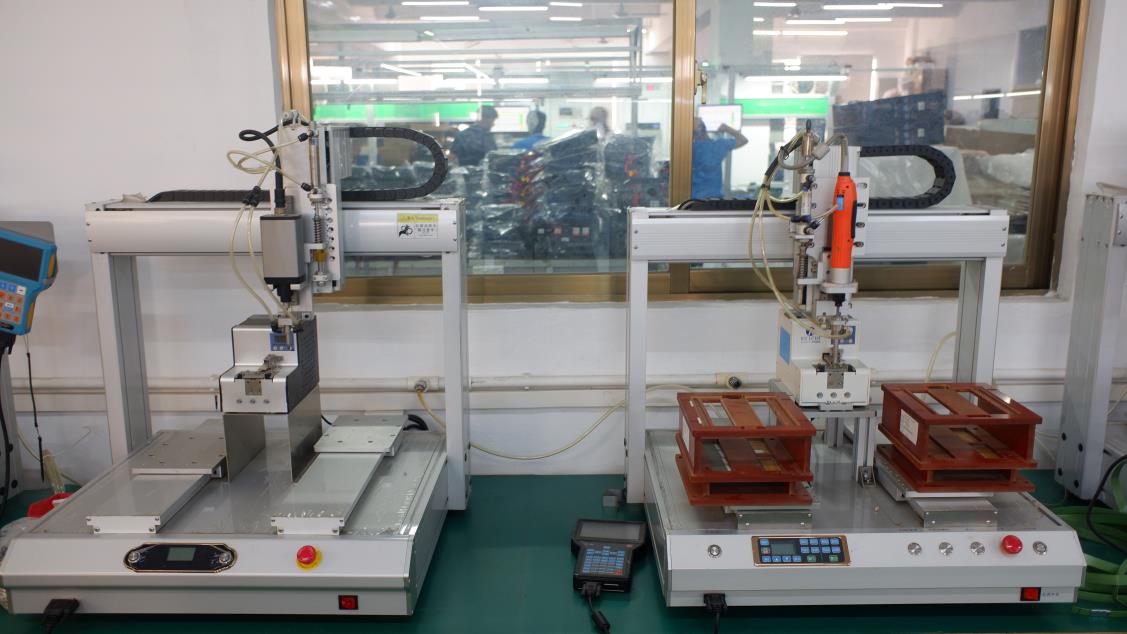
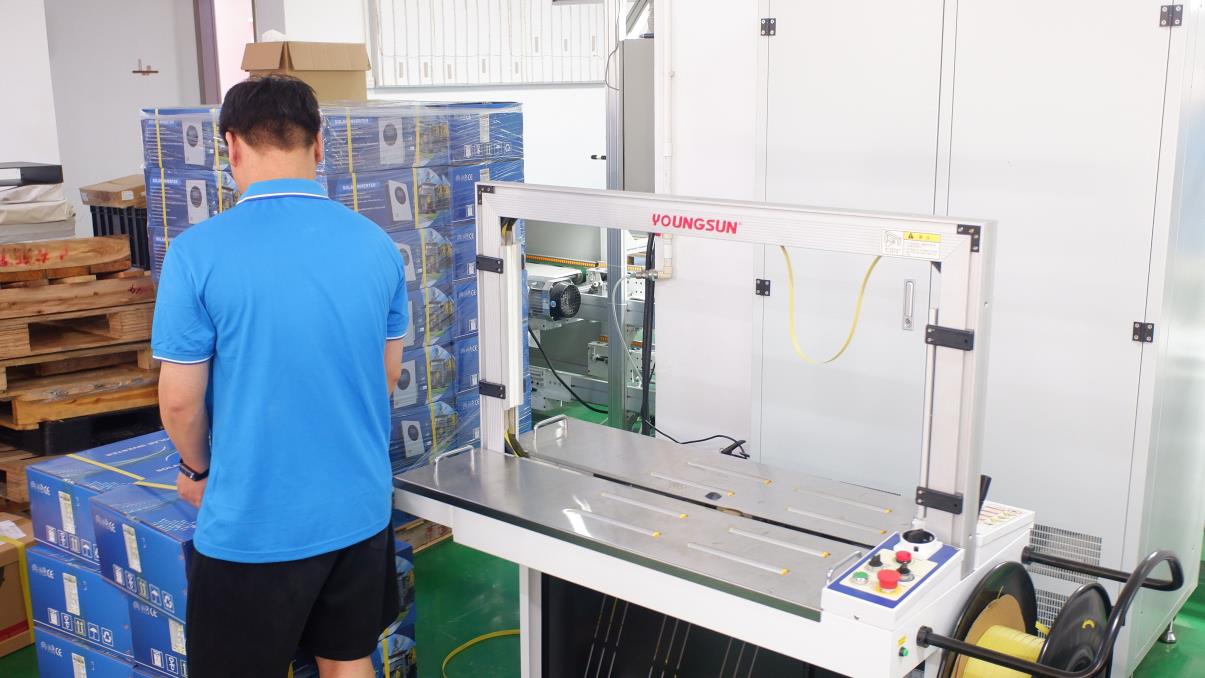
China accounts for over 70% of the global micro inverter supply. Factories like Shenzhen Yde Power leverage integrated supply chains, from PCBA SMT to automated aging tests. This concentration allows for rapid R&D cycles and "Economies of Scale" that offer superior cost-performance ratios for international buyers.
From the popular Balcony Solar Systems in Germany to off-grid micro-grids in Southeast Asia, micro inverters provide plug-and-play simplicity. Their modular nature allows for easy expansion, making them ideal for urban environments where shading and complex roof orientations are common.
Shenzhen Yde Power Co., Ltd. is a professional manufacturer specializing in residential, commercial, and industrial energy storage systems (ESS). Headquartered in Shenzhen, China, the company integrates research and development, production, sales, and service to deliver comprehensive clean energy solutions to global markets.
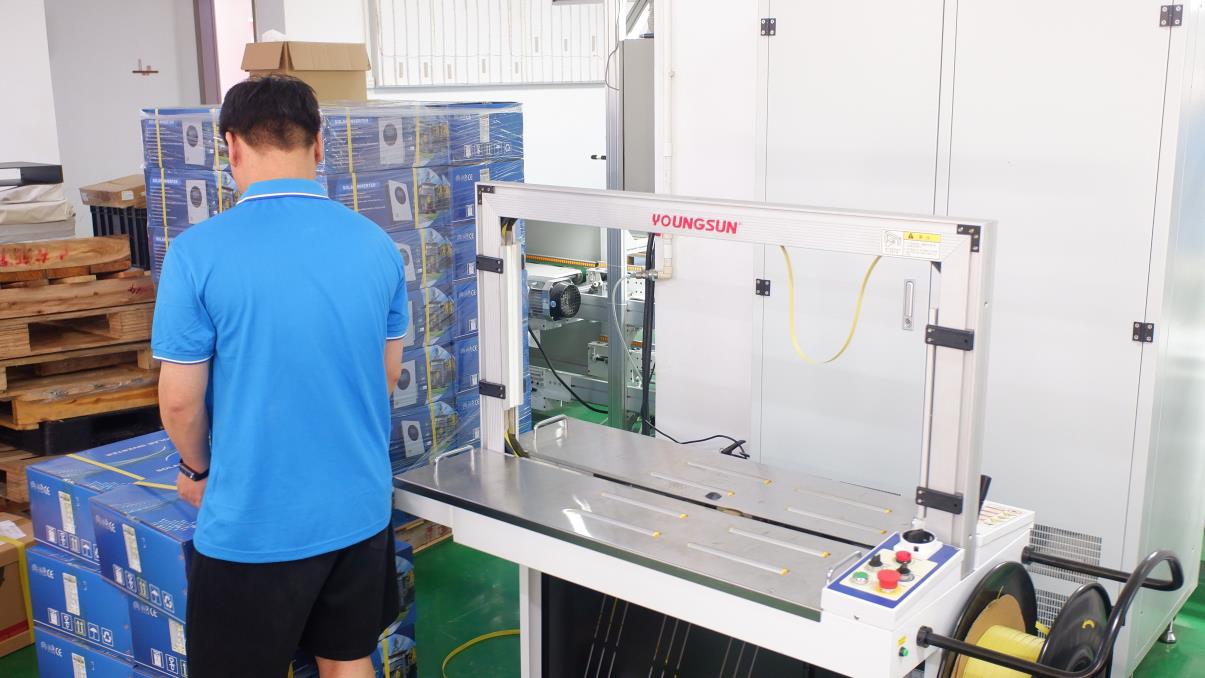
With a modern ISO9001-certified manufacturing facility in Jiangxi Province, equipped with advanced automated production lines, Yde Power focuses on continuous innovation in Battery Management Systems (BMS) and intelligent energy optimization.
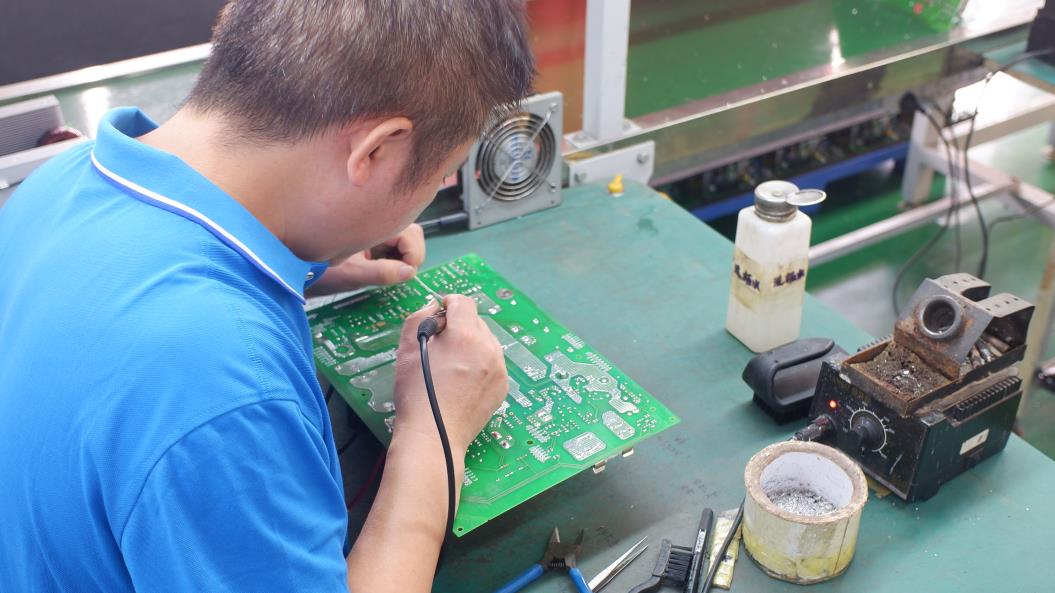
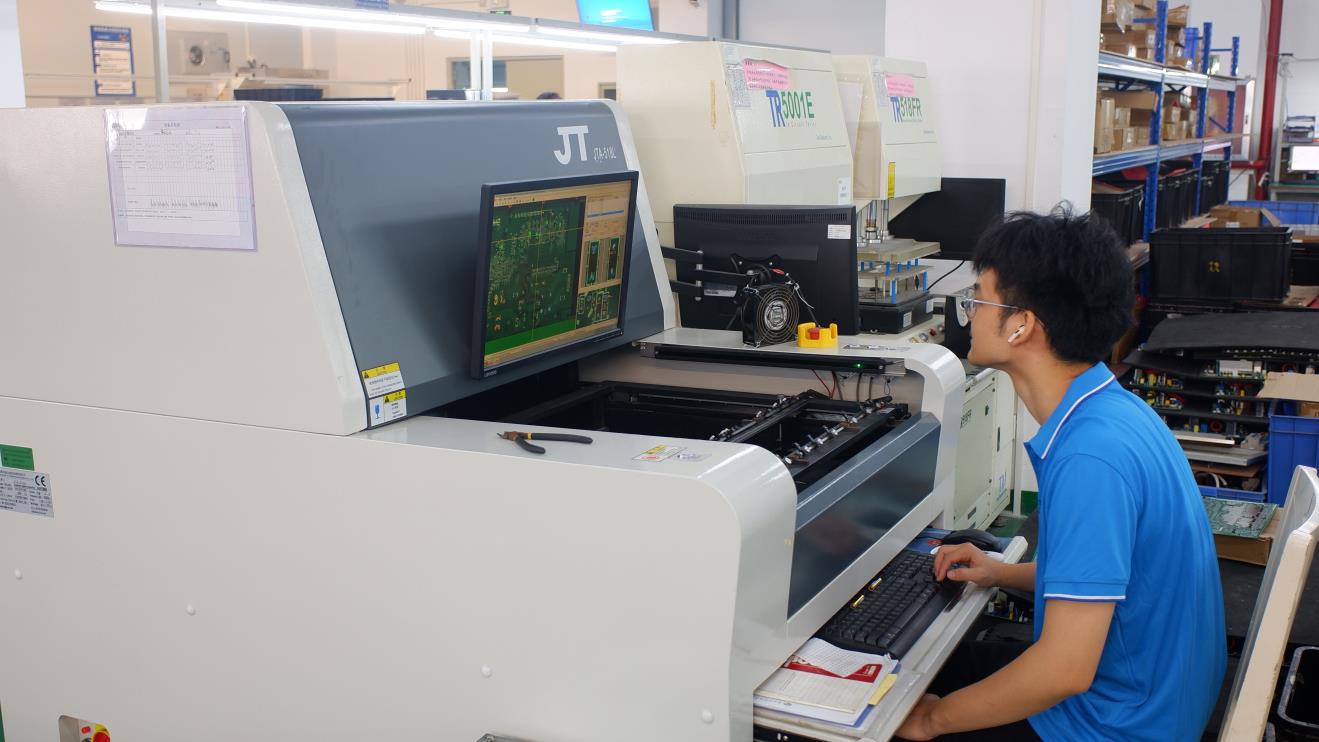
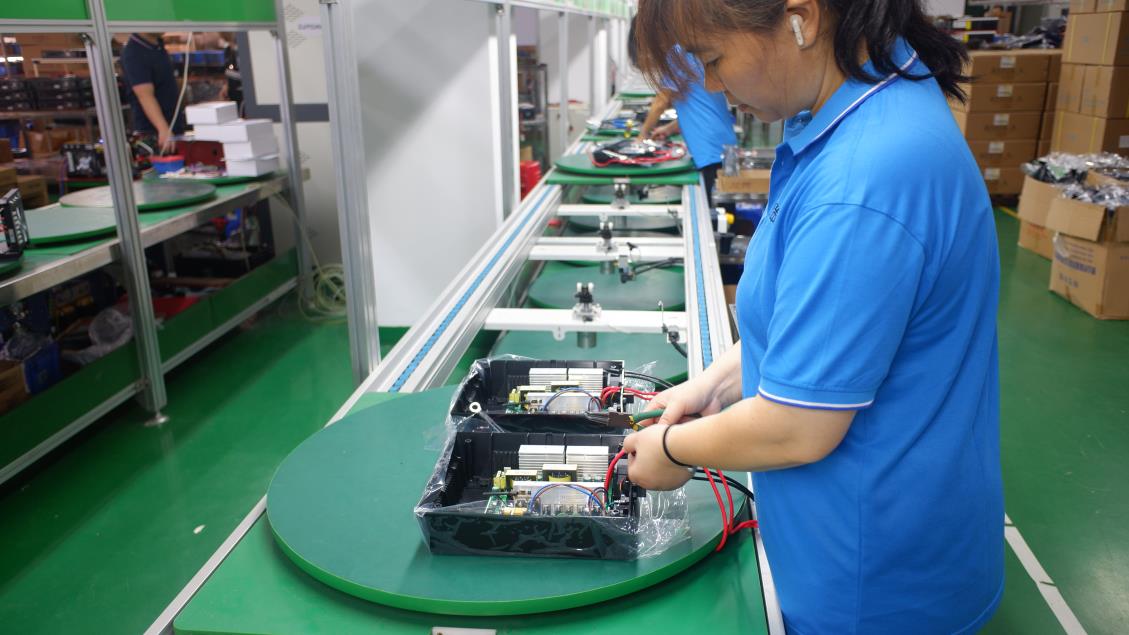
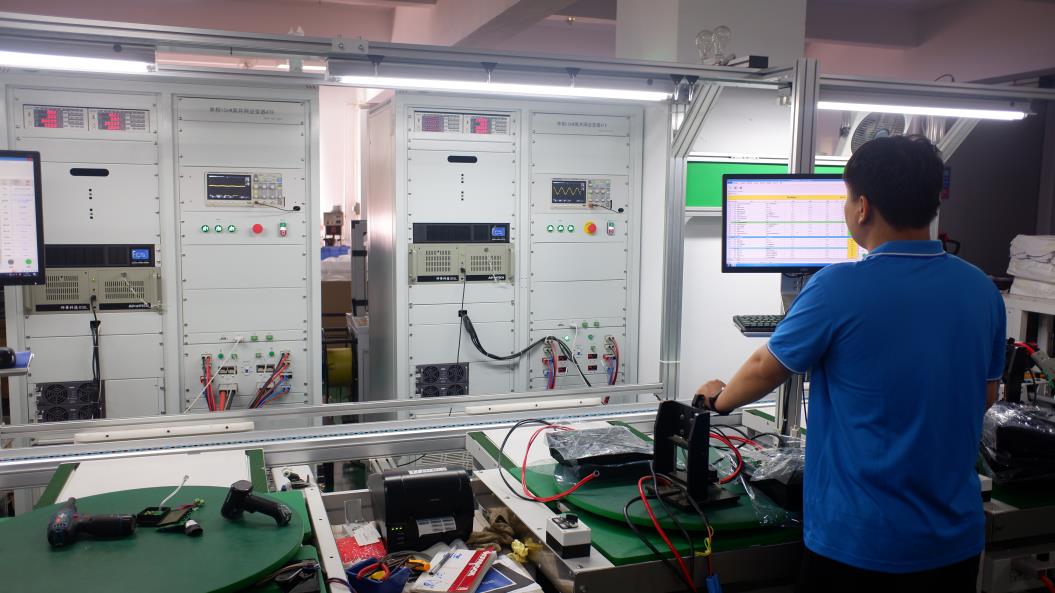
When sourcing grid-tied micro inverters, reliability is the primary "Information Gain" factor. Since these devices are located under solar panels, they must withstand extreme temperatures and humidity. Top-tier manufacturers utilize IP67-rated enclosures and potting compounds to ensure a 25-year service life.
Global enterprises should prioritize suppliers that provide:
The industry is moving from 600W/800W models to 2000W+ quad-input micro inverters, allowing for lower BOS (Balance of System) costs in larger installations.
Cloud-based platforms are now using AI to predict module-level failures before they happen, significantly reducing O&M (Operation and Maintenance) costs for commercial fleets.
Expect to see more "AC-coupled" micro-inverter systems that easily integrate with battery storage, catering to the rising demand for self-consumption.
Micro inverters mitigate the "Christmas Light Effect" where one shaded panel affects the entire string. They offer module-level MPPT, superior fire safety through low-voltage DC, and more granular data for O&M.
According to safety standards (Anti-islanding), grid-tied inverters must shut down during an outage to protect utility workers. For backup power, a compatible ESS or a hybrid micro-grid setup is required.
Leading manufacturers like Yde Power design their products for a 20-25 year lifespan, matching the warranty of solar panels. This is achieved through industrial-grade components and rigorous aging tests.
In many regions, such as Germany, regulations (like the VDE) have been updated to allow "Plug-and-Play" balcony systems up to 800W, simplifying the registration process for residents.
 Yde Power