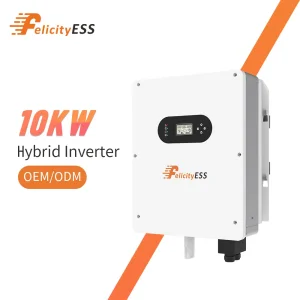
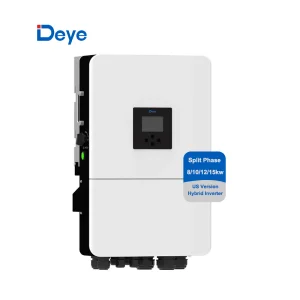
Engineered to handle severe grid voltage fluctuations and coordinate seamless energy switching between solar PV arrays, backup battery banks, and state/diesel generators.
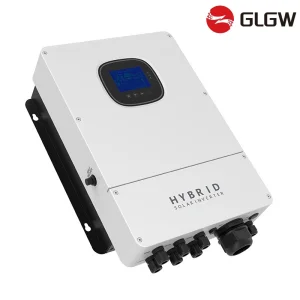
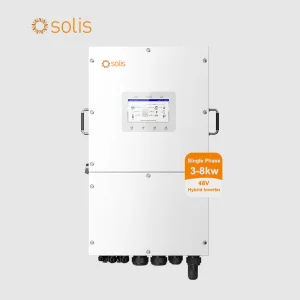
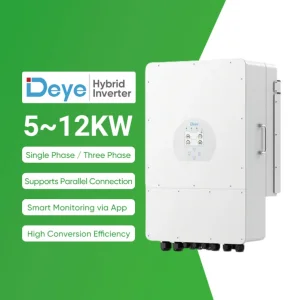
Under the Rwanda Energy Group's (REG) ambitious mandate to secure 100% electricity access, the nation is undergoing an unprecedented shift toward modern grid systems. However, industrial clusters, tea processing factories in the Western Province, and commercial hubs in the Kigali Special Economic Zone (KSEZ) face unique localized power quality issues. High voltage transients, phase unbalances, and seasonal grid fluctuations demand more than basic off-grid hardware.
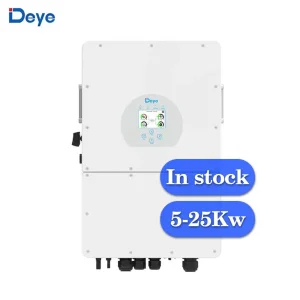
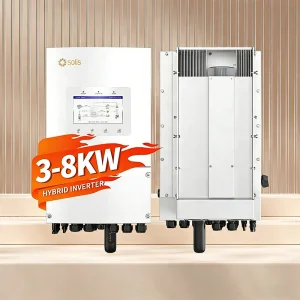
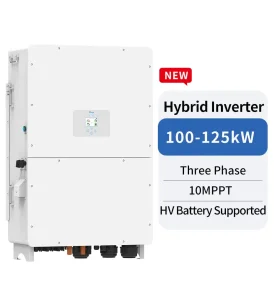
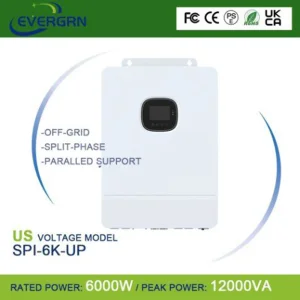
This is where the Three Phase Hybrid Inverter plays a vital role. By operating at the nexus of renewable generation, high-voltage battery storage, and utility interconnects, these systems facilitate bidirectional energy arbitrage, peak-shaving, and sub-10ms UPS grade power failover. They allow local commercial operators to reduce their dependency on expensive diesel backup generators, dropping running costs by up to 65%.
Ensuring continuous productivity across agricultural processing, commercial developments, and vital national telecom backbones.
Agricultural processing units in Gisenyi and Kibuye require heavy inductive motors to run sorting, washing, and drying equipment. Our high-frequency three-phase systems manage heavy surge start-up currents without shutting down or causing grid voltage sags.
With premium multi-family real estates and modern shopping malls expanding rapidly in Nyarugenge and Gasabo, integrating three-phase PV-plus-storage ensures high reliability. It maintains continuous ventilation, HVAC systems, elevators, and charging facilities during occasional grid outages.
Connecting rural settlements across the hilly topography of Rwanda demands remote base transceiver stations (BTS). Our modular split-phase and three-phase hybrid controllers seamlessly utilize solar first, auxiliary batteries second, and local grid/diesel generators third.
Shenzhen Yde Power Co., Ltd. is a professional manufacturer specializing in residential, commercial, and industrial energy storage systems (ESS). Headquartered in the technological powerhouse of Shenzhen, China, we integrate state-of-the-art research and development, production, sales, and service to deliver comprehensive clean energy solutions to global markets, including fast-growing East African economic corridors.
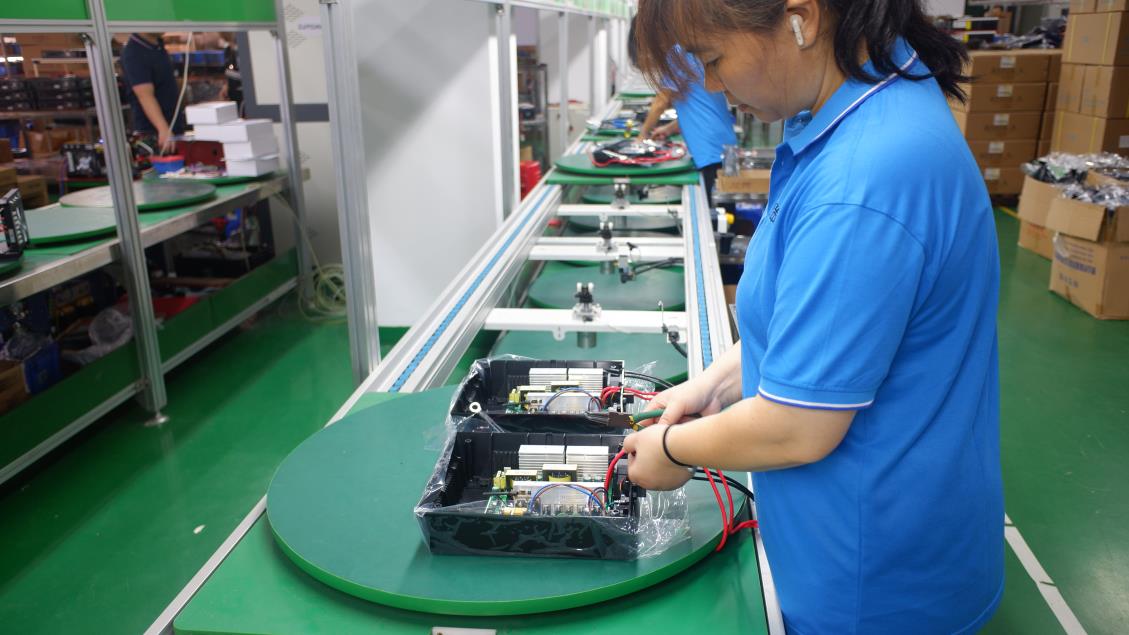
In addition to our headquarters in Shenzhen, Yde Power operates a modern ISO9001-certified manufacturing facility in Jiangxi Province, equipped with advanced automated production lines and stringent quality control systems. The company also maintains a dedicated R&D center in Shenzhen, focusing on continuous innovation in battery management systems (BMS), system integration, and intelligent energy optimization technologies.
With the expansion of our Jiangxi manufacturing base, we have significantly enhanced our production capacity, supply chain efficiency, and product diversity. This enables Yde Power to respond quickly to global customer demands while maintaining high standards of reliability and performance.
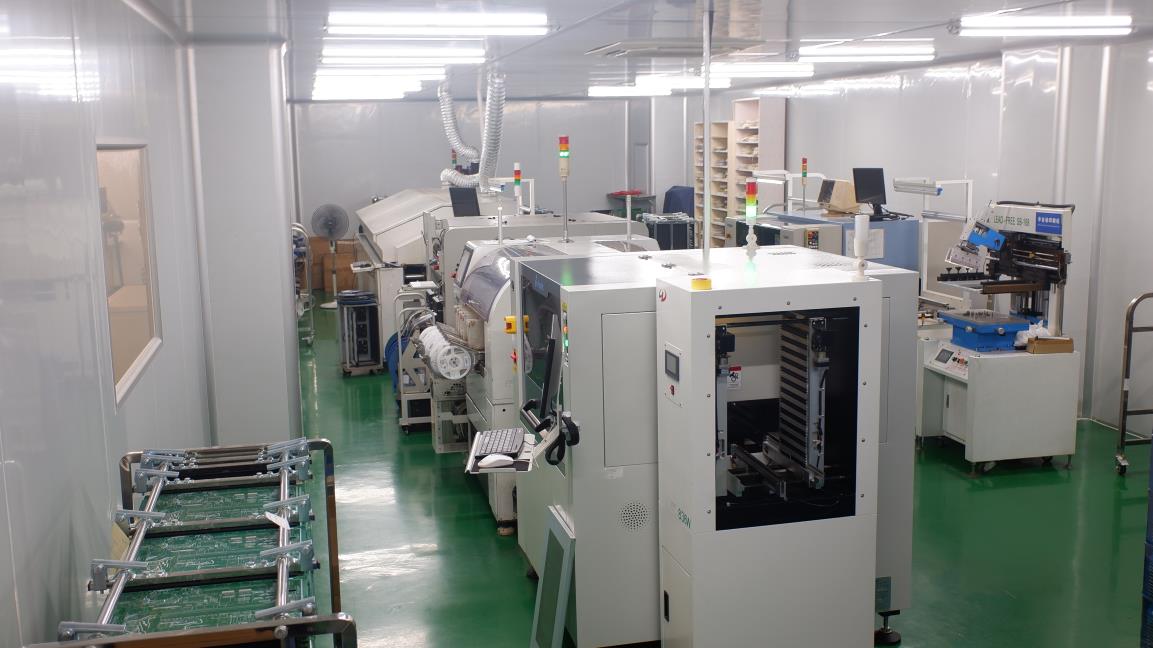
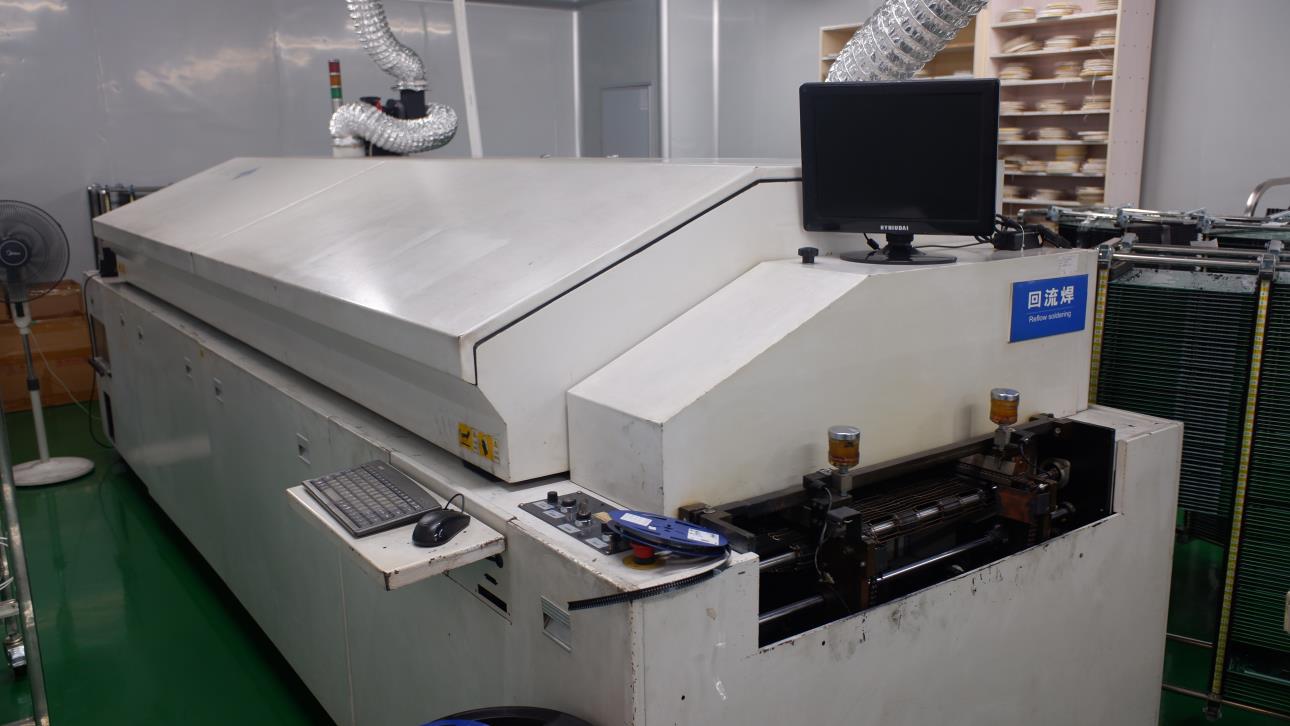
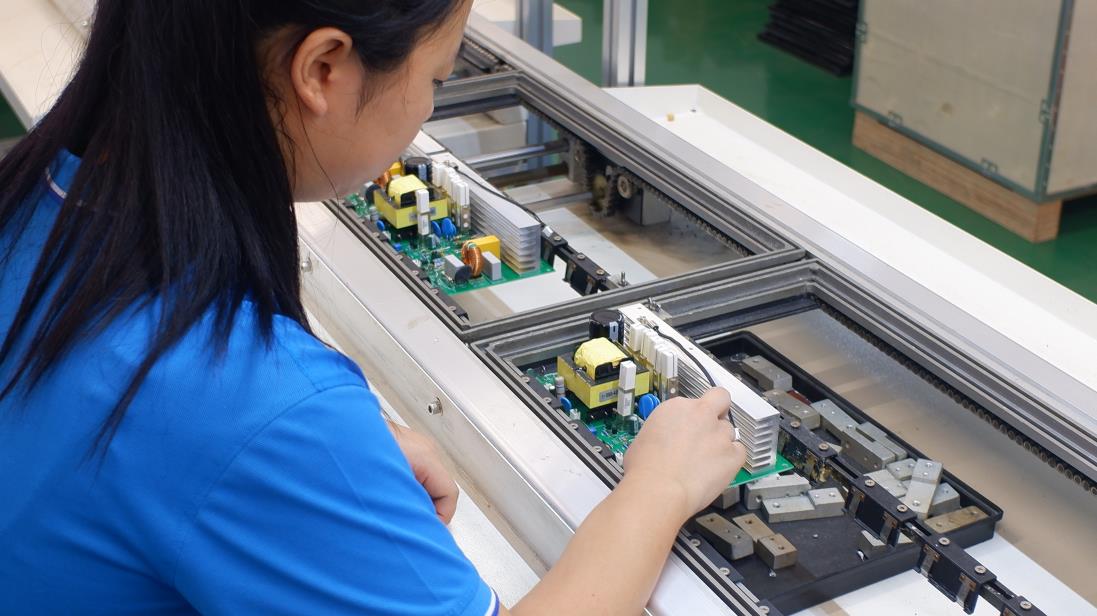
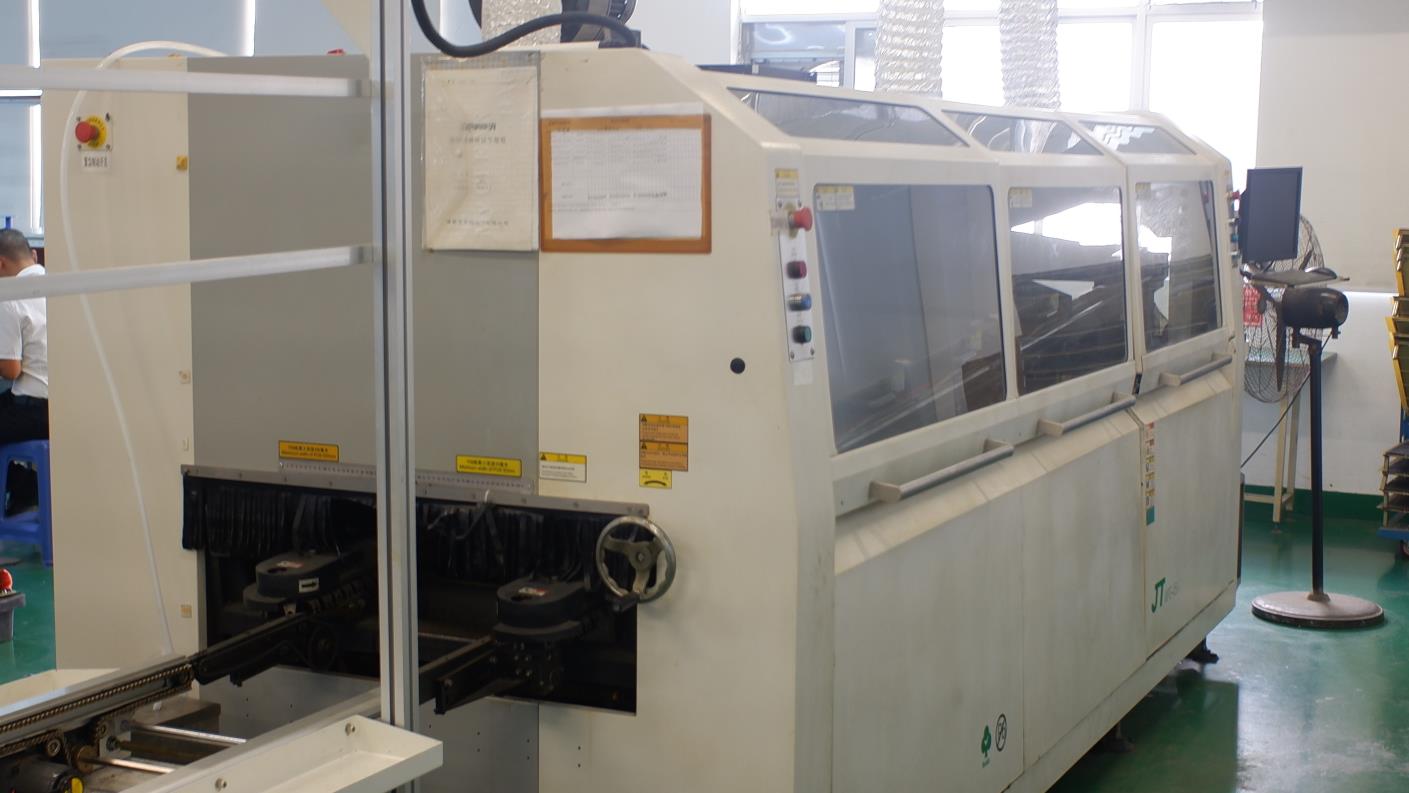
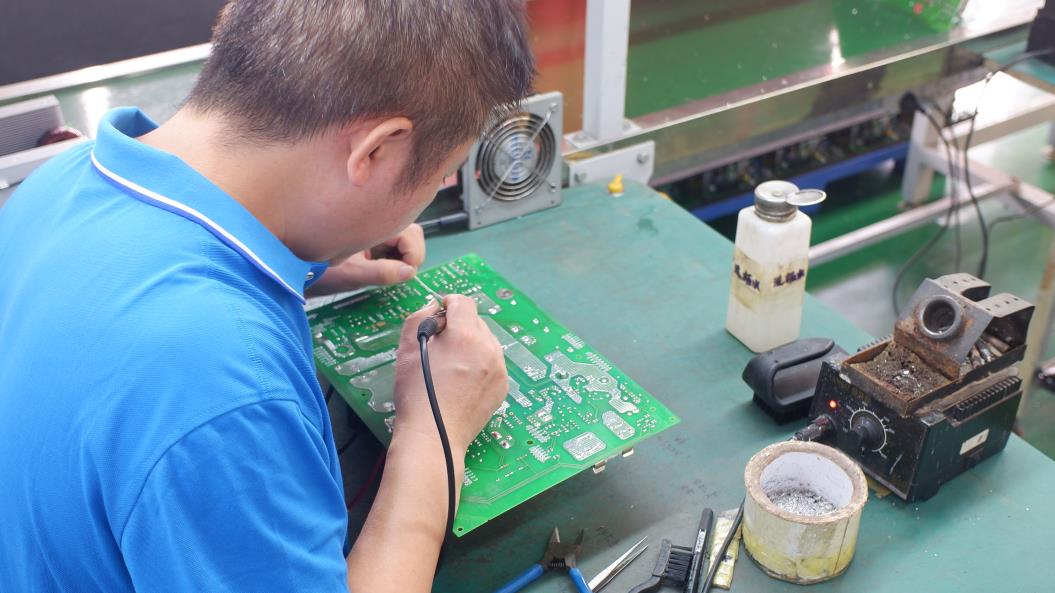
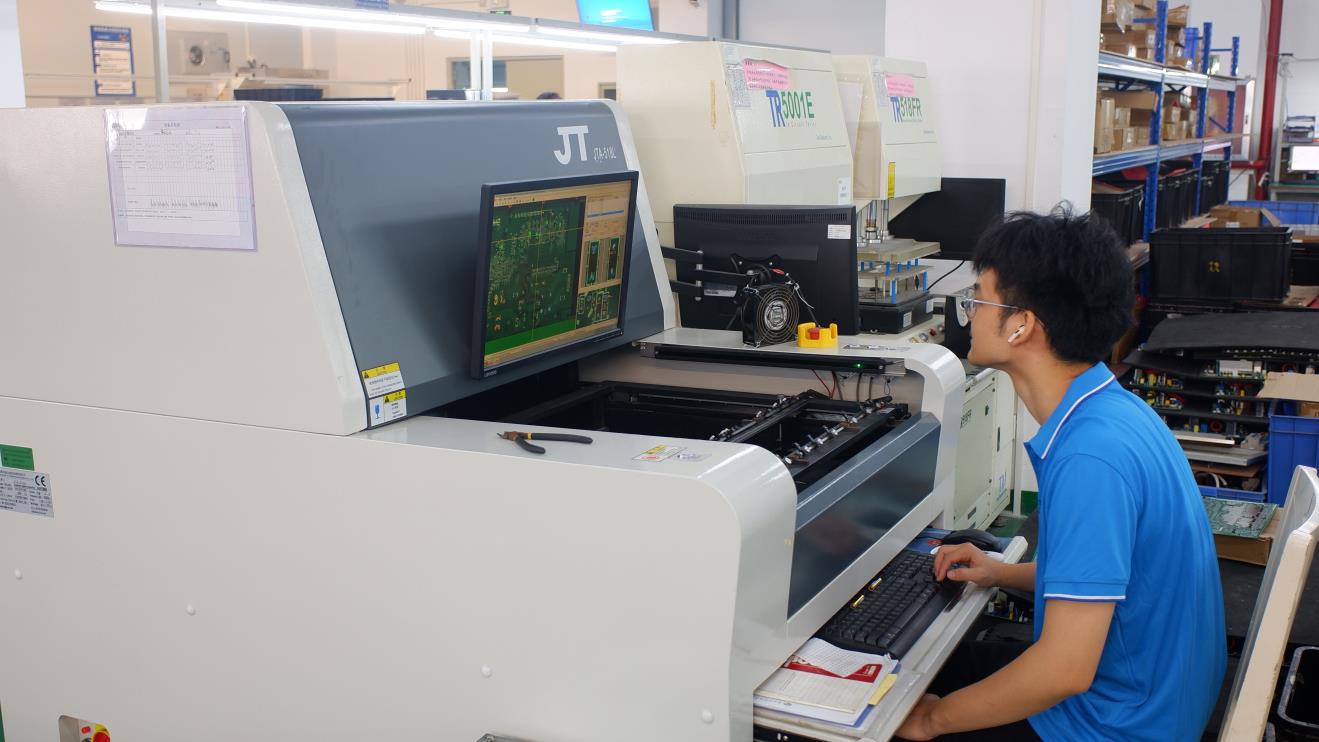
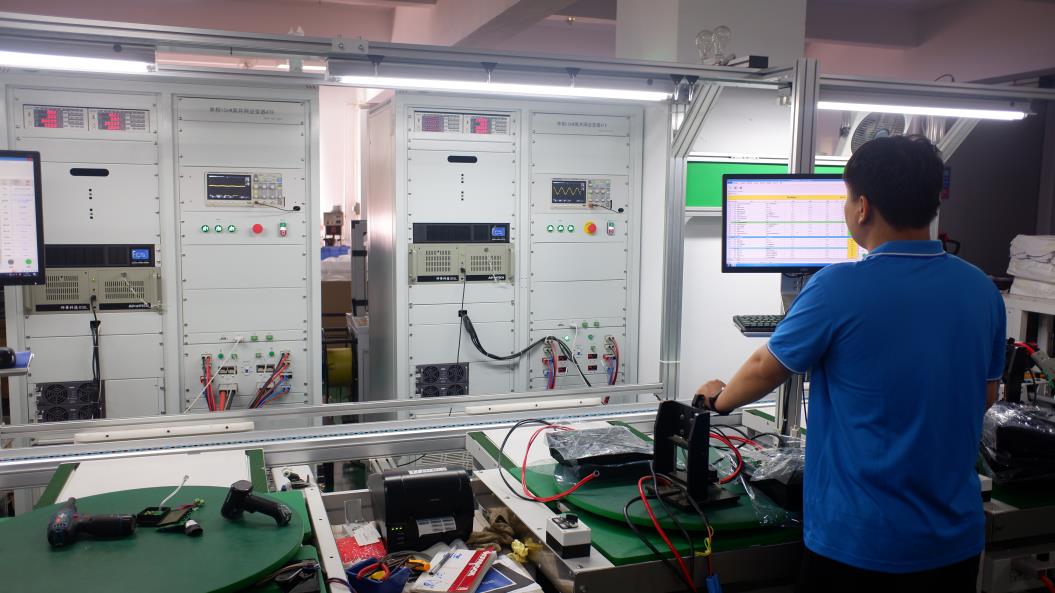
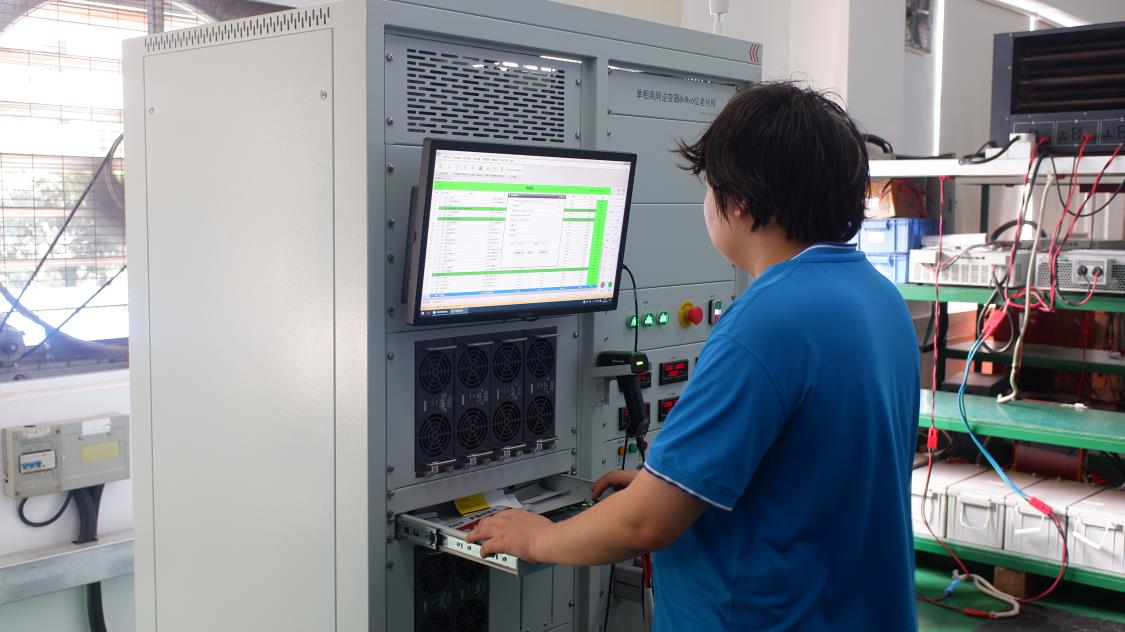
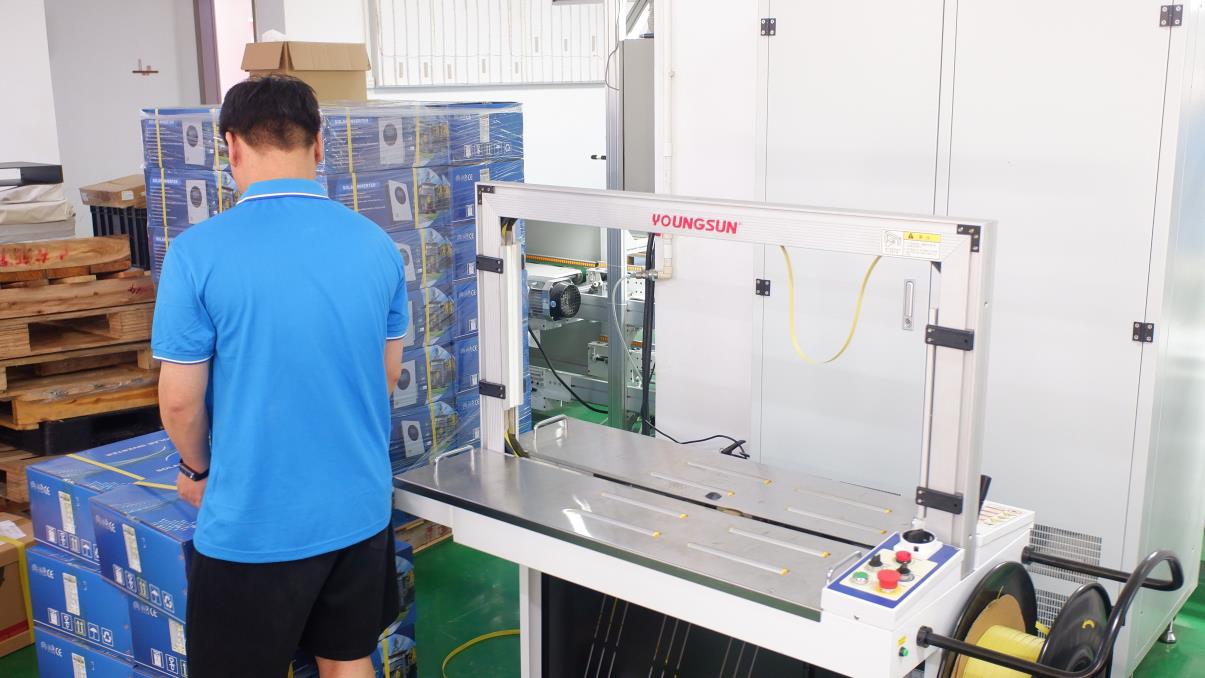
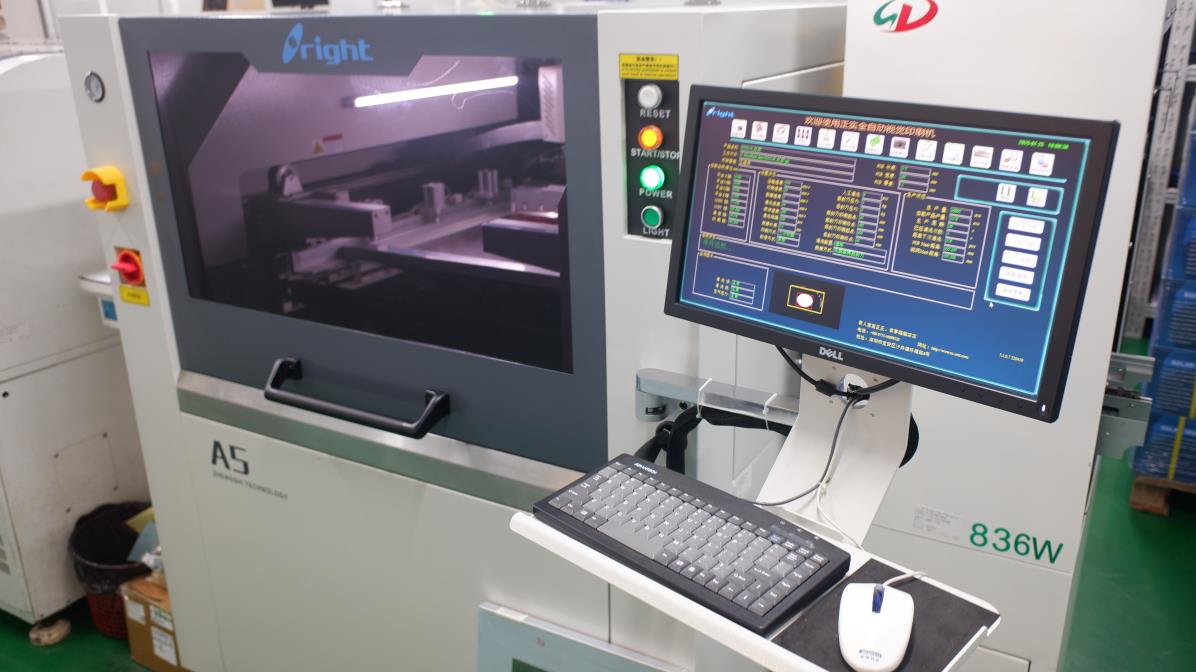
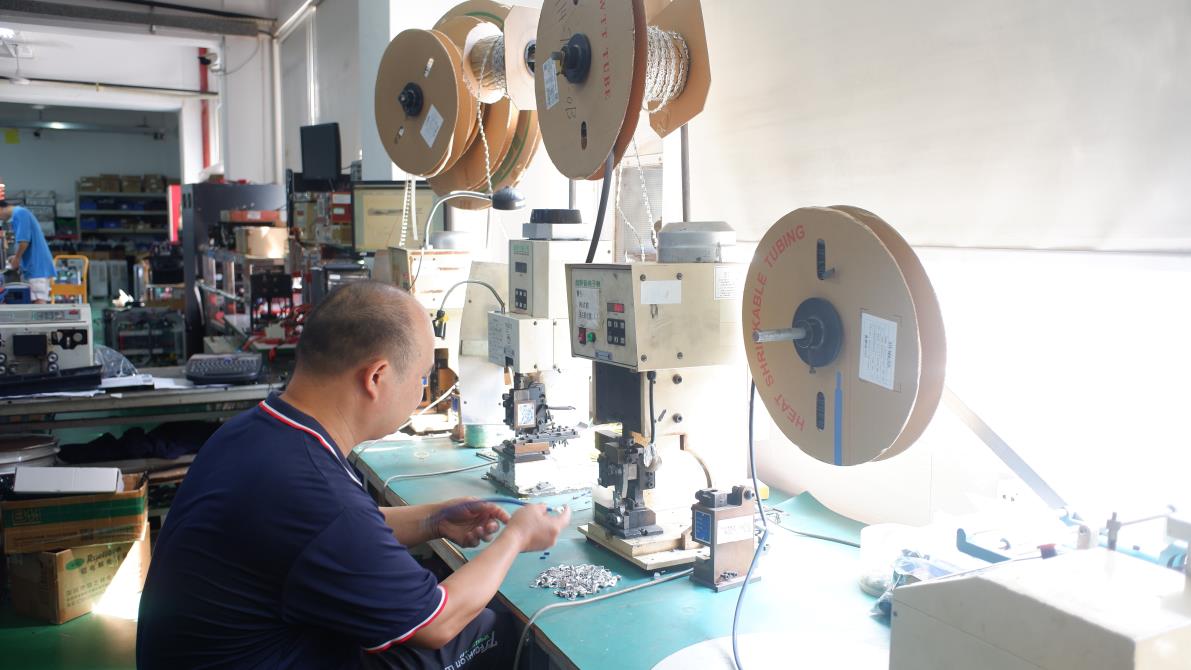
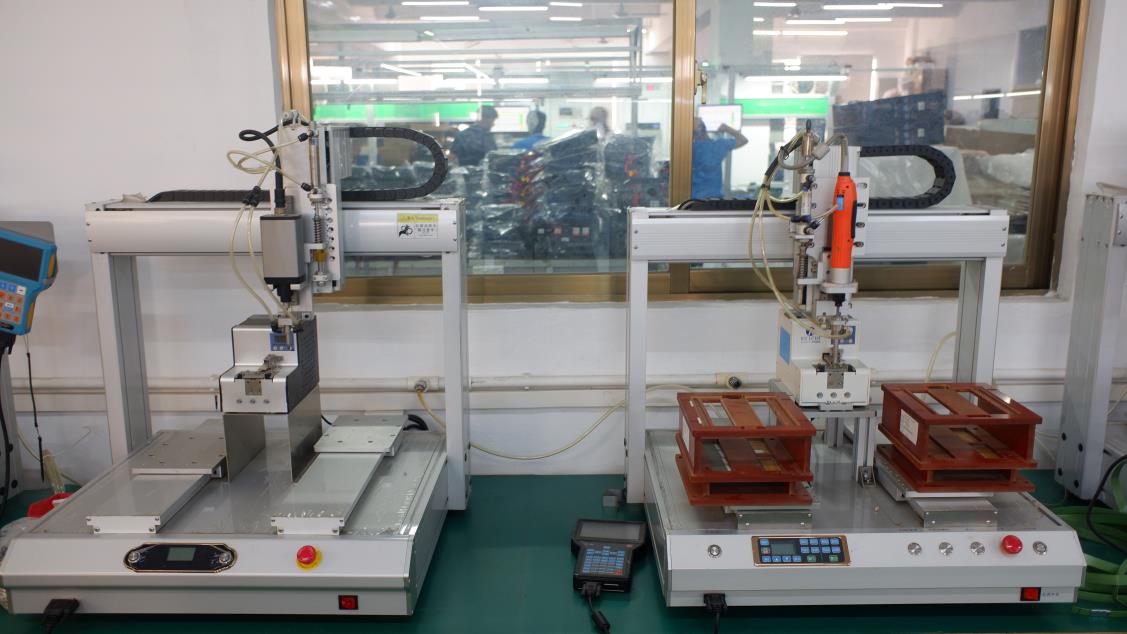
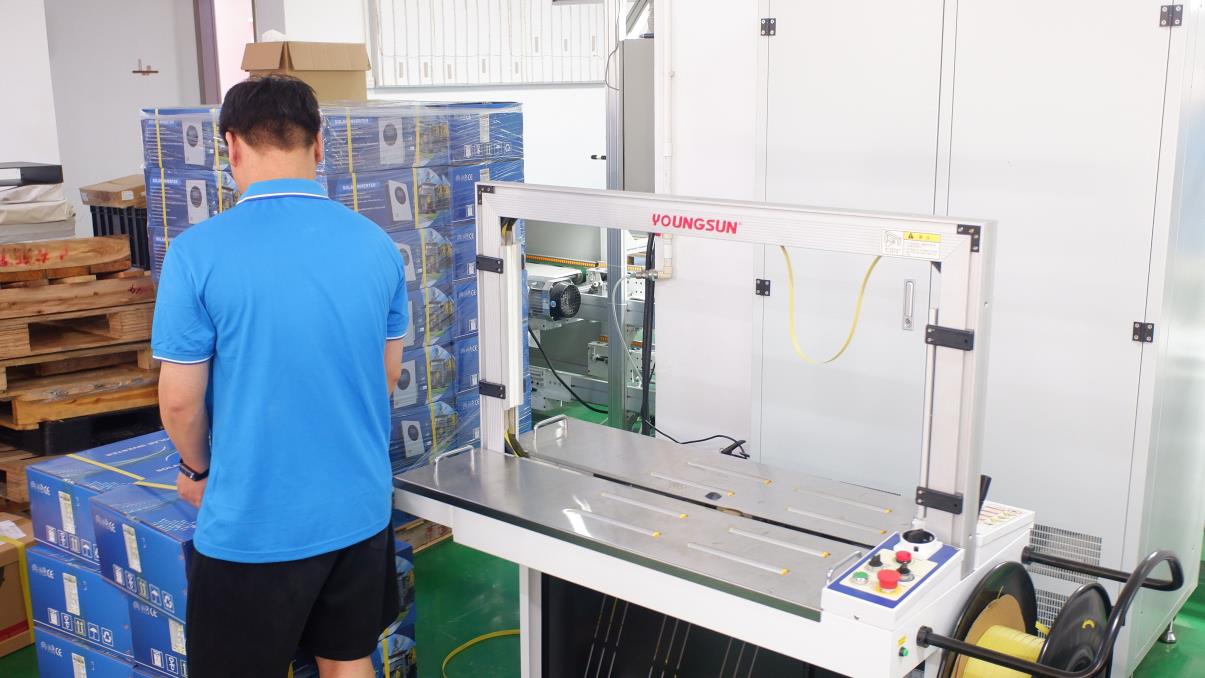
We employ automated, high-precision equipment to eliminate physical human assembly variance, ensuring every three-phase hybrid inverter handles demanding thermal loads with maximum reliability.
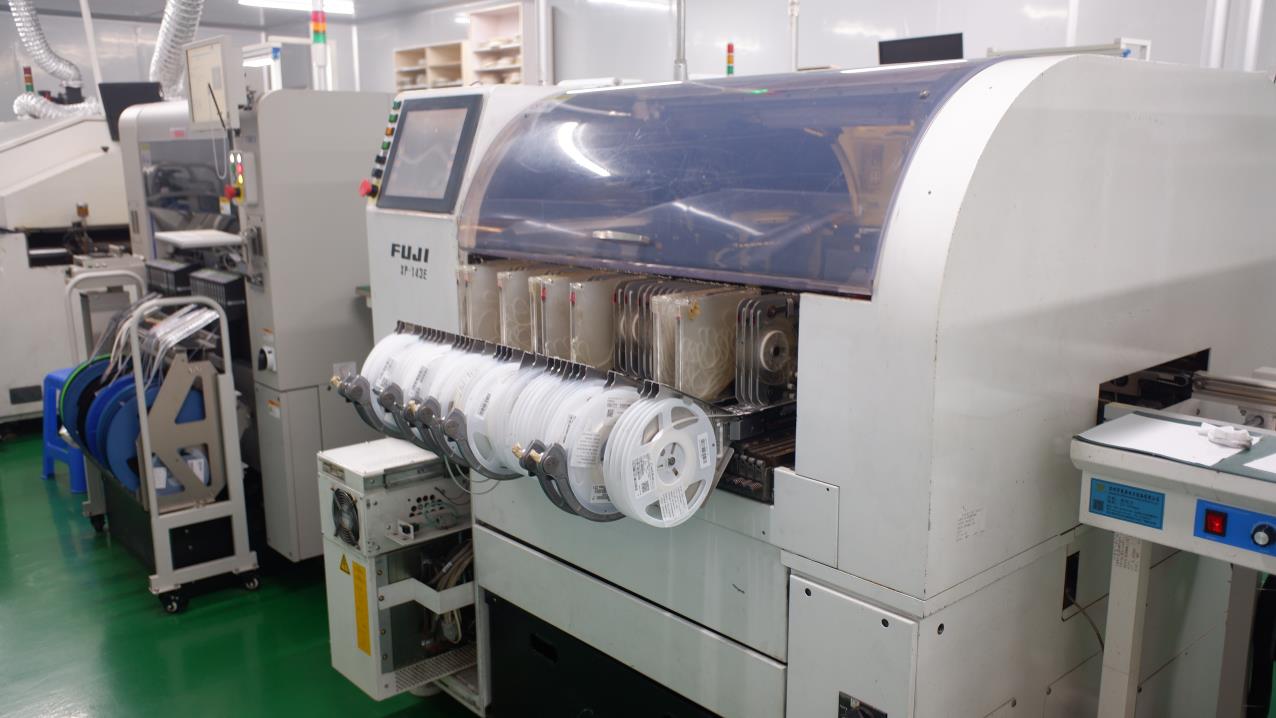
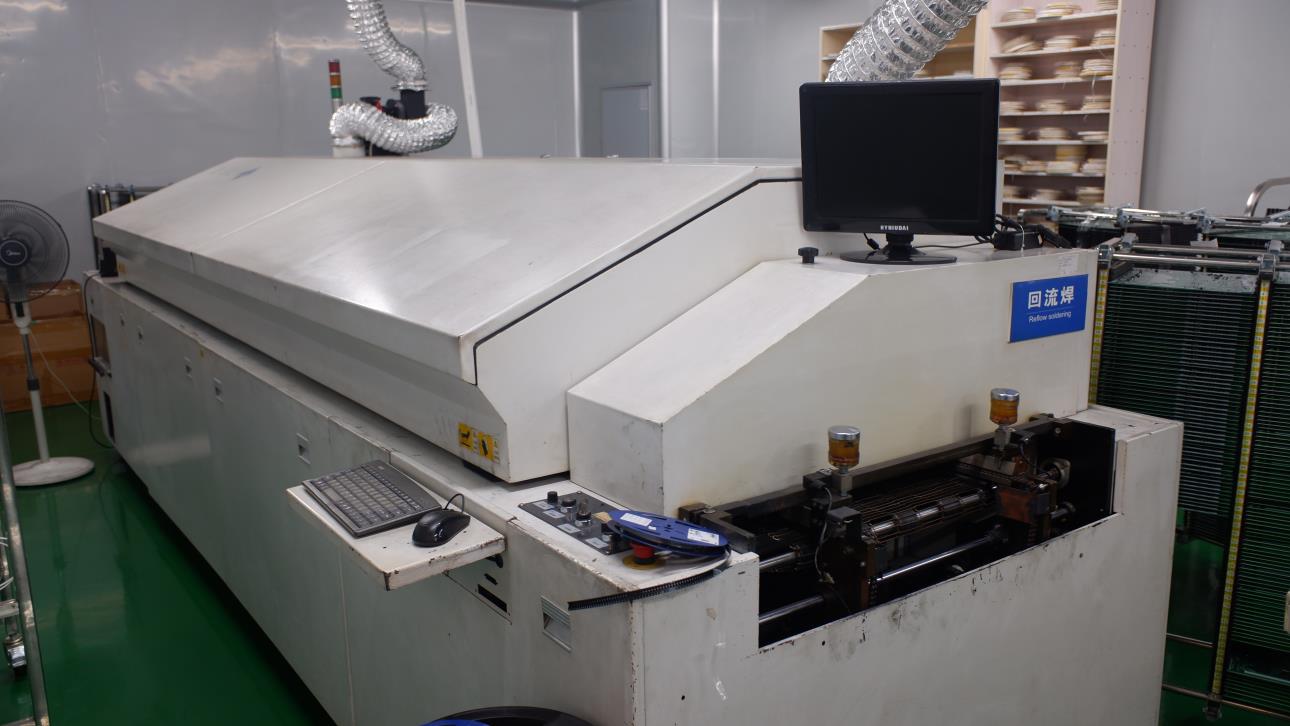
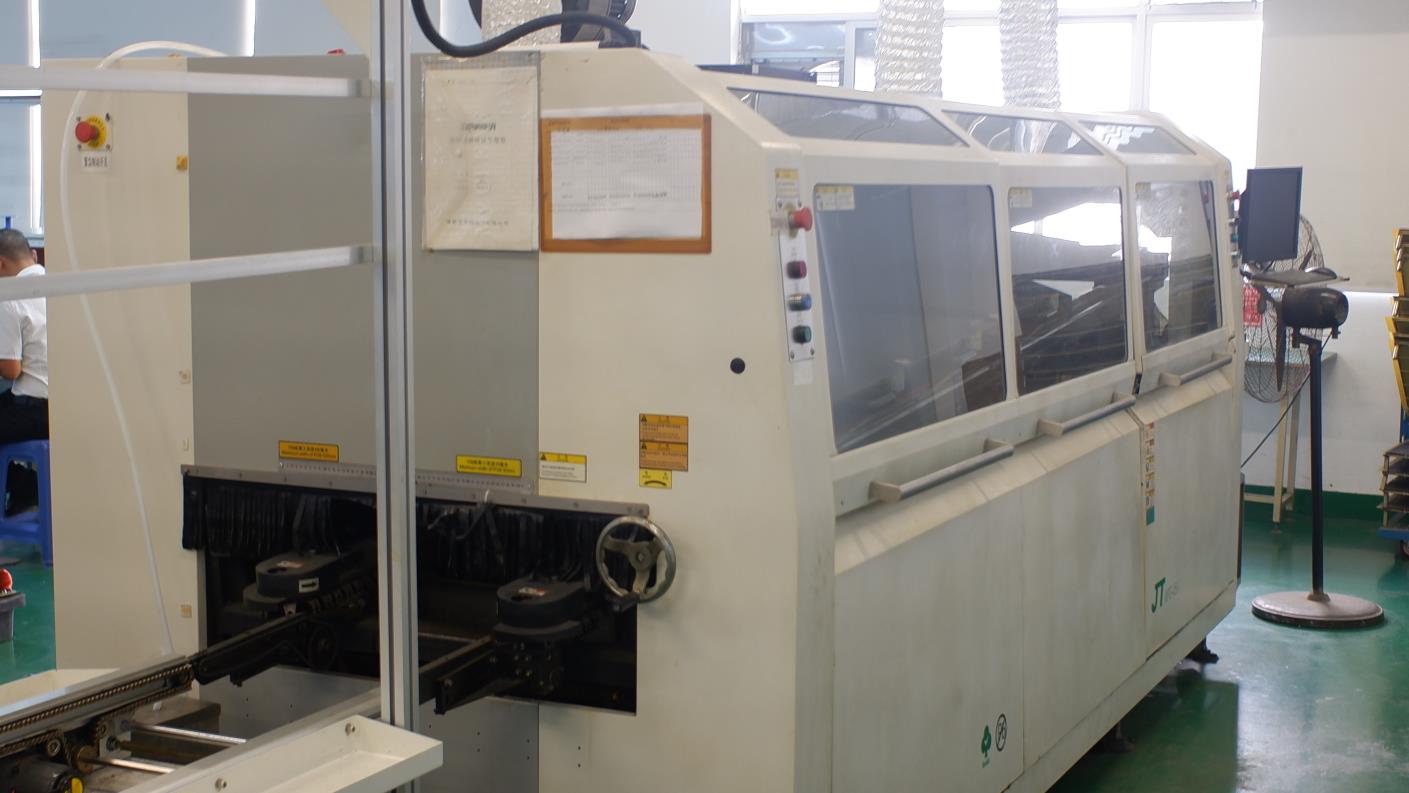
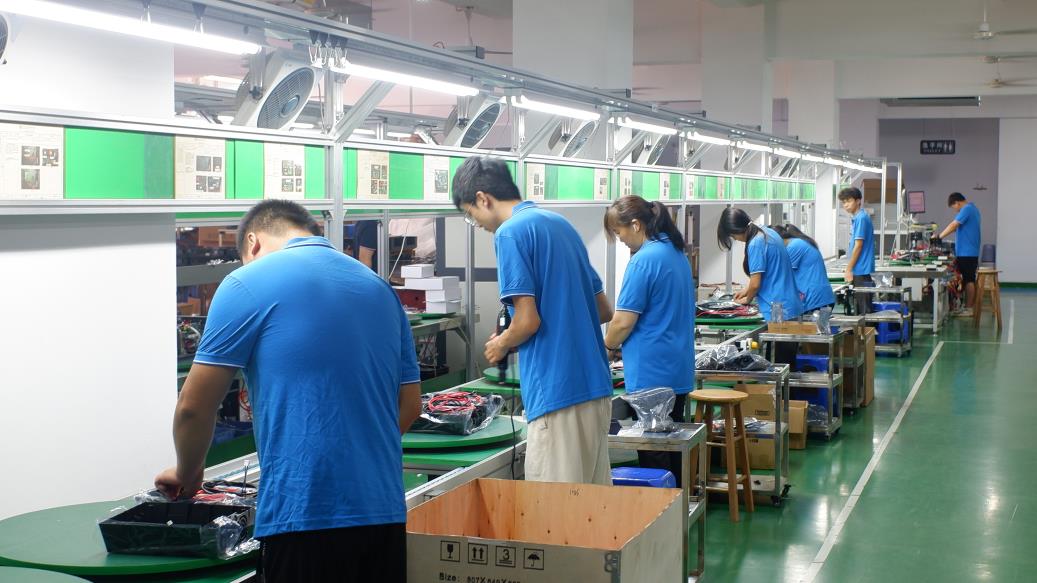
Deployable across various residential scales, medium businesses, utility sub-stations, and heavy off-grid mini-grids.
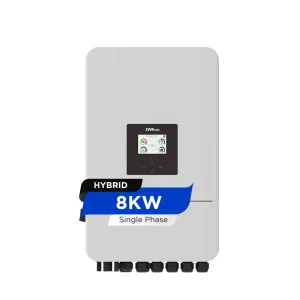
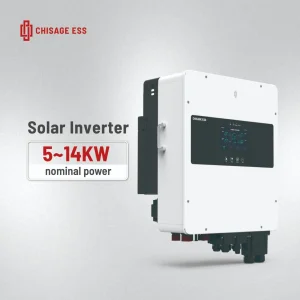
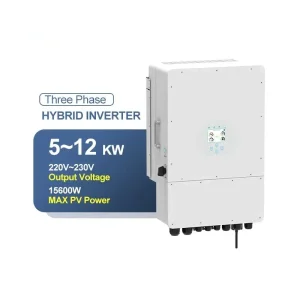
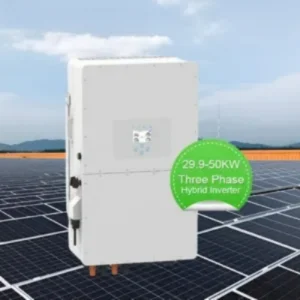
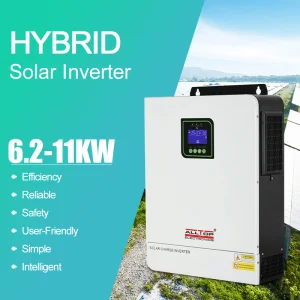
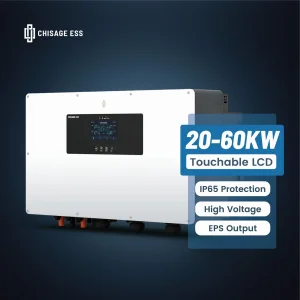
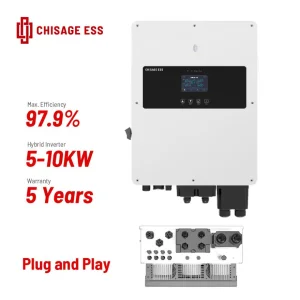
Global commercial and industrial procurement officers look closely at the Levelized Cost of Storage (LCOS). In Rwanda, this factor is heavily influenced by how effectively the hybrid inverter can protect the life cycle of lithium iron phosphate (LiFePO4) battery packs. Low-frequency inverters utilizing massive copper transformers offer superior transient handling, while high-frequency digital topologies offer peak MPPT conversion efficiencies exceeding 98%.
Our multi-source hybrid architecture supports standard Modbus/CAN bus communication protocols, integrating directly with the smart Battery Management Systems (BMS) of major international manufacturers. This mitigates overcharging and cell voltage drift in high ambient temperatures, protecting investments for years to come.
Modern C&I installations rely on High-Voltage battery topologies (exceeding 200V DC) to minimize cables sizes, reduce thermal stress, and lower systemic line conversion losses during heavy discharge cycles.
The on-board Energy Management System (EMS) dynamically chooses between PV generation, grid power, and battery backup depending on time-of-use tariffs, optimizing local utility consumption.
Find quick, authoritative technical answers regarding local grid integration and factory sourcing standards.
Our inverters feature wide input voltage ranges (typically 180V to 470V AC) and dynamic voltage stabilization. When the local REG grid experiences sudden voltage sags or spikes, the inverter instantly detaches from the utility grid in under 10 milliseconds, transferring critical industrial loads to solar and battery backup to prevent motor stall and device failure.
Yes, our industrial three-phase inverters support parallel stacking of up to 16 units on a single common microgrid network. This configuration enables developers to scale total capacity from 30kW up to several megawatts, meeting the heavy power needs of large-scale tea factories, manufacturing sites, and commercial office towers.
All systems support RS485, CAN bus, Wi-Fi, and GPRS connectivity. This enables local operators and international EPCs to monitor performance down to individual cell temperatures, log system efficiency data, and execute firmware upgrades remotely from anywhere in the world.
Purchasing directly from Shenzhen Yde Power Co., Ltd. eliminates middleman costs and guarantees original engineering support. By utilizing our integrated supply chains, automated SMT production, and direct shipping logistics, project owners save 20-35% on hardware acquisition costs while securing comprehensive factory warranties.
Whether you are setting up commercial microgrids in Kigali or industrial processing lines in Gisenyi, our engineering team can customize hybrid inverter configurations to match your exact electrical specifications.
Send Inquiry Now Yde Power