In the rapidly evolving renewable energy sector, the solar charge controller stands as the "brain" of any photovoltaic (PV) system. Whether it is a small-scale residential setup or a massive industrial energy storage complex, the ability to efficiently manage the flow of energy from panels to batteries determines the system's longevity and ROI. As global demand for "Net Zero" emissions intensifies, top-tier manufacturers and factories are pivoting towards AI-driven Maximum Power Point Tracking (MPPT) technologies and integrated energy management ecosystems.
While PWM (Pulse Width Modulation) remains cost-effective for small applications, modern industrial standards demand MPPT. Our research indicates that MPPT controllers provide up to 30% more energy harvest by operating the PV array at its optimal voltage, regardless of battery state or temperature fluctuations.
B2B buyers are no longer just looking for a component; they are seeking interoperability. Systems that can communicate via RS485, CAN, or WiFi with lithium batteries (BMS) are currently dominating the procurement requests from Europe and North America.
China has established an unparalleled dominance in the solar supply chain. Sources from leading Tier-1 factories offer more than just low costs; they provide innovation at scale. Here is why global enterprises choose Chinese manufacturing hubs like Shenzhen and Jiangxi:
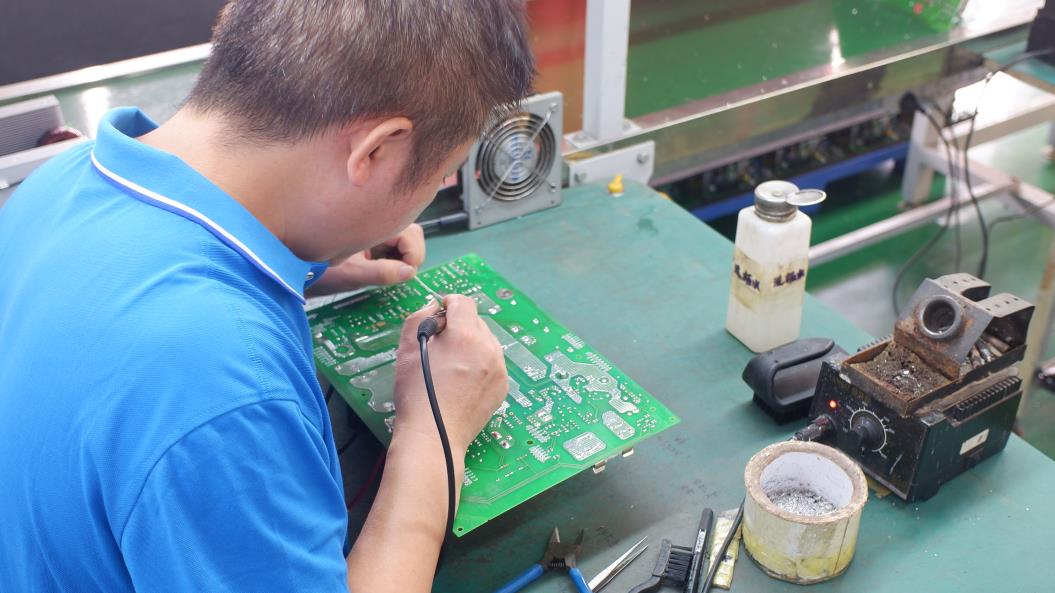
From raw semiconductor silicon to finished PCBA (Printed Circuit Board Assembly), the proximity of components in clusters like Shenzhen reduces lead times by 40% compared to international competitors.
Leading factories invest over 10% of annual revenue into R&D. This allows for rapid prototyping and the development of bespoke solutions for specific grid requirements in different regions (e.g., UL1741 for the US, CE for the EU).
High-volume production lines reduce the per-unit cost of advanced features like GaN (Gallium Nitride) switches, making high-efficiency controllers accessible for large-scale deployments.
Shenzhen Yde Power Co., Ltd. is a professional manufacturer specializing in residential, commercial, and industrial energy storage systems (ESS). Headquartered in Shenzhen, China, the company integrates research and development, production, sales, and service to deliver comprehensive clean energy solutions to global markets.
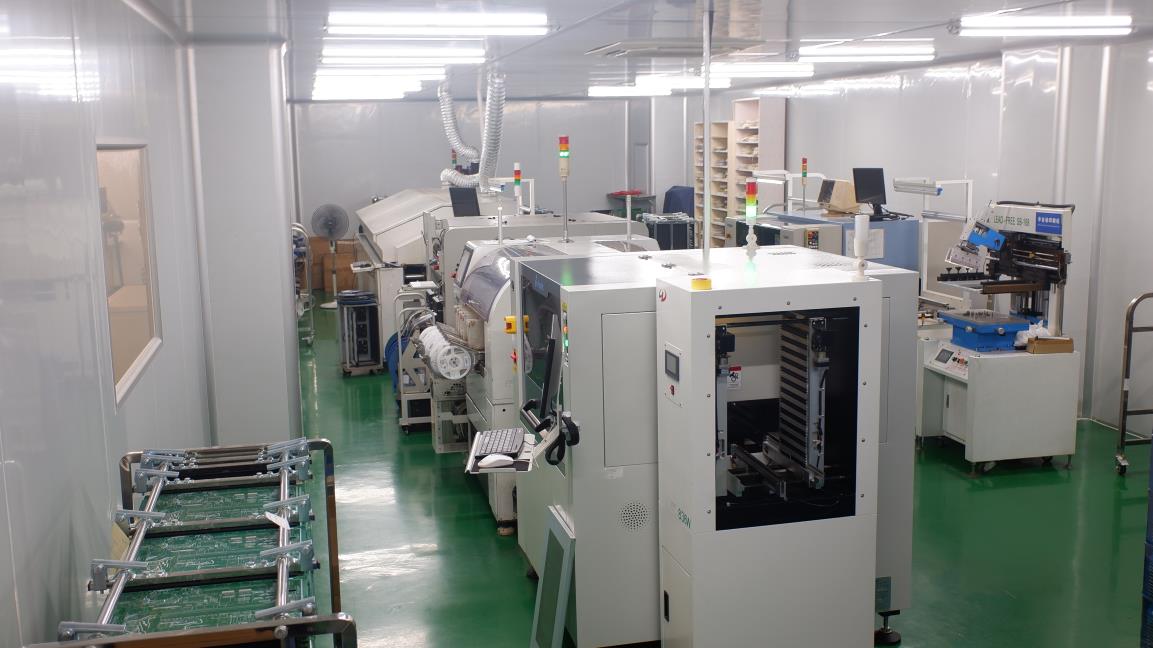
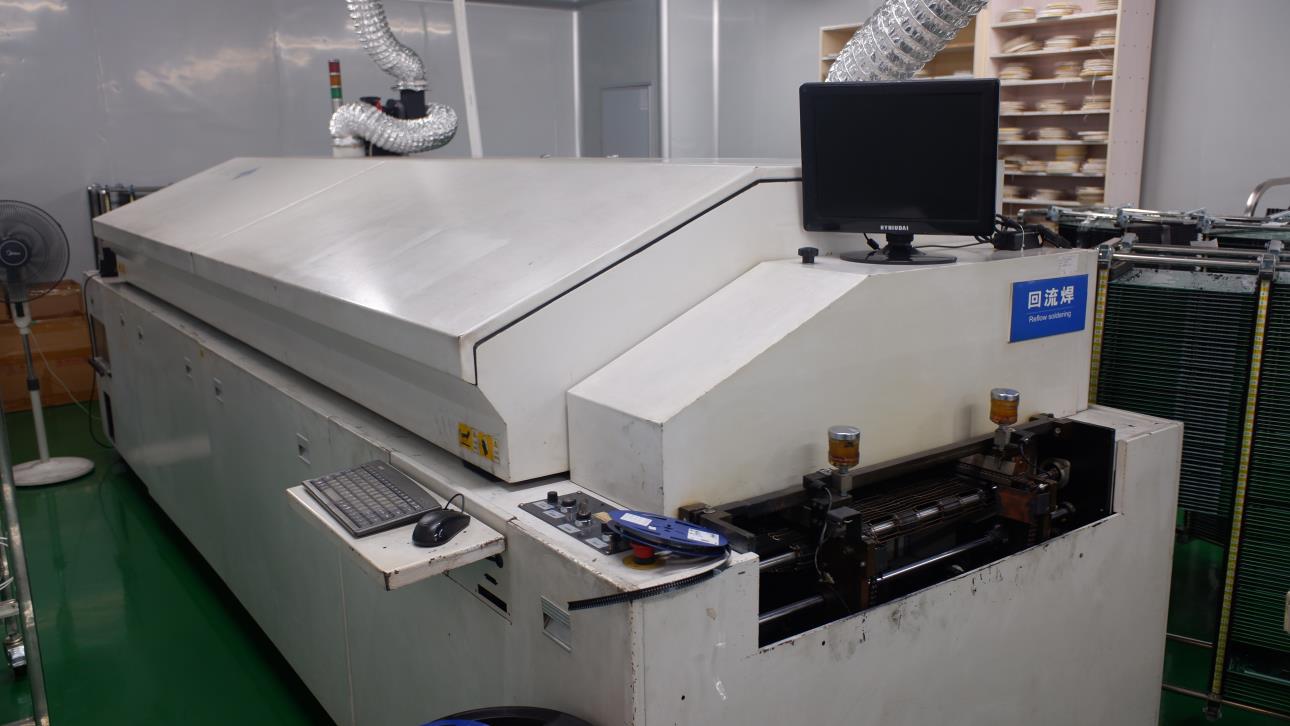
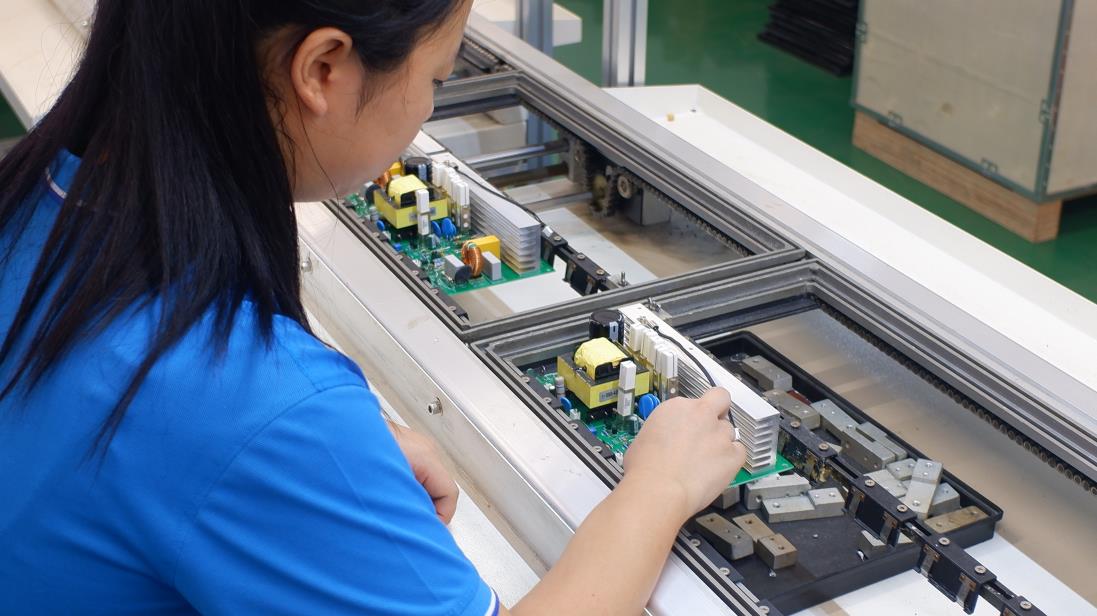
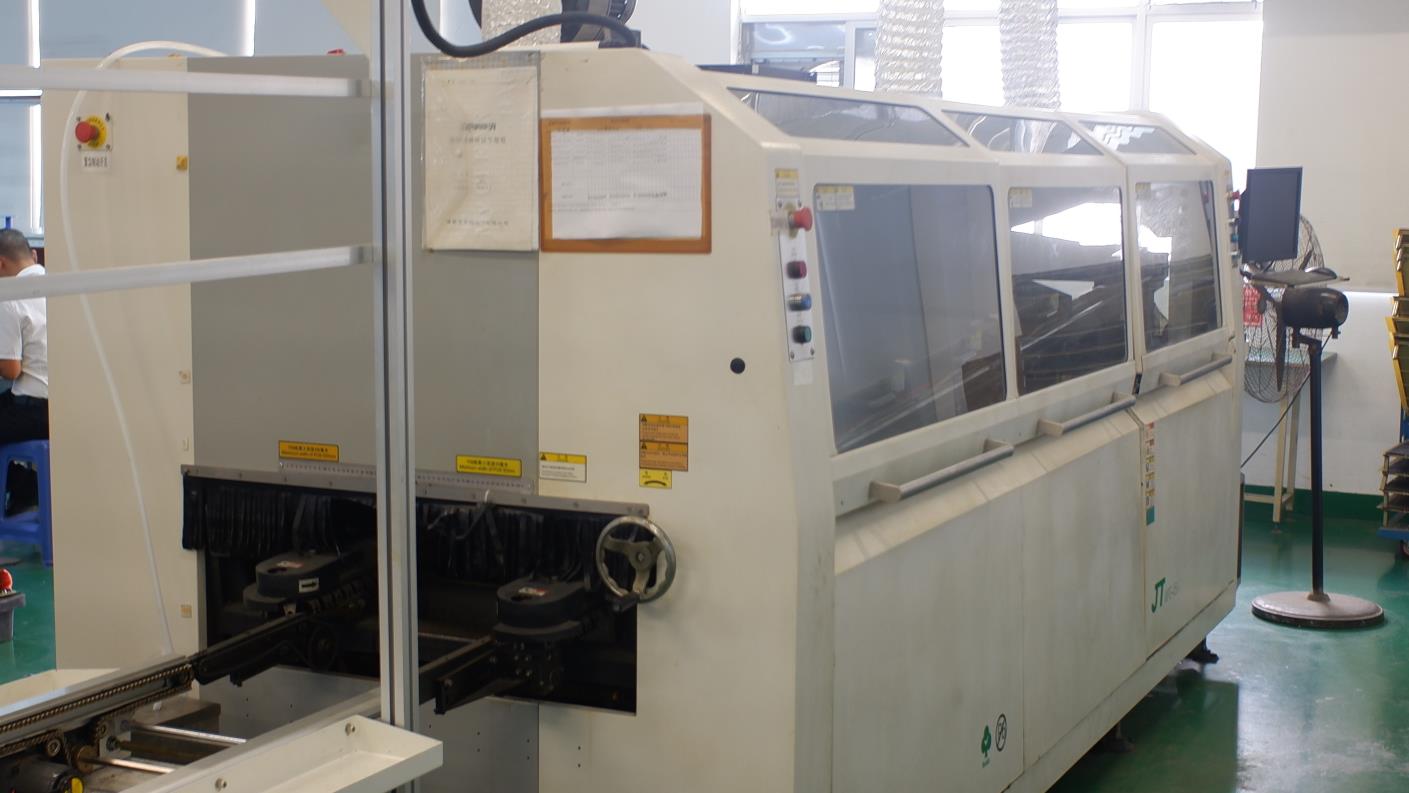
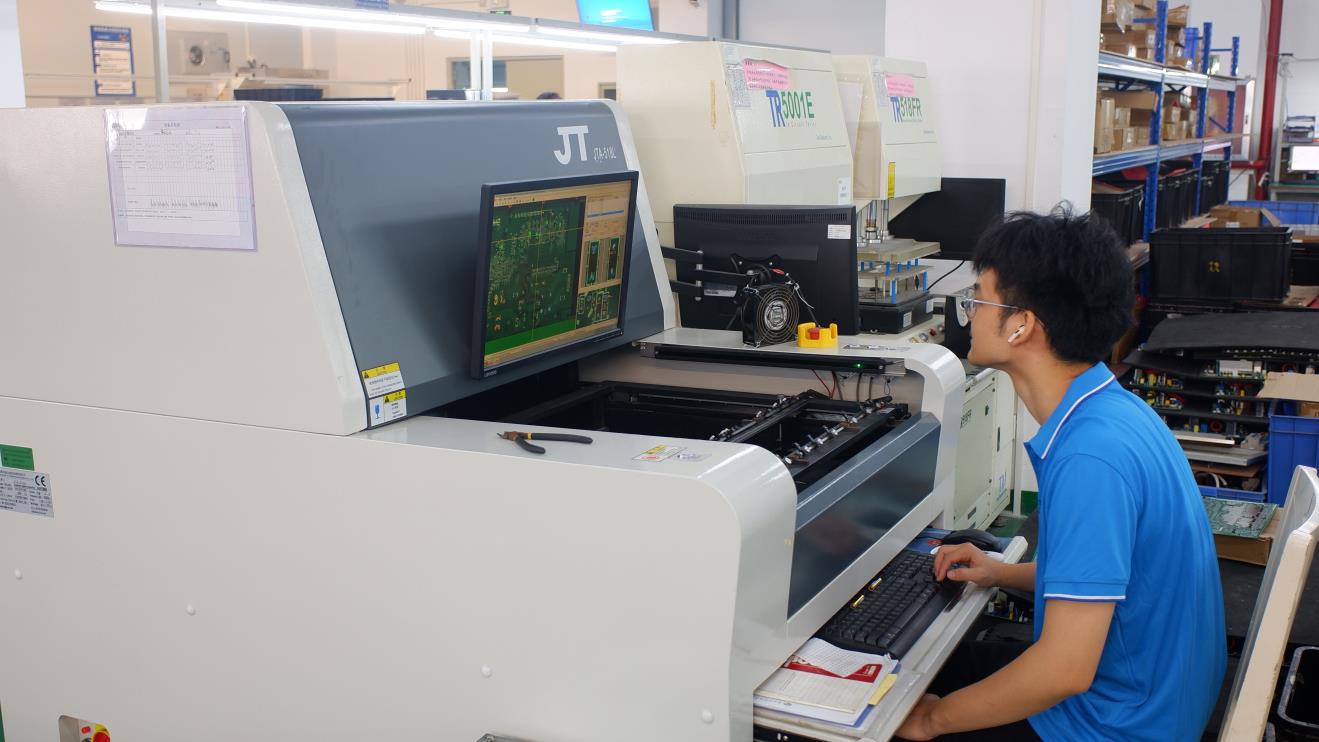
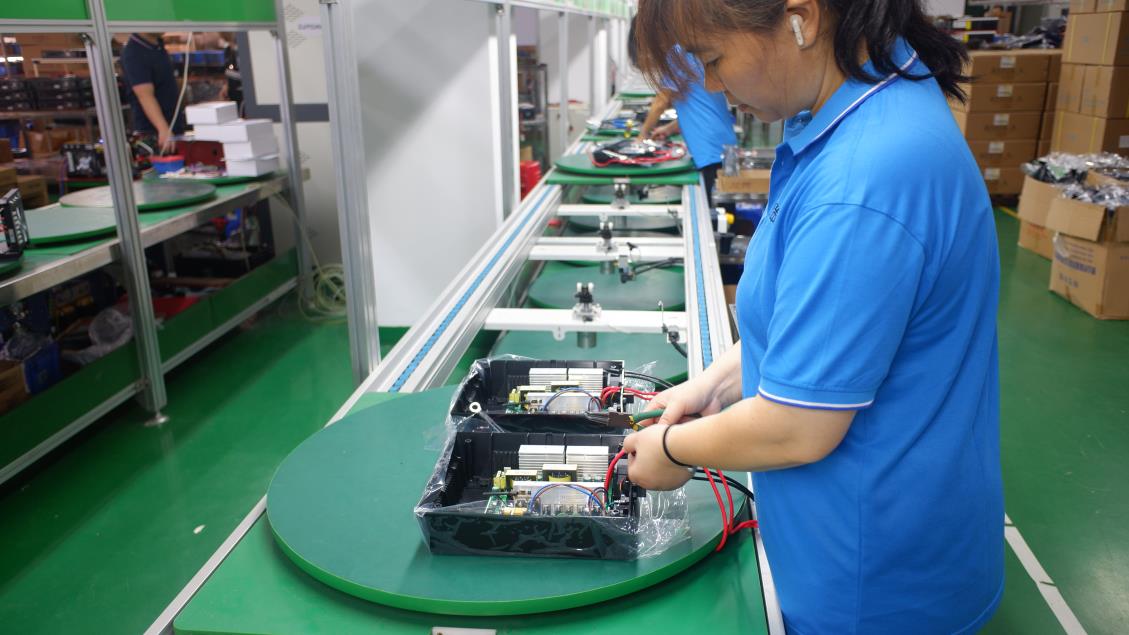
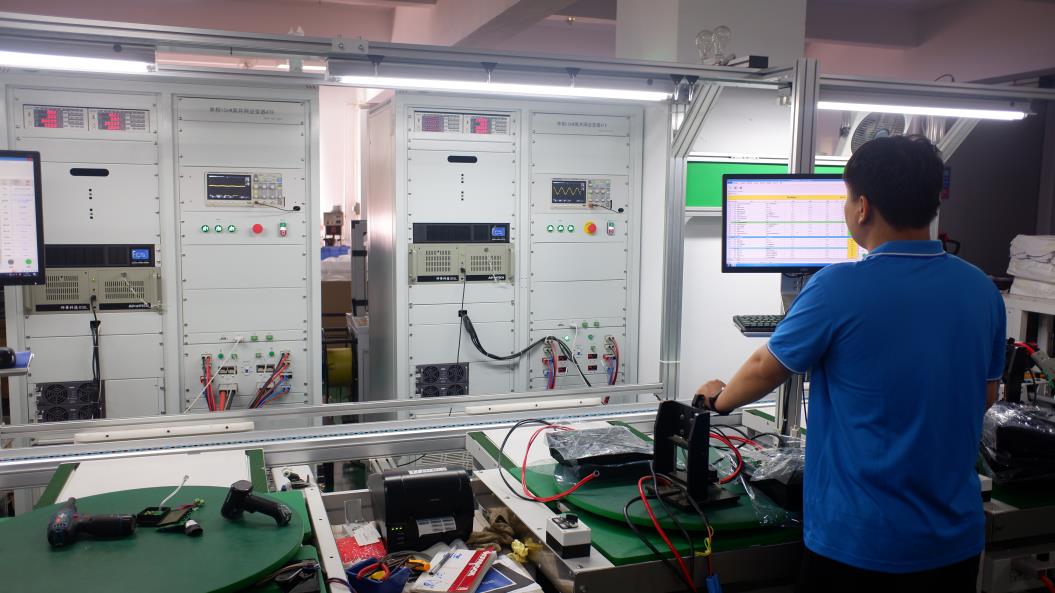
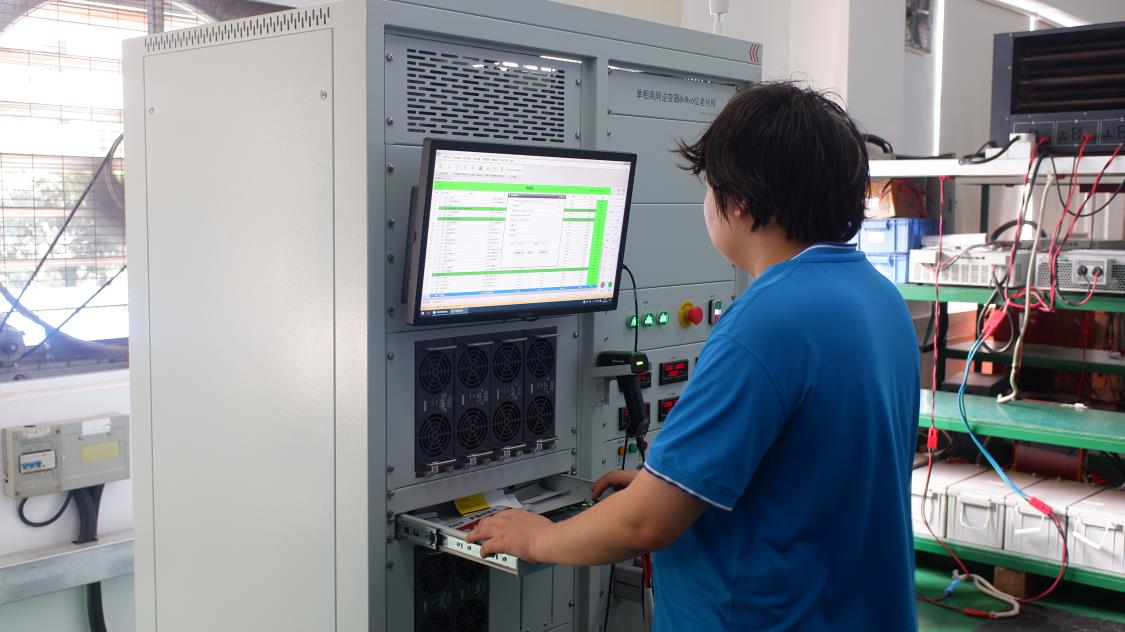
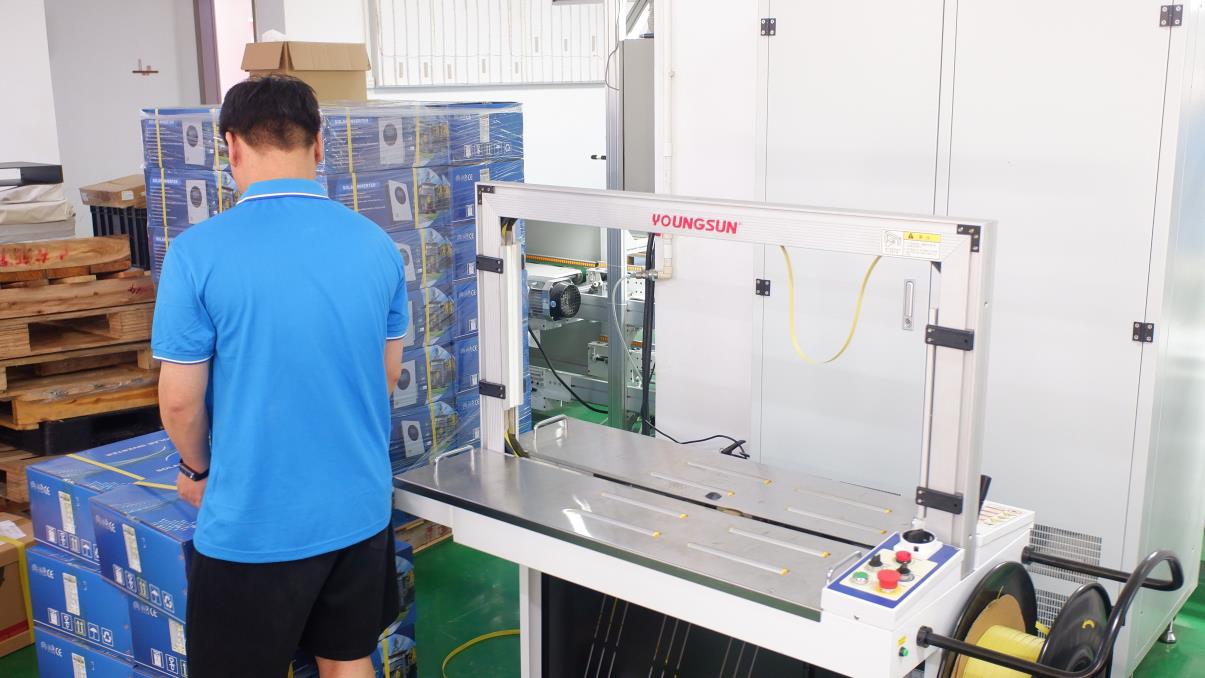
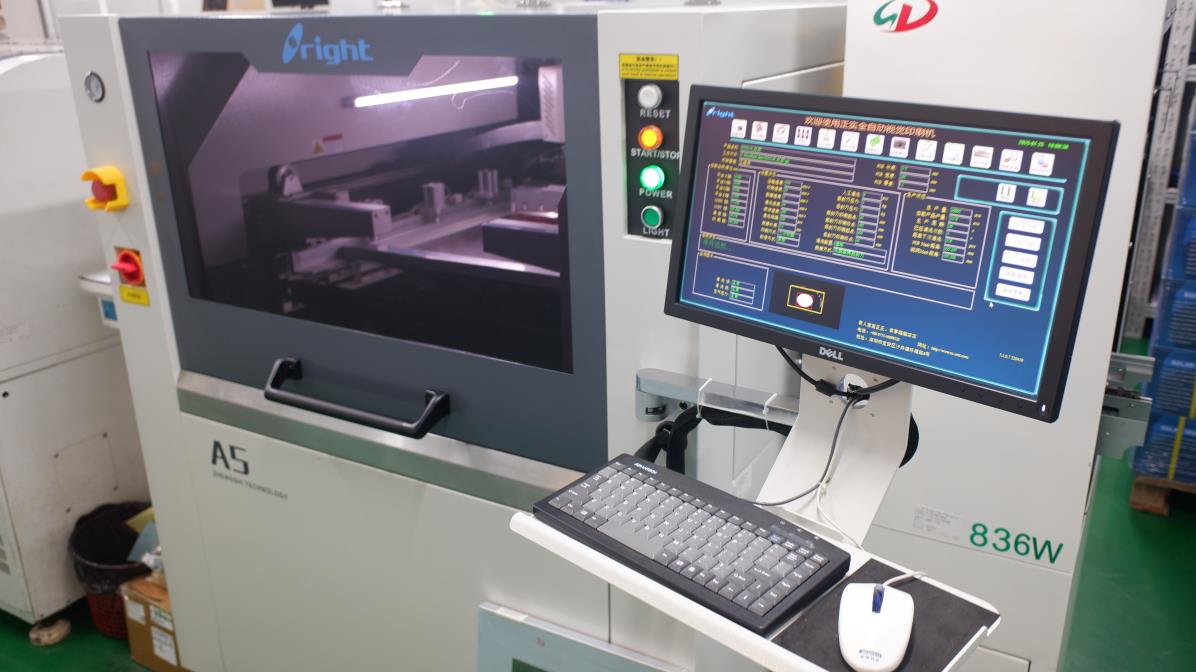
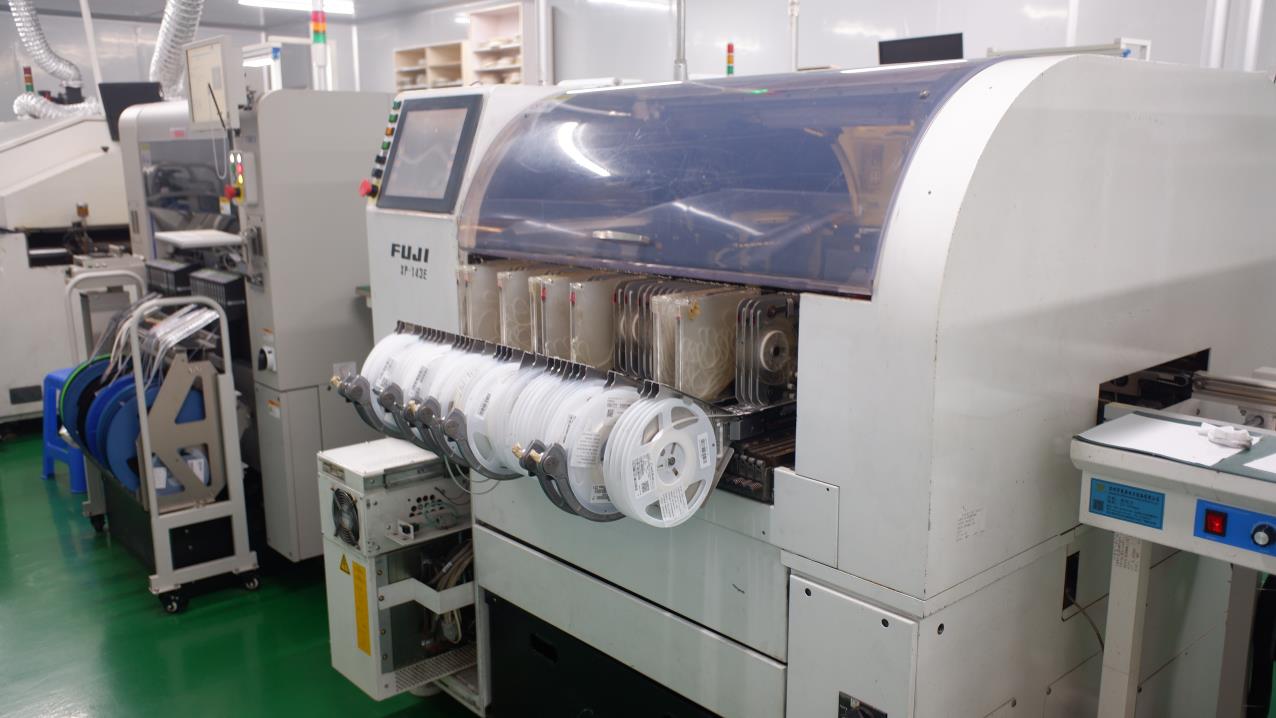
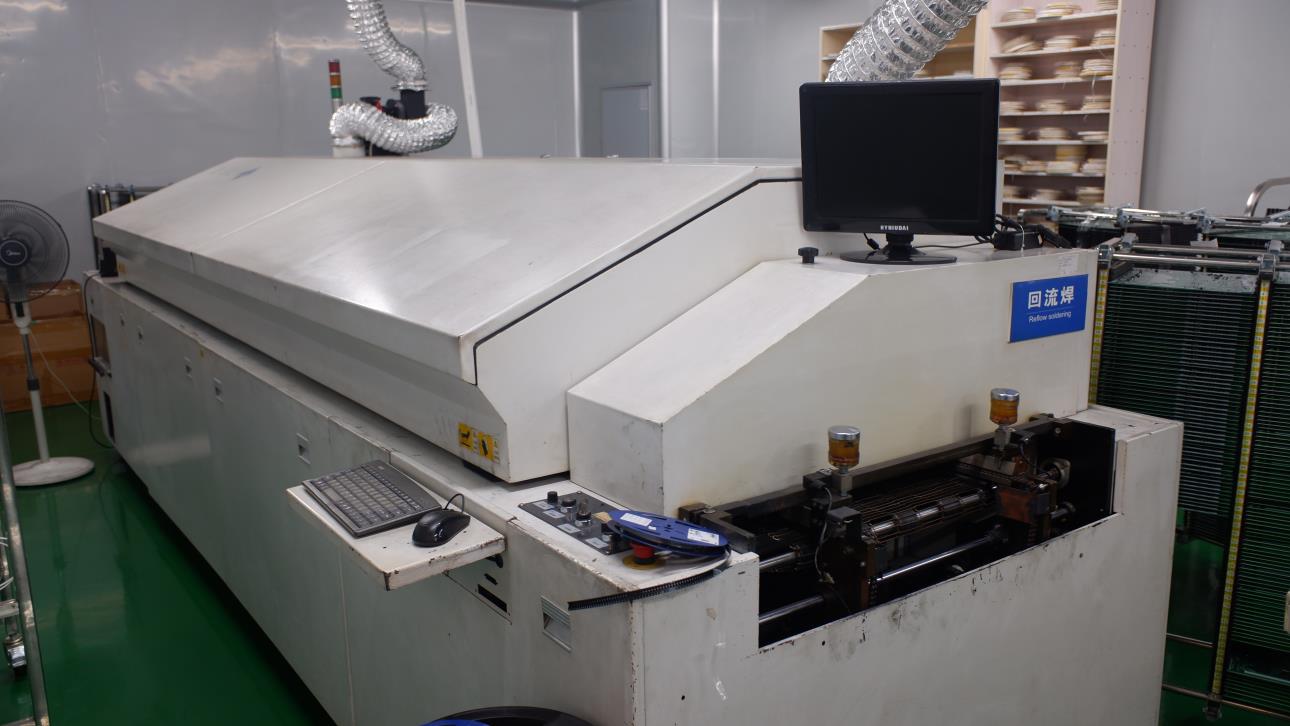
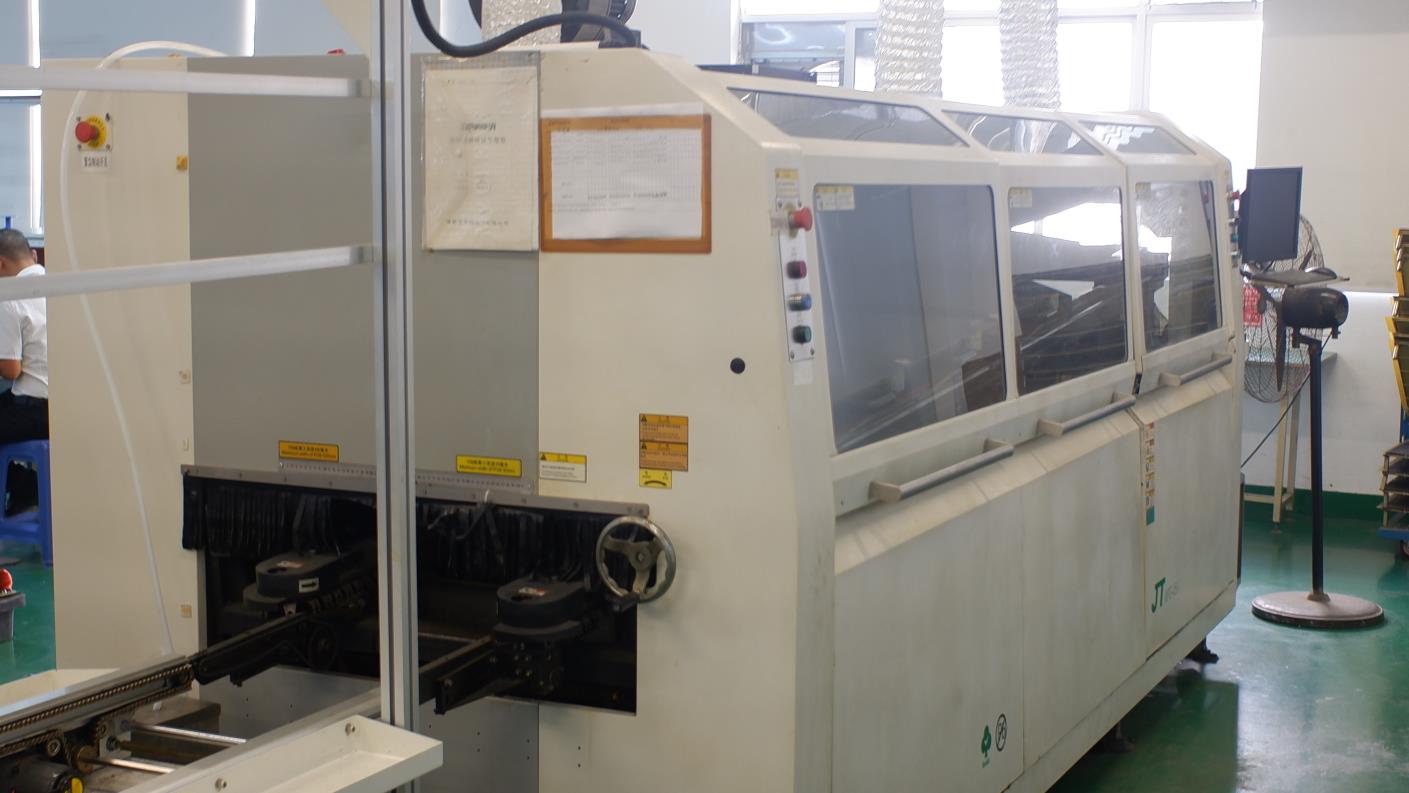
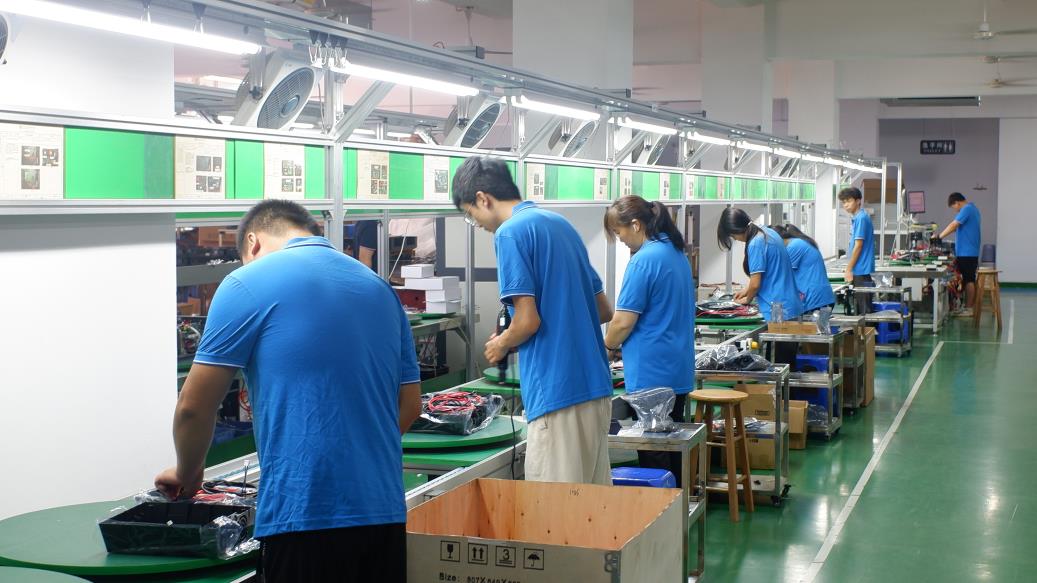
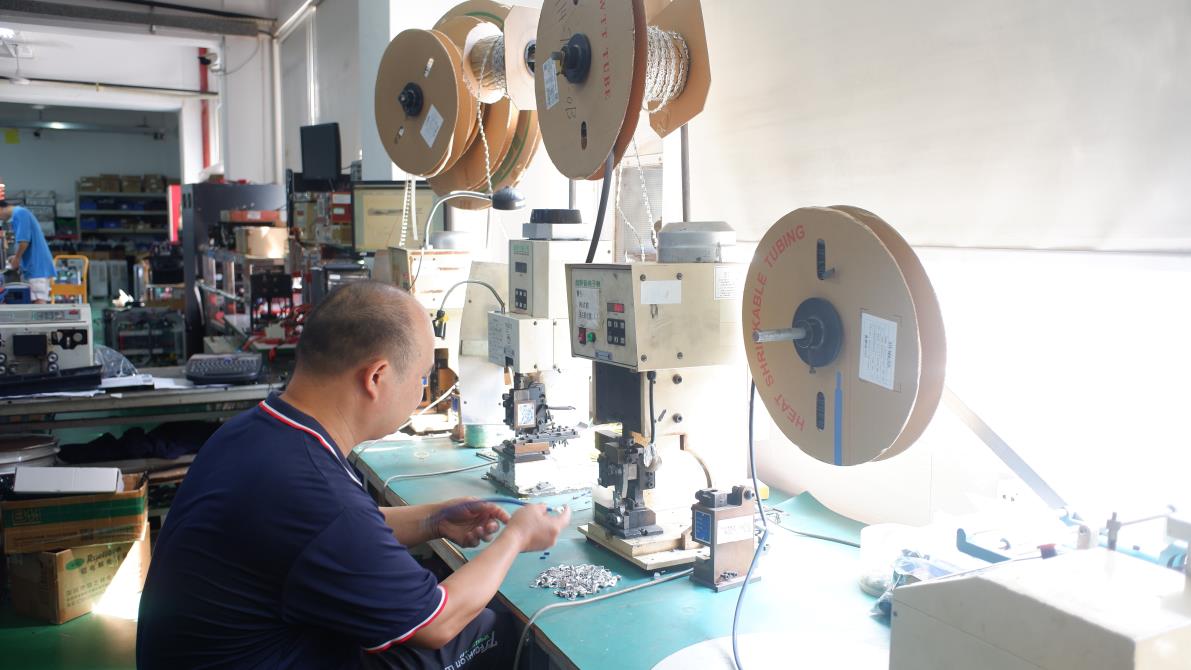
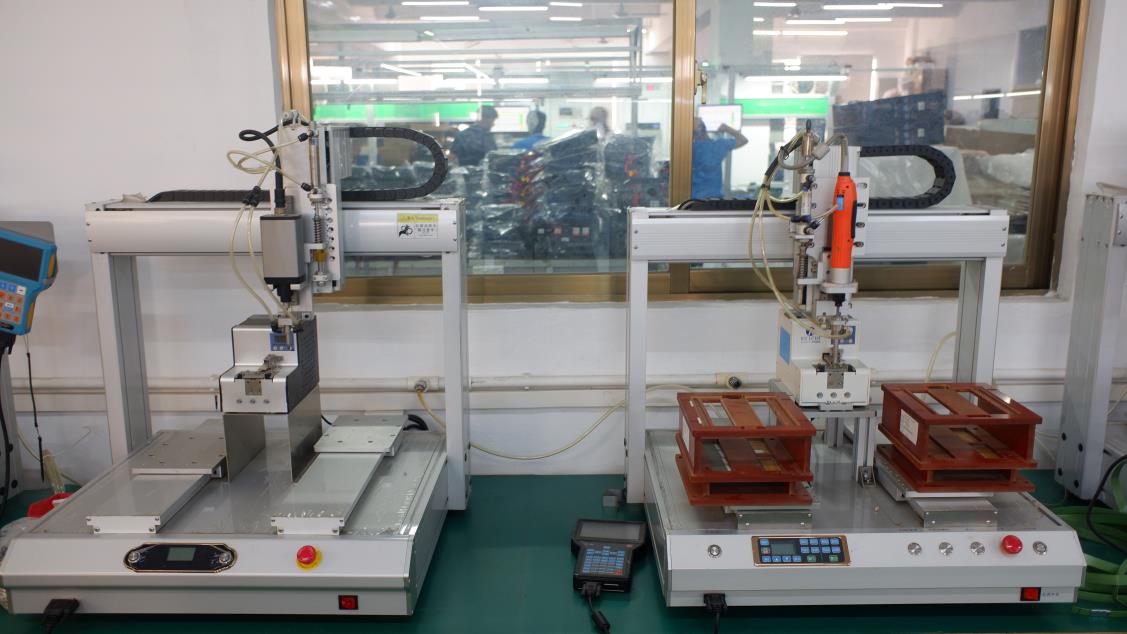
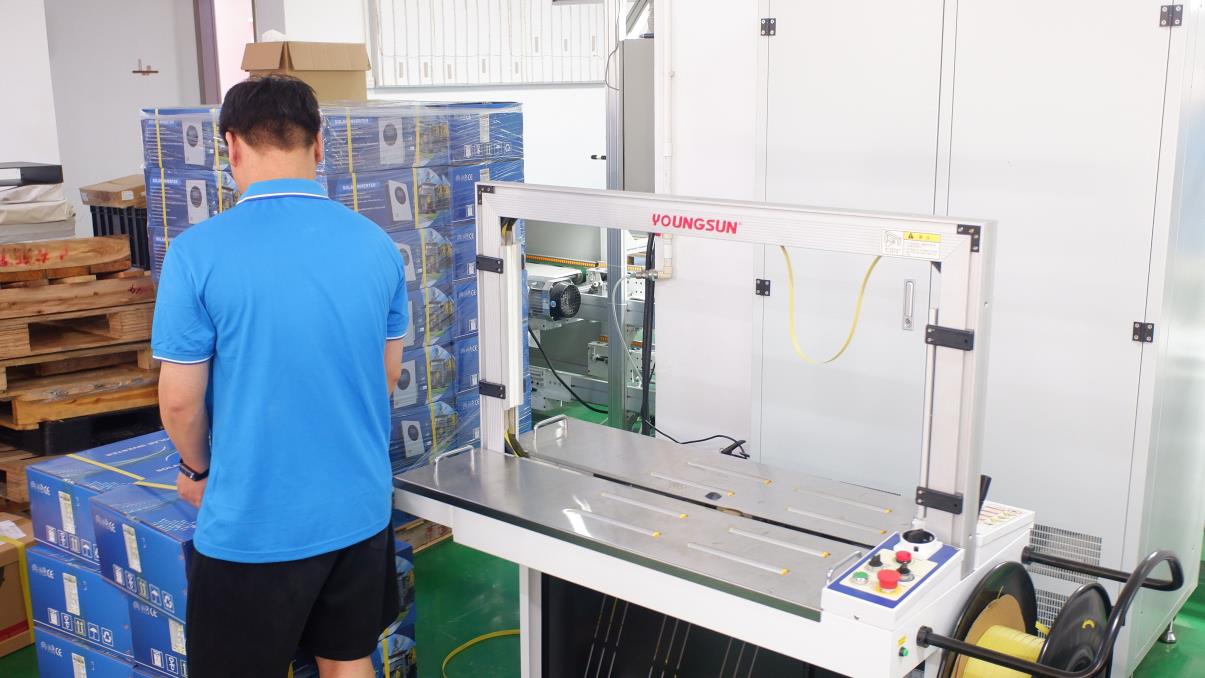
In addition to its headquarters in Shenzhen, Yde Power operates a modern ISO9001-certified manufacturing facility in Jiangxi Province, equipped with advanced automated production lines and stringent quality control systems. The company also maintains a dedicated R&D center in Shenzhen, focusing on continuous innovation in battery management systems (BMS), system integration, and intelligent energy optimization technologies.
Machine learning algorithms are now being embedded into charge controllers to predict weather patterns and adjust charging curves dynamically, extending battery life by up to 15%.
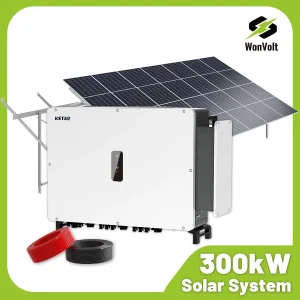
Commercial sectors are moving toward HVDC systems (up to 1500V) to minimize transmission losses. Top factories are now producing high-voltage MPPTs to support these mega-projects.
Manufacturers are shifting from product sellers to solution providers, offering Virtual Power Plant (VPP) compatibility to help businesses monetize excess stored energy.
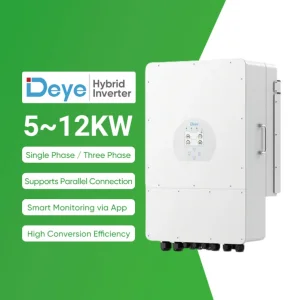
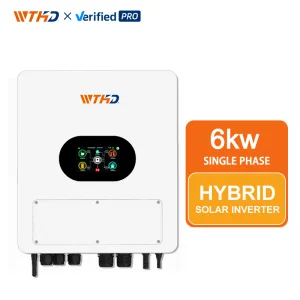
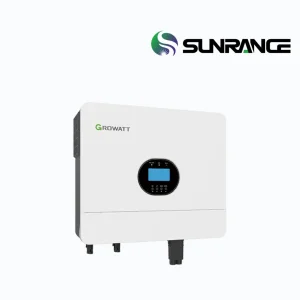
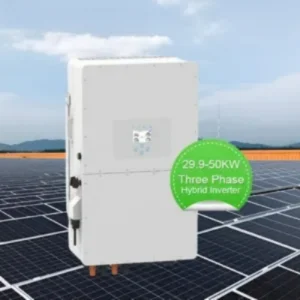
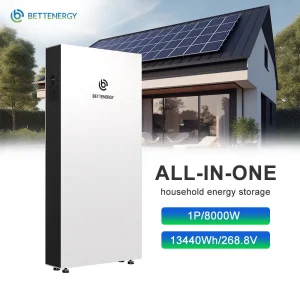
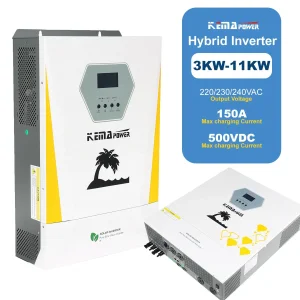
In regions with unstable grids (e.g., parts of Africa, SE Asia), hybrid inverters with integrated MPPT controllers provide seamless backup power for homes.
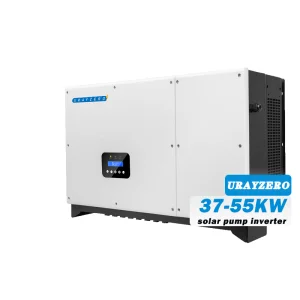
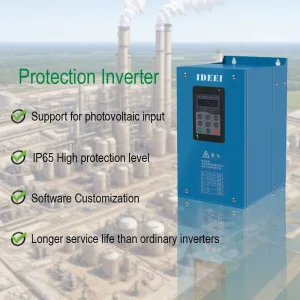
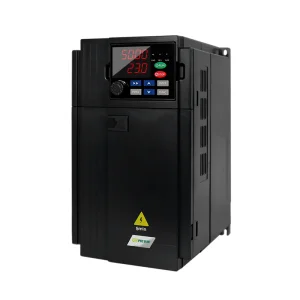
Solar water pump inverters allow farmers to irrigate fields without relying on expensive diesel generators, significantly lowering operational costs and carbon footprints.
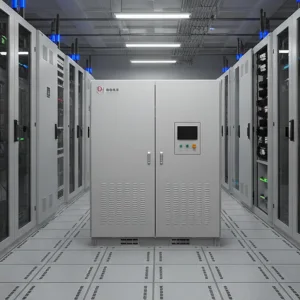
Factories use large-scale solar charge controllers to store energy during off-peak hours and discharge during peak tariff periods, saving thousands in monthly utility bills.
 Yde Power