In the era of decentralized energy, Smart Load Management (SLM) has transitioned from a luxury to a necessity. As global power grids face unprecedented stress from Electric Vehicle (EV) adoption and the integration of intermittent renewable sources, the ability to intelligently balance supply and demand is critical. China's manufacturing sector, led by pioneers like Shenzhen Yde Power Co., Ltd., is at the forefront of this revolution, combining advanced AI algorithms with robust power electronics.
Real-time monitoring of total household or industrial power consumption. DLB automatically adjusts the output of energy assets (like EV chargers or HVAC systems) to prevent circuit overloads without upgrading expensive infrastructure.
By leveraging Energy Storage Systems (ESS), users can discharge stored energy during peak tariff hours and recharge during off-peak periods, drastically reducing operational costs.
Advanced SLM systems act as nodes within Virtual Power Plants, allowing commercial and residential users to participate in grid frequency regulation and demand-response programs.
China's dominance in the SLM sector is not merely about cost—it is about vertical integration and R&D velocity. From lithium battery cell production to the software design of complex Building Management Systems (BMS), the "Greater Bay Area" (Shenzhen/Huizhou/Dongguan) ecosystem allows for rapid prototyping and mass scaling.
For global procurement managers, the biggest hurdle is often "Grid Code Compliance." A product that works in Shanghai may not meet the stringent requirements of Germany's VDE or Australia's AS4777. Top Chinese suppliers now offer:
Full suite of international standards: UL 1973/9540 for North America, IEC 62619 for Europe, and CE-EMC/LVD for global markets. Compliance with these ensures seamless customs clearance and local utility approval.
Leading factories like Yde Power establish regional hubs for FAE (Field Application Engineering) support, providing firmware updates and remote troubleshooting via cloud-based EMS (Energy Management Systems).
Control systems and mobile apps (Tuya/Smart Life integrations) supporting 20+ languages and localized UI/UX to match regional consumer behavior.
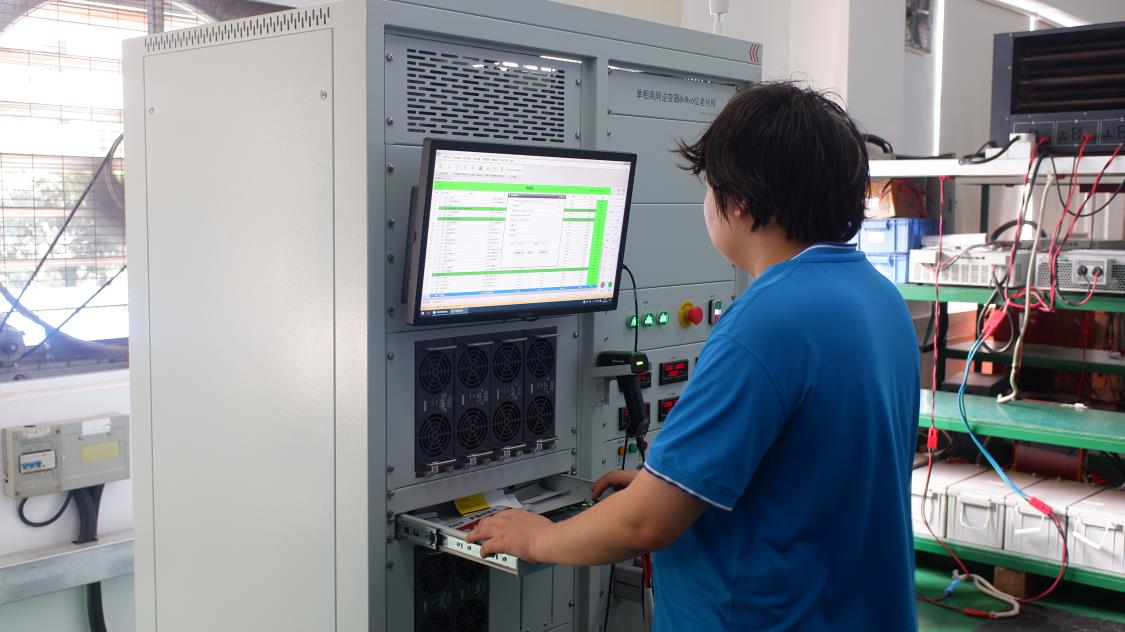
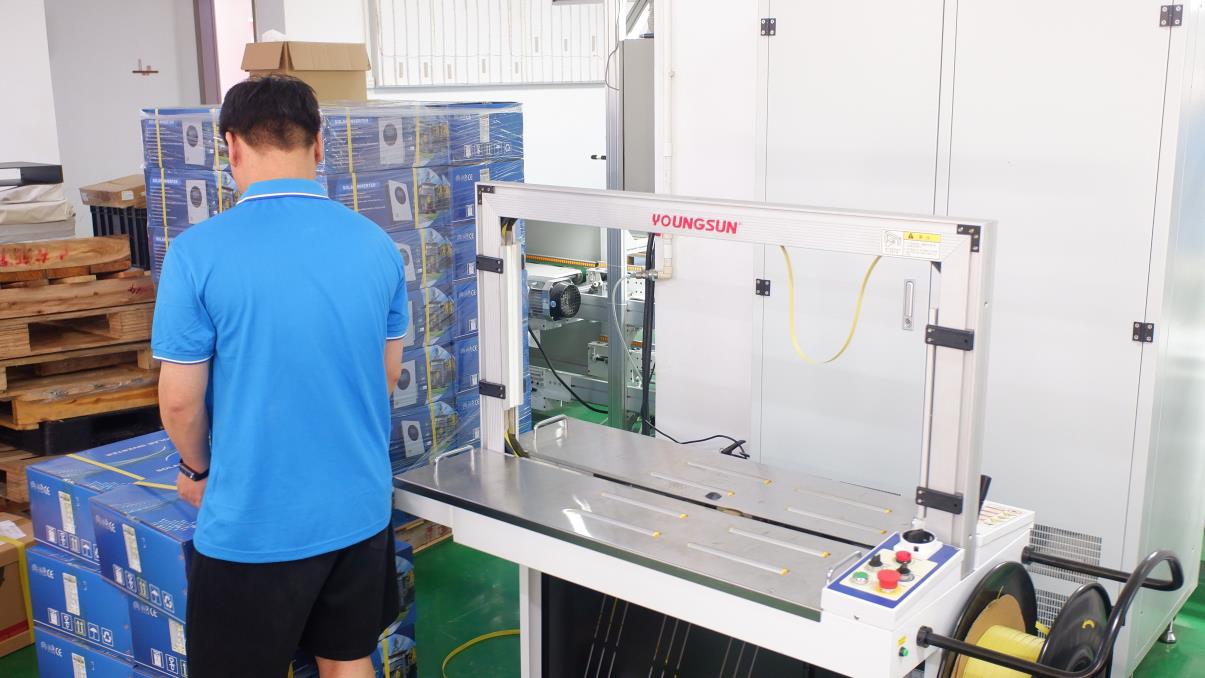
Shenzhen Yde Power Co., Ltd. is a professional manufacturer specializing in residential, commercial, and industrial energy storage systems (ESS). Headquartered in Shenzhen, China, the company integrates research and development, production, sales, and service to deliver comprehensive clean energy solutions to global markets.
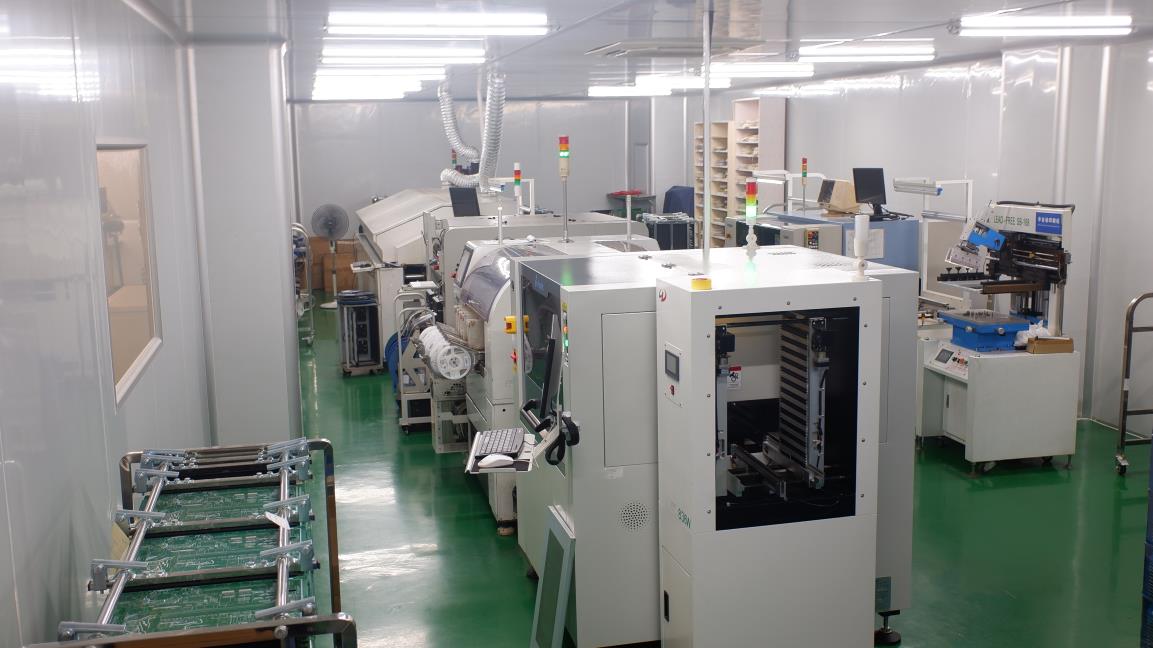
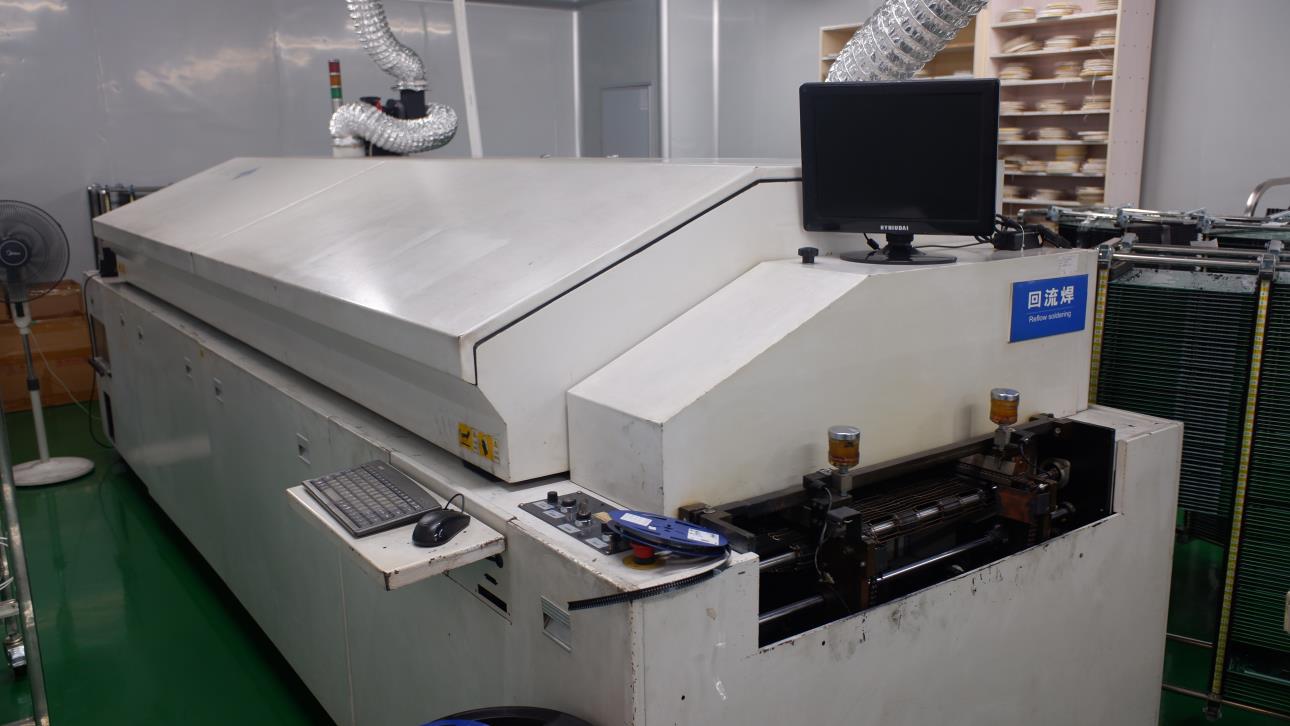
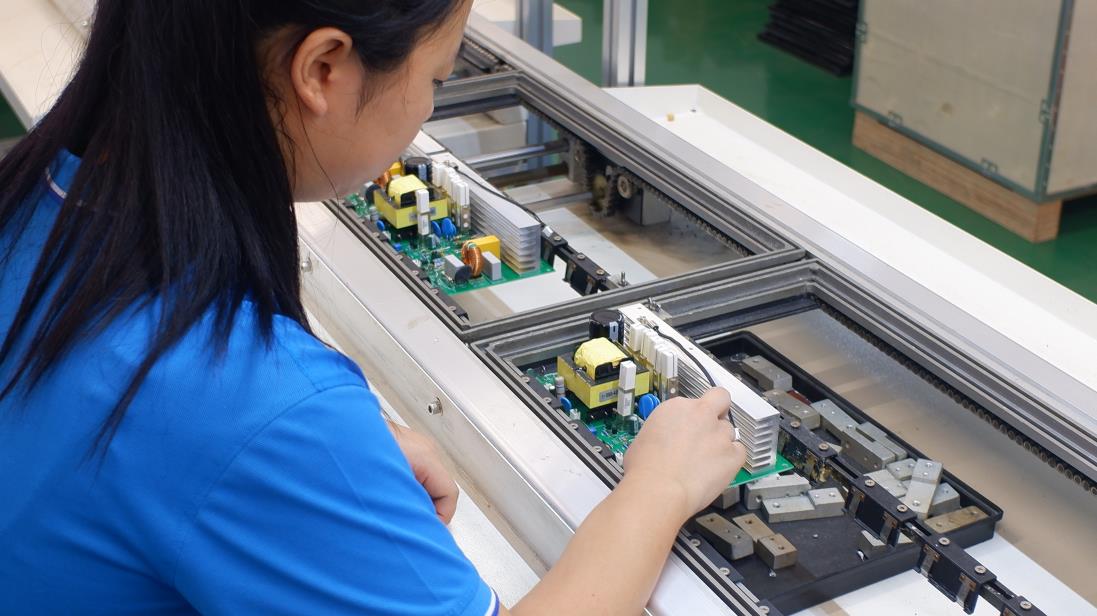
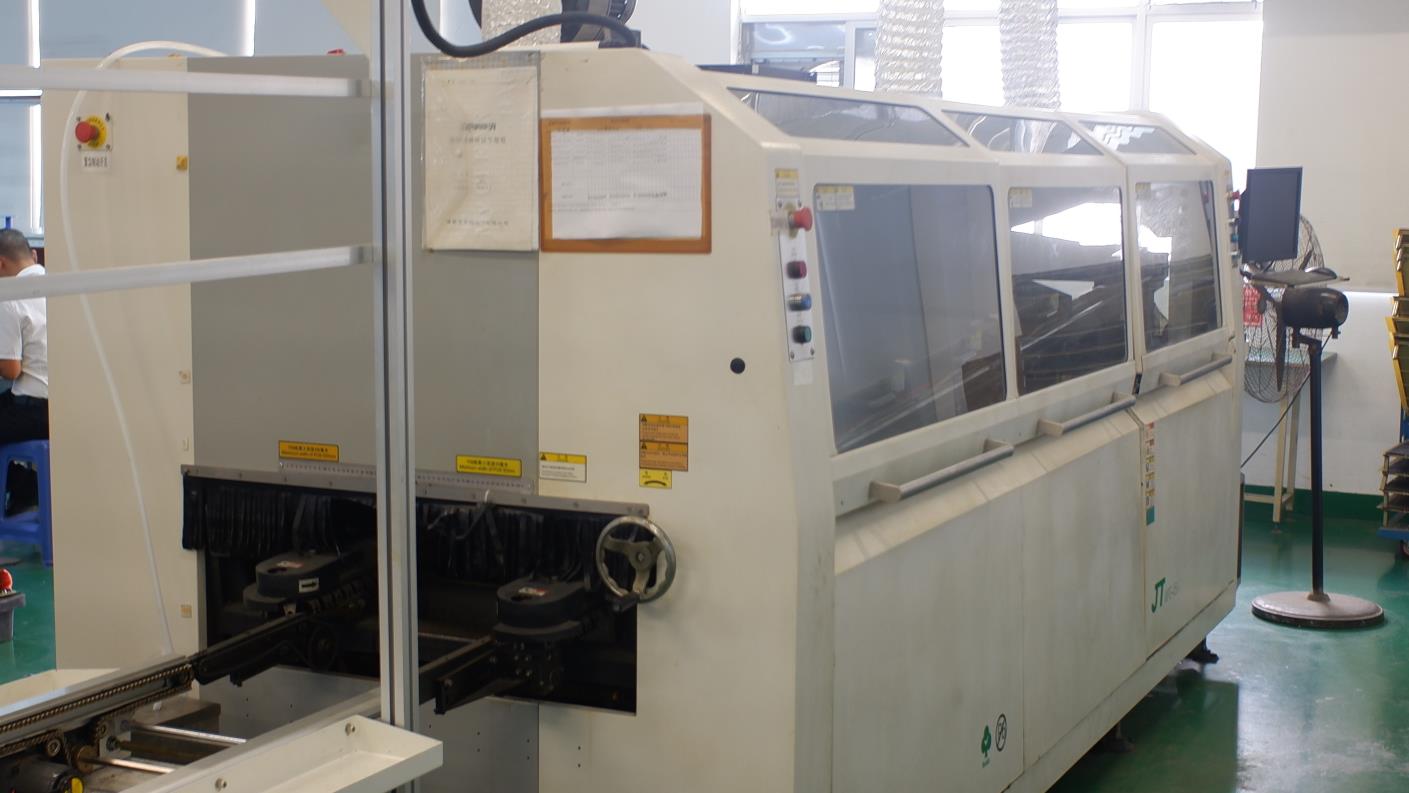
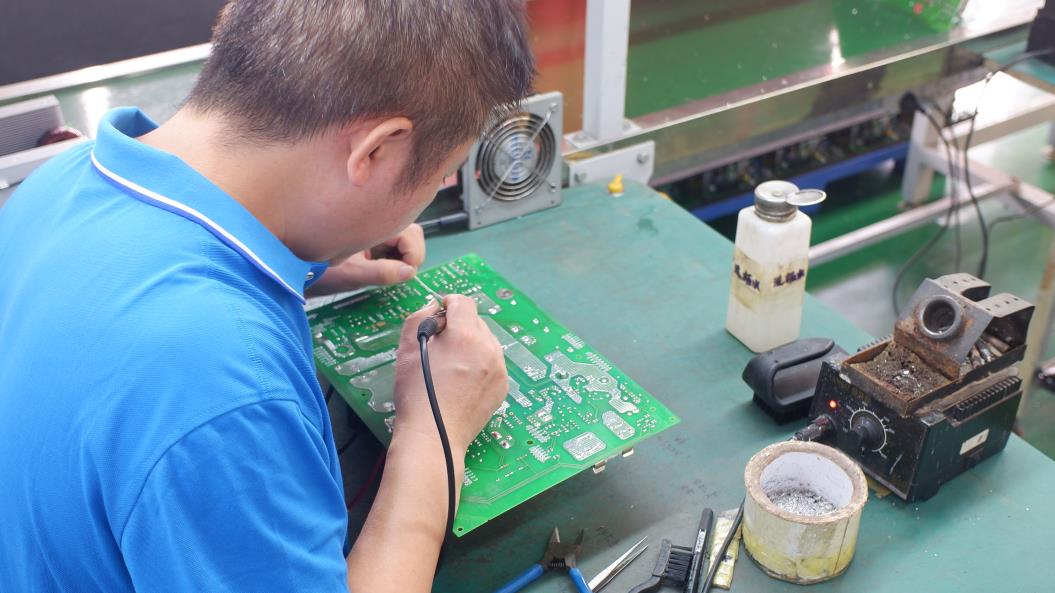
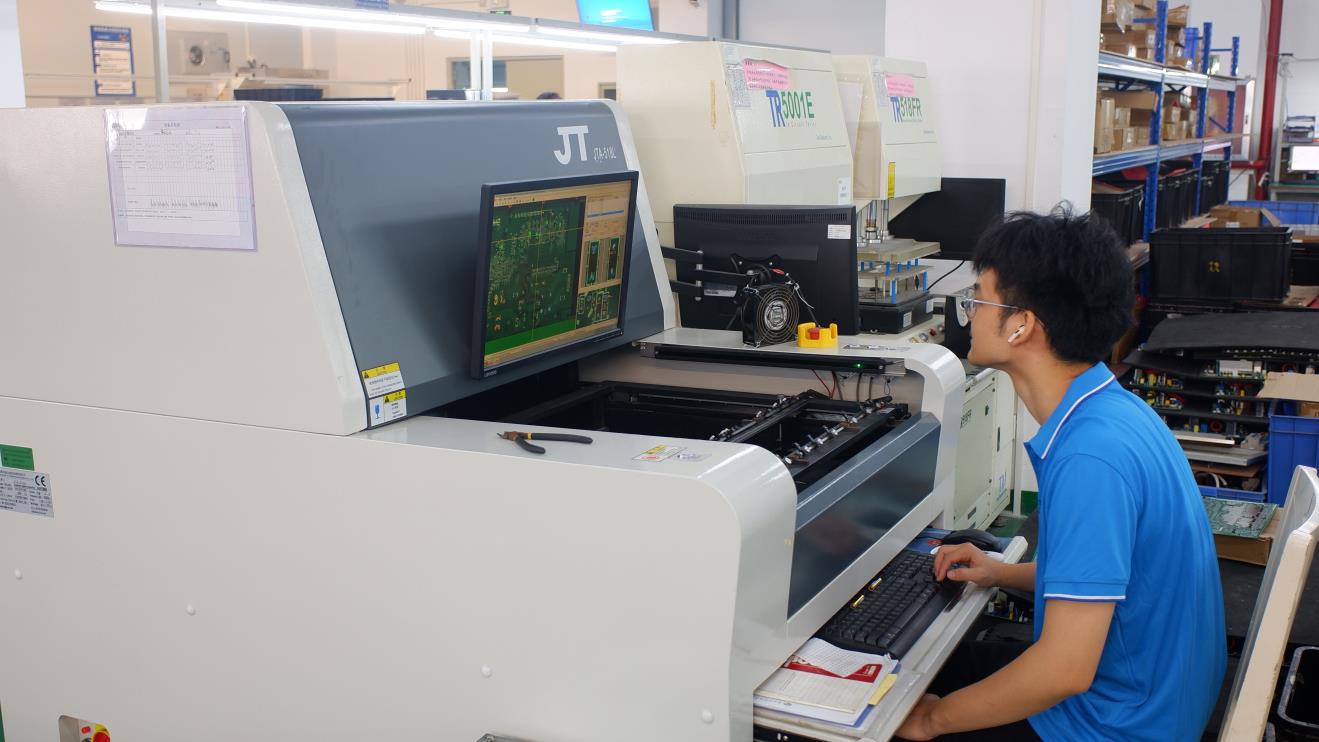
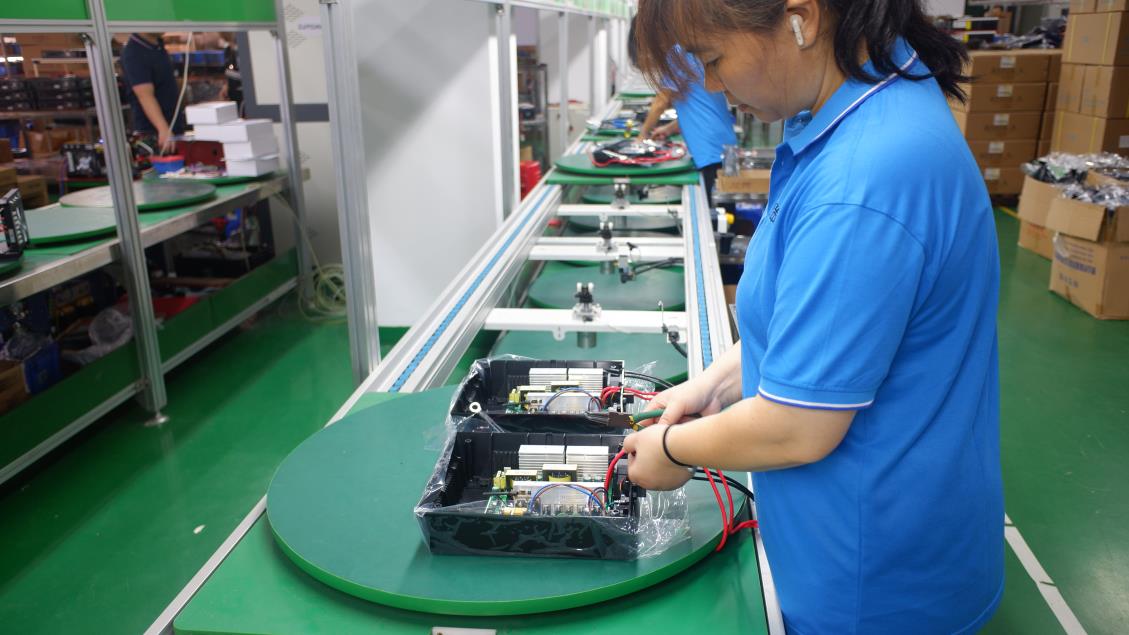
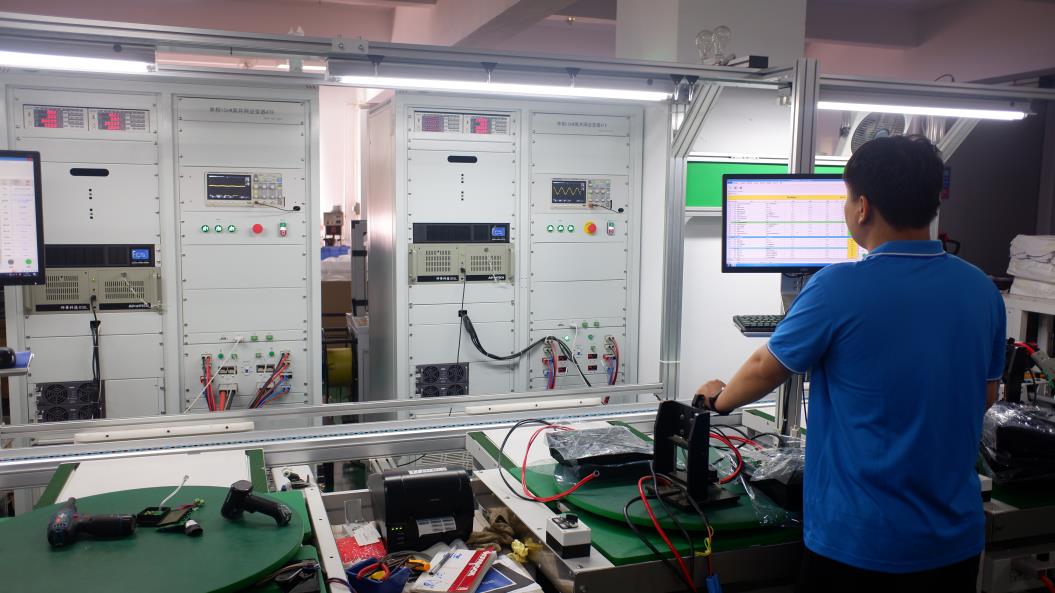
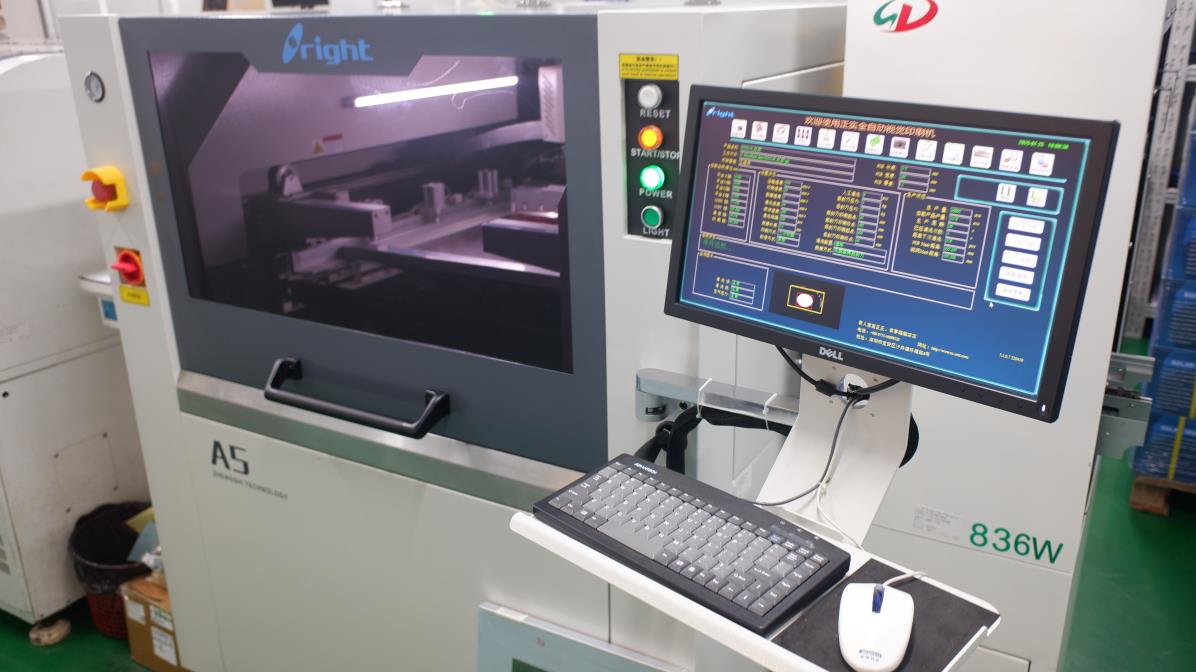
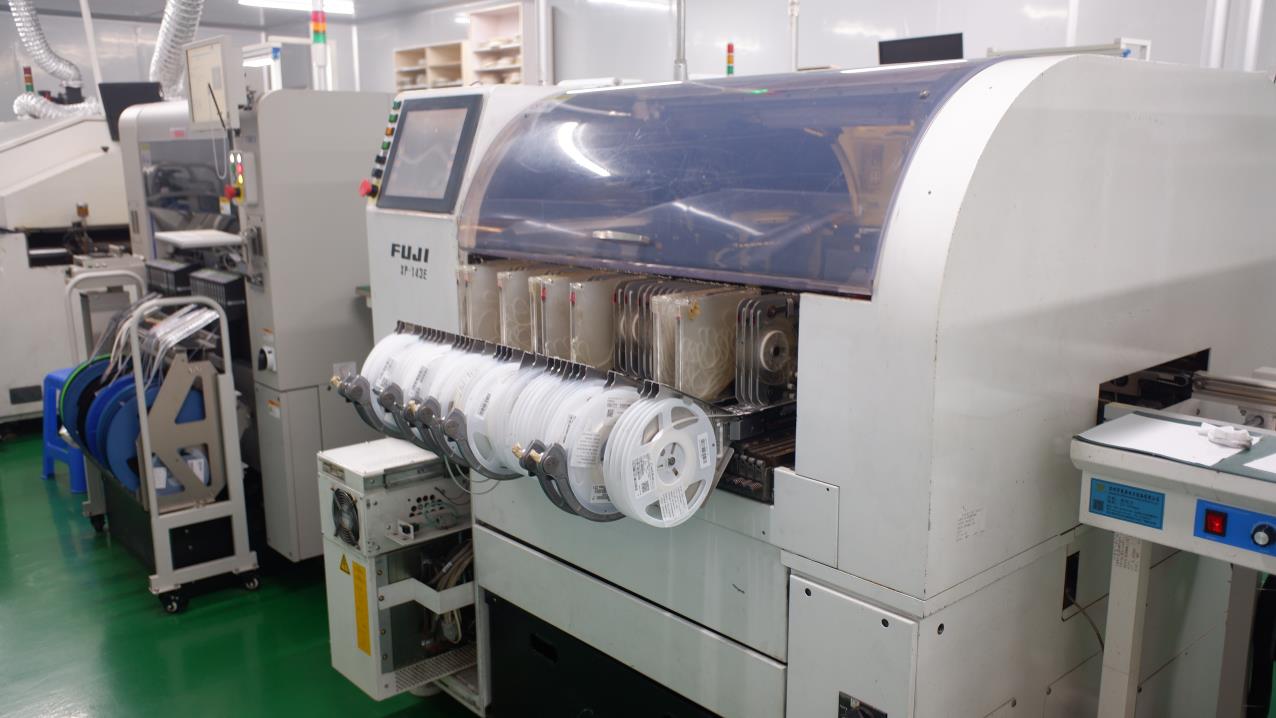
In addition to its headquarters in Shenzhen, Yde Power operates a modern ISO9001-certified manufacturing facility in Jiangxi Province, equipped with advanced automated production lines and stringent quality control systems. The company also maintains a dedicated R&D center in Shenzhen, focusing on continuous innovation in battery management systems (BMS), system integration, and intelligent energy optimization technologies.
Machine learning models that analyze weather patterns and historical usage to predict tomorrow's solar yield and adjust load schedules autonomously.
Using the EV battery as a mobile energy source to supply power back to the home or grid during shortages, managed by bi-directional SLM controllers.
The transition from LiFePO4 to solid-state energy storage for higher safety and energy density in urban load management scenarios.
Maximizing solar usage by diverting excess energy to water heaters or pool pumps before exporting to the grid.
Avoiding "Demand Charges" by capping the factory's peak draw through intelligent load shedding of non-essential machinery.
Combining rooftop PV, battery storage, and EV charging stations into a unified managed ecosystem for office complexes.
Load management refers to the general control of consumption to meet supply, while Load Balancing specifically refers to distributing the electrical load evenly across phases or multiple charging stations to prevent local circuit failure.
Leading suppliers utilize TLS encryption for all cloud communications and offer local-only "offline" modes for sensitive industrial applications, ensuring data sovereignty.
Most advanced Chinese inverters and SLM controllers support standardized CAN and RS485 communication protocols, allowing for high interoperability with Tier-1 battery brands like Pylontech, BYD, and more.
Depending on local electricity price volatility and peak-demand surcharges, most C&I clients see a full return on investment within 3 to 5 years through energy bill savings and avoided infrastructure upgrades.
 Yde Power