High-efficiency Tier-1 solutions for residential and industrial scalability.
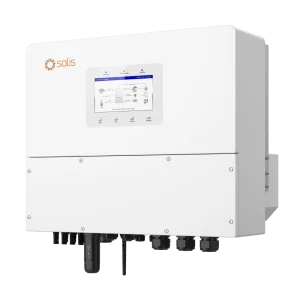
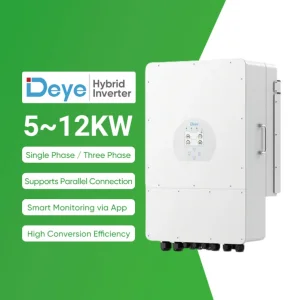
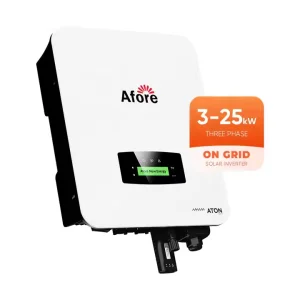
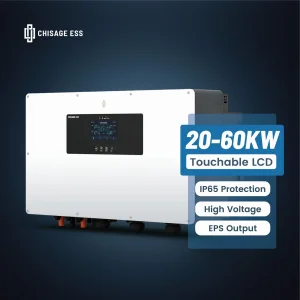
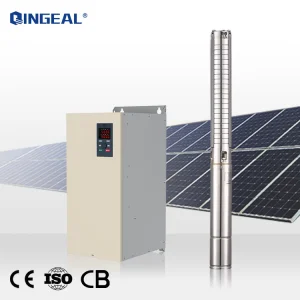
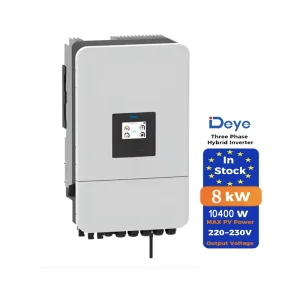
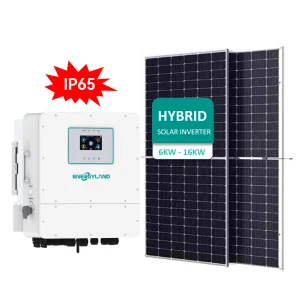
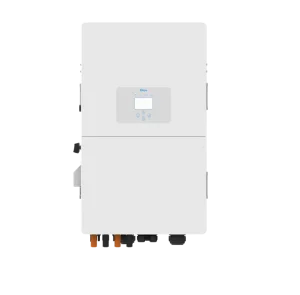
In the rapidly transforming global energy landscape, a Solar Power Conditioning Unit (PCU) has evolved from a simple power converter into the "brain" of modern energy ecosystems. Unlike traditional inverters, a PCU integrates a Solar Charge Controller, an Inverter, and a sophisticated Grid Logic Management system into a single unit. This integration is crucial for achieving Information Gain in energy efficiency, providing users with actionable data on energy harvesting and consumption patterns.
Modern PCUs utilize machine learning algorithms to predict weather patterns and optimize Maximum Power Point Tracking (MPPT) in real-time.
Seamlessly switching between solar, battery, and utility grids to ensure 100% uptime for critical industrial loads.
Incorporating AFCI (Arc Fault Circuit Interrupter) and Rapid Shutdown (RSD) to comply with evolving global safety standards.
As of 2024, the demand for Solar PCUs has shifted from "simple off-grid access" to "sophisticated energy arbitrage." In markets like Europe and North America, Time-of-Use (ToU) optimization is the primary driver for procurement. Meanwhile, in emerging markets like Southeast Asia and Africa, the focus remains on robustness and localized support for unstable grid conditions.
Top exporters are now being evaluated not just on hardware specs, but on their E-E-A-T (Experience, Expertise, Authoritativeness, and Trustworthiness) within the local regulatory framework. This includes providing localized firmware, grid-code compliance (such as EN50549 or IEEE 1547), and long-term warranty backed by physical service centers.
Leading the Frontier in Clean Energy Storage & Conditioning
Shenzhen Yde Power Co., Ltd. is a professional manufacturer specializing in residential, commercial, and industrial energy storage systems (ESS). Headquartered in Shenzhen, China, the company integrates research and development, production, sales, and service to deliver comprehensive clean energy solutions to global markets.
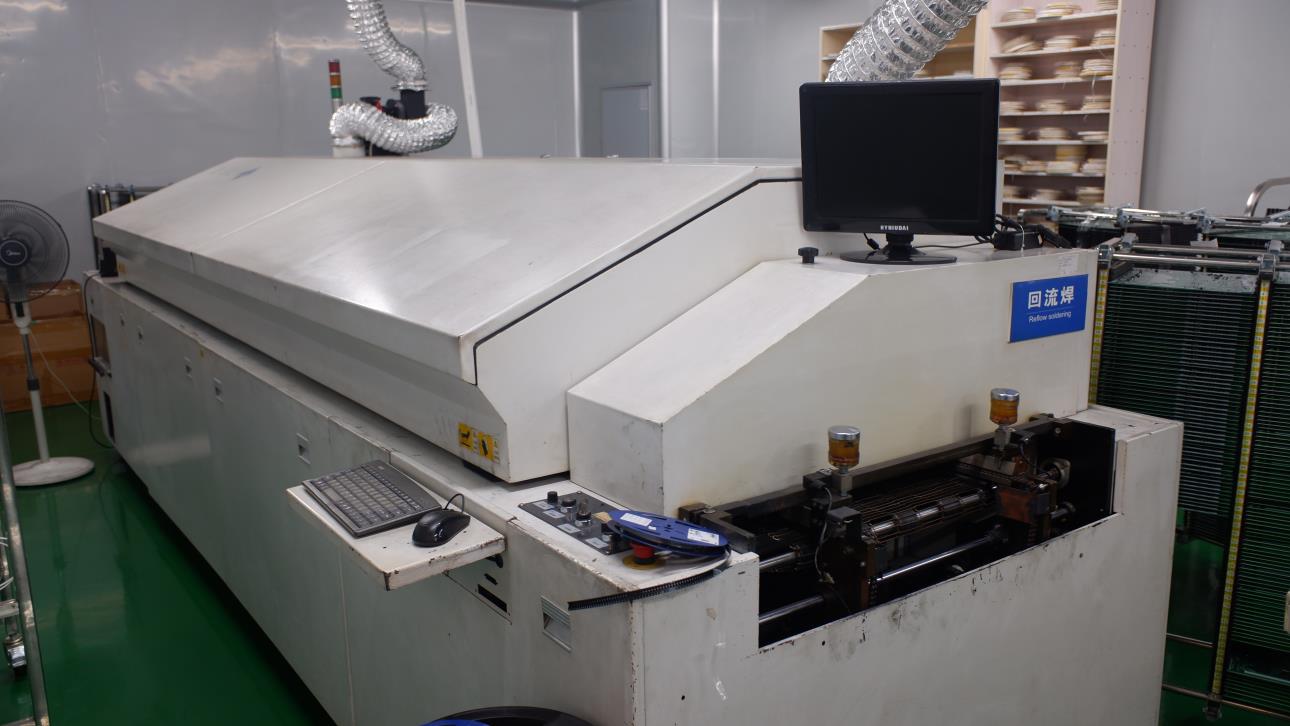
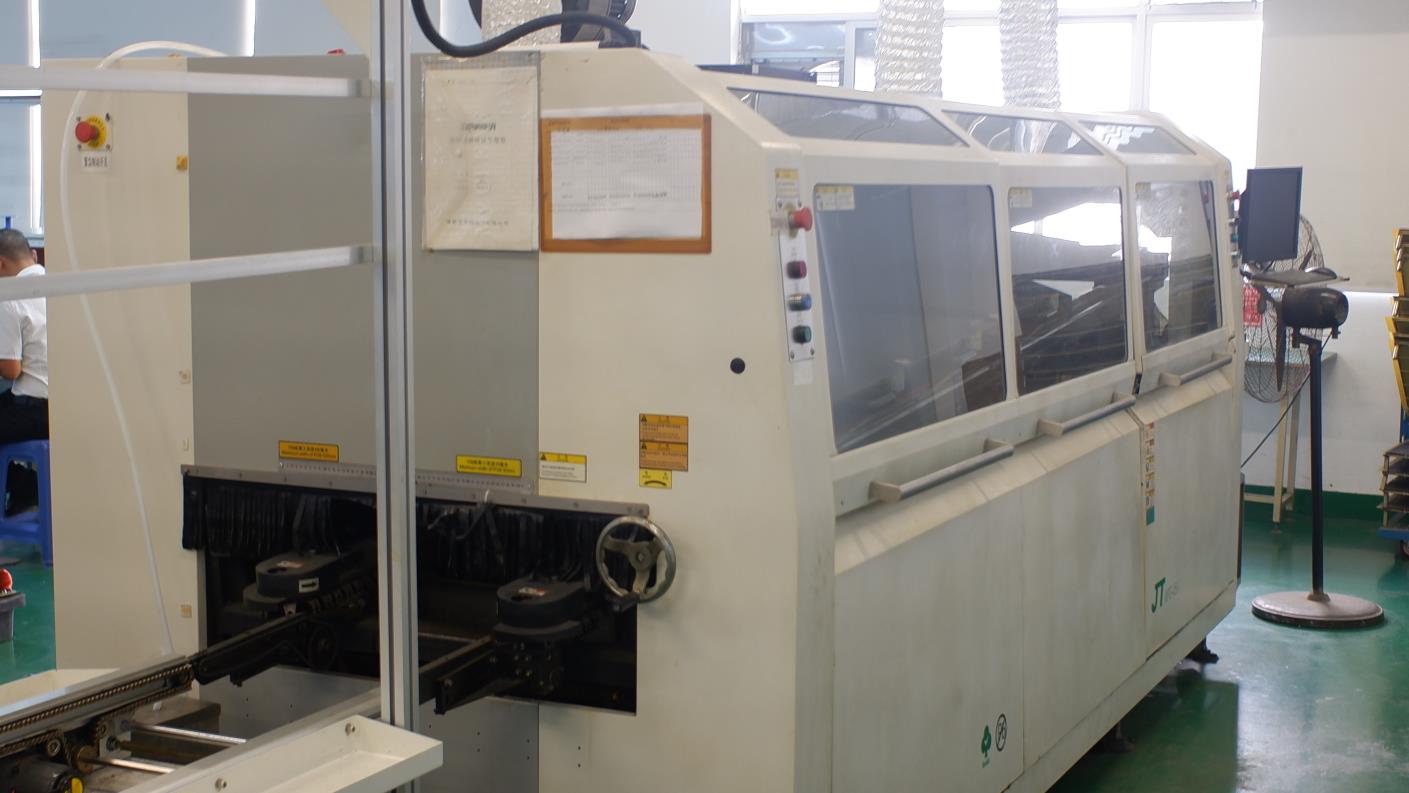
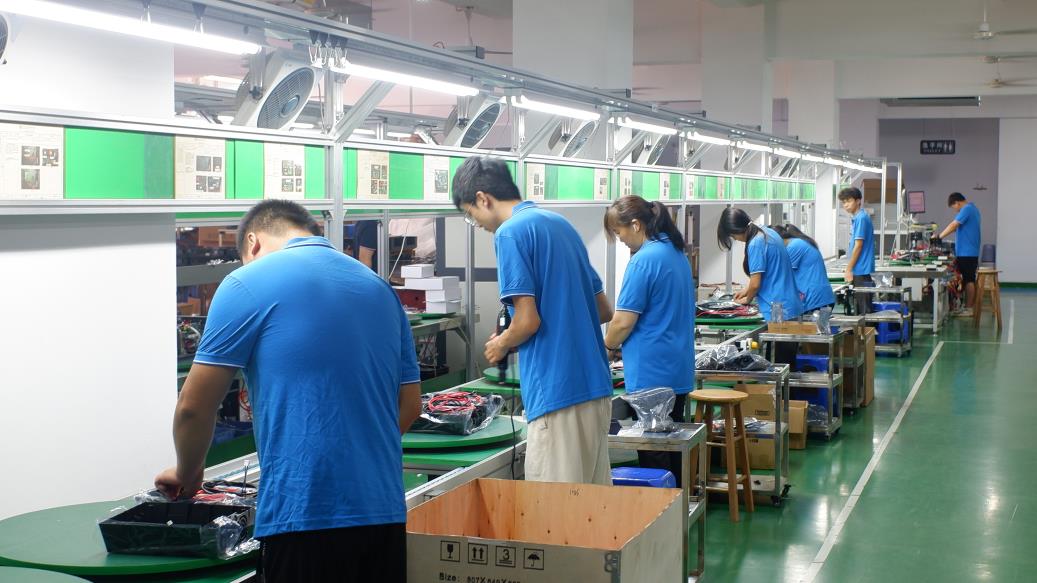
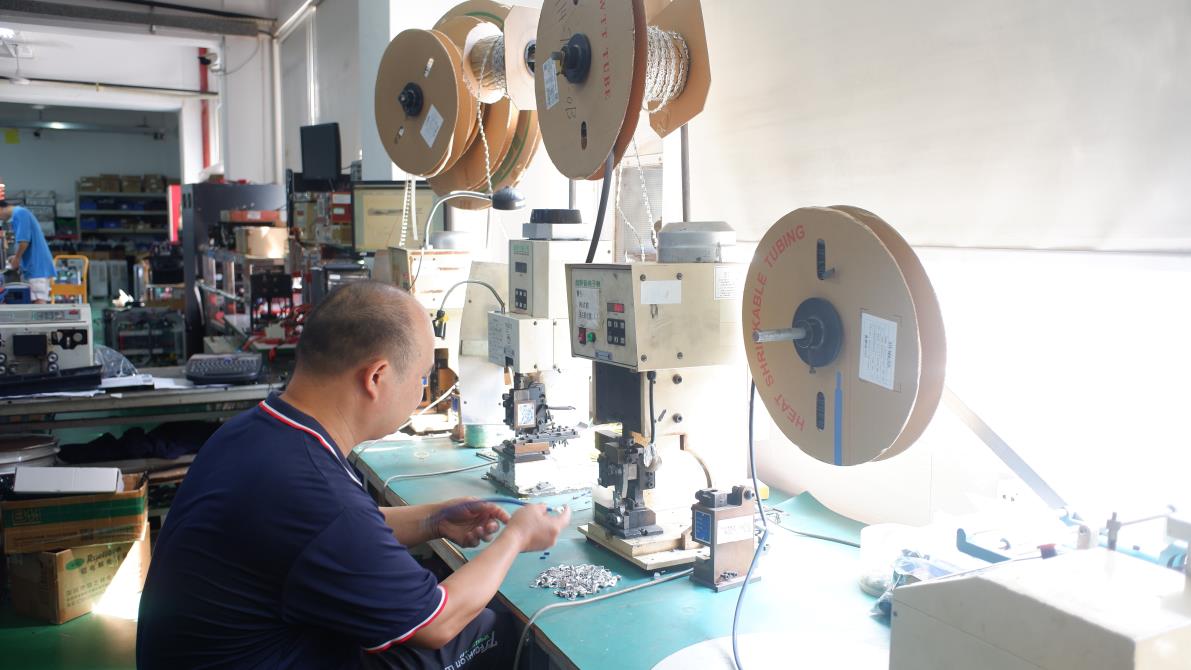
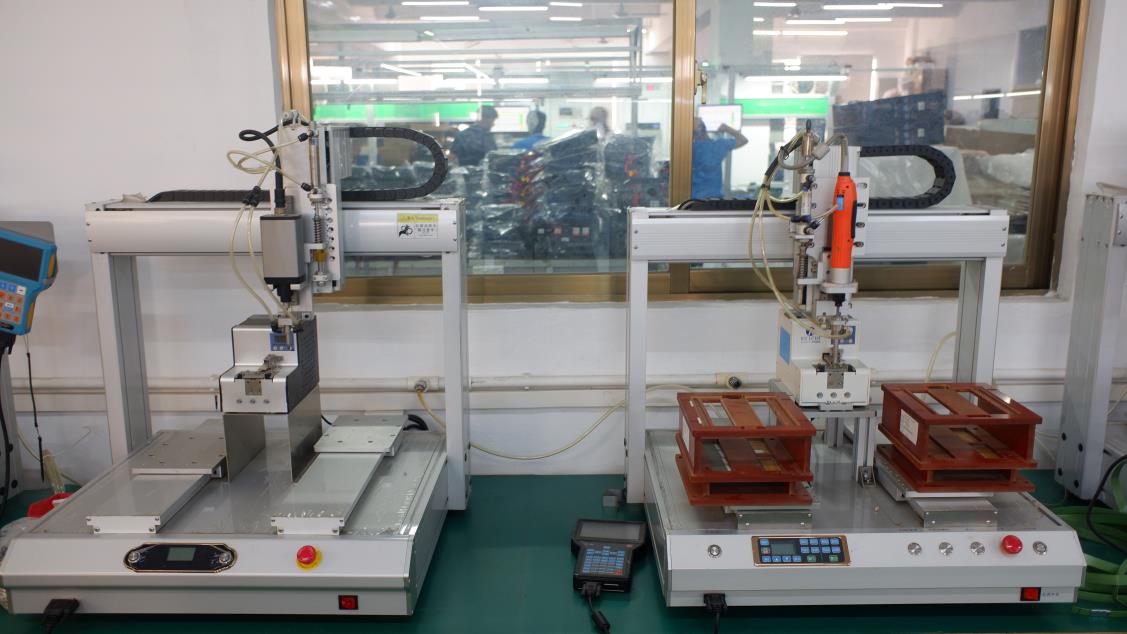
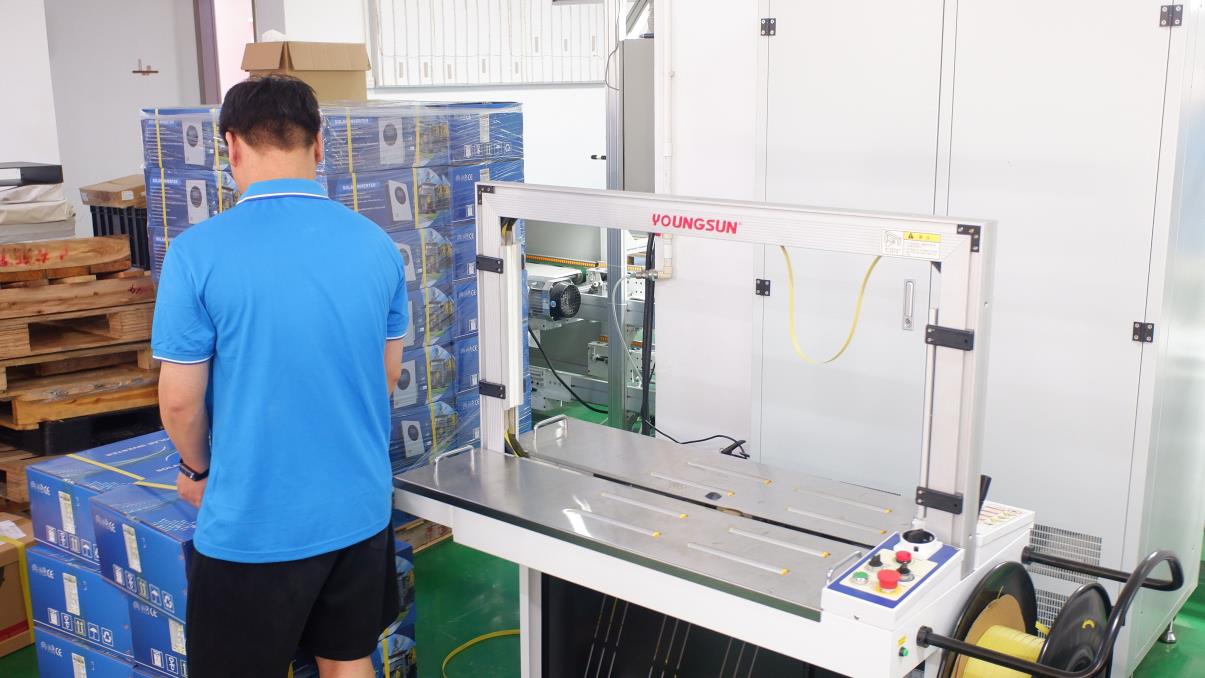
Operating a modern ISO9001-certified manufacturing facility in Jiangxi Province, Yde Power leverages advanced automated production lines. Their R&D center in Shenzhen focuses on continuous innovation in Battery Management Systems (BMS), system integration, and intelligent energy optimization technologies.
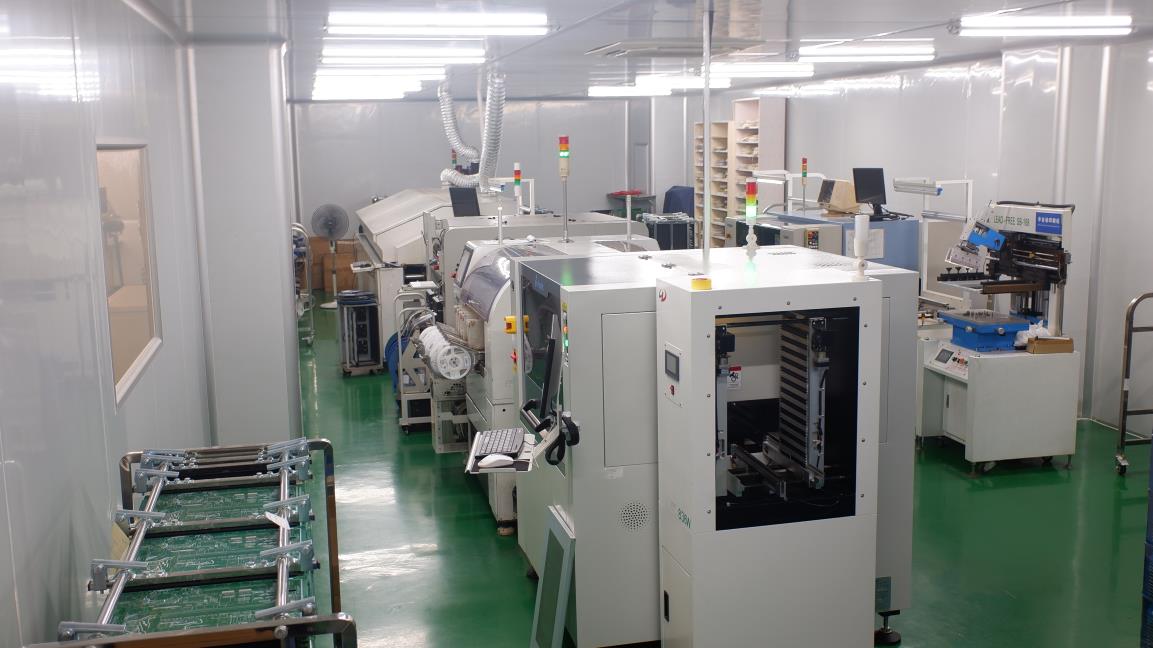
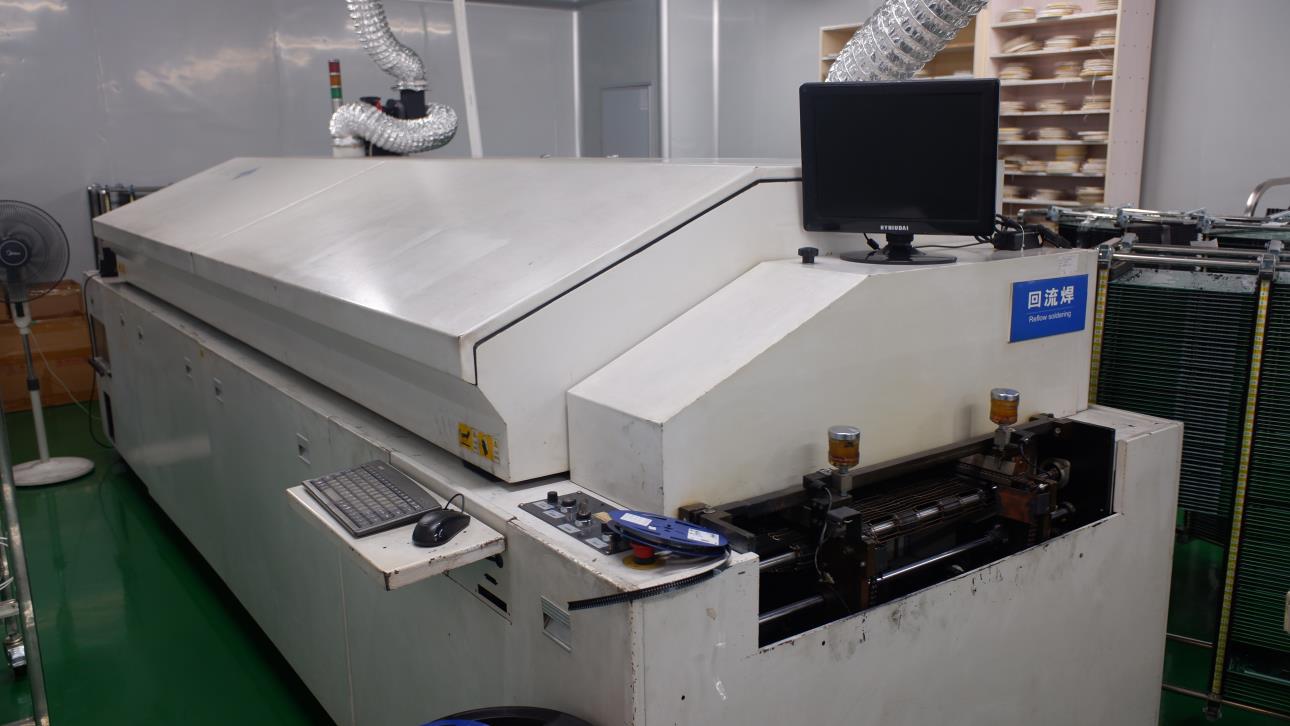
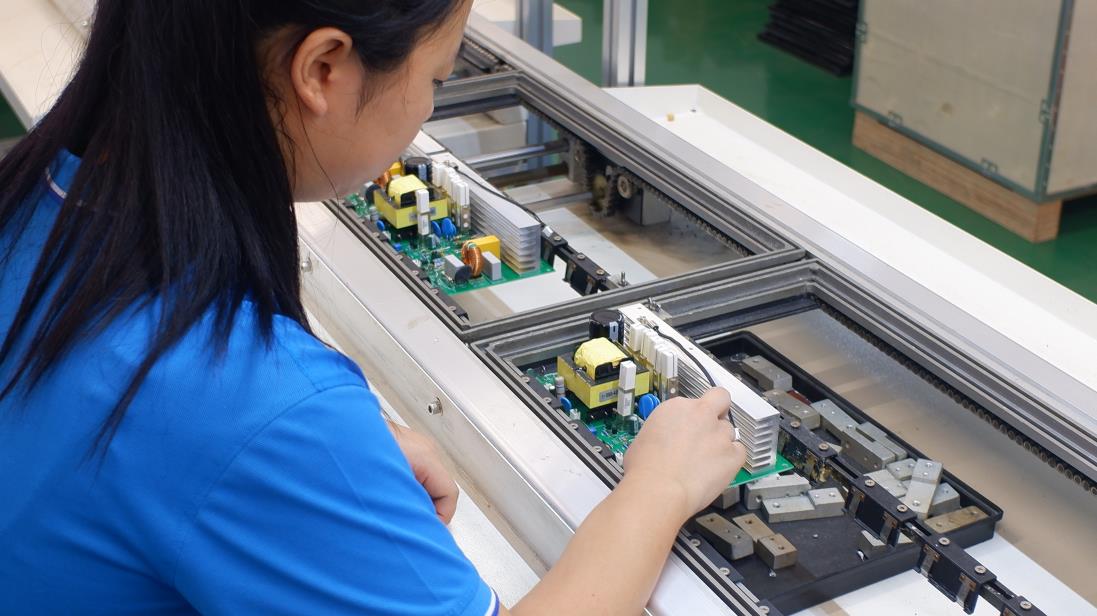
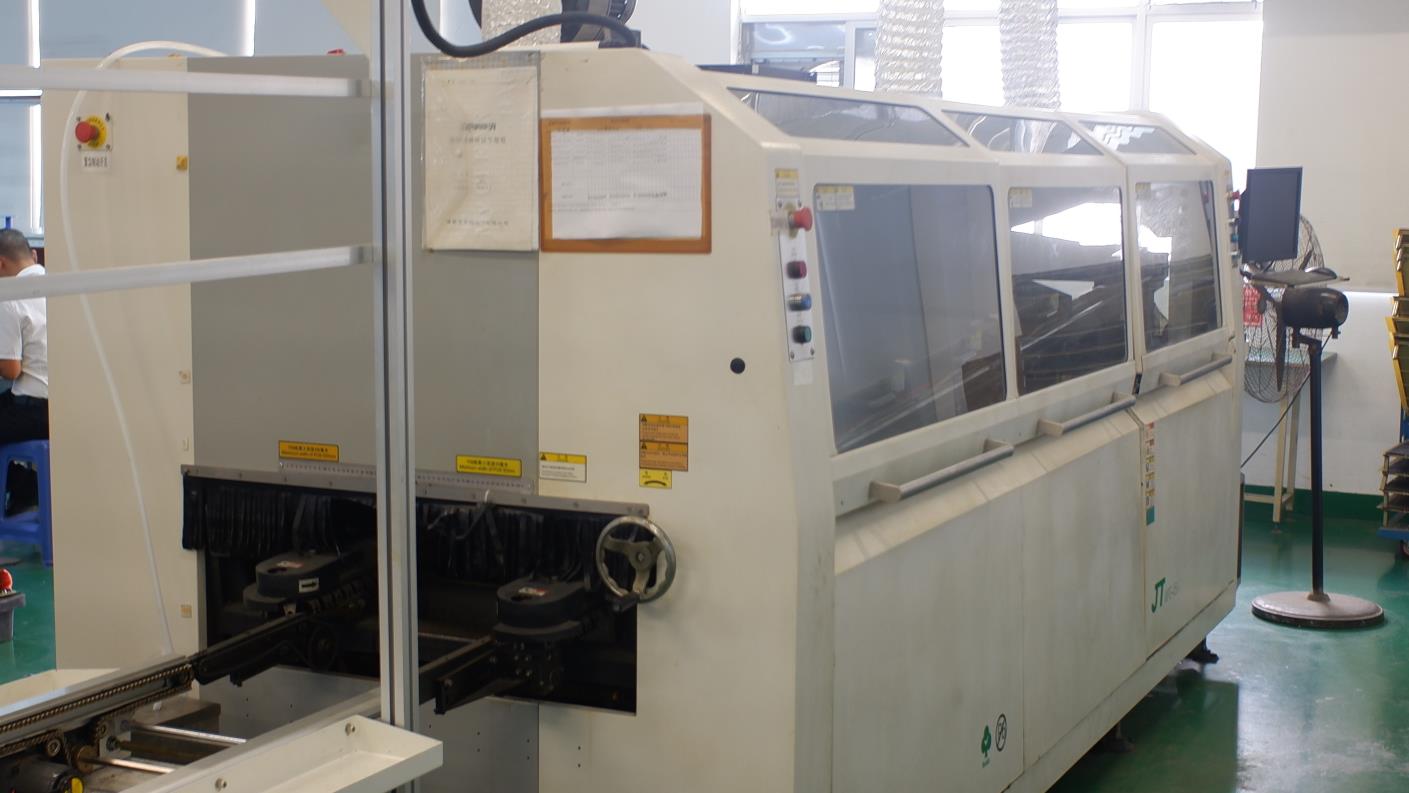
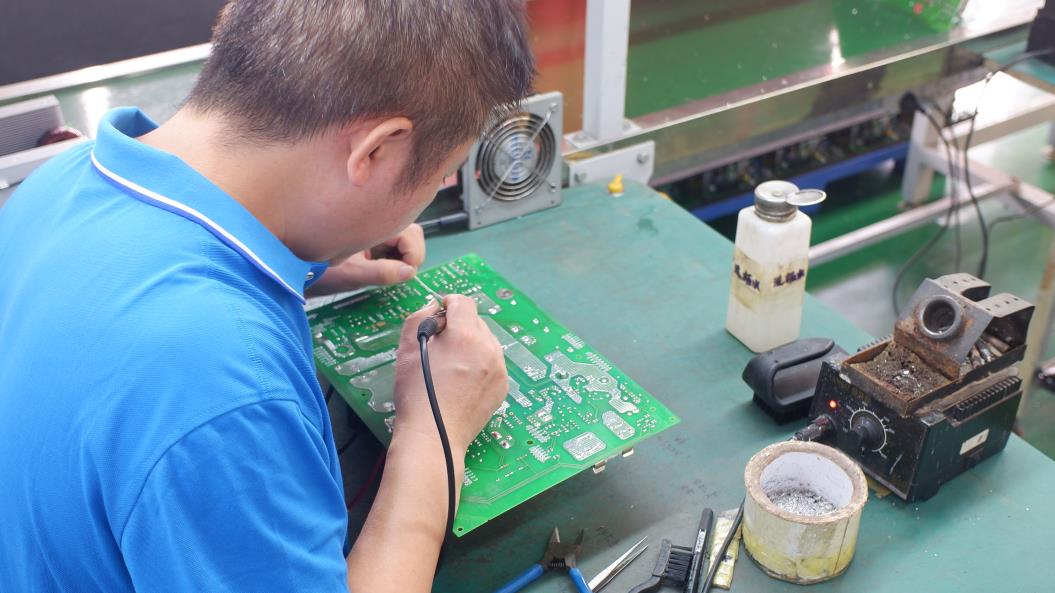
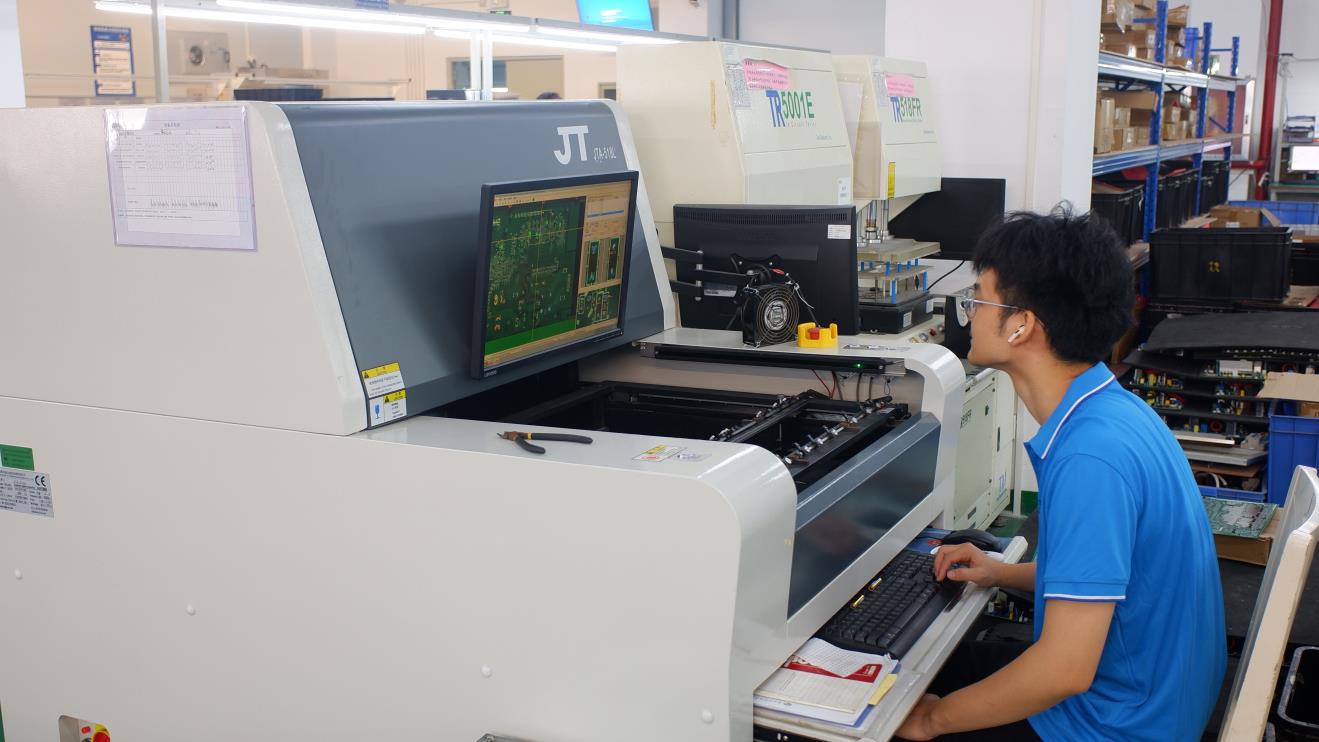
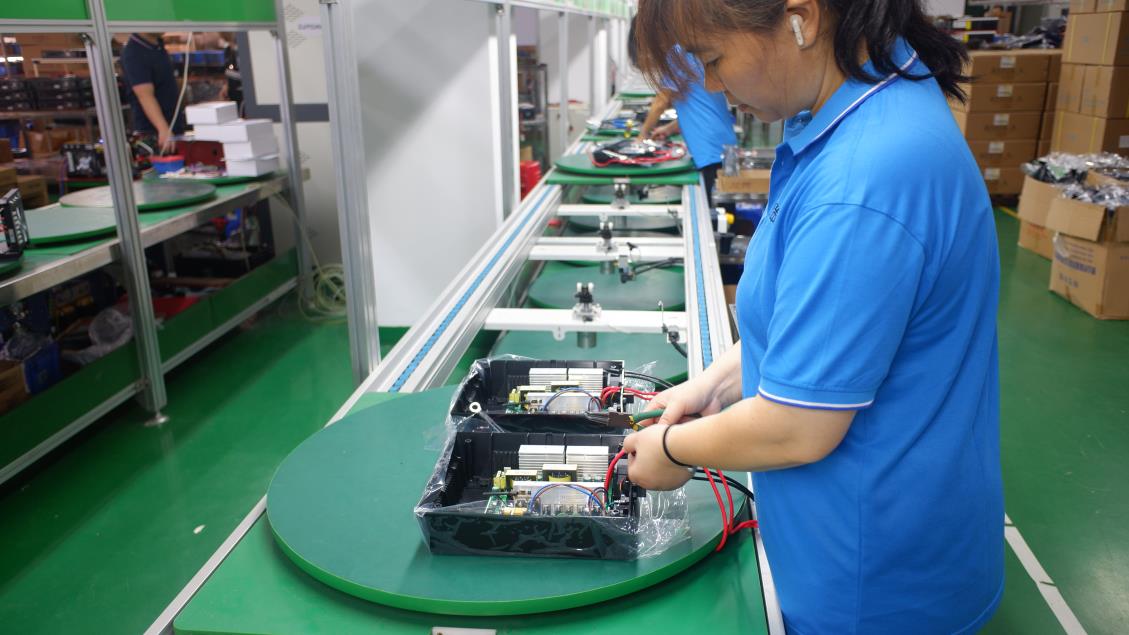
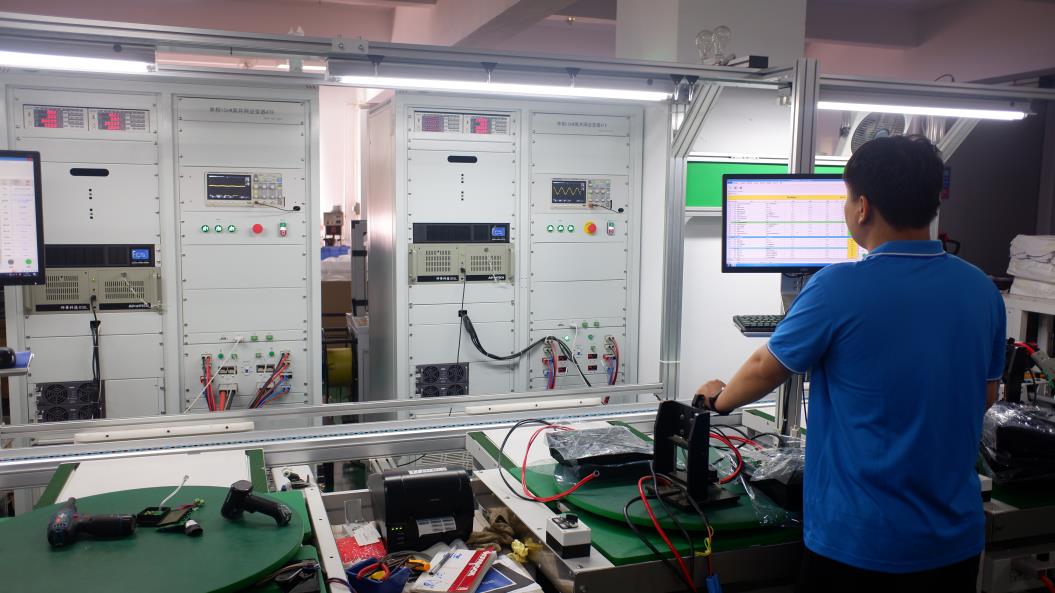
The role of an exporter today goes beyond selling a box; it involves designing a macro-solution. For instance, in "Peak Shaving" applications, PCUs must work in tandem with large-scale battery banks to reduce industrial electricity costs. In rural electrification, the same PCU must act as a master controller for a local microgrid.
Looking ahead to 2025-2030, the PCU industry is moving toward Silicon Carbide (SiC) and Gallium Nitride (GaN) semiconductors. These materials allow for higher switching frequencies, leading to smaller, lighter, and more efficient units. Furthermore, V2G (Vehicle-to-Grid) integration will allow Solar PCUs to interact with Electric Vehicles, turning every home into a potential power plant for the utility grid.
Ensuring Reliability through Precision Engineering
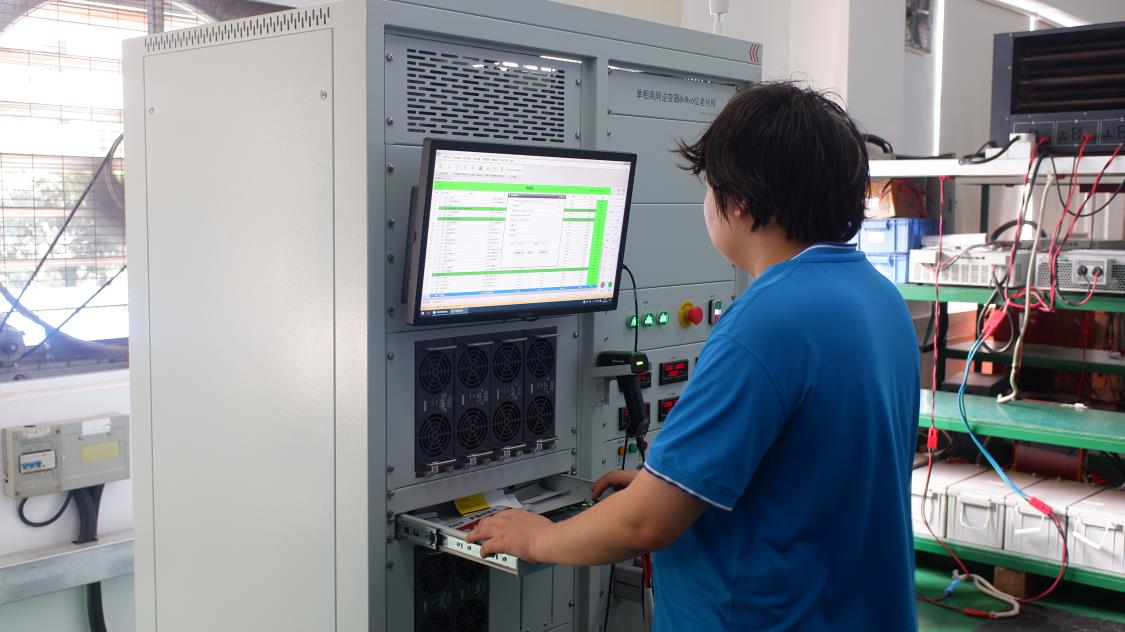
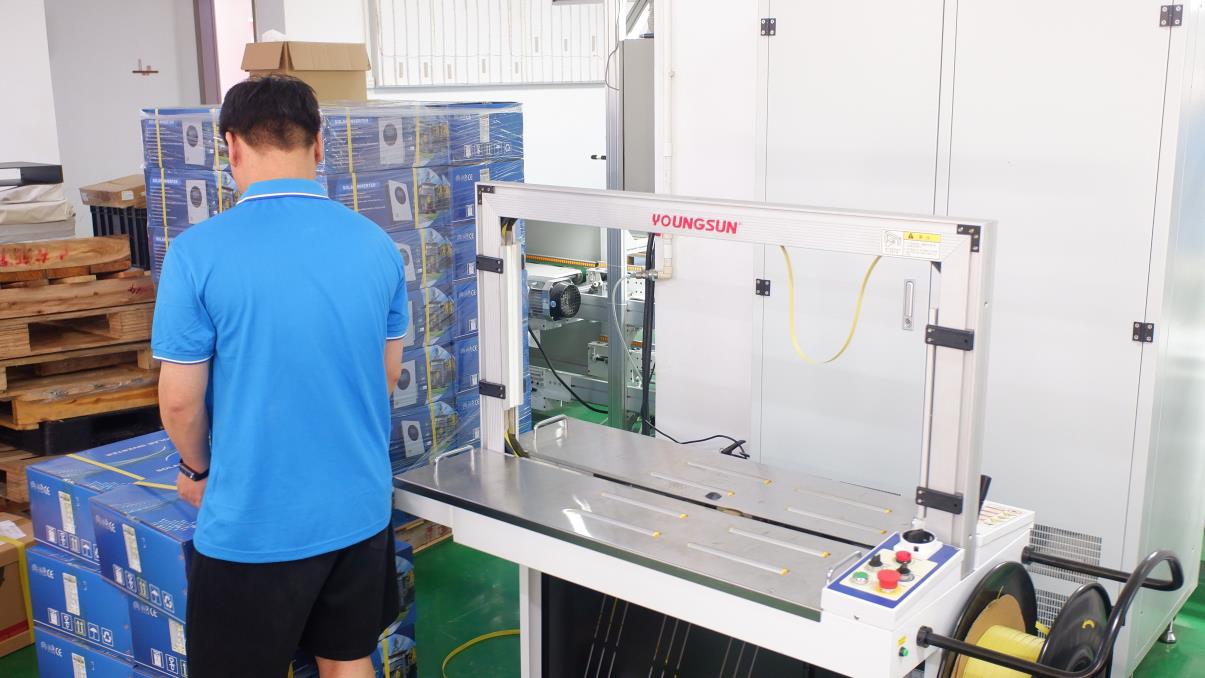
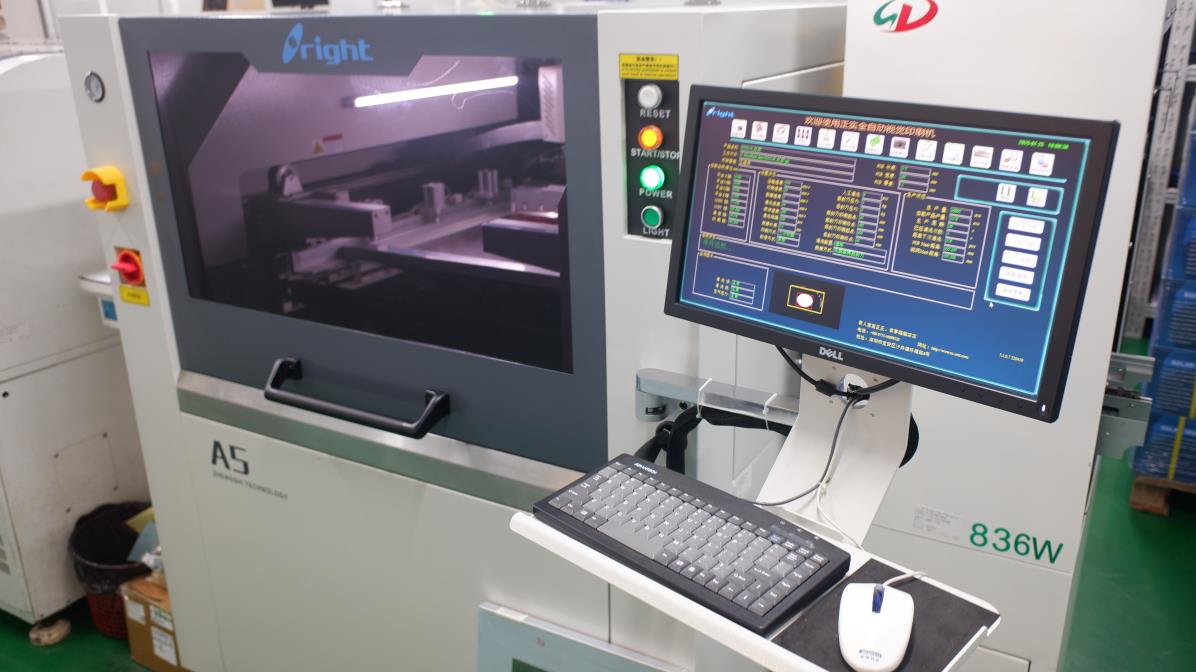
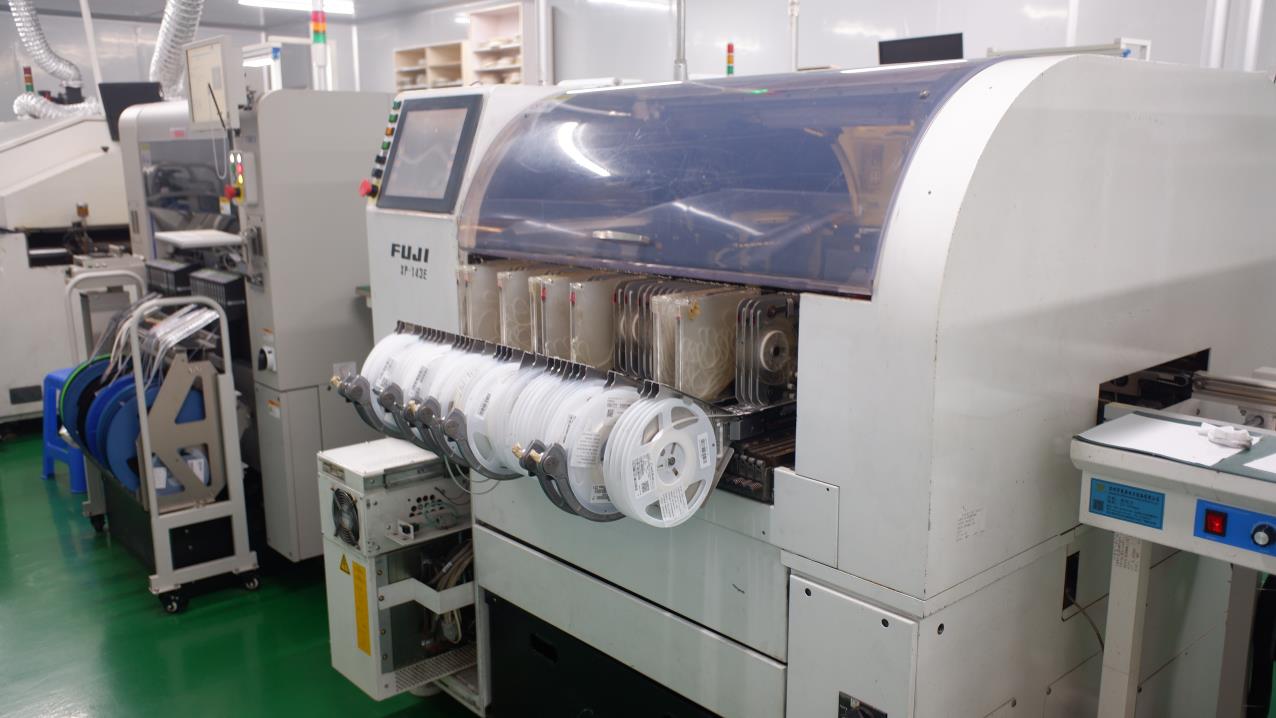
Answering common technical and procurement inquiries from global buyers.
A standard solar inverter only converts DC to AC. A Solar PCU (Power Conditioning Unit) is an integrated system that includes an MPPT charge controller and an intelligent selector that prioritizes solar energy over grid or battery power, optimizing energy costs automatically.
Reliable exporters like Yde Power provide firmware pre-configured for specific regional grid codes (e.g., G98/G99 for the UK, Rule 21 for California). Always ask for certification reports such as CE, TUV, or UL during the procurement phase.
Yes, but you must select a unit with high peak power capability. Industrial units, such as the Chisage Merc Series, are designed to handle 2x their rated capacity for short durations to support motor startup currents.
High-quality PCUs are designed for a 10-15 year service life. Key factors include the quality of capacitors used and the efficiency of the cooling system. Regular firmware updates also help extend the technological relevance of the unit.
Ready-to-ship solutions with localized support.
 Yde Power