Pioneering next-generation photovoltaic power conversion, advanced thermal efficiency, and multi-energy integration.
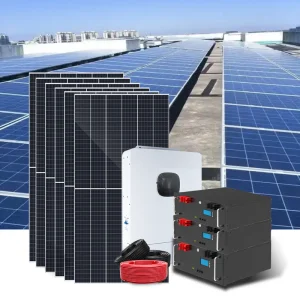
The global transition to decentralized clean energy systems has entered a critical stage, shifting focus from mere generation to ultra-efficient utilization and dynamic regulation. Historically, low-voltage (LV) 48V systems served the residential storage market effectively. However, as residential loads increase and Commercial & Industrial (C&I) sectors rapidly integrate high-capacity microgrids, low-voltage systems face physical and economic limits due to excessive cable losses, large currents, and high heat generation.
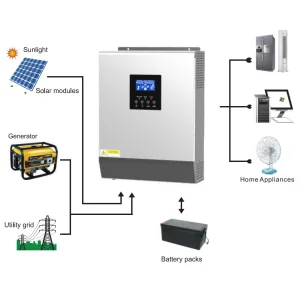
High Voltage (HV) hybrid inverters operating on DC bus lines from 300V to 800V DC have emerged as the industry gold standard. Elevating system voltage reduces operational current by up to 90% for equivalent power transfers, leading to dramatic reductions in I²R transmission losses and allowing the use of thinner, more economical copper wiring. This transition is not only optimizing thermodynamic efficiency but also paving the way for multi-source system integration where PV, wind, generators, and public grids co-generate seamlessly.
Procurement officers, Engineering Procurement & Construction (EPC) firms, and distributors require tailorable, reliable configurations.
Global clients require firmware customization for diverse chemistry specifications. Advanced hybrid inverters support CAN/RS485 protocol customization to align with various High-Voltage BMS technologies.
Every regional market demands strict adherence to local connection rules. Custom setups must include parameters for IEEE 1547 (US), VDE-AR-N 4105 (Germany), AS4777 (Australia), and EN 50549 (EU) to ensure fast-tracked approvals.
From hot desert environments to humid coastal applications, multi-energy systems must offer high IP65 ratings and smart cooling designs, reducing the risk of premature aging and maximizing device lifespan.
Shenzhen Yde Power Co., Ltd. is a professional manufacturer specializing in residential, commercial, and industrial energy storage systems (ESS). Headquartered in Shenzhen, China, the company integrates research and development, production, sales, and service to deliver comprehensive clean energy solutions to global markets.
In addition to its headquarters in Shenzhen, Yde Power operates a modern ISO9001-certified manufacturing facility in Jiangxi Province, equipped with advanced automated production lines and stringent quality control systems. The company also maintains a dedicated R&D center in Shenzhen, focusing on continuous innovation in battery management systems (BMS), system integration, and intelligent energy optimization technologies.
Shenzhen Yde Power Co., Ltd. is committed to the development of efficient, safe, and environmentally friendly energy storage solutions. Its product portfolio includes residential battery storage systems, commercial and industrial energy storage cabinets, and scalable utility-grade ESS solutions designed to support grid stability, renewable energy integration, and peak shaving applications.
With the expansion of its Jiangxi manufacturing base, the company has significantly enhanced its production capacity, supply chain efficiency, and product diversity. This enables Yde Power to respond quickly to global customer demands while maintaining high standards of reliability and performance.
Driven by innovation and sustainability, Shenzhen Yde Power Co., Ltd. continuously invests in new technologies, intelligent manufacturing processes, and international quality certifications. The company aims to become a trusted global partner in the energy storage industry, contributing to a cleaner and more sustainable energy future.
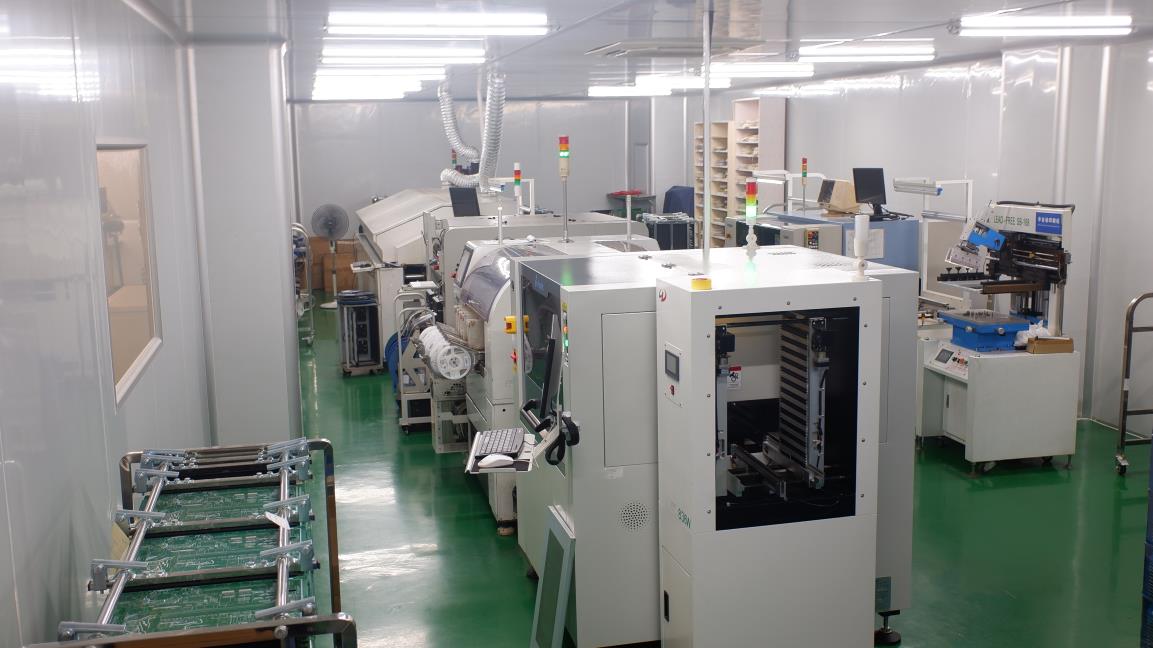
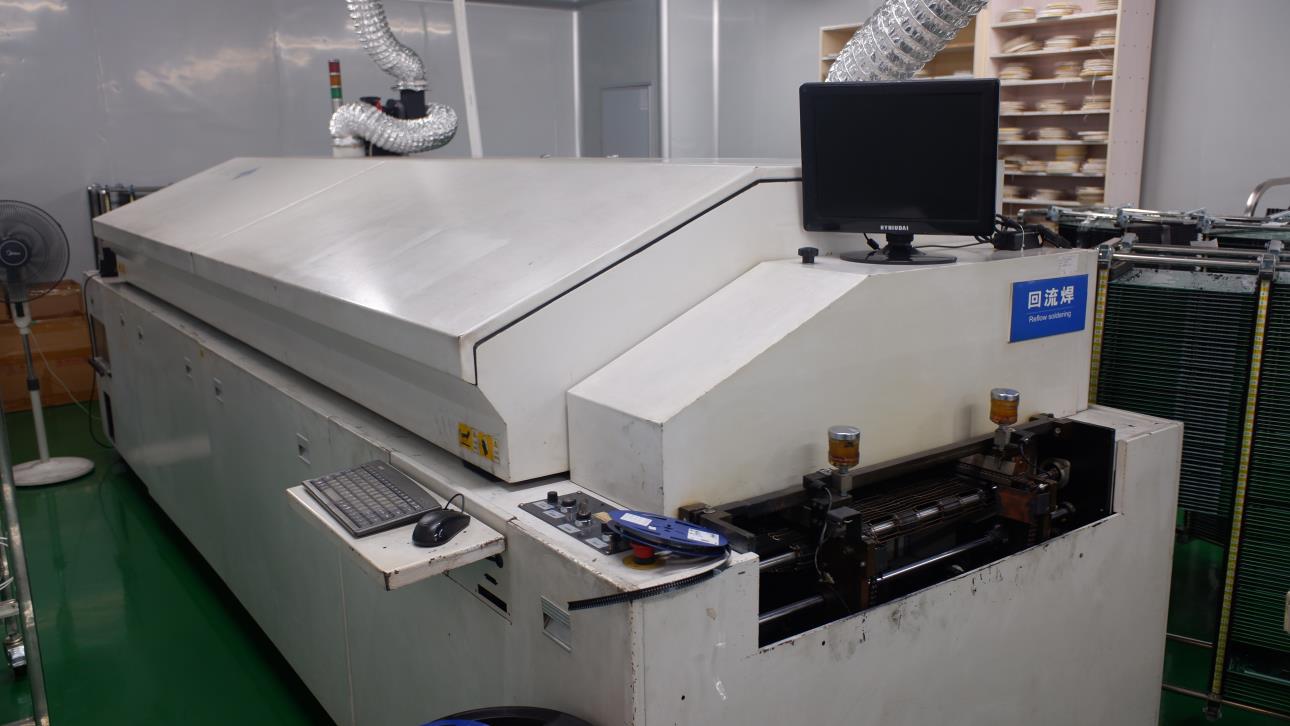
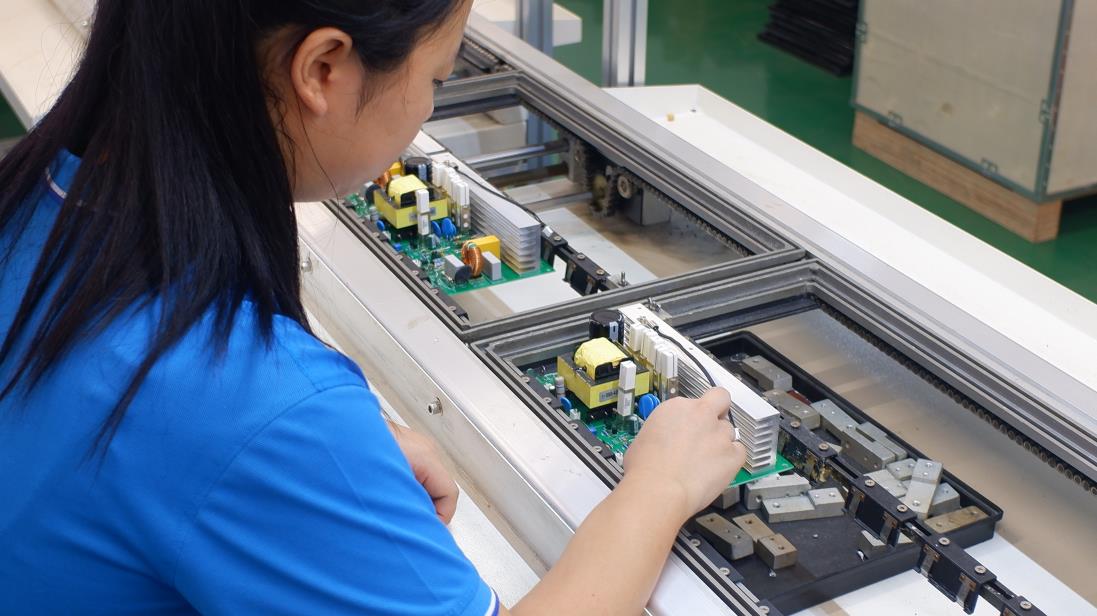
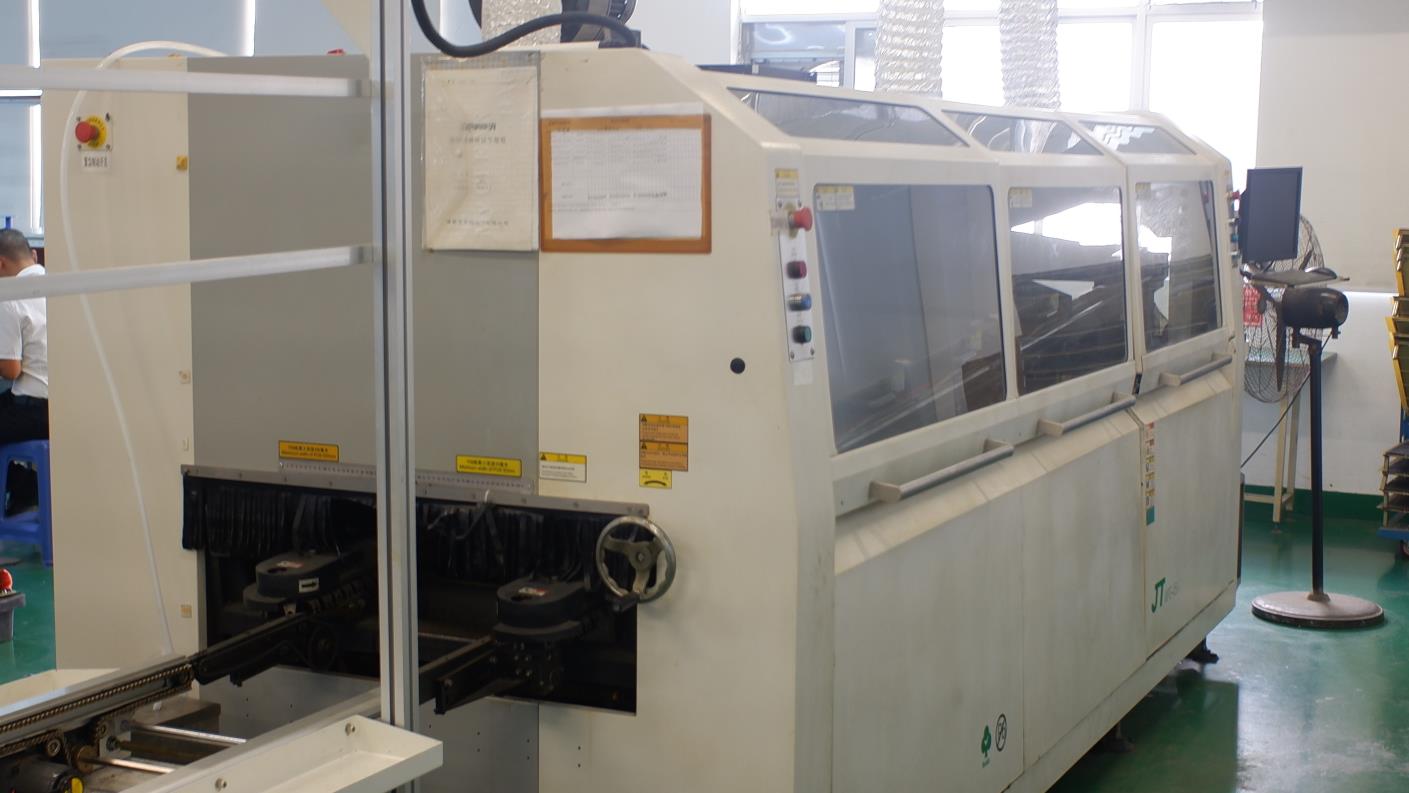
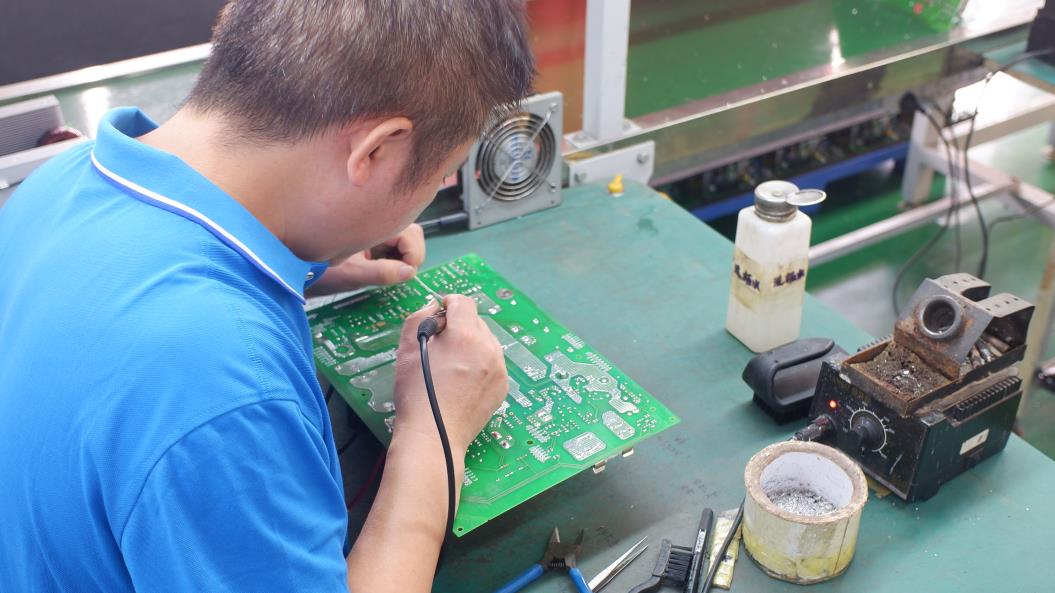
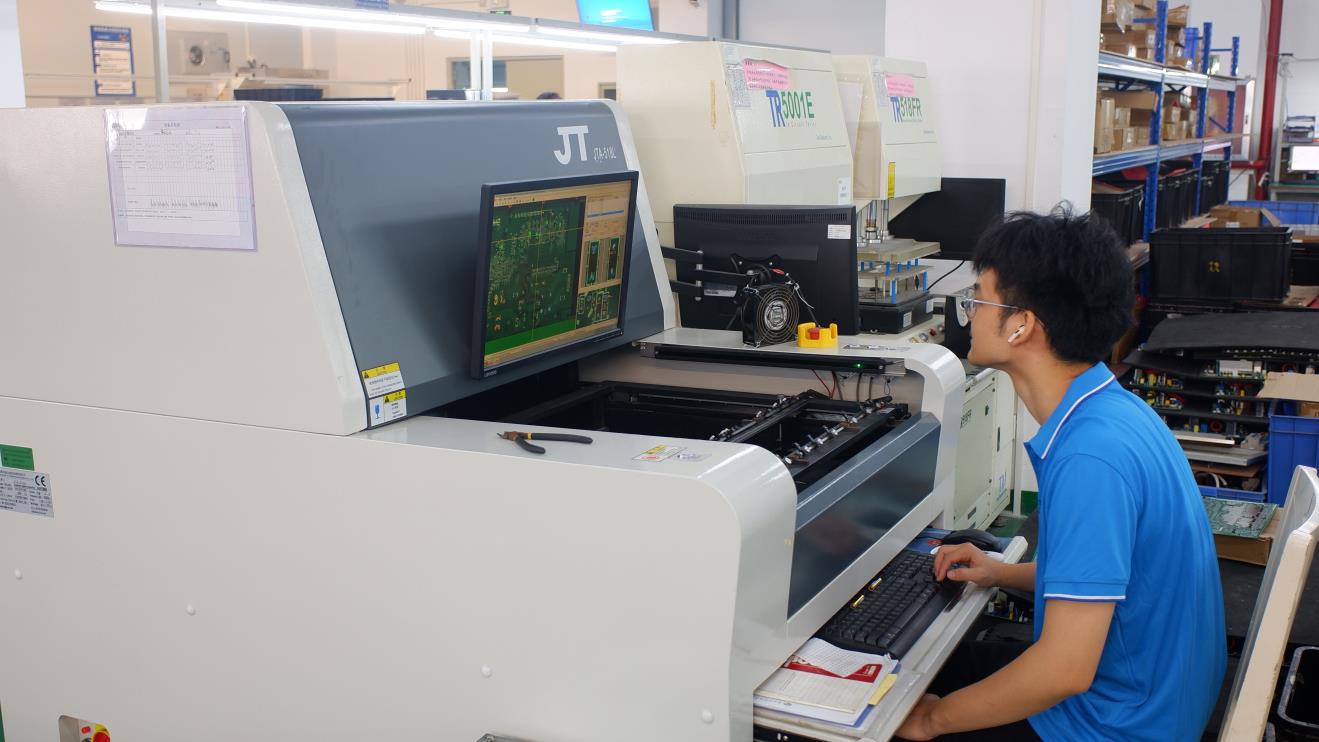
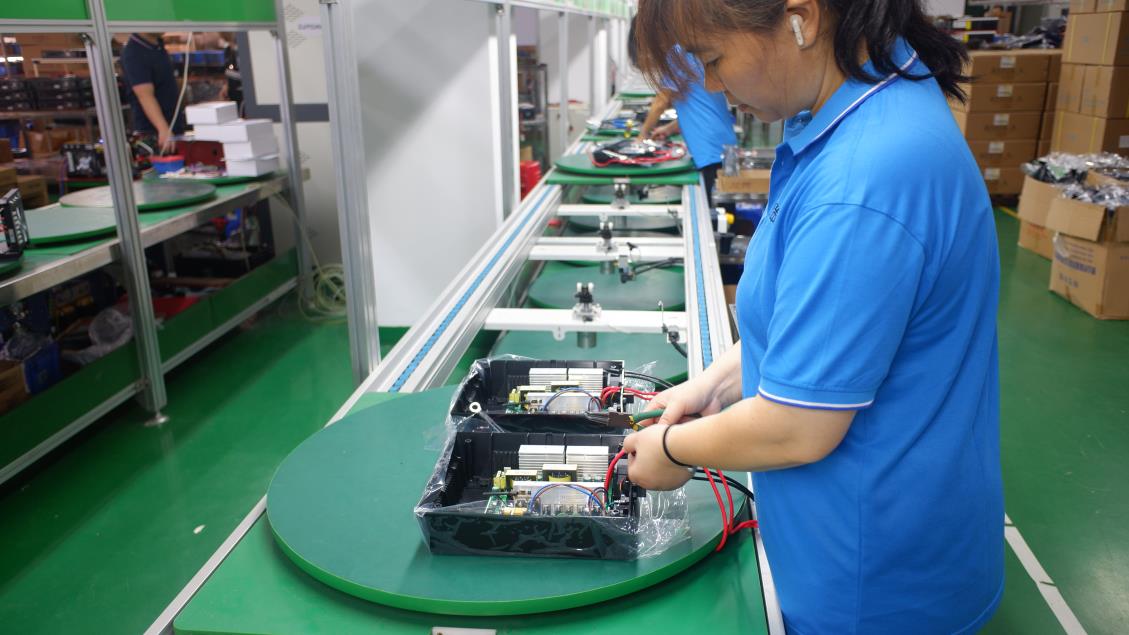
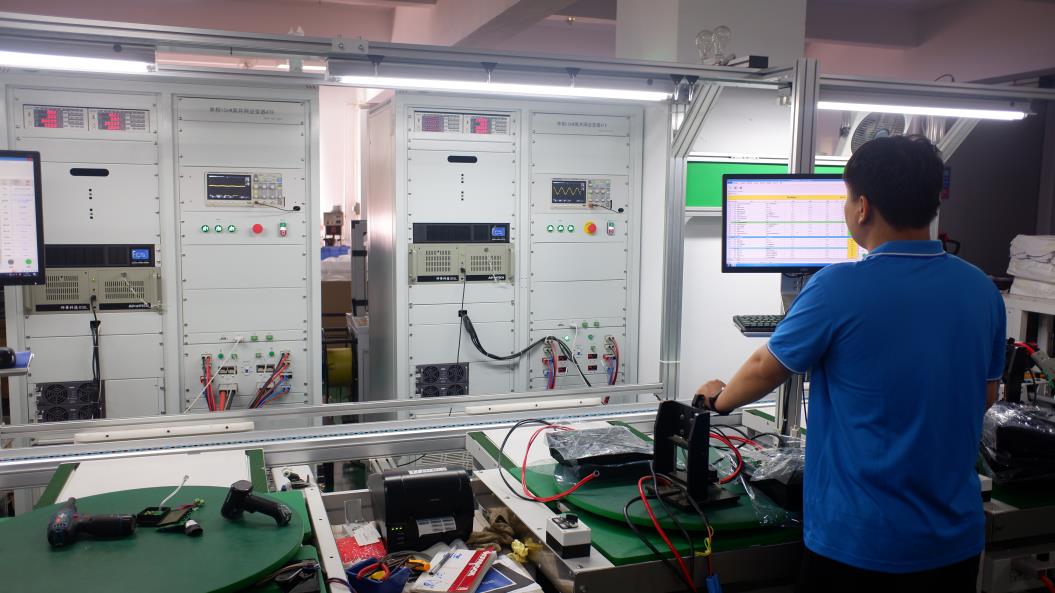
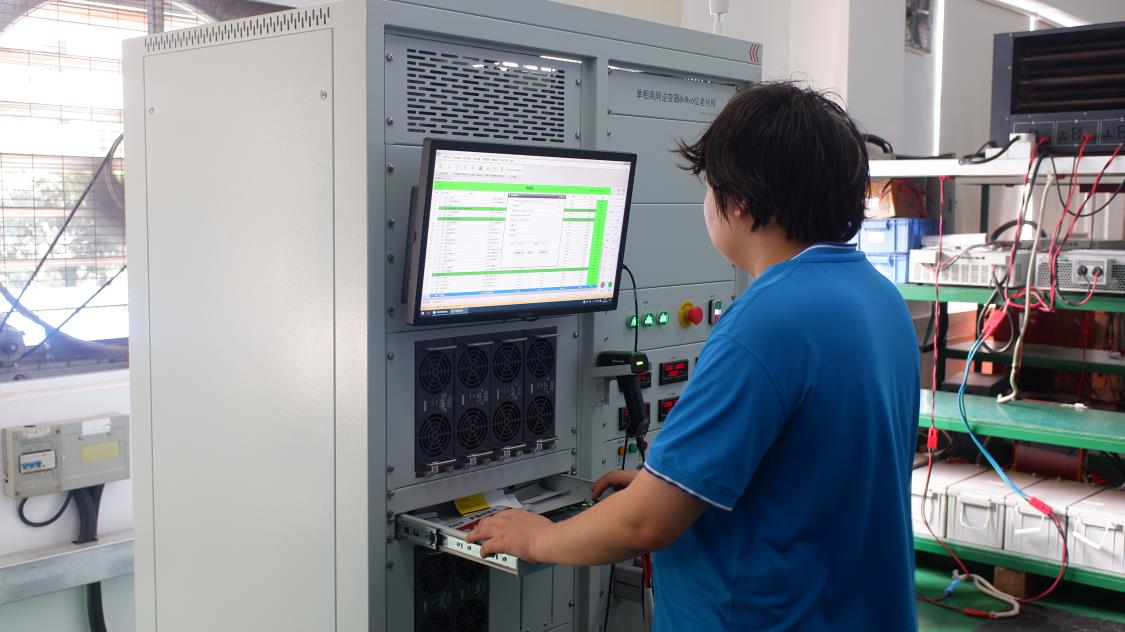
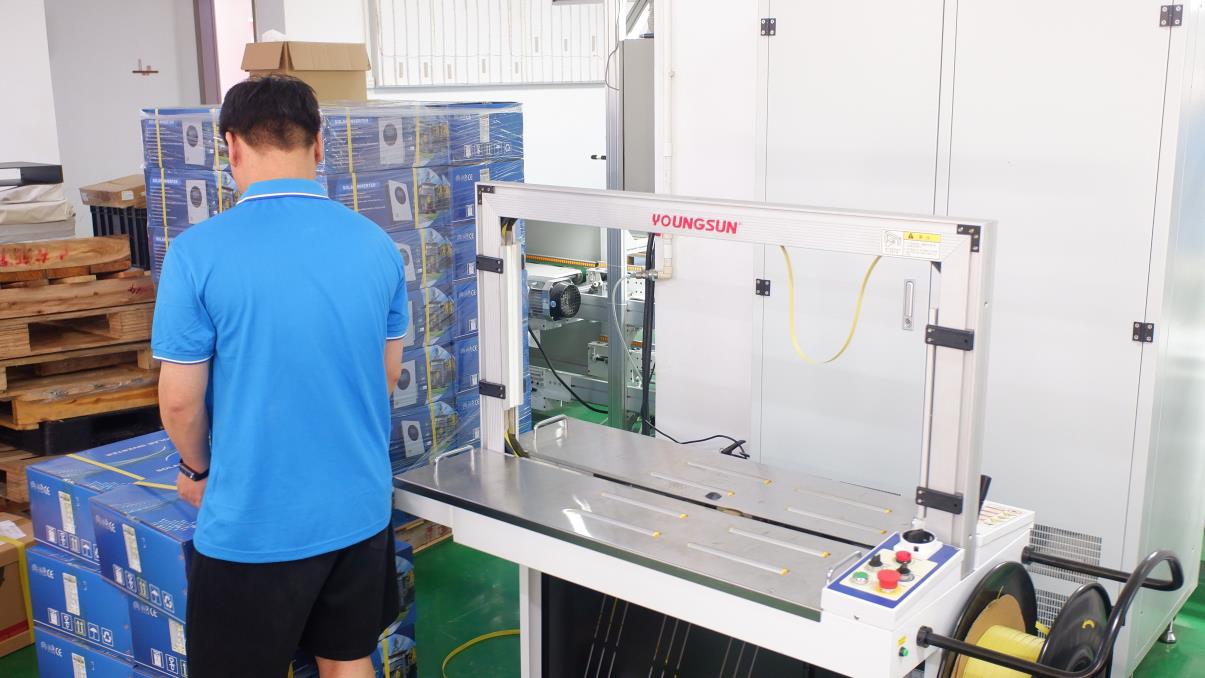
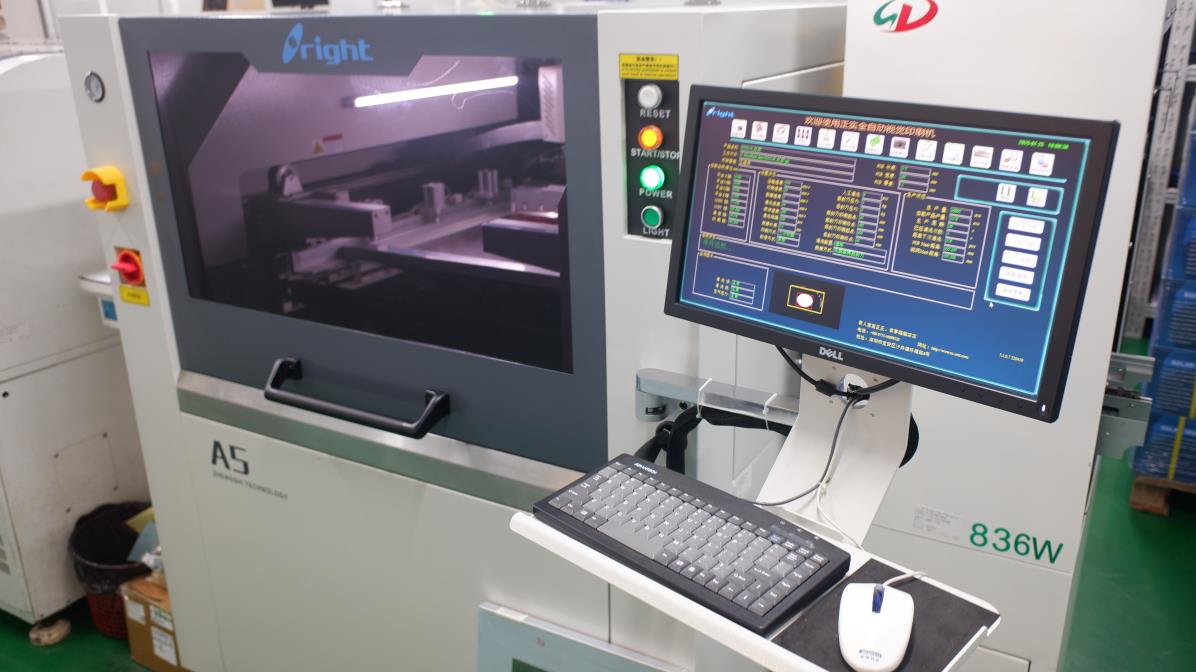
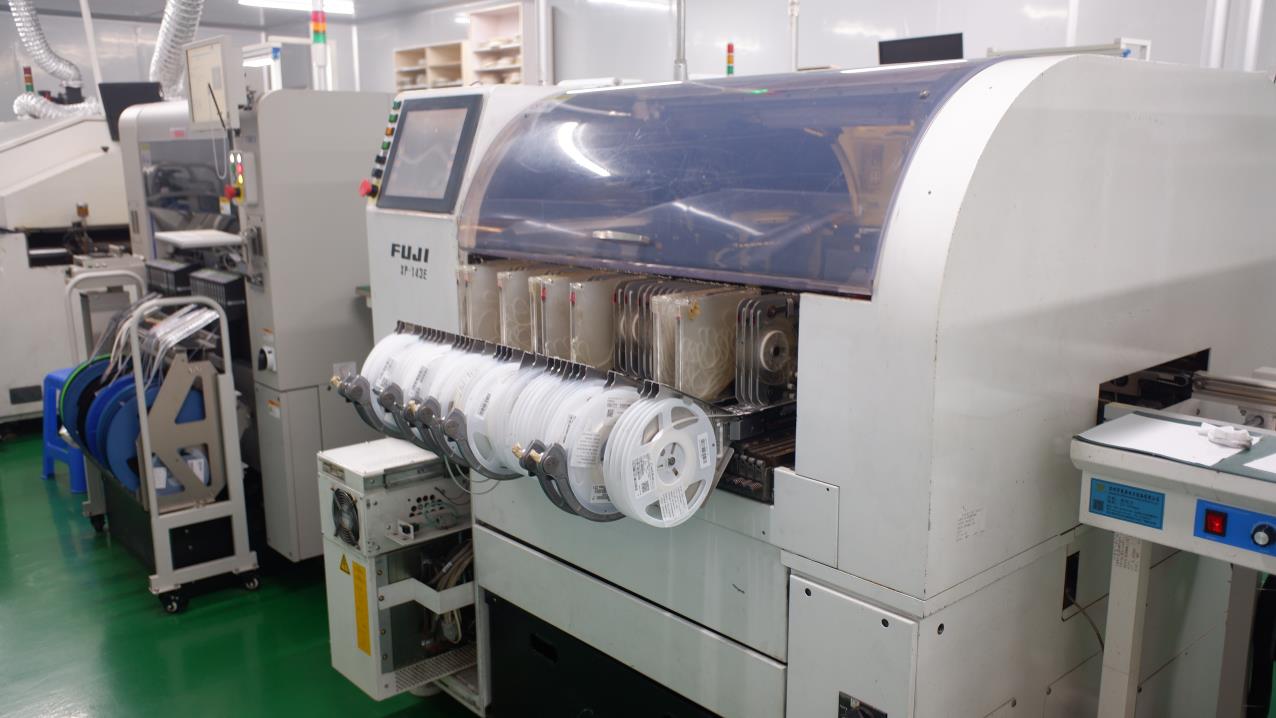
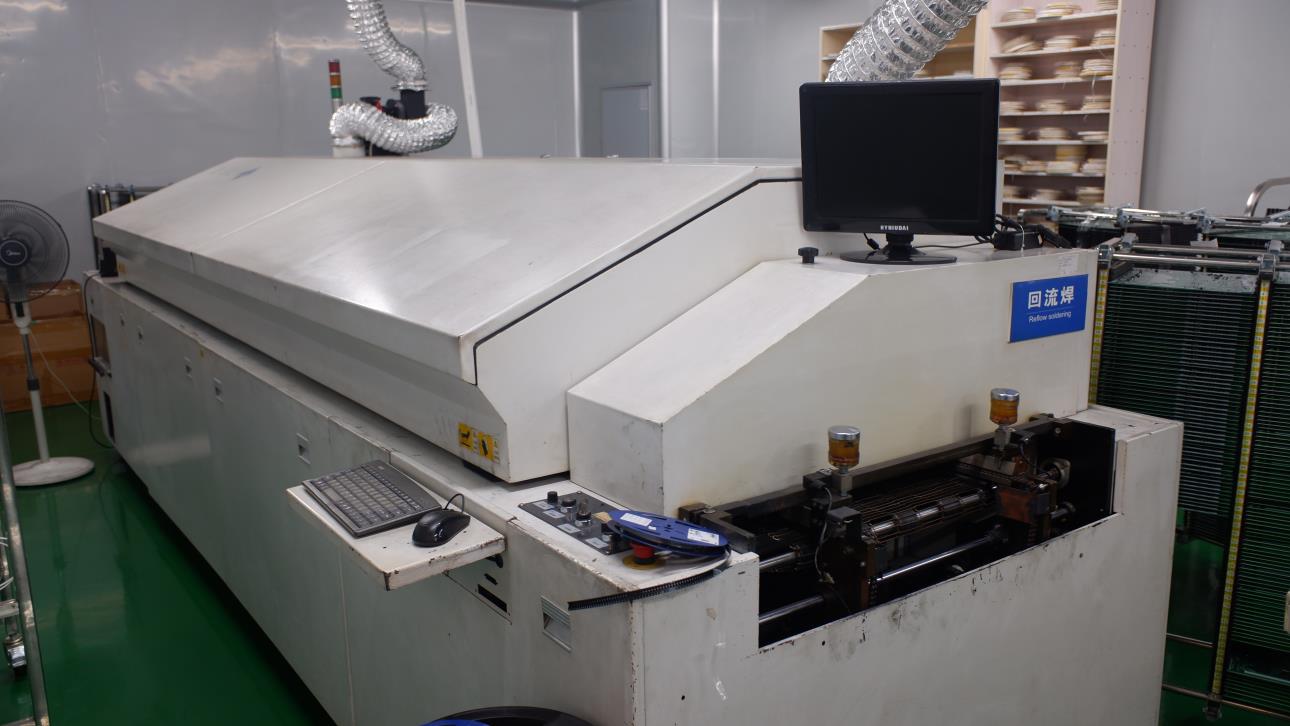
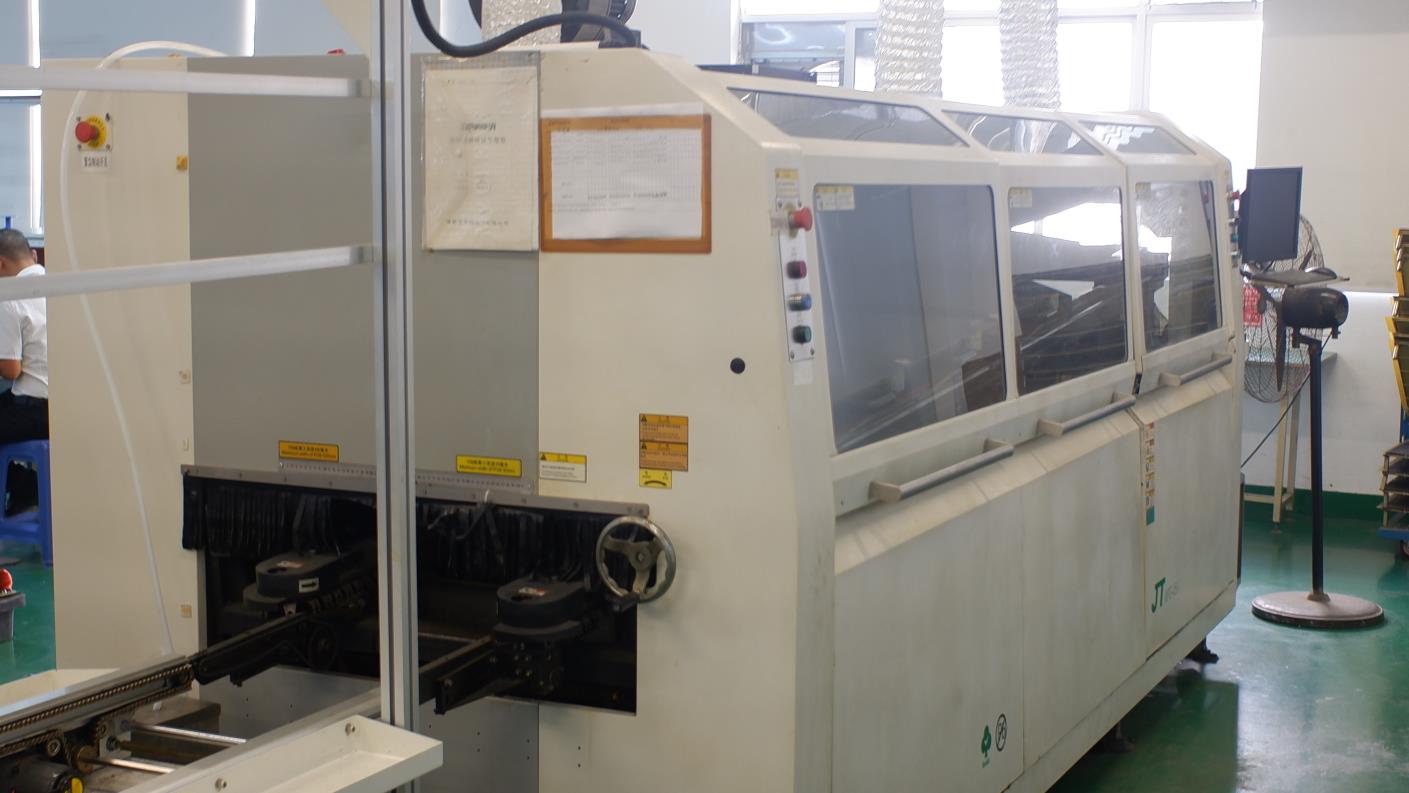
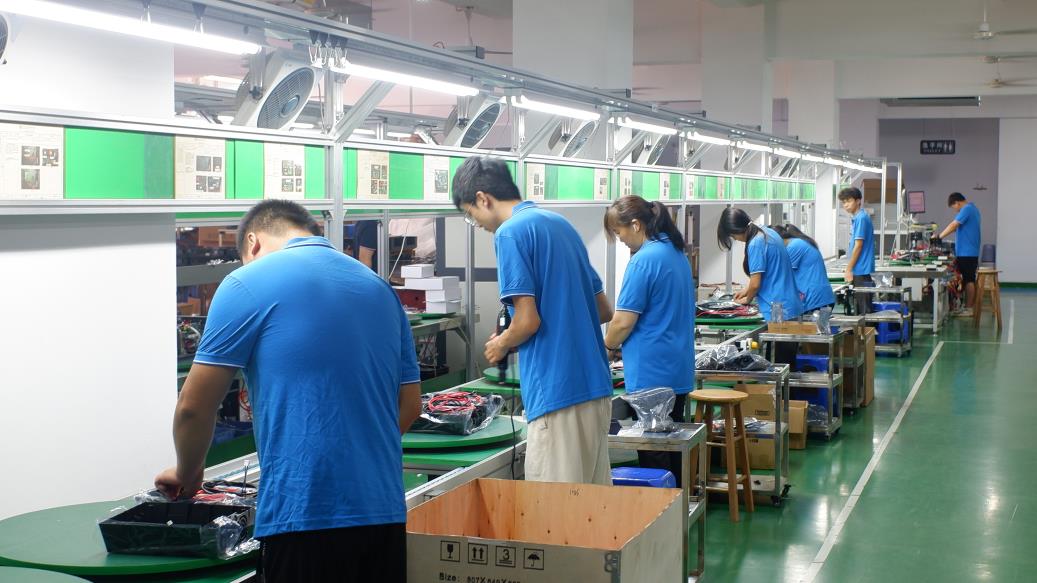
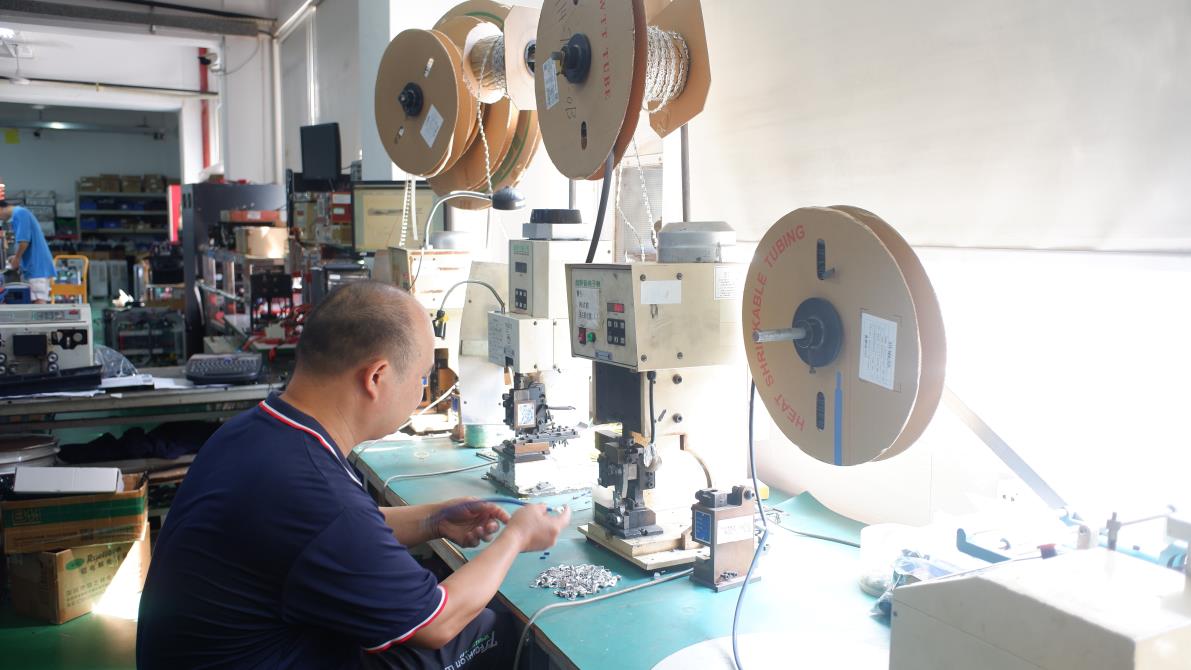
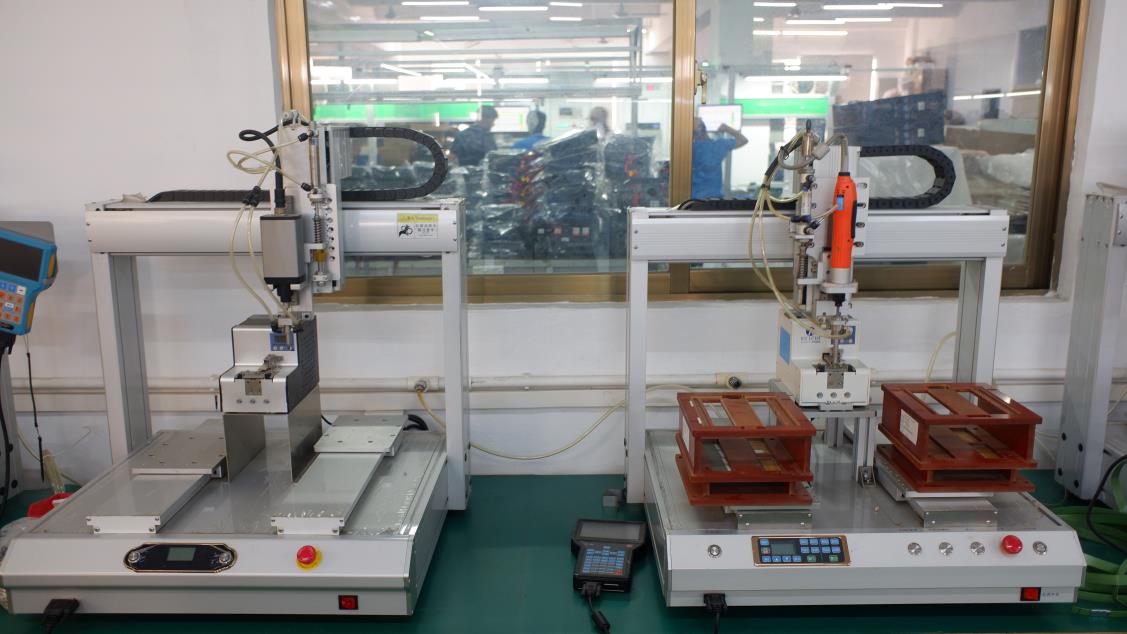
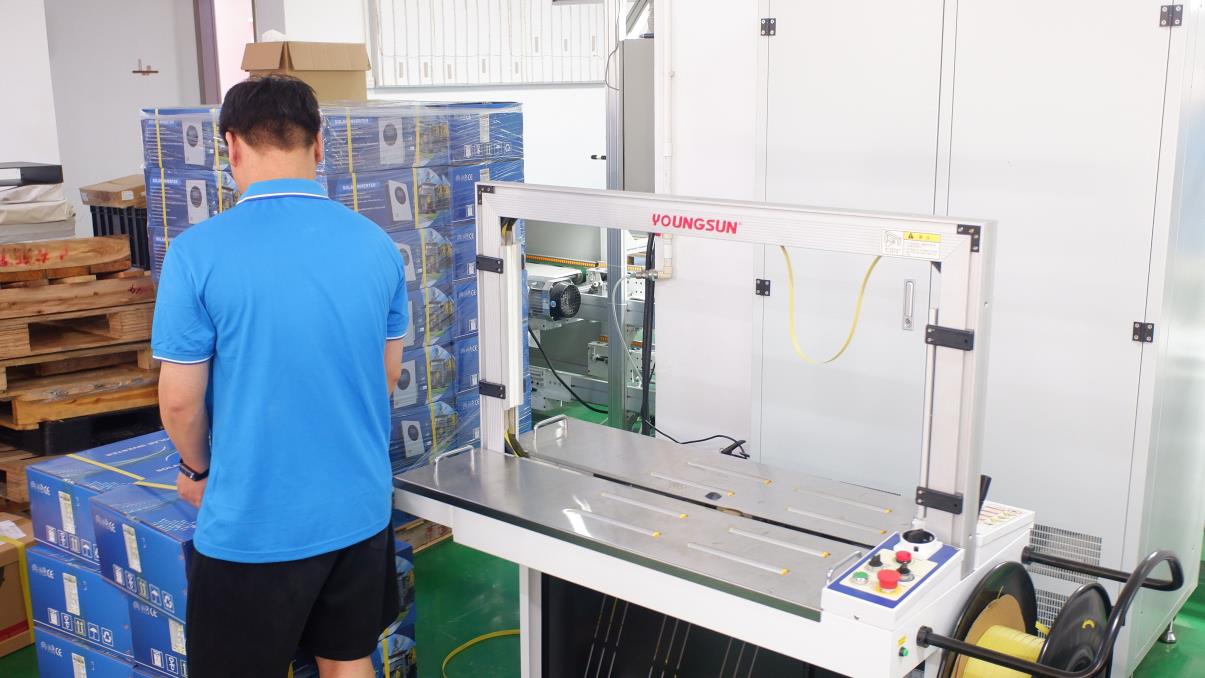
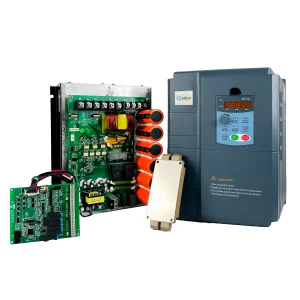
Ensuring reliability and component consistency through fully automated workflows, advanced PCB assembly, testing, and aging cycles.
From high-altitude agricultural irrigation pump drives to advanced high-capacity commercial backup storage.
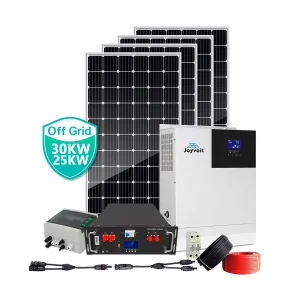
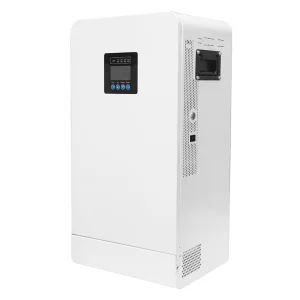
In modern European and North American households, space constraints demand compact systems. Coupling high-voltage batteries with hybrid inverters (e.g., 200V-400V battery stacks) provides maximum output power while avoiding heavy DC cabling. This enables home charging stations and backup networks to function seamlessly during blackouts.
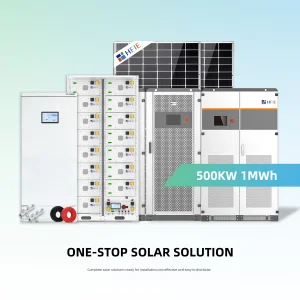
Industrial centers utilize hybrid systems up to 500kW to achieve load shifting. High-capacity battery packs combined with high-performance cooling ensure active power delivery during high-tariff periods, dramatically decreasing the Levelized Cost of Storage (LCOS).
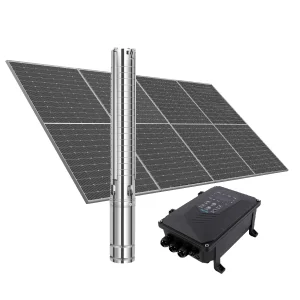
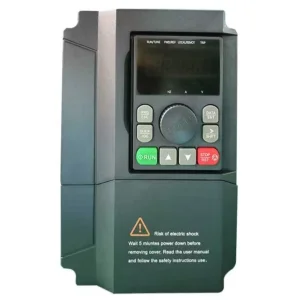
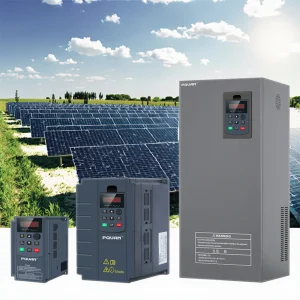
For isolated agricultural irrigation systems, hybrid solar pump controllers with integrated MPPT and Variable Frequency Drives (VFD) enable smooth operation of deep well pumps. They can dynamically regulate speed based on instantaneous solar irradiation, completely eliminating the need for expensive fossil-fuel diesel backup.
Addressing key implementation, electrical safety, and design integration considerations for global EPC buyers.
High-Voltage battery systems (typically 200V to 800V DC) operate at significantly lower current ranges compared to standard 48V systems for the same power rating. According to Joule's first law, conduction loss decreases quadratically with lower current. This significantly reduces heat generation, allows for slimmer cables, increases the overall round-trip conversion efficiency (RTE) to over 98%, and enables compact hardware packaging.
Our modern manufacturing facility in Jiangxi implements automated PCBA processing lines including high-speed SMT placement, Automated Optical Inspection (AOI), wave soldering, and comprehensive mechanical functional testing. Every inverter is subjected to rigorous full-load thermal aging testing before packaging to ensure high reliability and minimize out-of-box failures.
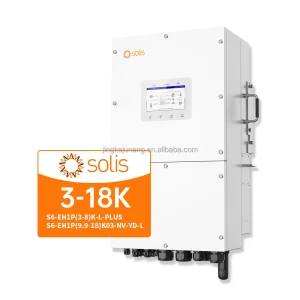
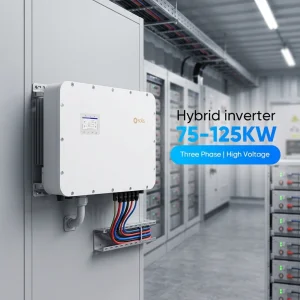
Yes, our three-phase commercial hybrid storage systems (such as the Solis S6 100kW/125kW) feature multi-energy input capability. They support direct input terminals for diesel generators with automatic generator start/stop control, as well as auxiliary inputs for wind-turbine rectifiers.
Our Shenzhen R&D facility offers comprehensive customization support, including structure design, private label silk screening, localized grid compliance firmware adjustments (modifying anti-islanding parameters, voltage/frequency trip thresholds), as well as integrating custom communication protocols (e.g., Modbus TCP/RTU, CAN) to interface with third-party industrial energy management software (EMS).
Engineered for dynamic load variations, agricultural irrigation systems, and grid-support services.
 Yde Power