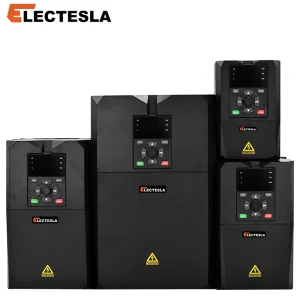
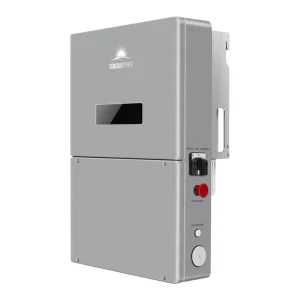
Advanced low voltage hybrid inverters and customized energy storage systems tailored for global developers, distributors, and EPC integrators.
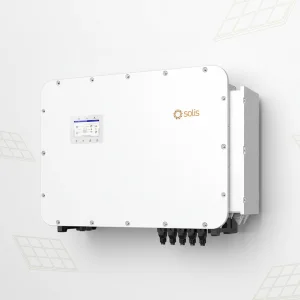
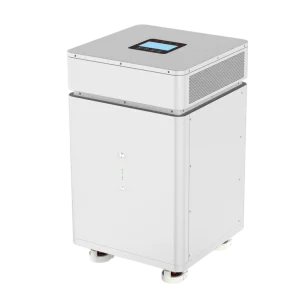
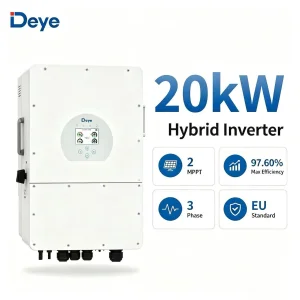
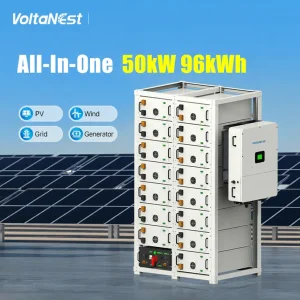
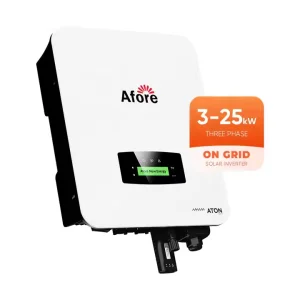
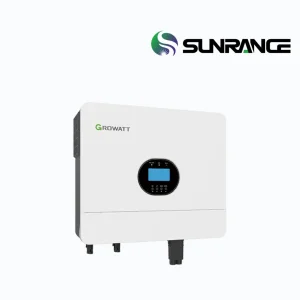
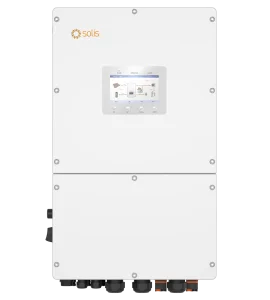
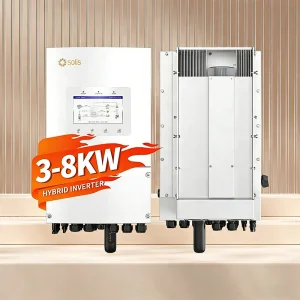
The global renewable energy paradigm is undergoing a massive shift from simple grid-tied solar generation to dynamic, self-optimizing energy storage systems (ESS). At the center of this revolution is the Low Voltage Hybrid Inverter. Operating typically within the 48V to 51.2V DC range, these systems represent the gold standard for residential and small commercial projects due to their inherent safety, architectural flexibility, and compatibility with advanced Lithium Iron Phosphate (LiFePO4) chemistries.
Low voltage hybrid inverters integrate multiple energy sources—solar panels, battery banks, the utility grid, and even auxiliary diesel generators—into a single managed power system. Modern systems utilize advanced Maximum Power Point Tracking (MPPT) algorithms to optimize energy harvest, alongside seamless automatic transfer switches (ATS) that provide milliseconds-level backup power during grid blackouts.
B2B energy stakeholders, EPC companies, and utility developers demand long-term durability and regulatory compliance when vetting global manufacturers. Procurement strategies must prioritize components that carry international certifications such as UL1741 (for the North American market), CE / CEI 0-21 (for Europe), and VDE-AR-N 4105.
Furthermore, in regions with unstable utility grids, like Parts of Africa, South America, and Eastern Europe, the hybrid inverter must feature a robust split-phase output capability, grid-forming functionalities, and dry-contact relays for diesel generator control. Suppliers must demonstrate rigorous testing regimes, including thermal chambers, full-load burn-in cycles, and Automated Optical Inspections (AOI) to guarantee operational life cycle expectations exceeding 10 to 15 years.
| Feature Parameter | Standard Threshold | High-Performance Standard |
|---|---|---|
| Max. Efficiency | 96.0% | 97.5%+ (Solis/Deye grade) |
| Switch Time (ATS) | < 20 ms | < 4 ms (Seamless backup) |
| Ingress Protection | IP20 / IP54 | IP65 / IP66 Dust & Water proof |
| BMS Protocol | Modbus standard | Dual CAN & RS485 Auto-matching |
Advanced Global Manufacturing Partner for Residential, Commercial & Industrial Energy Storage Solutions
Shenzhen Yde Power Co., Ltd. is a professional manufacturer specializing in residential, commercial, and industrial energy storage systems (ESS). Headquartered in Shenzhen, China, the company integrates research and development, production, sales, and service to deliver comprehensive clean energy solutions to global markets.
In addition to its headquarters in Shenzhen, Yde Power operates a modern ISO9001-certified manufacturing facility in Jiangxi Province, equipped with advanced automated production lines and stringent quality control systems. The company also maintains a dedicated R&D center in Shenzhen, focusing on continuous innovation in battery management systems (BMS), system integration, and intelligent energy optimization technologies.
Shenzhen Yde Power Co., Ltd. is committed to the development of efficient, safe, and environmentally friendly energy storage solutions. Its product portfolio includes residential battery storage systems, commercial and industrial energy storage cabinets, and scalable utility-grade ESS solutions designed to support grid stability, renewable energy integration, and peak shaving applications.
With the expansion of its Jiangxi manufacturing base, the company has significantly enhanced its production capacity, supply chain efficiency, and product diversity. This enables Yde Power to respond quickly to global customer demands while maintaining high standards of reliability and performance.
A comprehensive look at our advanced manufacturing lines in Jiangxi, showing the precise processes involved in building industry-leading energy storage components.
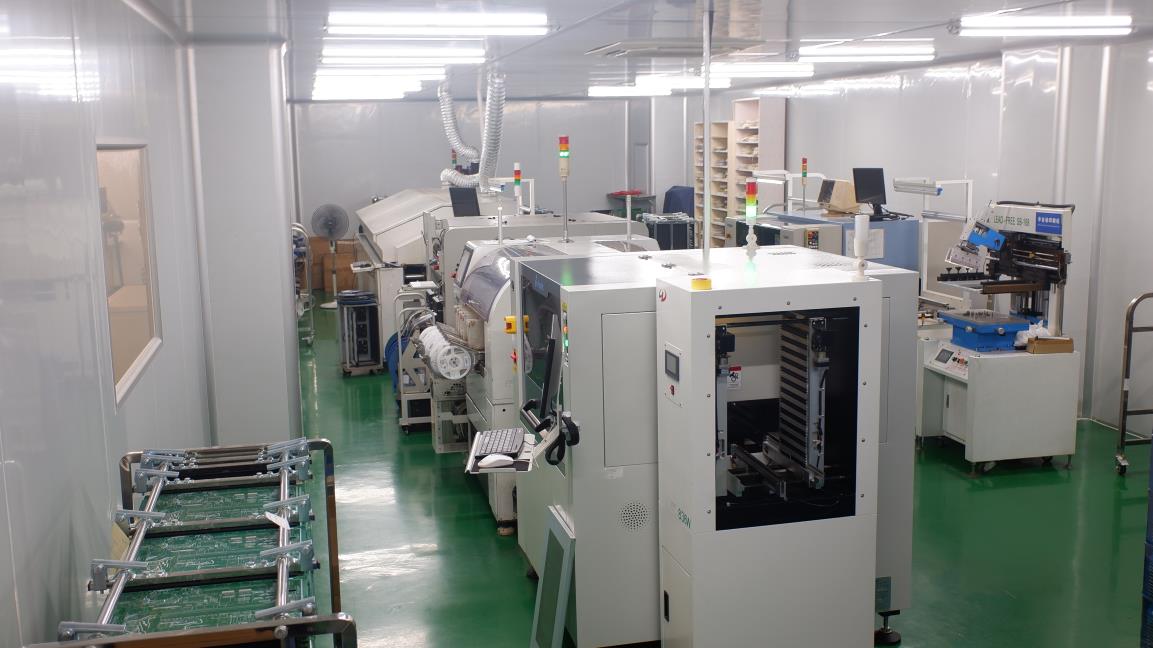
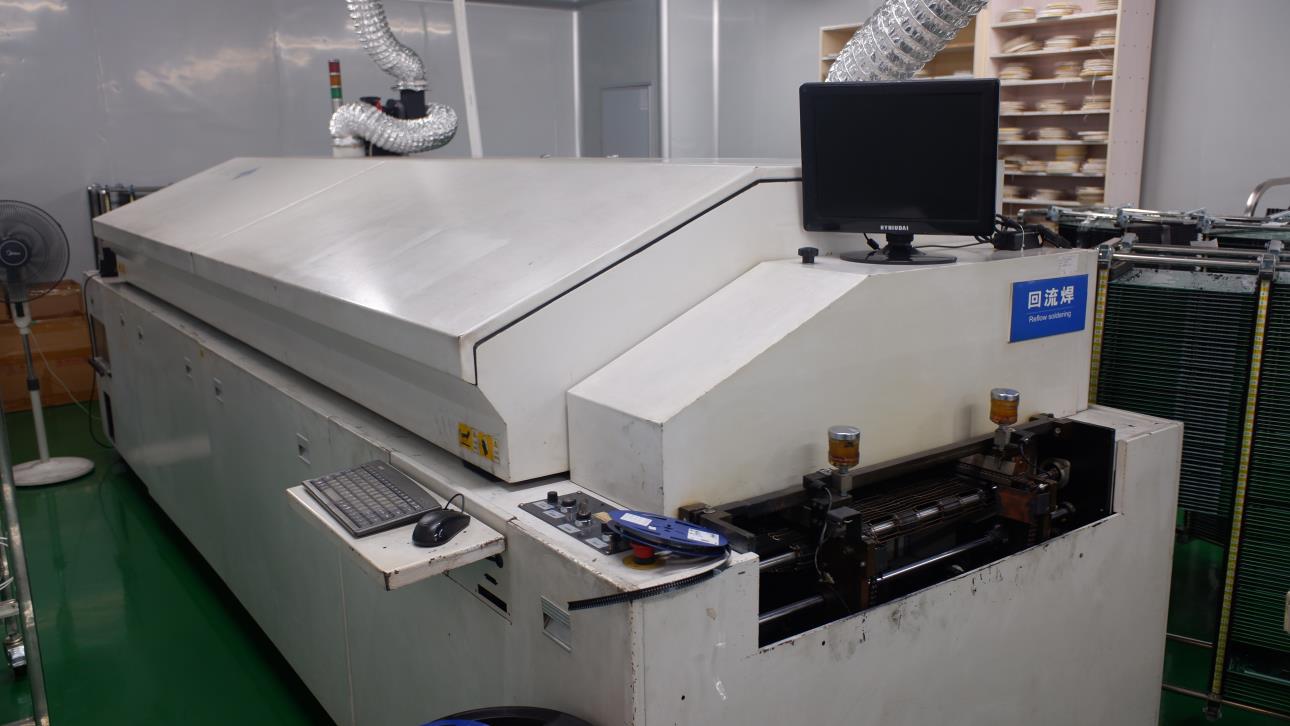
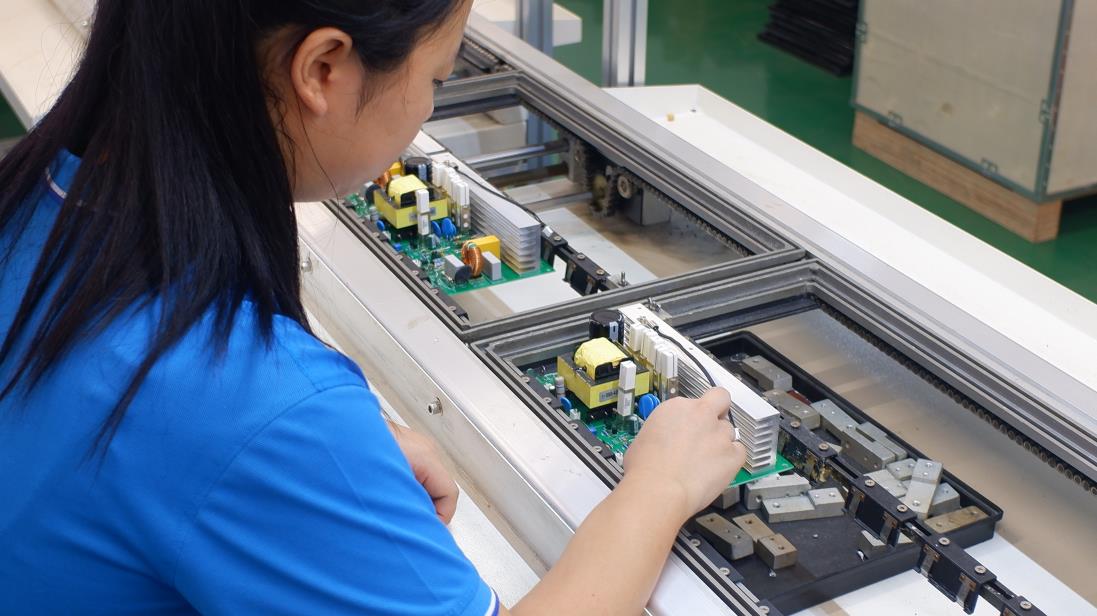
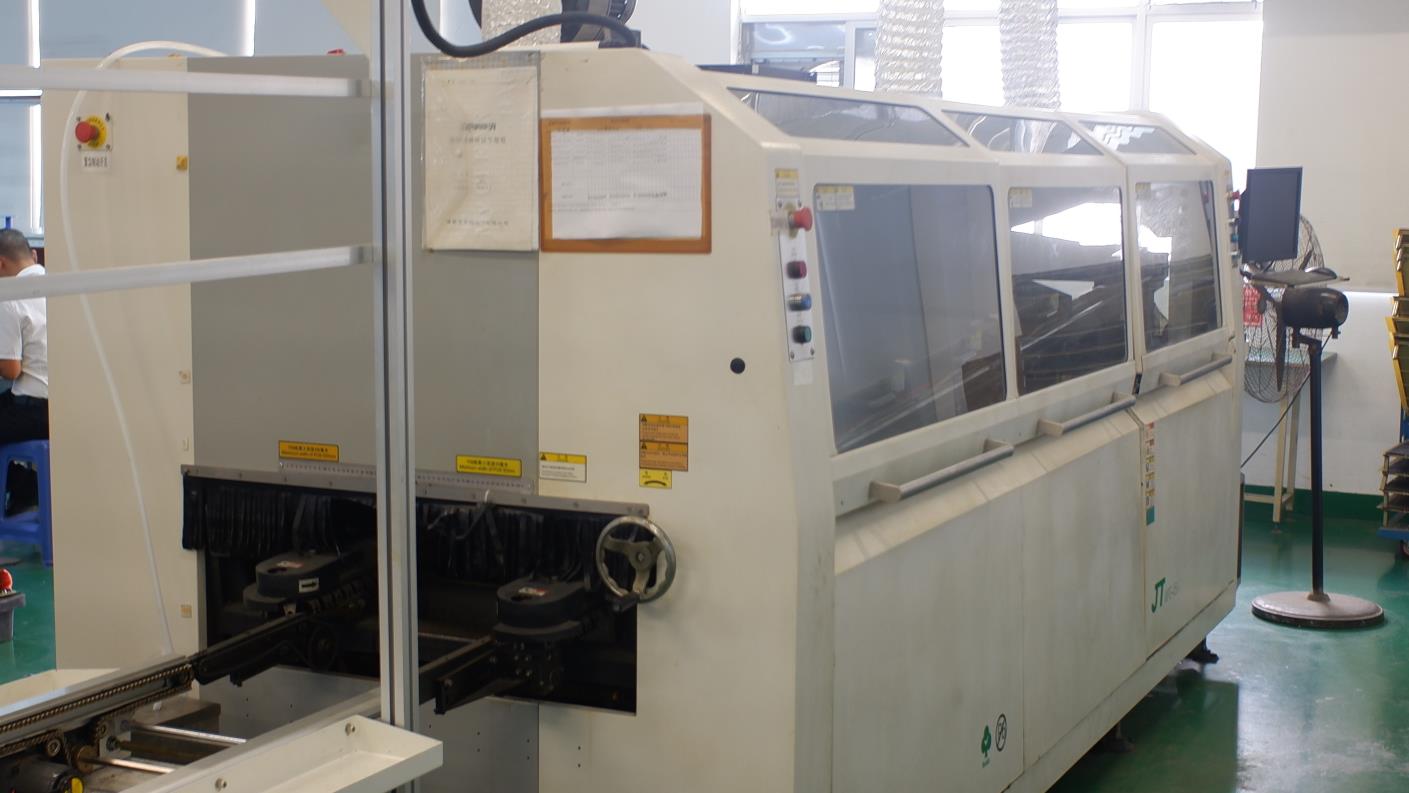
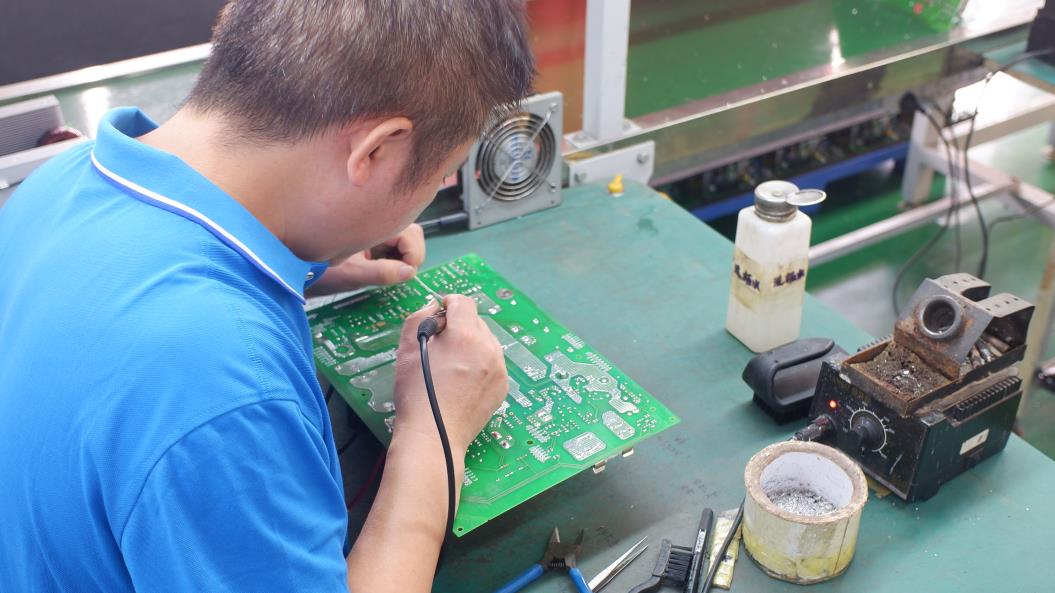
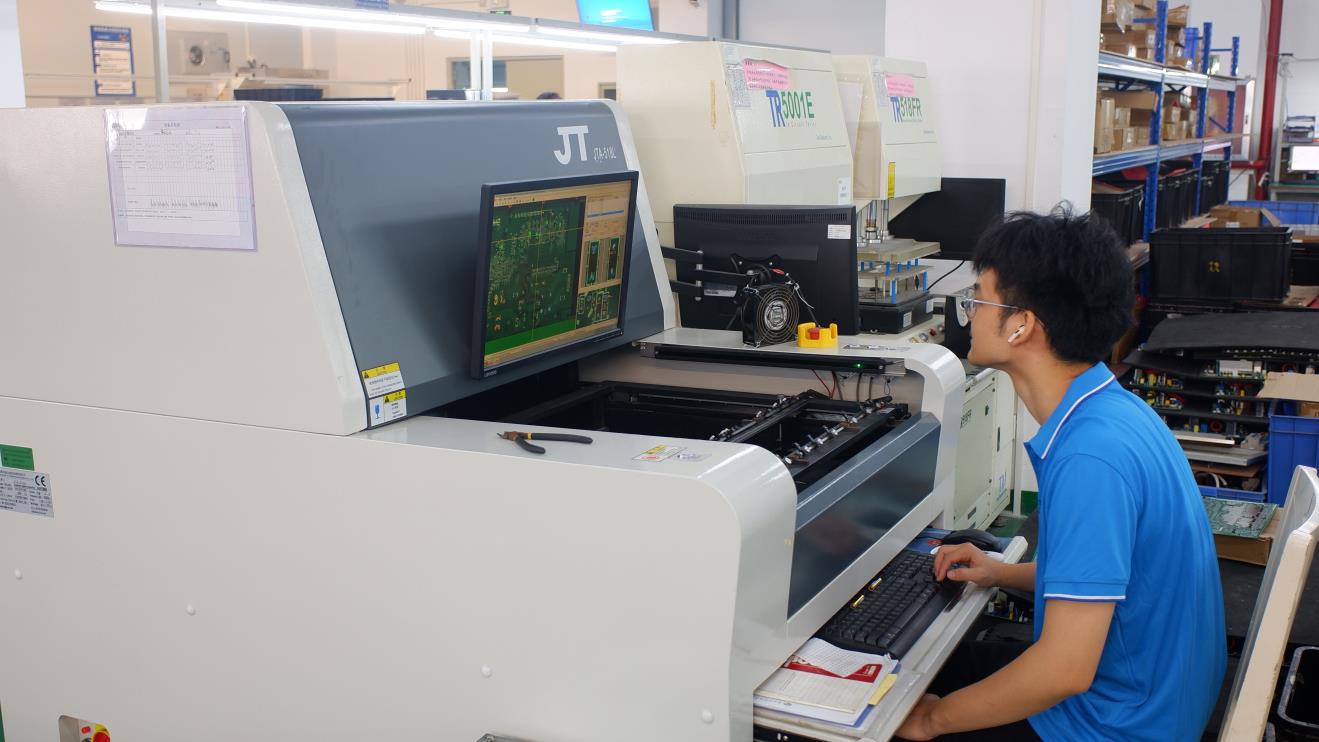
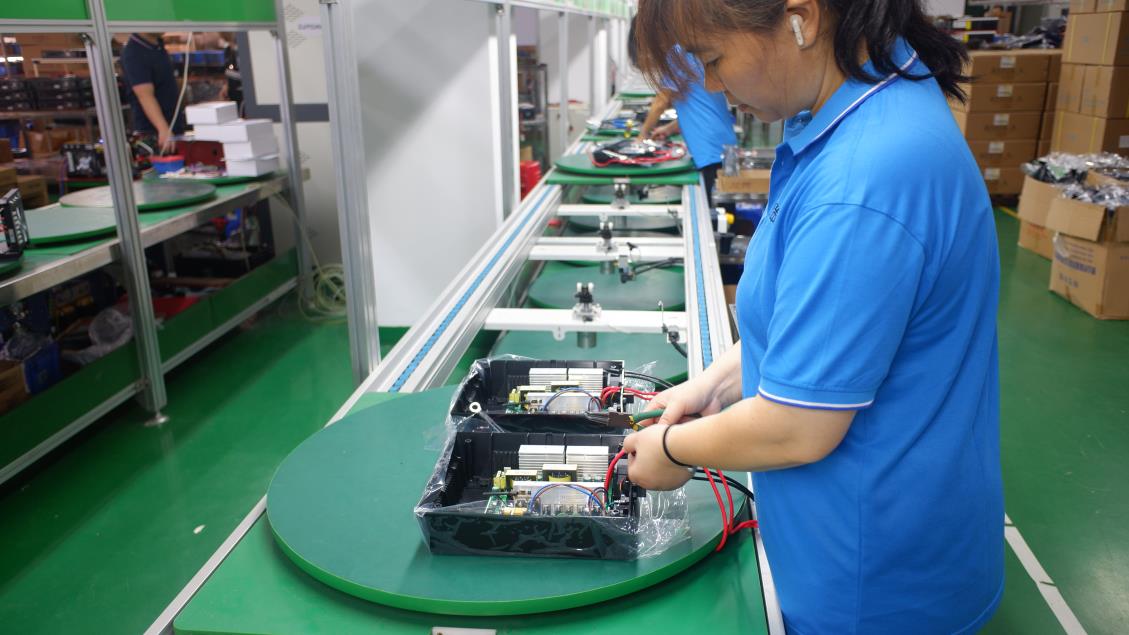
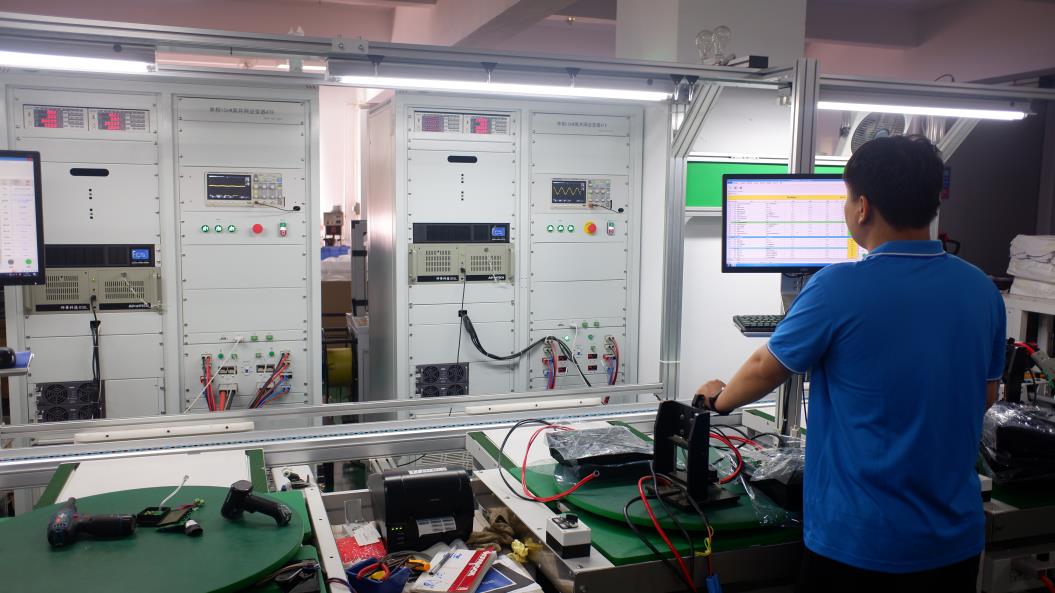
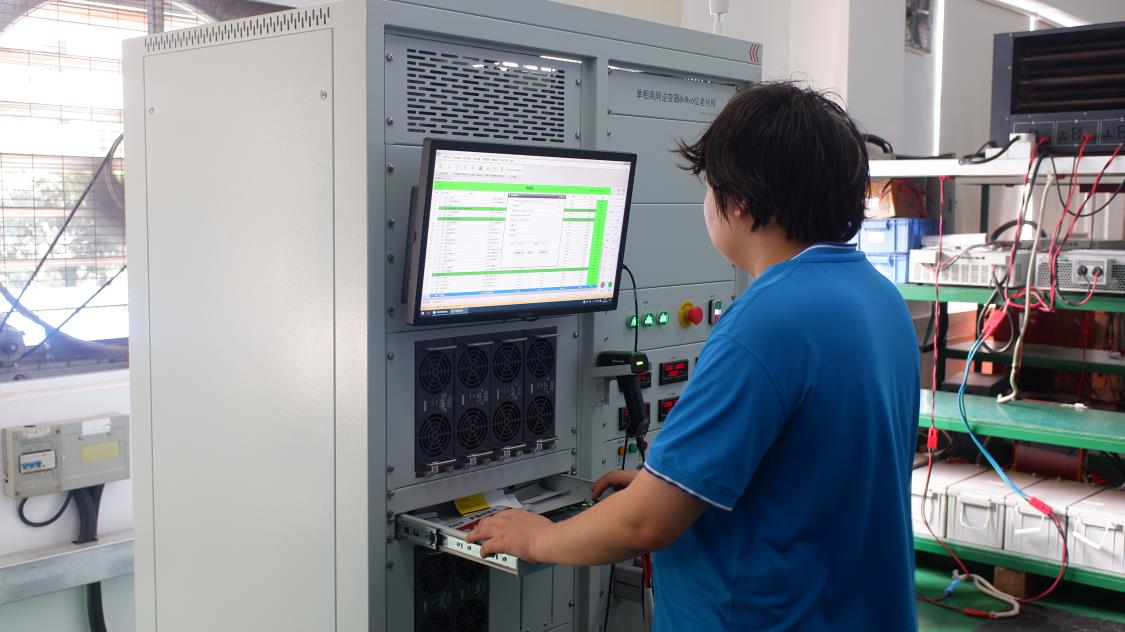
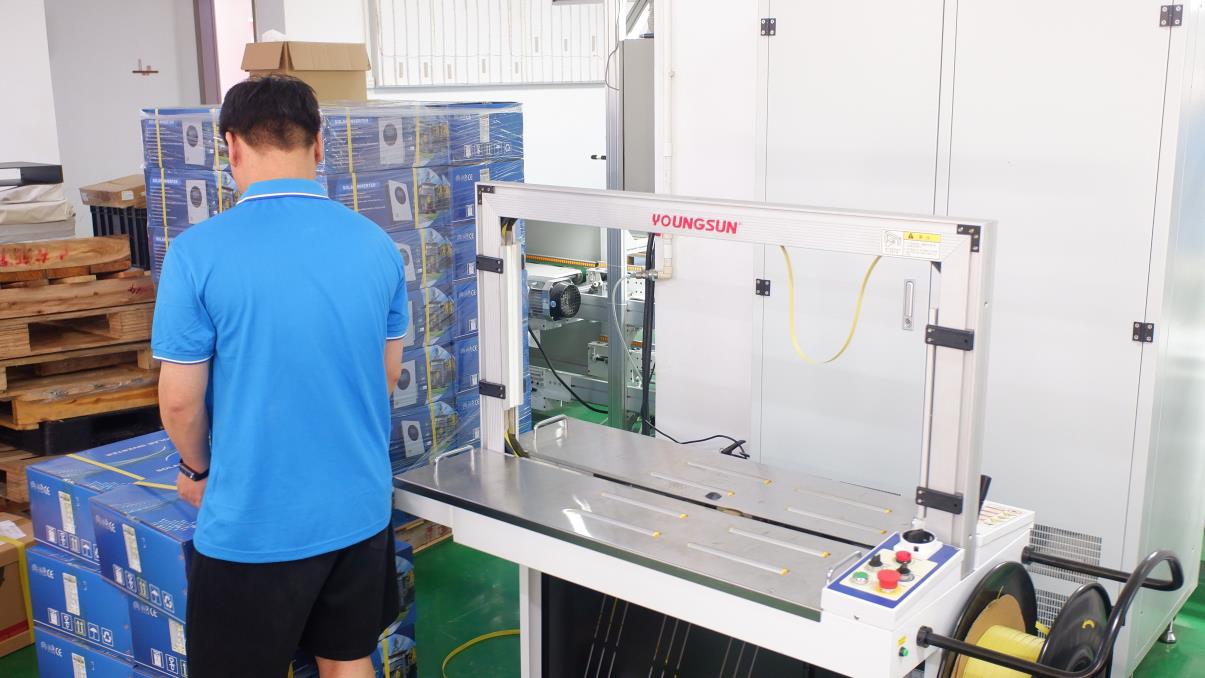
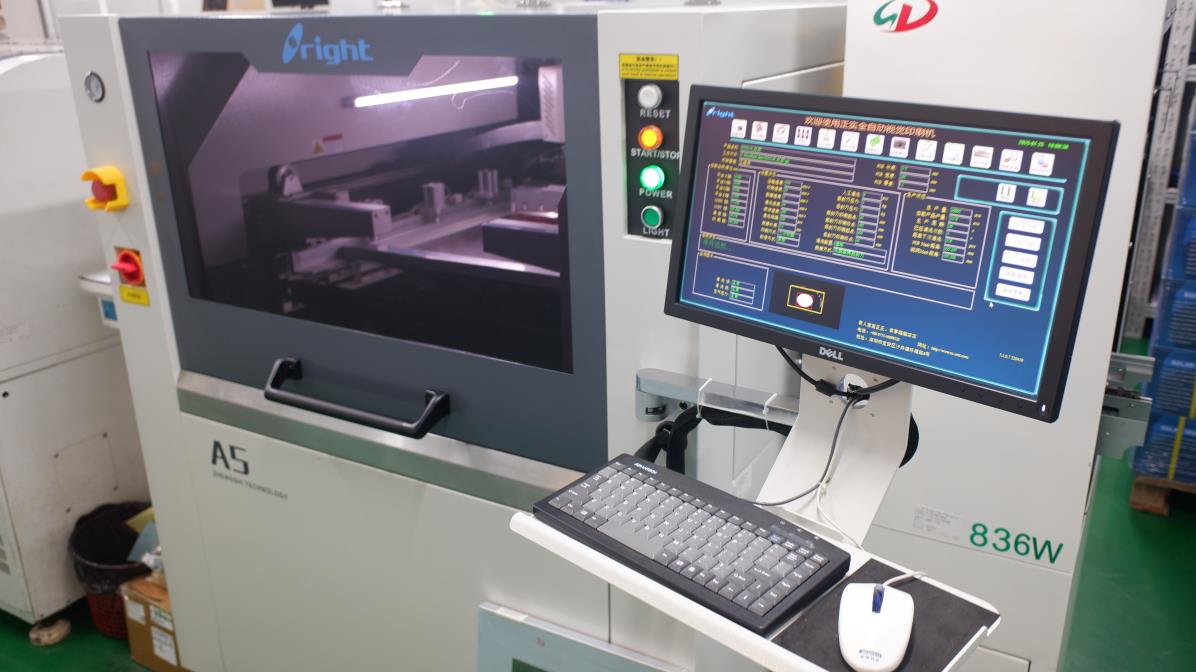
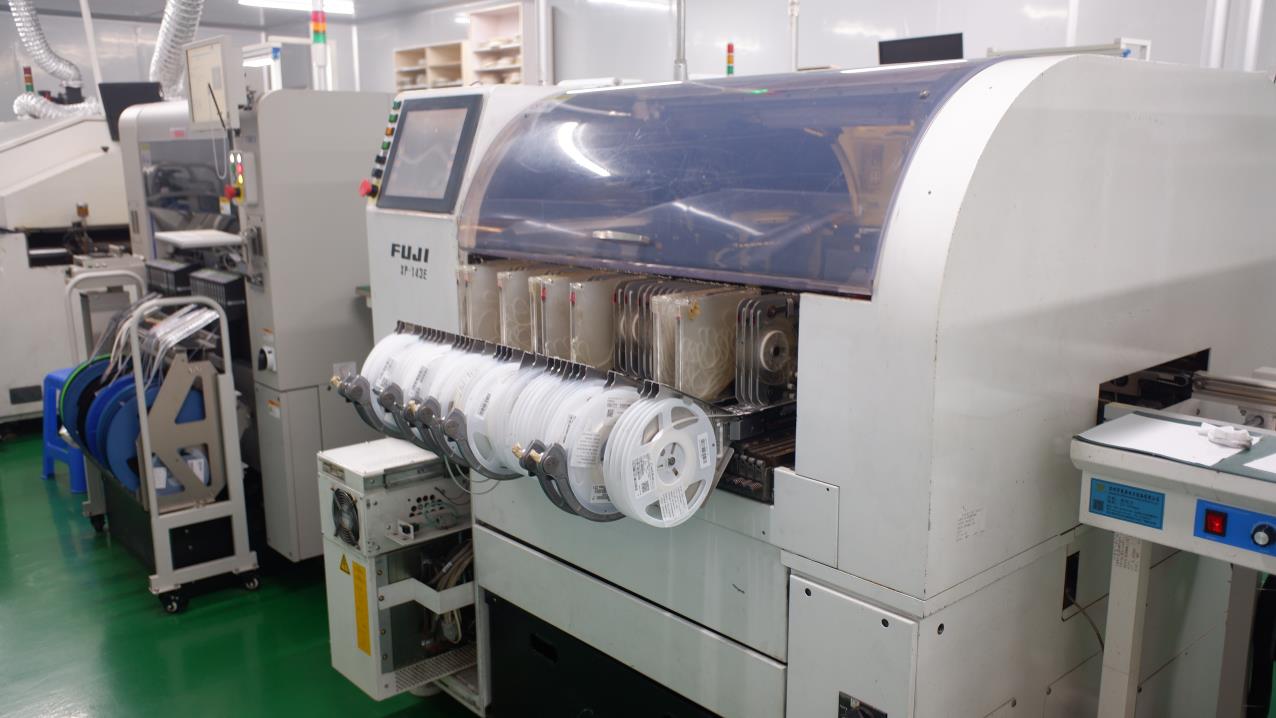
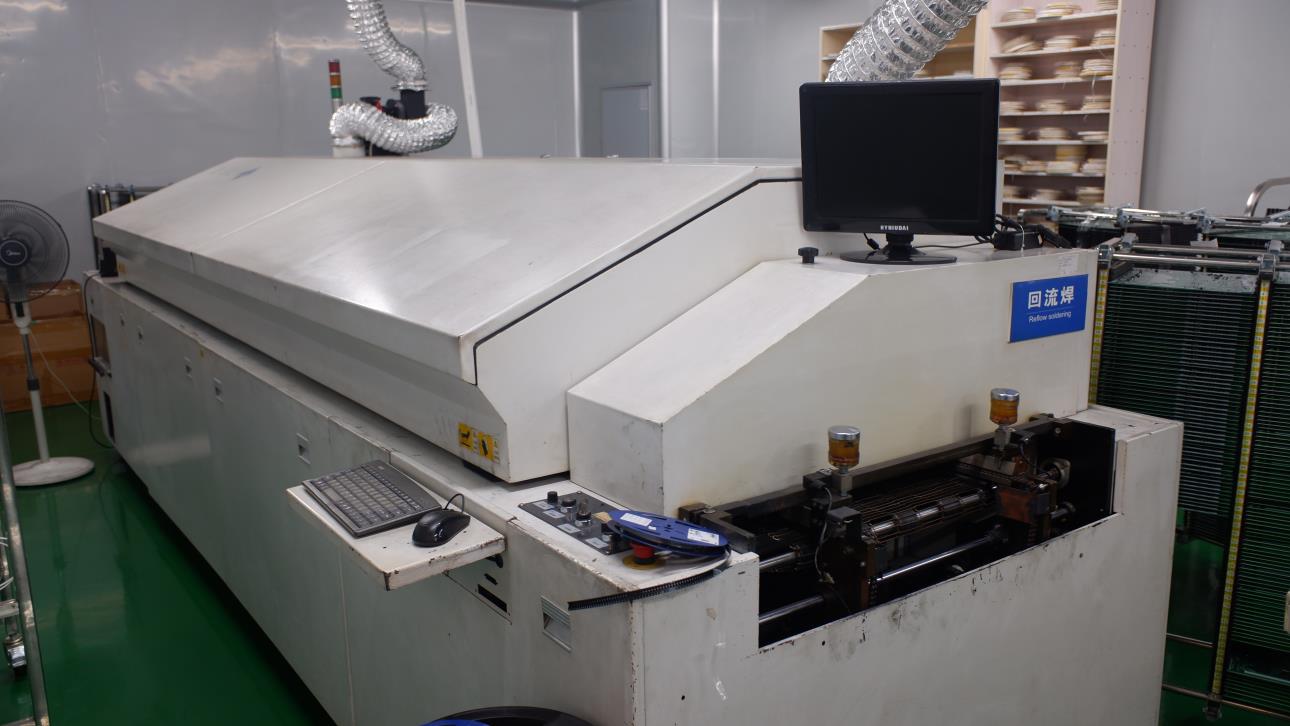
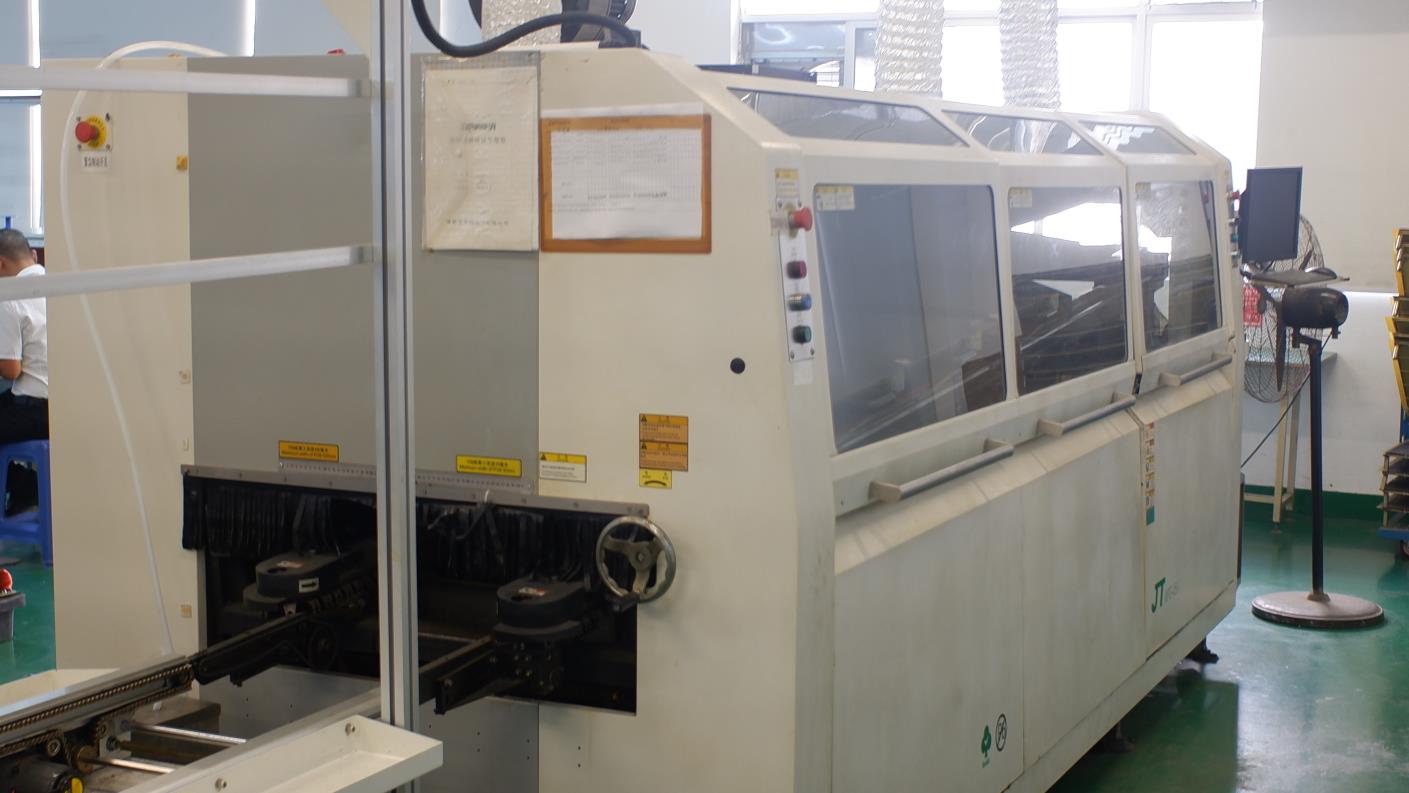
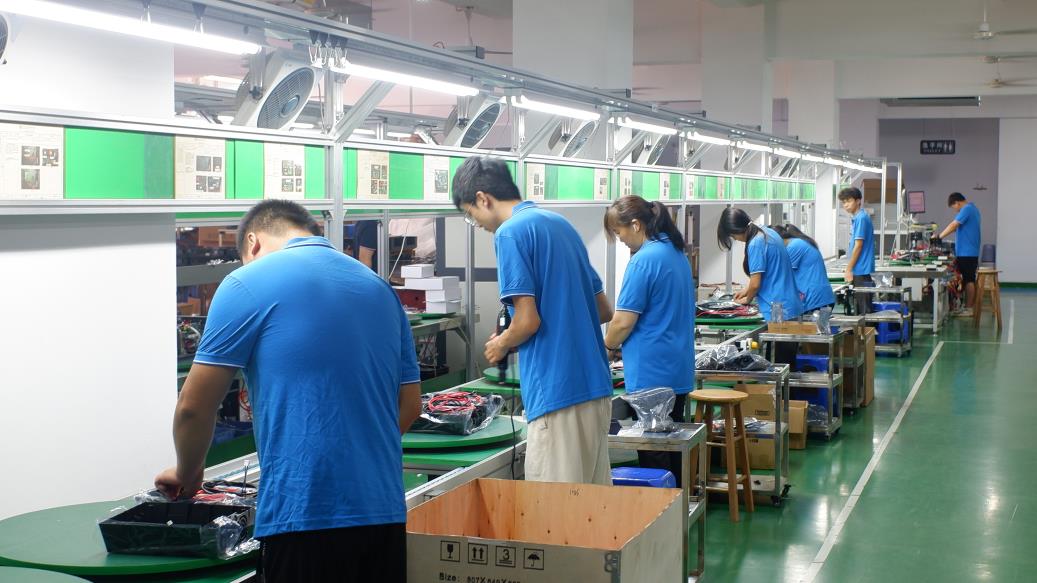
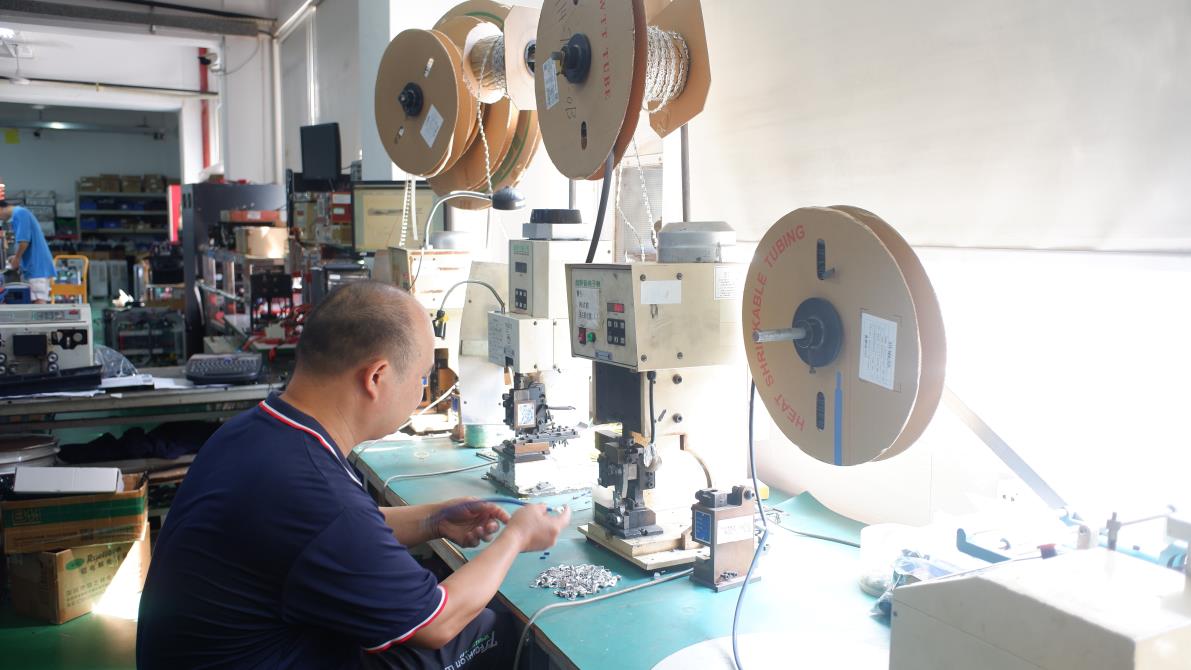
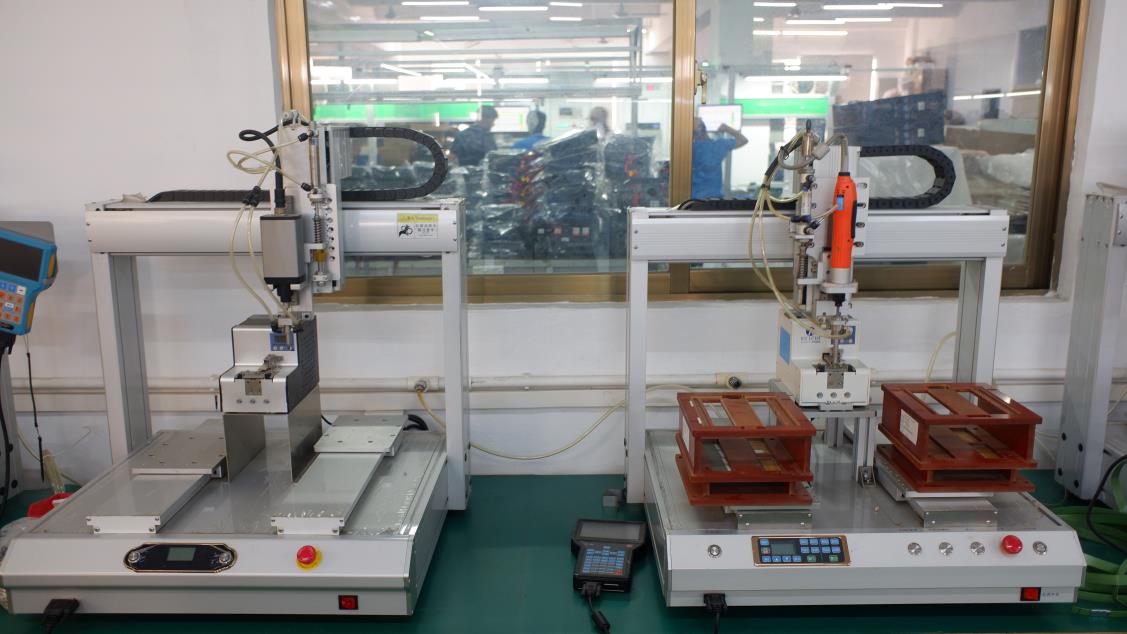
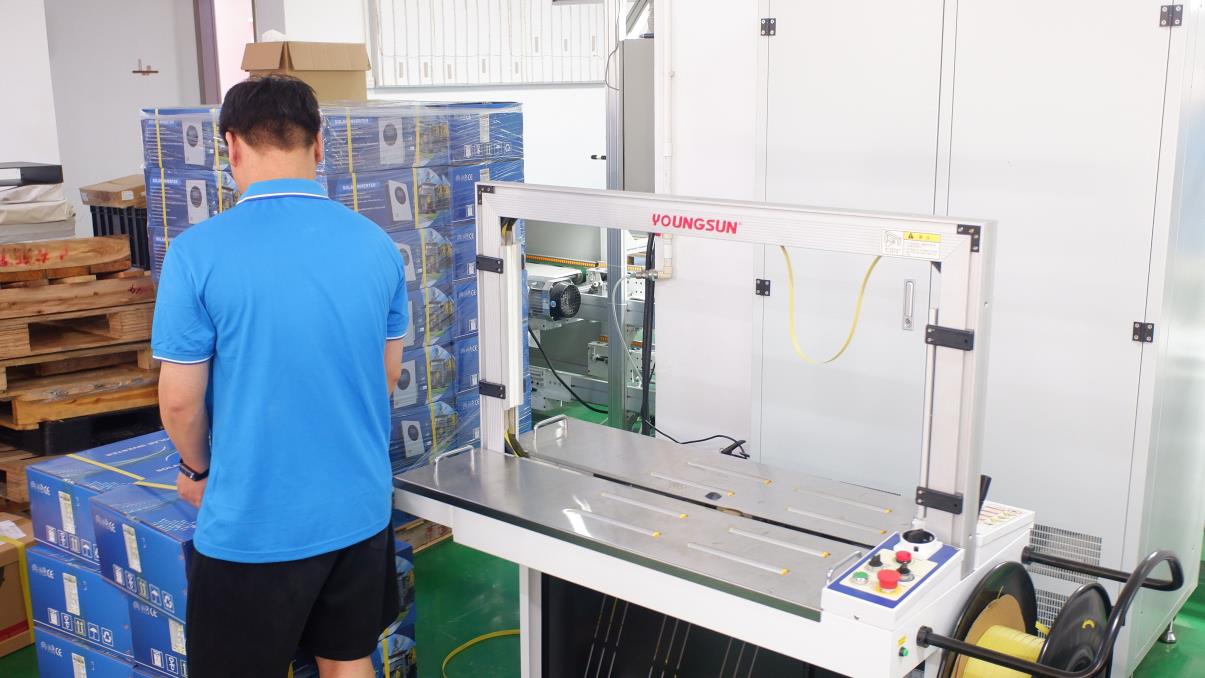
The manufacturing capabilities of Shenzhen Yde Power Co., Ltd. reflect China's industrial shift toward "Factory 4.0". By deploying fully automated Surface Mount Technology (SMT) lines, reflow welding, and robotic wave soldering machines, the manufacturing facility minimizes manual variations. This process leads to lower Defective Parts Per Million (PPM) rates in critical PCB assemblies.
Furthermore, Yde Power's location in the Pearl River Delta industrial ecosystem allows fast component sourcing—ranging from high-end power semiconductors to raw LFP lithium cells. This integrated supply chain reduces lead times for bulk orders and enables custom OEM/ODM designs. Each system undergoes automated assembly, high-voltage insulation tests, operational PCBA verification, and real-time load/temperature aging before final packaging.
Low voltage hybrid inverters and customized storage configurations serve a wide range of global settings. In commercial operations, these systems handle Peak Shaving, charging batteries during off-peak hours (low tariff) and discharging during peak demand hours. This configuration helps reduce steep demand charges from local utilities.
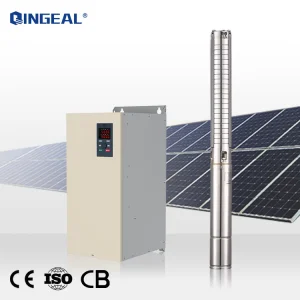
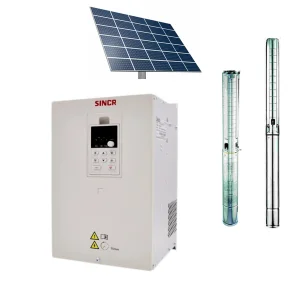
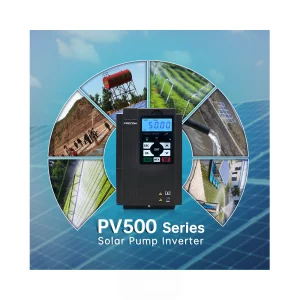
In rural agricultural development, systems like our high-flow solar deep well irrigation pumps run directly on variable DC solar arrays or battery banks. This enables constant crop watering in off-grid rural areas without relying on expensive and high-maintenance diesel generators.
Review standard technical questions regarding system configuration, battery pairing, and performance optimization.
Browse our catalog for residential configurations, commercial storage cabinets, high-voltage solutions, and agricultural pump systems.
 Yde Power