Engineered for absolute dynamic response, high-precision MPPT loop calculation, and utility-scale dispatch reliability.
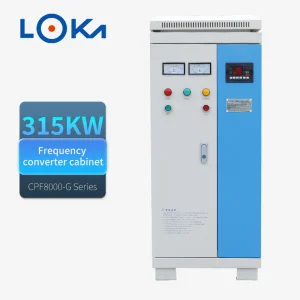
Decentralized Power Topologies and the Critical Role of Intelligent Core Inverters
The contemporary macro-energy ecosystem is undergoing a foundational paradigm shift away from centralized transmission architectures toward hyper-localized, multi-source decentralized microgrids. This change is driven by volatile fossil fuel commodity prices, tightening grid codes, and the urgent necessity for corporate ESG alignment. In this context, the modern Custom OEM Micro Grid Energy Inverter is no longer a simple passive power conversion component. Instead, it serves as the master algorithmic driver of real-time supply-demand orchestration within closed-loop localized networks.
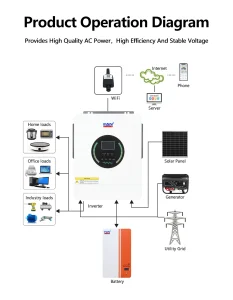
Industrial operations worldwide face systemic vulnerabilities from grid instability, peak-demand price spikes, and power quality degradation (such as sag, swell, and total harmonic distortion). For a microgrid system to maintain absolute operational integrity while operating under islanded (off-grid) conditions or tied to an unstable grid, its core inverters must provide deep functional adaptability. This includes instantaneous voltage and frequency regulation, zero-millisecond black-start capabilities, and real-time power vector smoothing. As a specialized OEM supplier and exporter, we design power electronics that manage complex bidirectional power streams from solar arrays, localized battery racks, diesel gensets, and traditional grids simultaneously.
Furthermore, the economic performance of commercial energy systems depends on how effectively the inverter handles dynamic peak shaving and load-shifting algorithms. By analyzing utility tariff structures through AI-driven edge EMS (Energy Management Systems), our custom microgrid inverters actively decide when to store energy, when to feed back to the grid to capture feed-in premiums, and when to completely isolate the local facility from grid anomalies. This strategic mitigation of peak capacity charges delivers immediate financial gains and long-term asset security for mission-critical industrial installations.
Advanced autonomous power-sharing algorithms enable seamless multi-inverter parallel configurations without common communication interlinks, eliminating single points of failure in complex setups.
High-frequency maximum power point tracking loops maintain conversion efficiency greater than 99.9%, even during extreme fast-moving cloud cover over high-capacity solar arrays.
Native four-quadrant active power control supports precise active and reactive power dispatching, matching strict power factor regulations set by global grid utility operators.
Tailoring specific hardware execution layers to harsh environments, critical infrastructure, and isolated processing nodes.
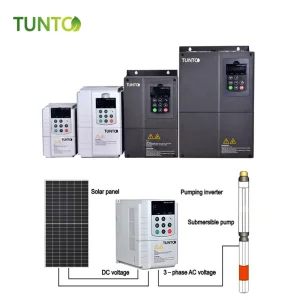
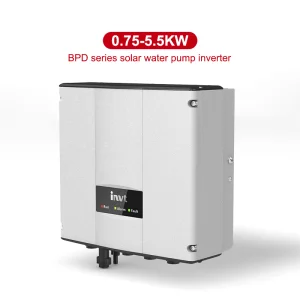
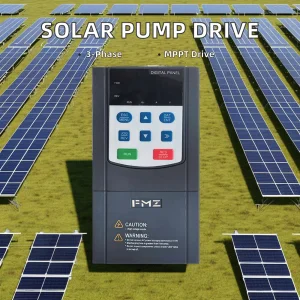
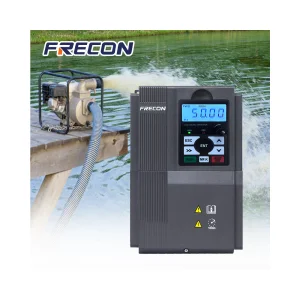
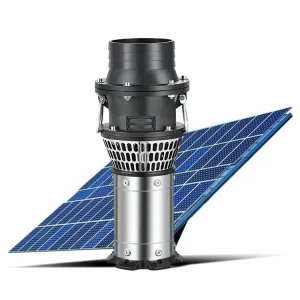
In regions where utility infrastructure is unavailable, agricultural irrigation relies on high-power water delivery systems. Our specialized 3-phase variable frequency drive (VFD) solar pump inverters convert erratic DC inputs from PV arrays into stabilized AC drive currents. Built-in dry-run protection and automatic water level management algorithms ensure stable operation for deep-well submersible pumps under variable solar irradiance.
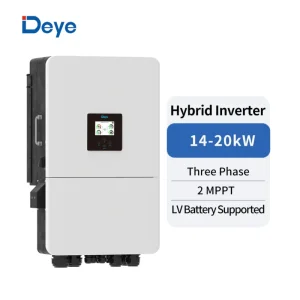
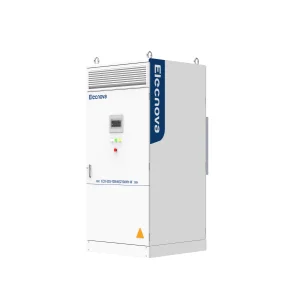
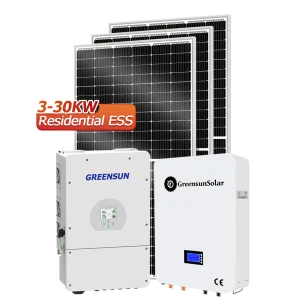
Manufacturing facilities with high inductive motor start-up current loads can cause severe demand spikes on local grids. Our custom hybrid microgrid systems combine utility-grade solar generation with LiFePO4 battery storage cabinets. The inverter prioritizes battery discharge during peak tariff hours, lowering facility operational expenditure while shielding CNC machines and automated assembly tracks from sudden voltage sags.
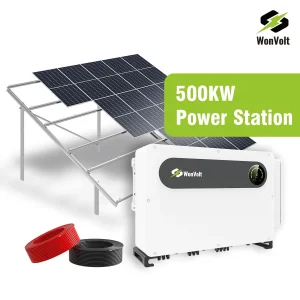
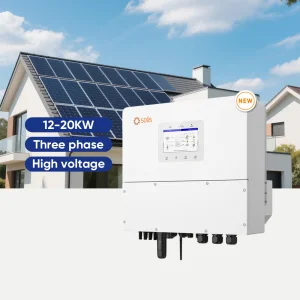
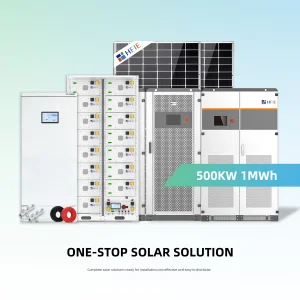
For islands and remote mineral extraction installations, fuel logistics for diesel gensets incur significant costs and risks. By integrating multi-megawatt high-voltage solar hybrid systems, our custom microgrid inverters throttle diesel engines down to minimal consumption states. The inverter maintains grid stability by providing virtual inertia and synthetic short-circuit current capability.
Driving the future of thermal performance, elevated switching frequencies, and AI edge compute analytics.
Replacing traditional IGBT topologies with wide-bandgap Silicon Carbide (SiC) MOSFETs drastically downscales switching energy losses, allowing for exceptionally high power density and ultra-compact enclosure configurations.
Embedded thermal imaging networks and digital twins feed structural telemetry into the inverter’s MCU. This allows the system to actively balance cooling fan velocities and shift internal power phases before localized hotspots develop.
Native implementation of Modbus TCP, CAN, and IEC 61850 protocol stacks guarantees immediate plug-and-play integration with SCADA systems, remote cloud asset dashboards, and distributed Virtual Power Plants (VPP).
Flexible wide-input high-voltage DC bus ranges accommodate a broad array of chemistry configurations, from standard LiFePO4 battery stacks to high-voltage sodium-ion cells and advanced flow battery arrays.
A Tier-1 Vertical Integration Leader in Residential, Commercial, and Industrial Energy Storage Systems
Shenzhen Yde Power Co., Ltd. is a professional manufacturer specializing in residential, commercial, and industrial energy storage systems (ESS). Headquartered in Shenzhen, China, the company integrates research and development, production, sales, and service to deliver comprehensive clean energy solutions to global markets.
In addition to its headquarters in Shenzhen, Yde Power operates a modern ISO9001-certified manufacturing facility in Jiangxi Province, equipped with advanced automated production lines and stringent quality control systems. The company also maintains a dedicated R&D center in Shenzhen, focusing on continuous innovation in battery management systems (BMS), system integration, and intelligent energy optimization technologies.
Shenzhen Yde Power Co., Ltd. is committed to the development of efficient, safe, and environmentally friendly energy storage solutions. Its product portfolio includes residential battery storage systems, commercial and industrial energy storage cabinets, and scalable utility-grade ESS solutions designed to support grid stability, renewable energy integration, and peak shaving applications.
With the expansion of its Jiangxi manufacturing base, the company has significantly enhanced its production capacity, supply chain efficiency, and product diversity. This enables Yde Power to respond quickly to global customer demands while maintaining high standards of reliability and performance.
Driven by innovation and sustainability, Shenzhen Yde Power Co., Ltd. continuously invests in new technologies, intelligent manufacturing processes, and international quality certifications. The company aims to become a trusted global partner in the energy storage industry, contributing to a cleaner and more sustainable energy future.
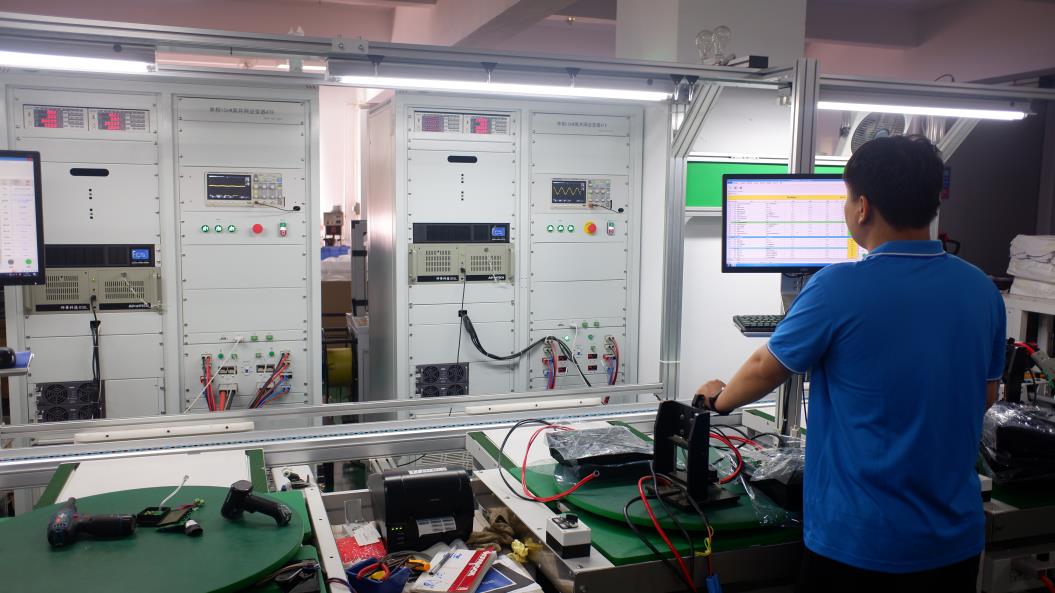
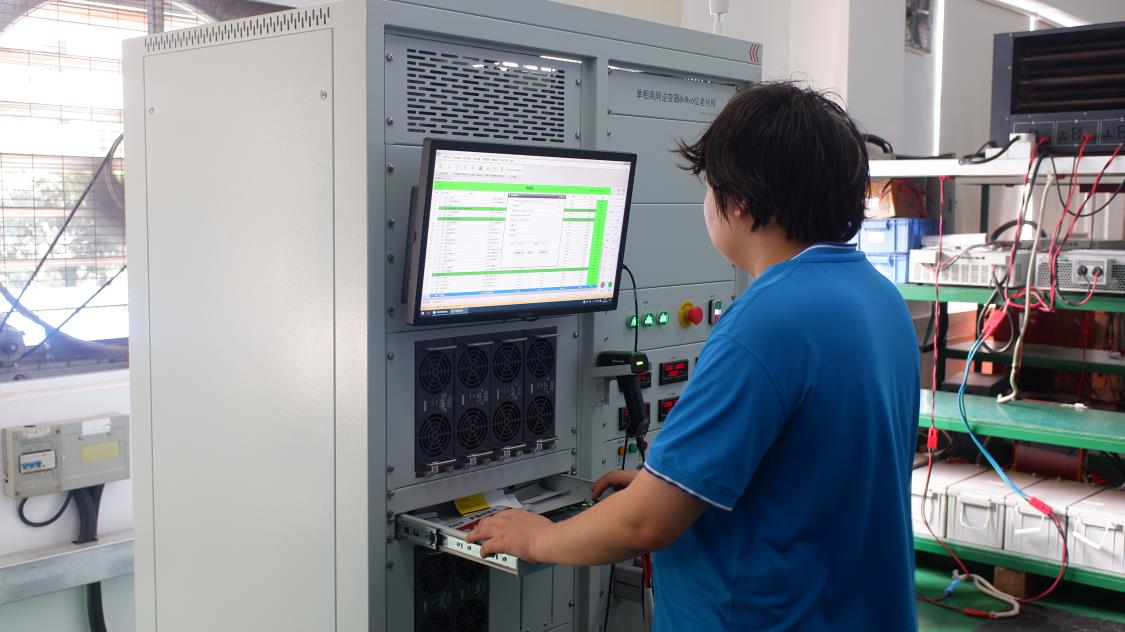
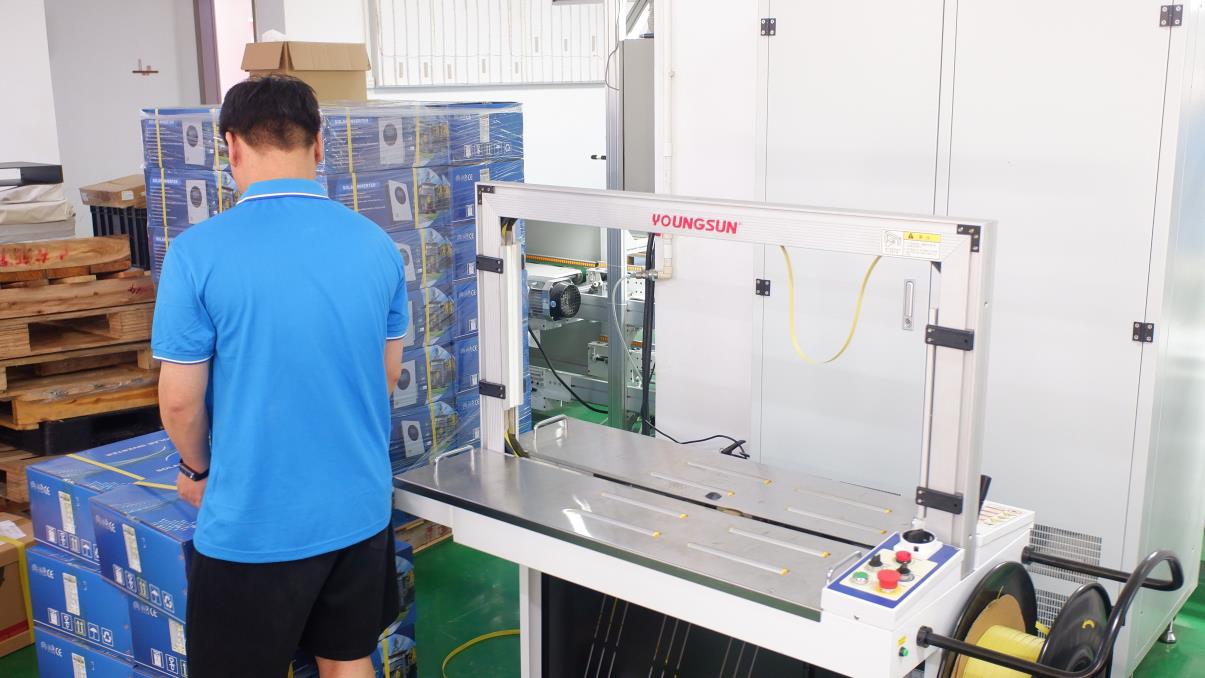
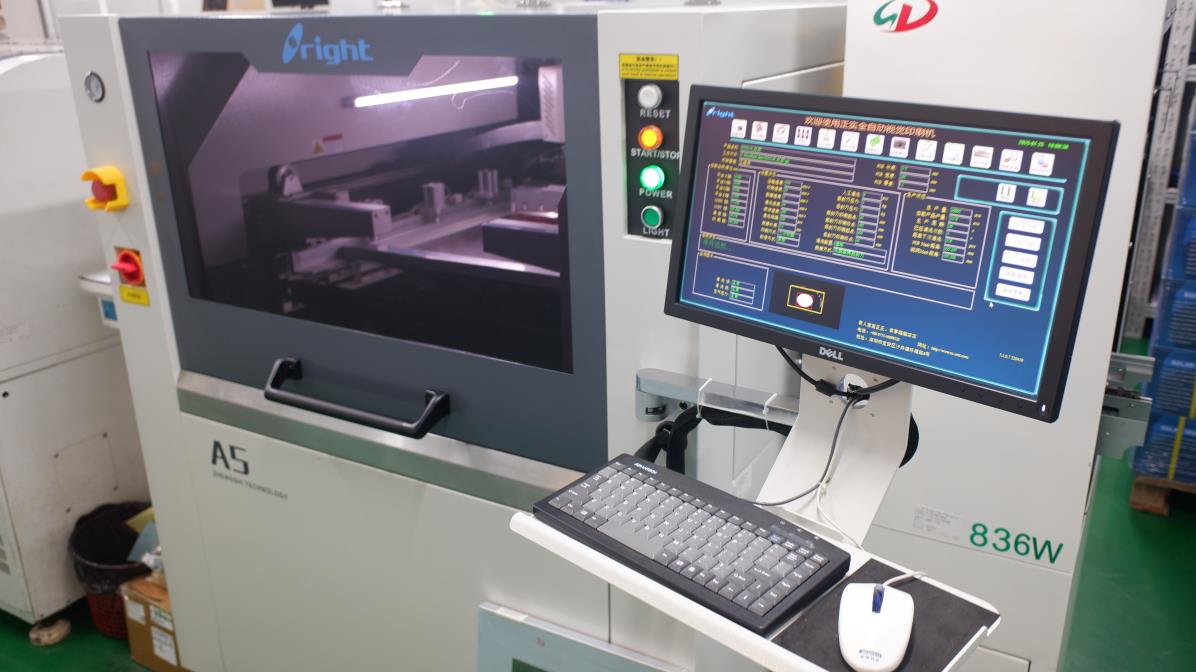
Step-by-step traceably executed components verifying absolute engineering excellence.
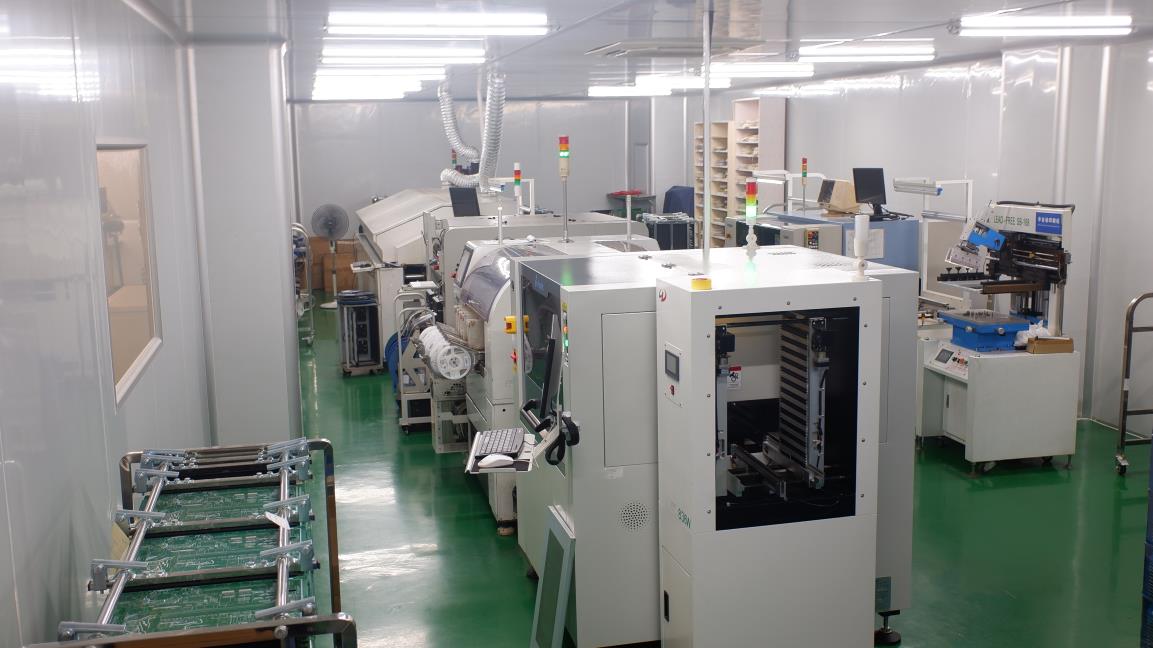
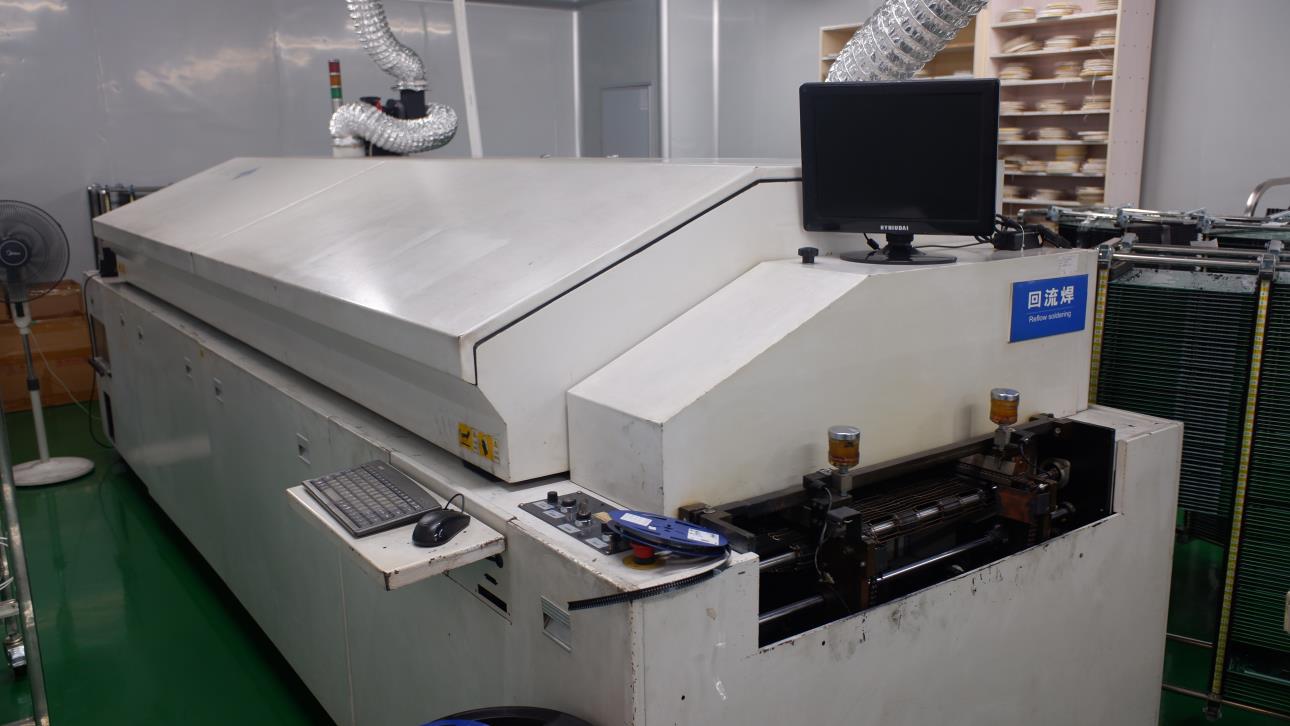
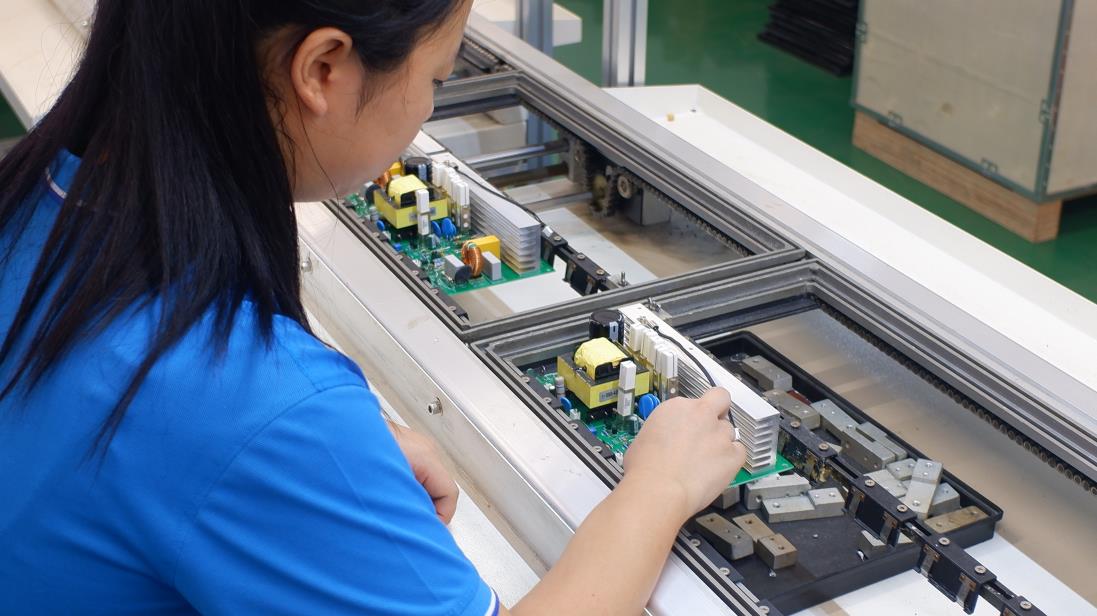
How our integrated design ecosystem translates to significant cost control and high reliable operational speed to market.
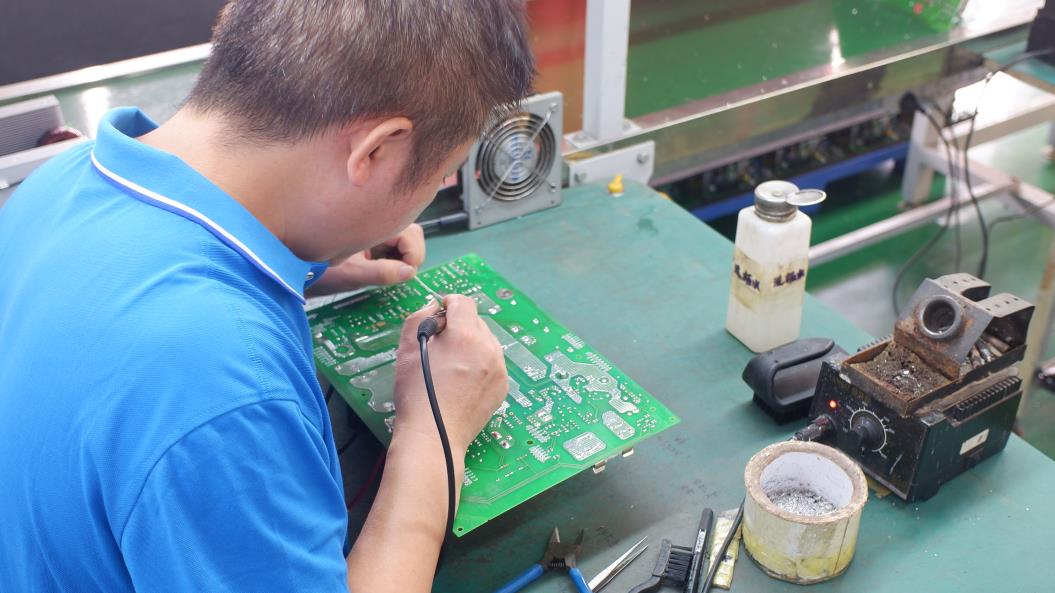
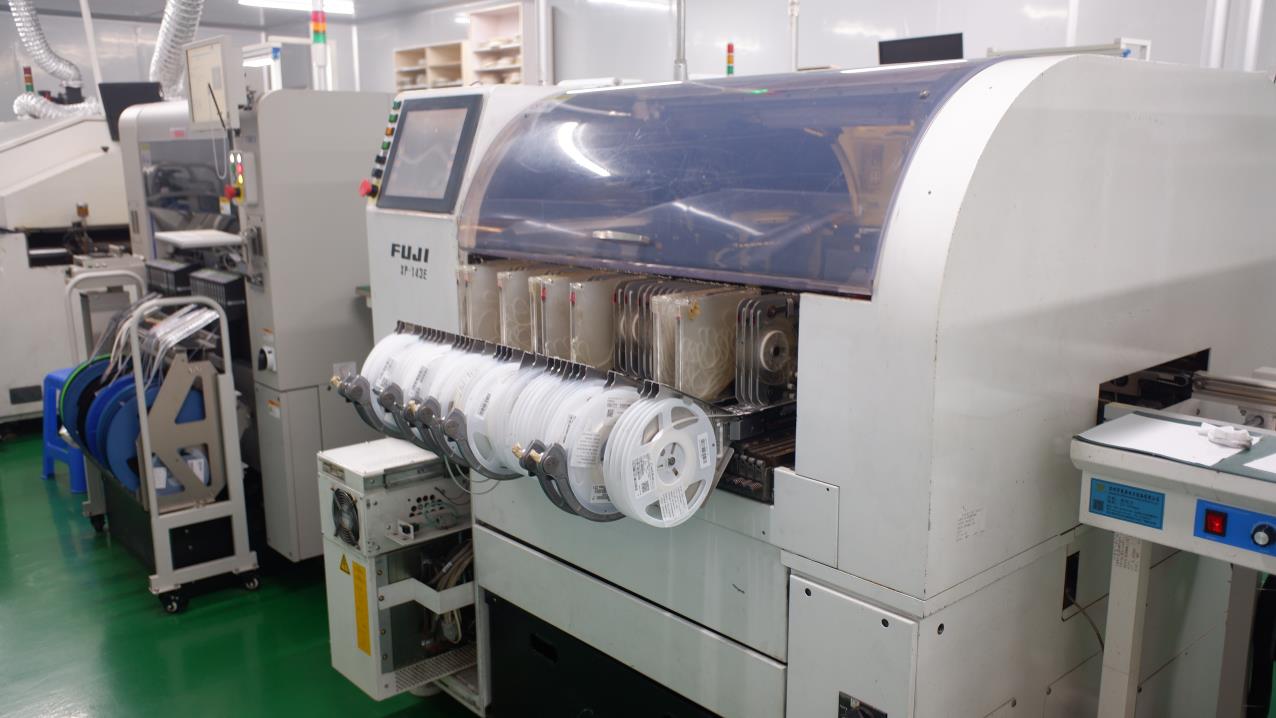
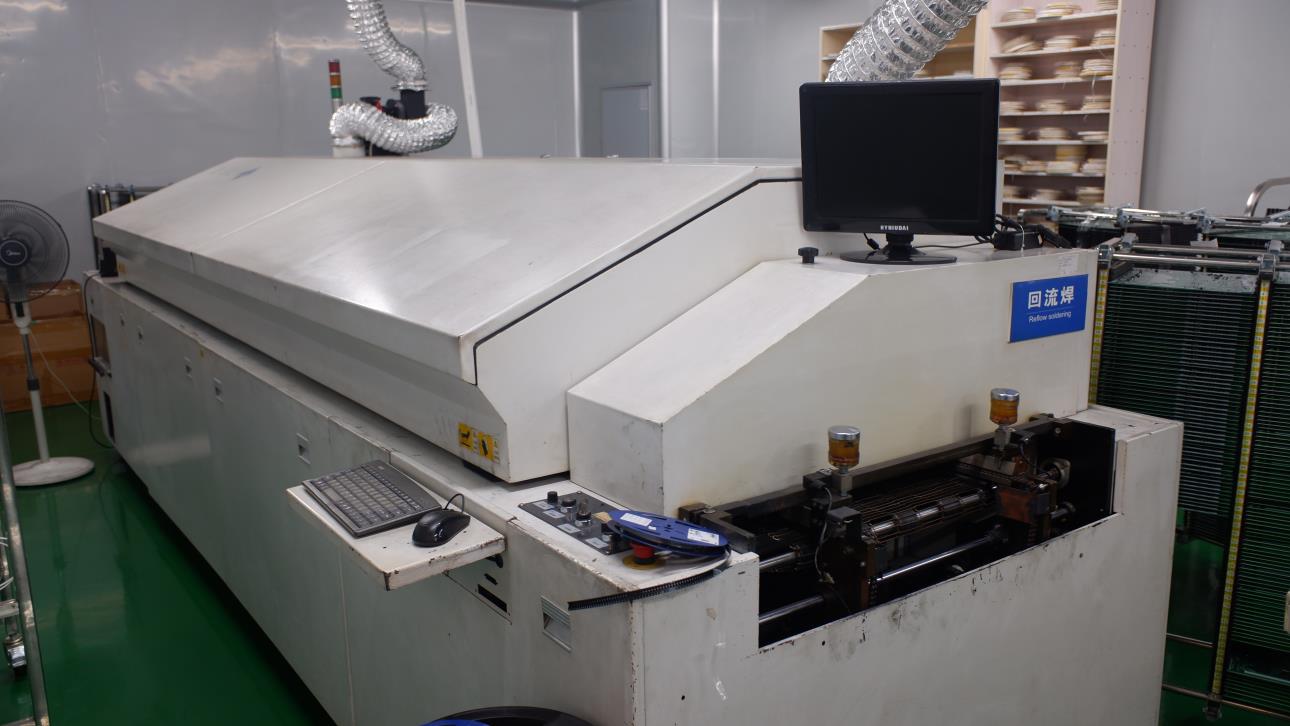
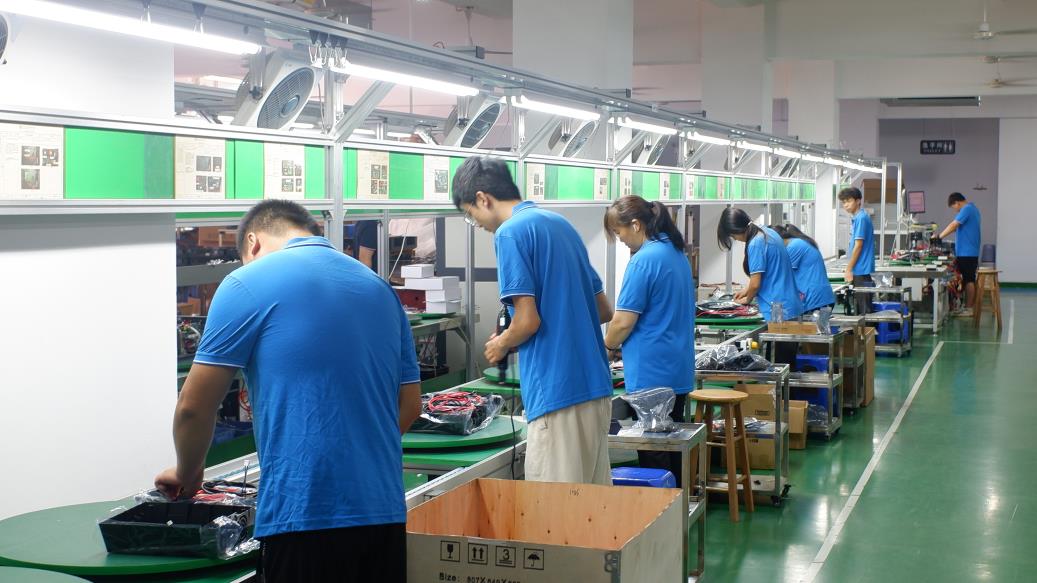
The core advantage of procuring customized power electronics from our Shenzhen-Jiangxi cluster lies in the unmatched concentration of the industrial supply chain ecosystem. In our facilities, the path from raw silicon wafer, PCB processing, and SMT layout to complex multi-layer firmware customization takes days instead of months. Our dual-hub manufacturing strategy balances the rapid engineering and component ecosystem of Shenzhen with the scalable, high-volume production efficiency of our Jiangxi base. This balance allows us to scale production rapidly while mitigating macroeconomic volatility.
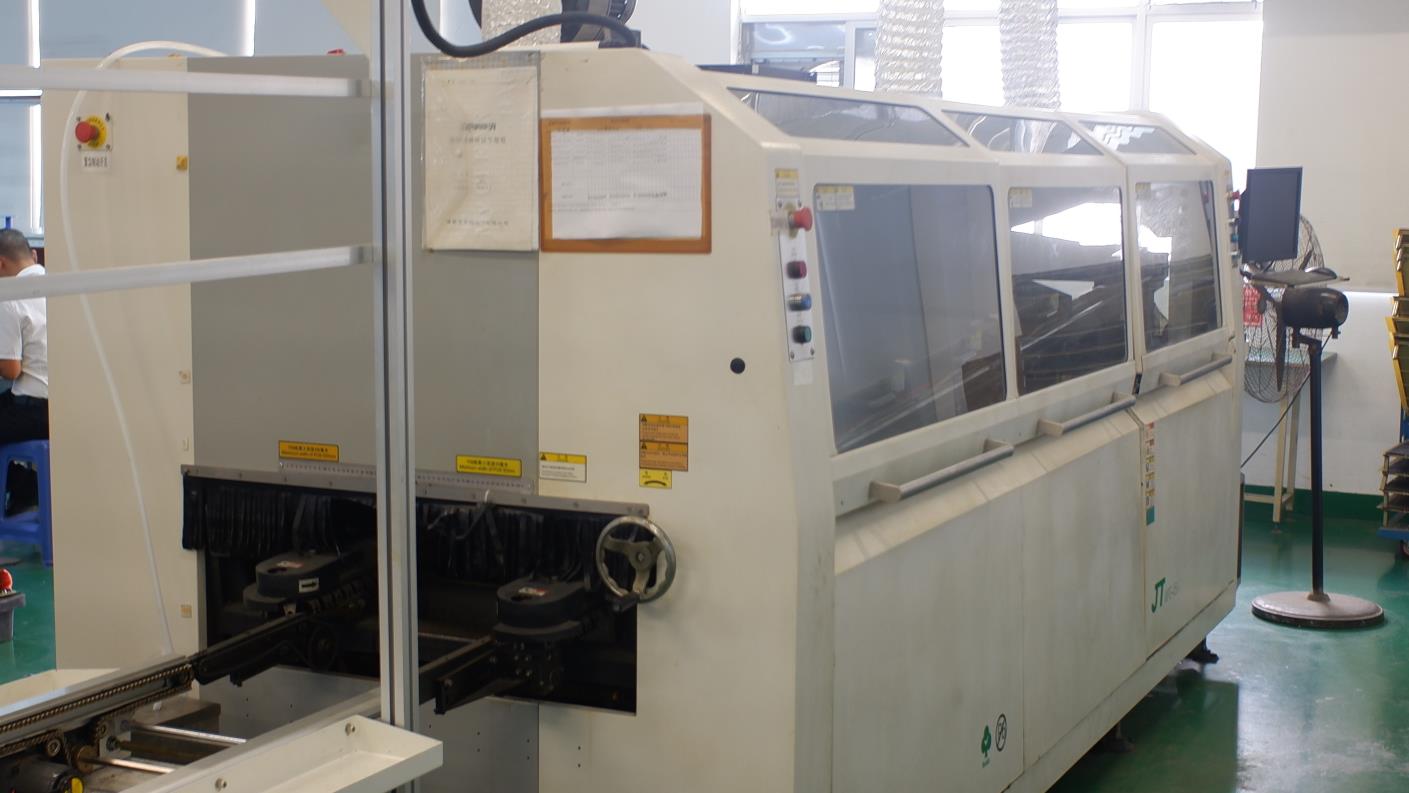
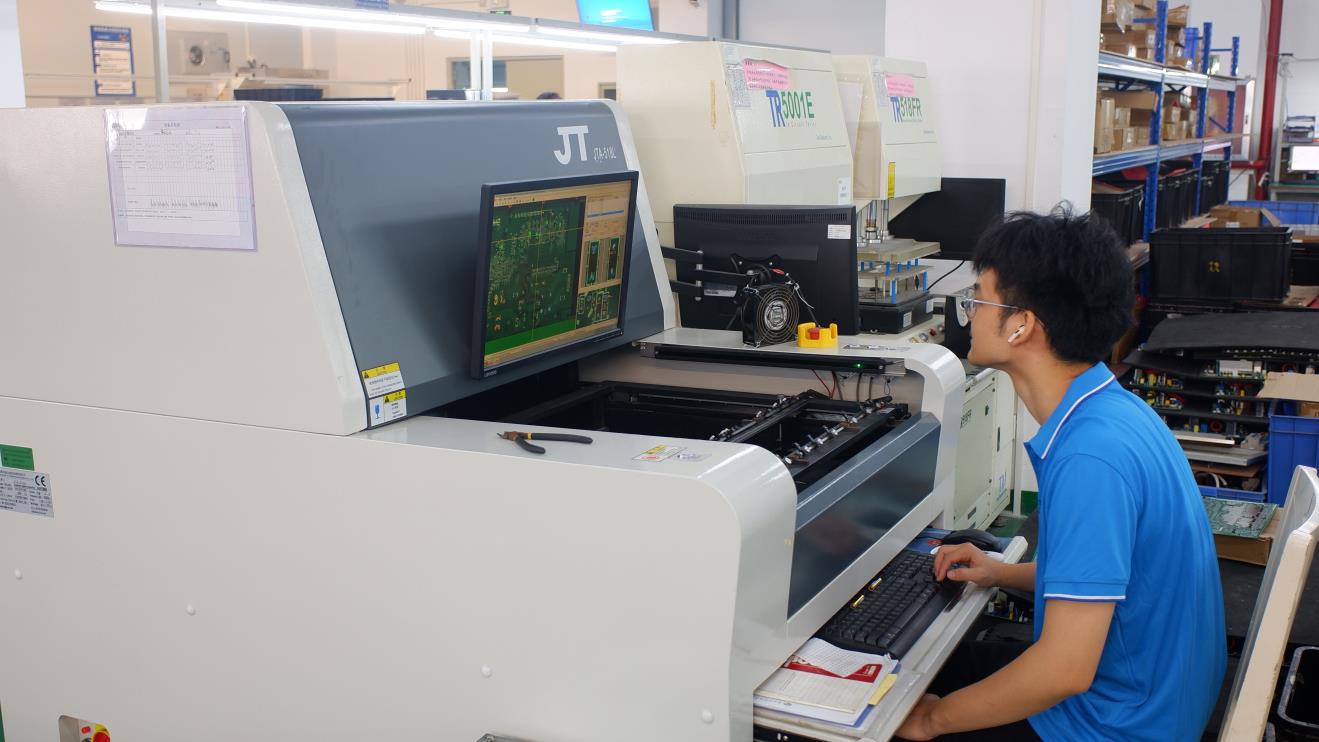
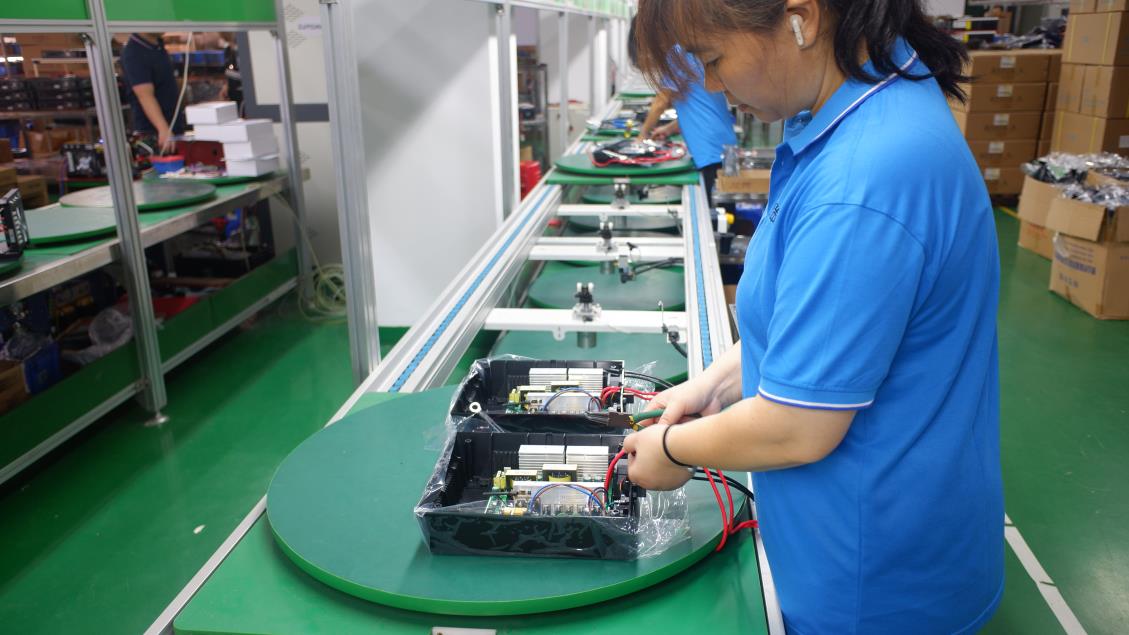
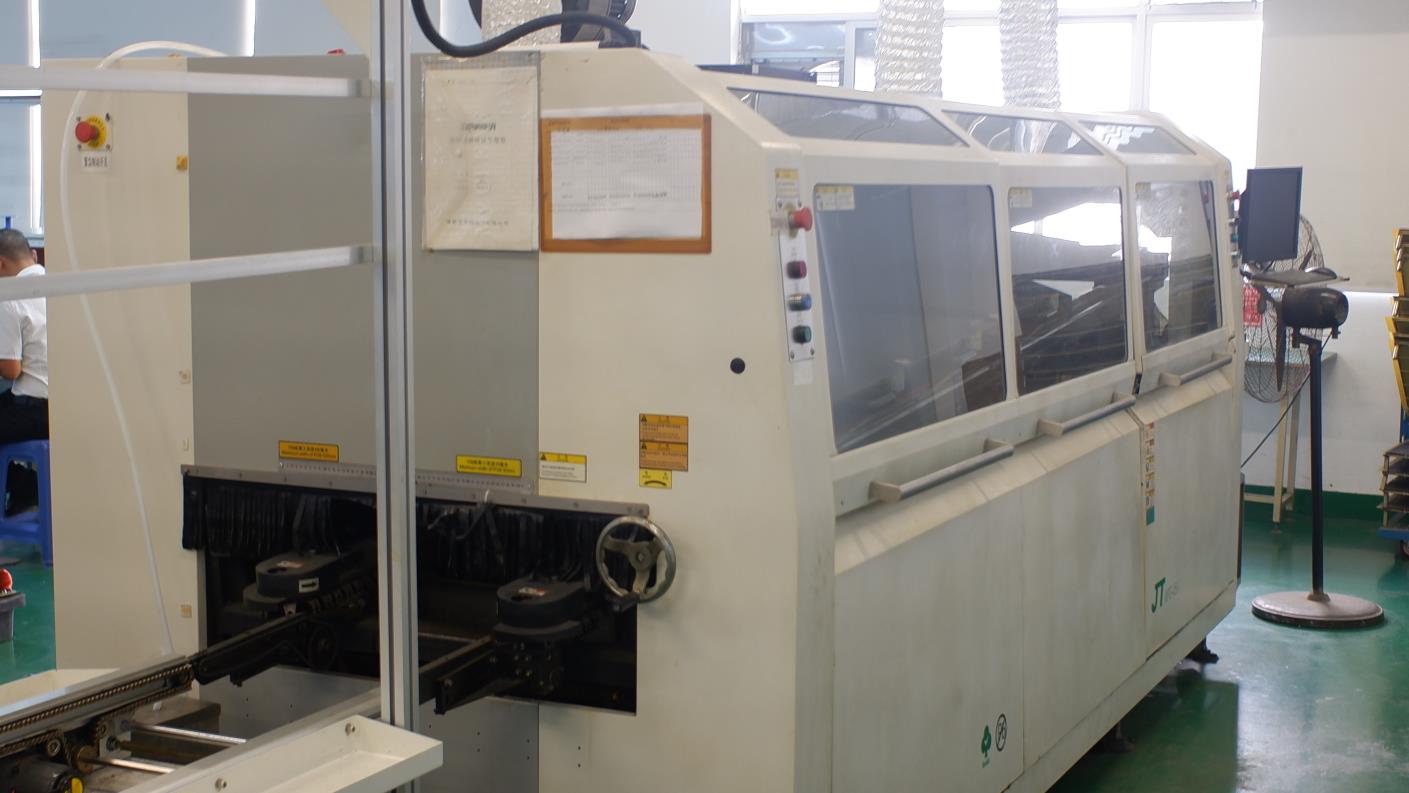
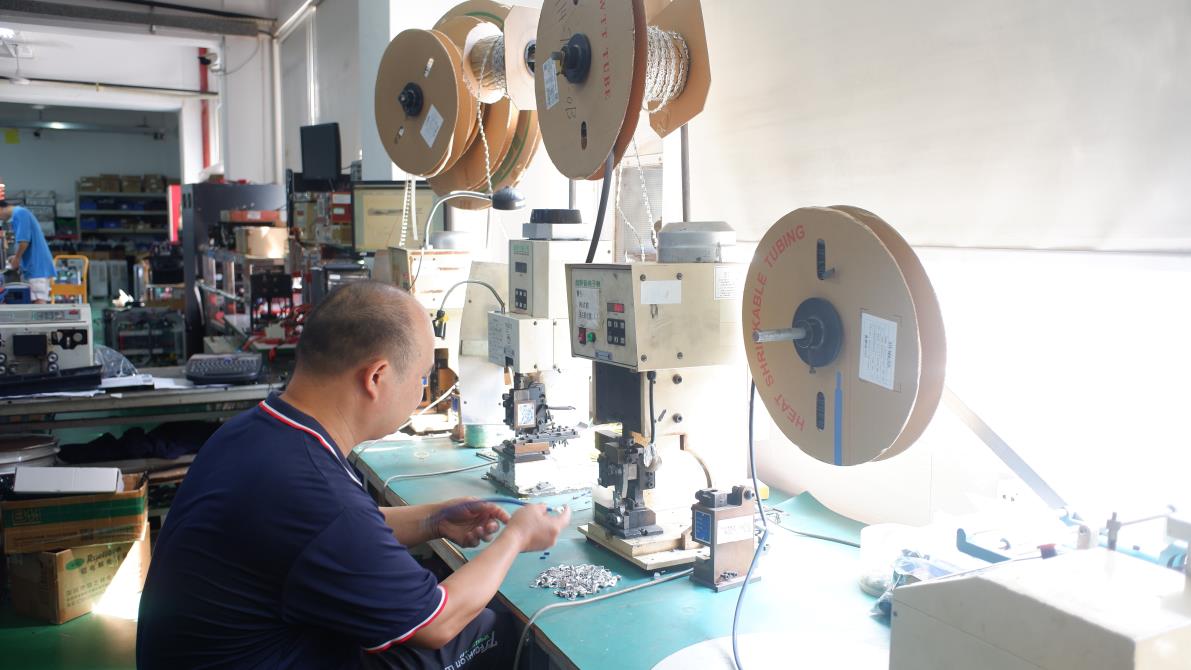
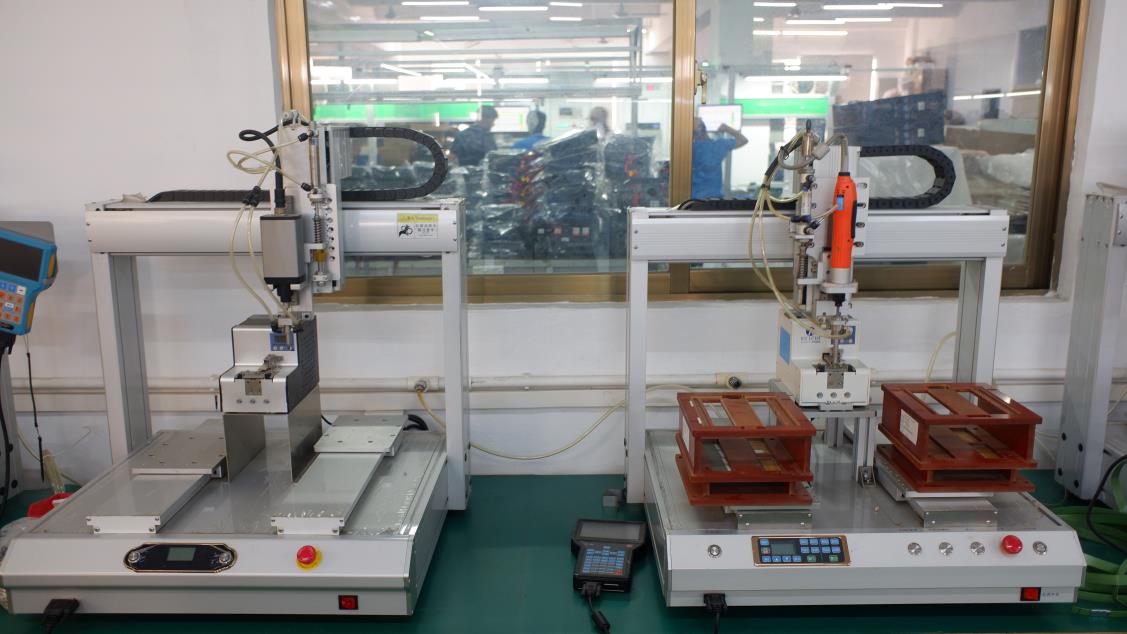
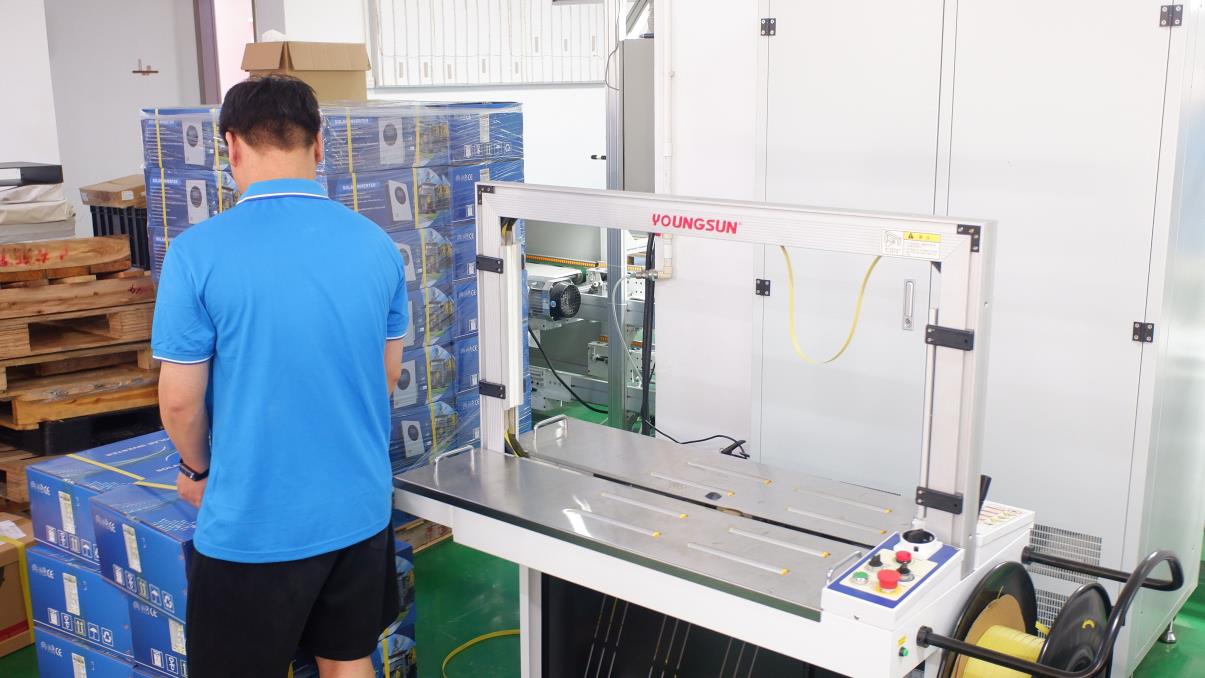
Our OEM/ODM capabilities are built on rigorous quality verification protocols at every stage of the manufacturing process. From raw component validation via automated optical inspection (AOI) to high-precision wave soldering and automated terminal machines, we control every variable that impacts long-term field reliability. Every microgrid energy inverter undergoes comprehensive full-load environmental simulation testing and accelerated thermal aging protocols. This strict attention to detail prevents field failures in harsh remote installations, ensuring our systems maintain high standards of uptime worldwide.
Ensuring seamless integration across varying global electrical grids and regulatory environments.
Our inverters meet major global certification frameworks, including CE, IEC 62109, UL 1741, IEEE 1547, and specific European grid-tied mandates. This ensures seamless project approval from local utility operators.
We provide extensive firmware-level engineering support to adapt protection thresholds, voltage-watt settings, and frequency-watt responses to unique regional grid standards.
From initial single-line design consultation to final site commissioning, we provide comprehensive technical documentation, API keys, and specialized training materials to maximize engineering efficiency.
Direct engineering answers regarding structural mechanics, protection parameters, and configuration optimization.
Explore our diverse inventory, from residential hybrid configurations to high-voltage industrial variable frequency drive networks.
 Yde Power