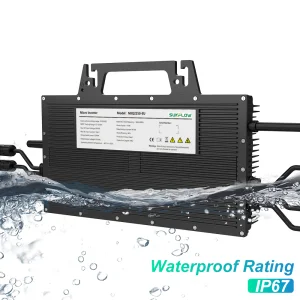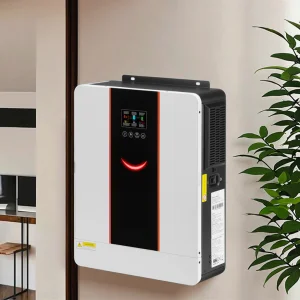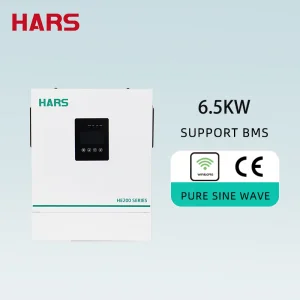
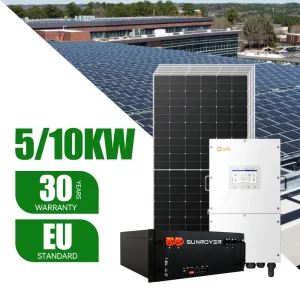
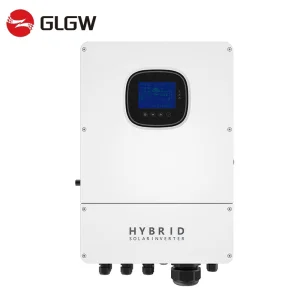
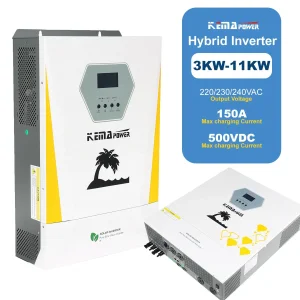
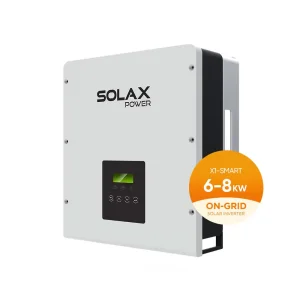
As the world transitions to decentralized, low-carbon energy matrices, the role of the solar inverter has fundamentally changed. Once viewed strictly as a DC-to-AC power converter, the modern solar inverter is now the central intelligence unit of any commercial, industrial, or residential microgrid. CE-certified smart solar inverters coordinate photovoltaic generation, battery storage systems (BESS), grid compliance, and dynamically adjust to local electrical tariff structures.
Shenzhen Yde Power Co., Ltd. stands at the forefront of this industrial transformation. As a leading high-tech enterprise, we integrate state-of-the-art battery management systems (BMS), intelligent variable-frequency control algorithms, and rugged physical build configurations to provide robust energy storage systems (ESS) and smart inverters certified to meet rigorous global standards.
Modern networks require inverters that do not simply follow the grid, but dynamically support it. Advanced smart hybrid inverters generate their own voltage and frequency reference signals to stabilize weak microgrids or operate completely autonomously in remote zones.
Utilizing intelligent EMS (Energy Management Systems), today's smart inverters analyze historical demand data and weather patterns to dynamically charge and discharge lithium iron phosphate (LiFePO4) storage units, optimizing Peak Shaving and Time-of-Use (ToU) value.
Deploying Silicon Carbide (SiC) and Gallium Nitride (GaN) components has dramatically minimized thermal dissipation, allowing smart inverters to reach peak operating efficiencies above 98.8% while maintaining compact form factors.
For utility-scale developers, EPC contractors, and global solar system exporters, procurement decisions rely on critical engineering metrics, strict certification standards, and bankability. A certified CE mark is not just a regulatory check; it guarantees compliance with the European Union's stringent Electromagnetic Compatibility (EMC) Directive (2014/30/EU) and Low Voltage Directive (2014/35/EU).
Beyond regulatory compliance, modern commercial procurement mandates interoperability. Smart inverters must integrate with third-party SCADA systems using protocol standards like Modbus TCP/RTU or CAN bus communication. They must also support virtual power plant (VPP) API interfaces. Our advanced products are engineered to support these interfaces seamlessly, ensuring future-proof deployment in hybrid solar microgrids.
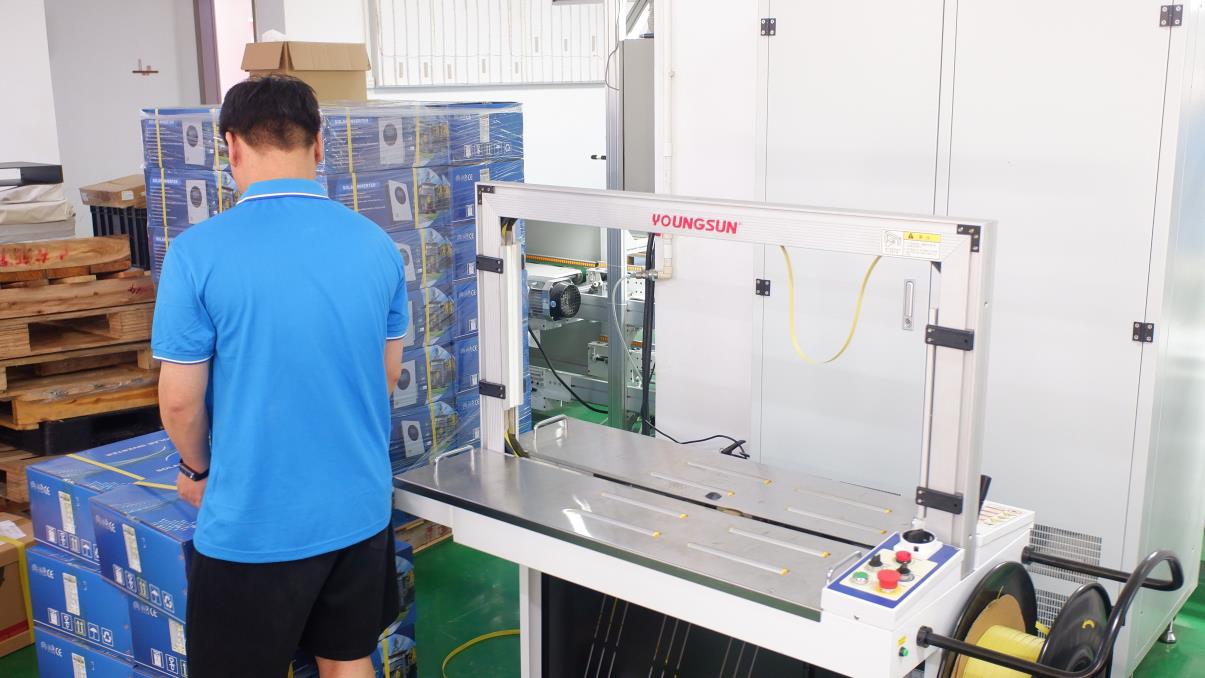
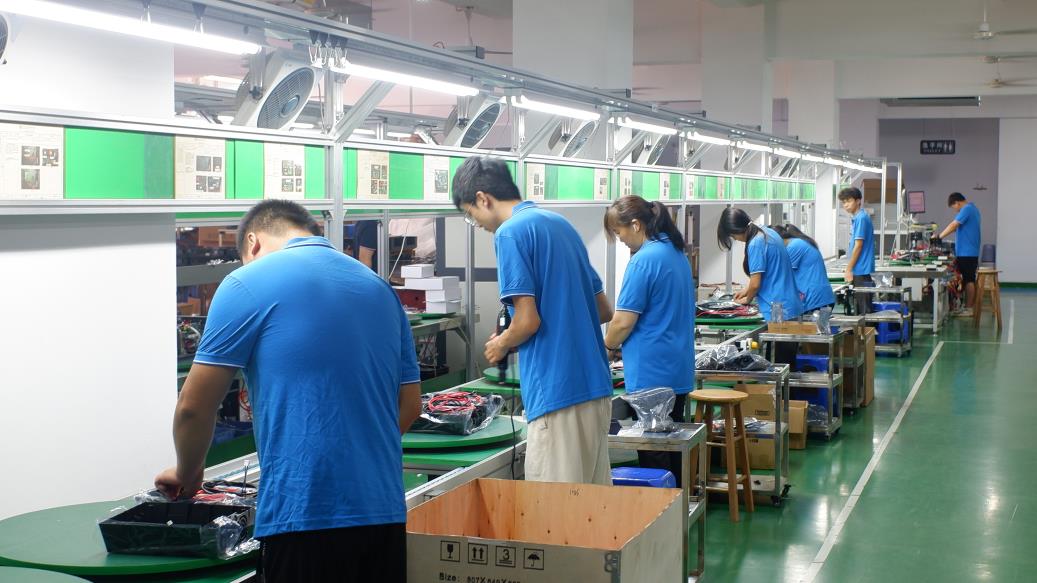
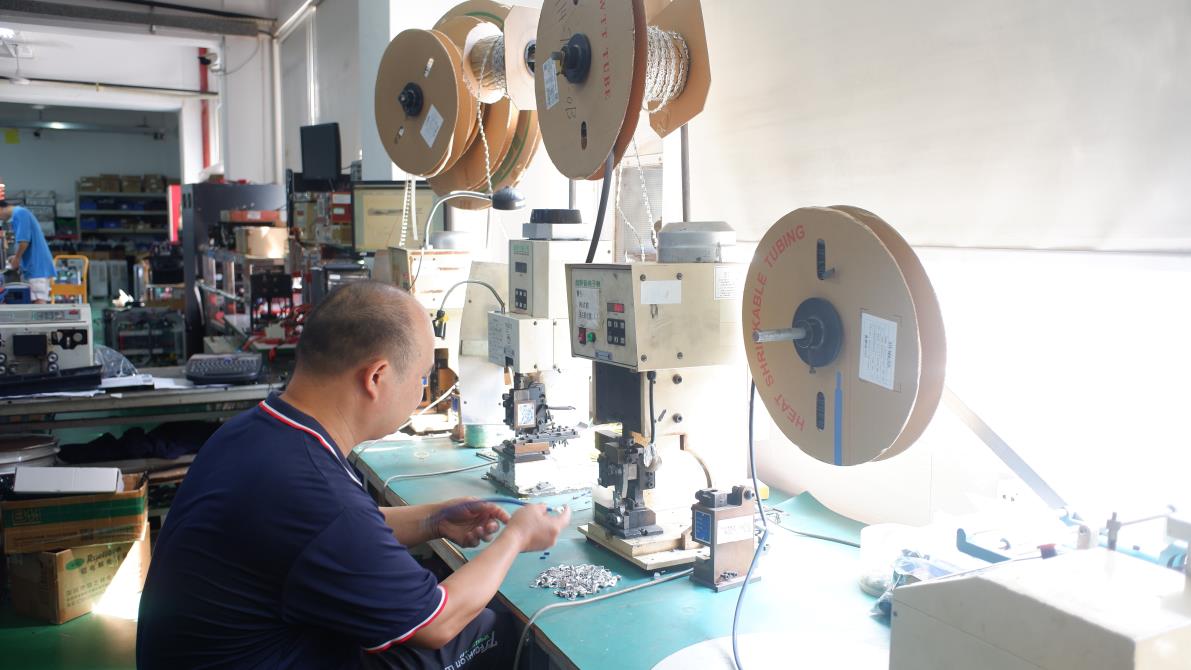
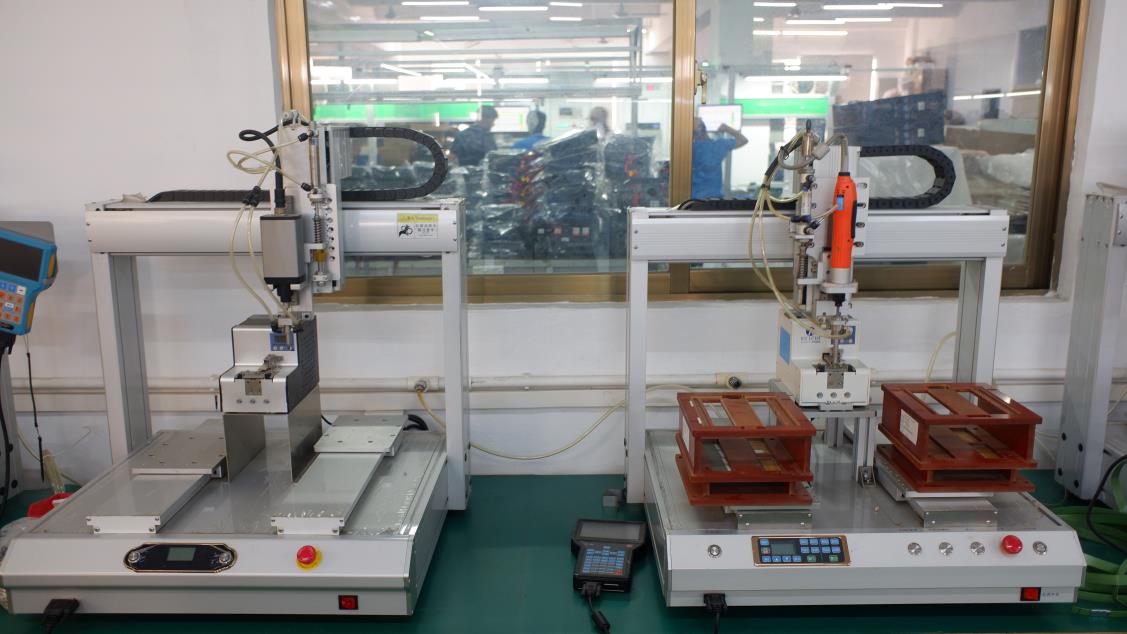
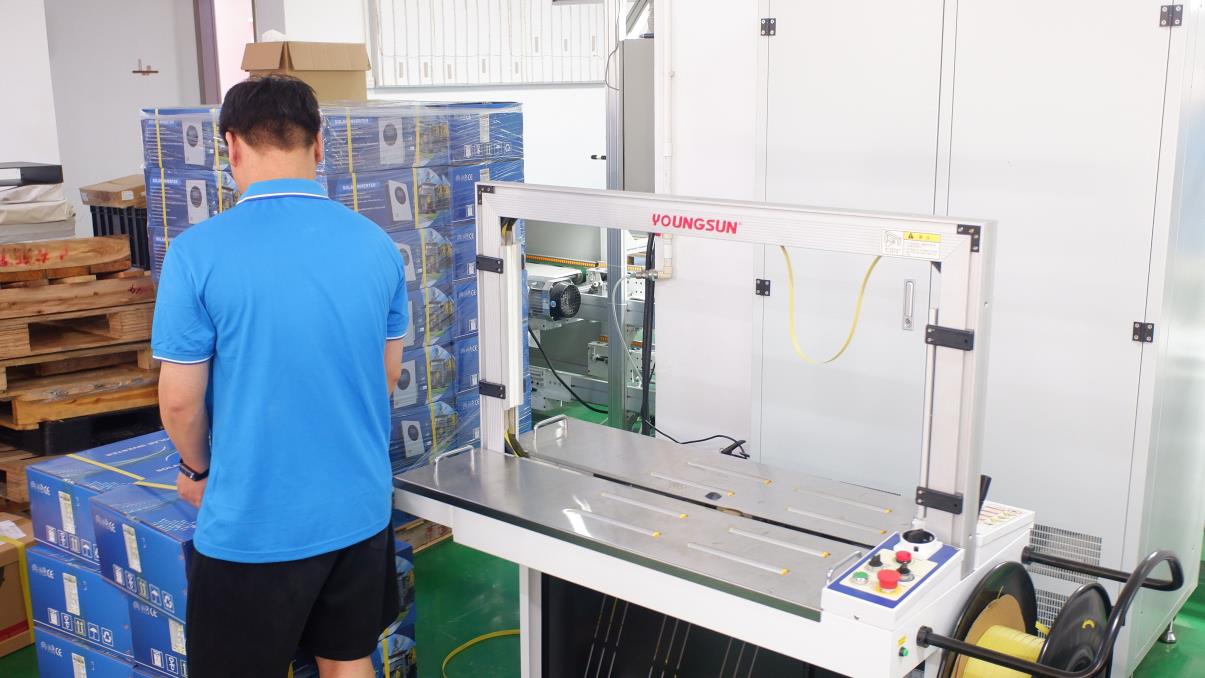
Shenzhen Yde Power Co., Ltd. operates a premier manufacturing structure designed to ensure supply chain resilience, cost efficiency, and unmatched product consistency. Headquartered in the technology hub of Shenzhen, China, our advanced engineering center is supported by a large-scale, ISO 9001-certified production facility in Jiangxi Province. By separating our specialized R&D efforts from high-volume assembly lines, we optimize manufacturing costs while maintaining strict quality control.
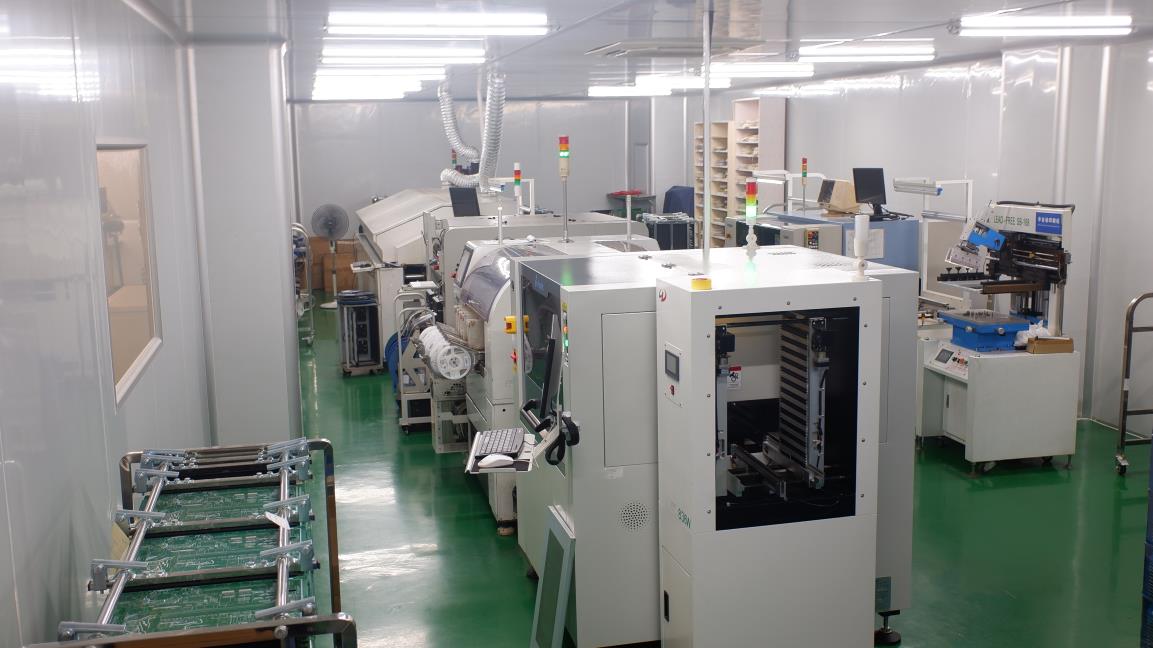
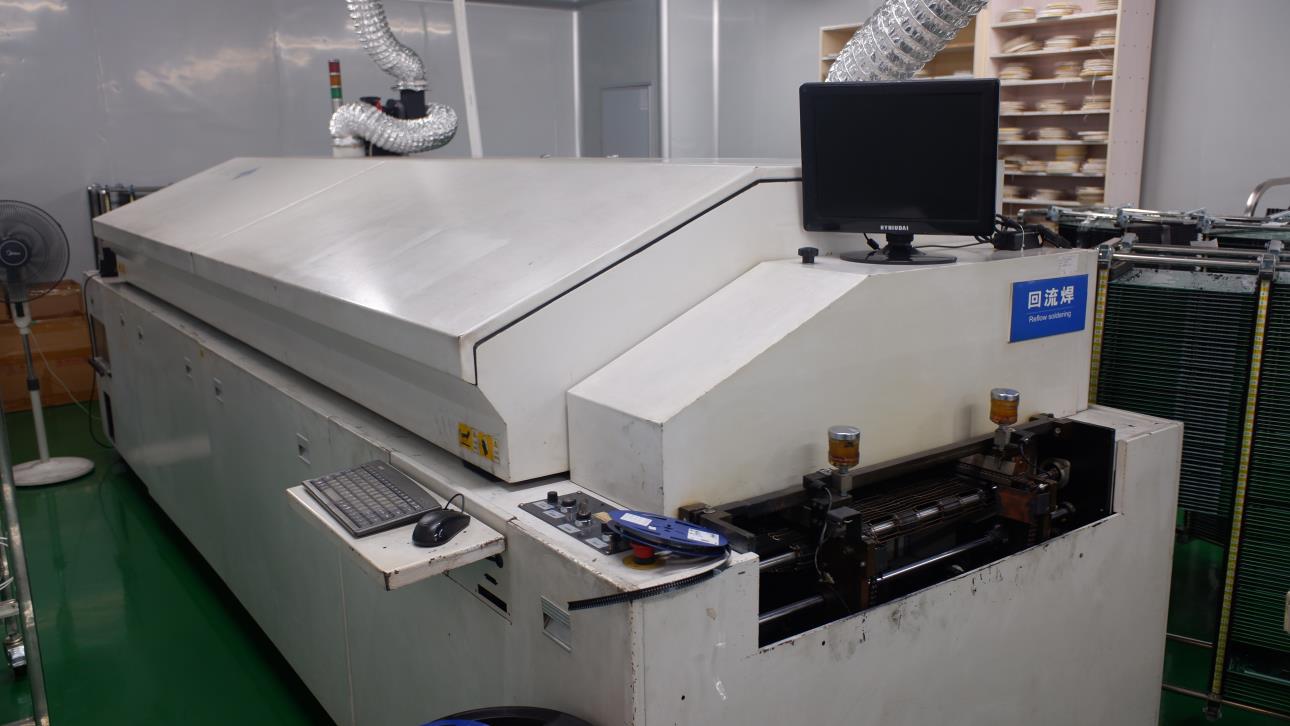
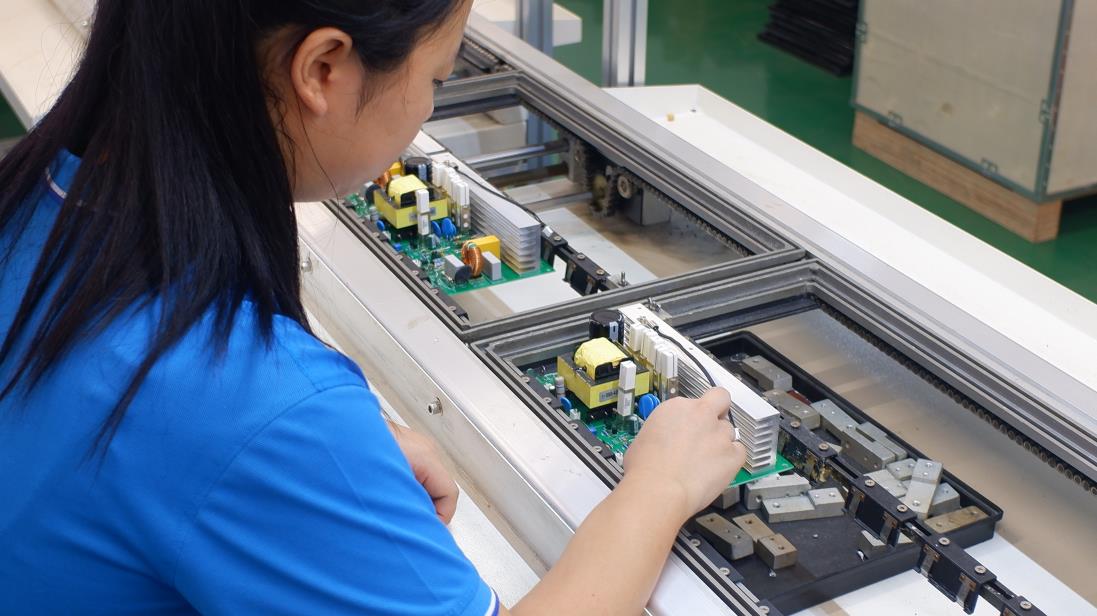
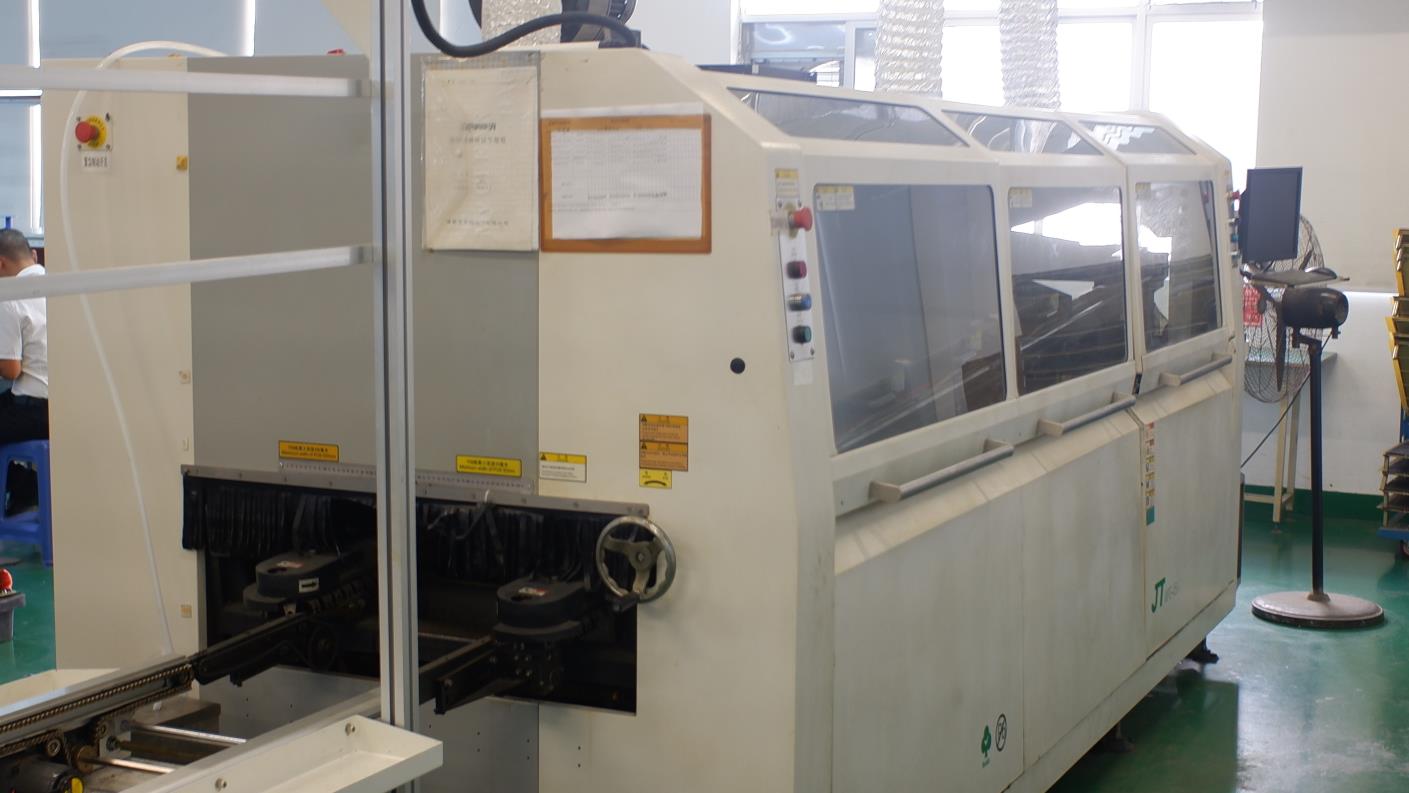
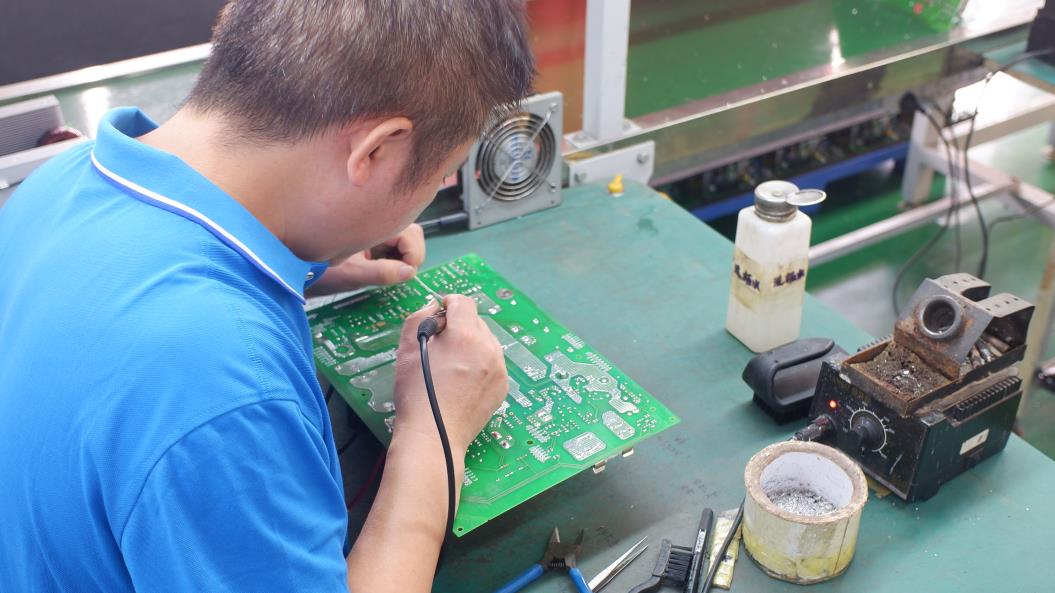
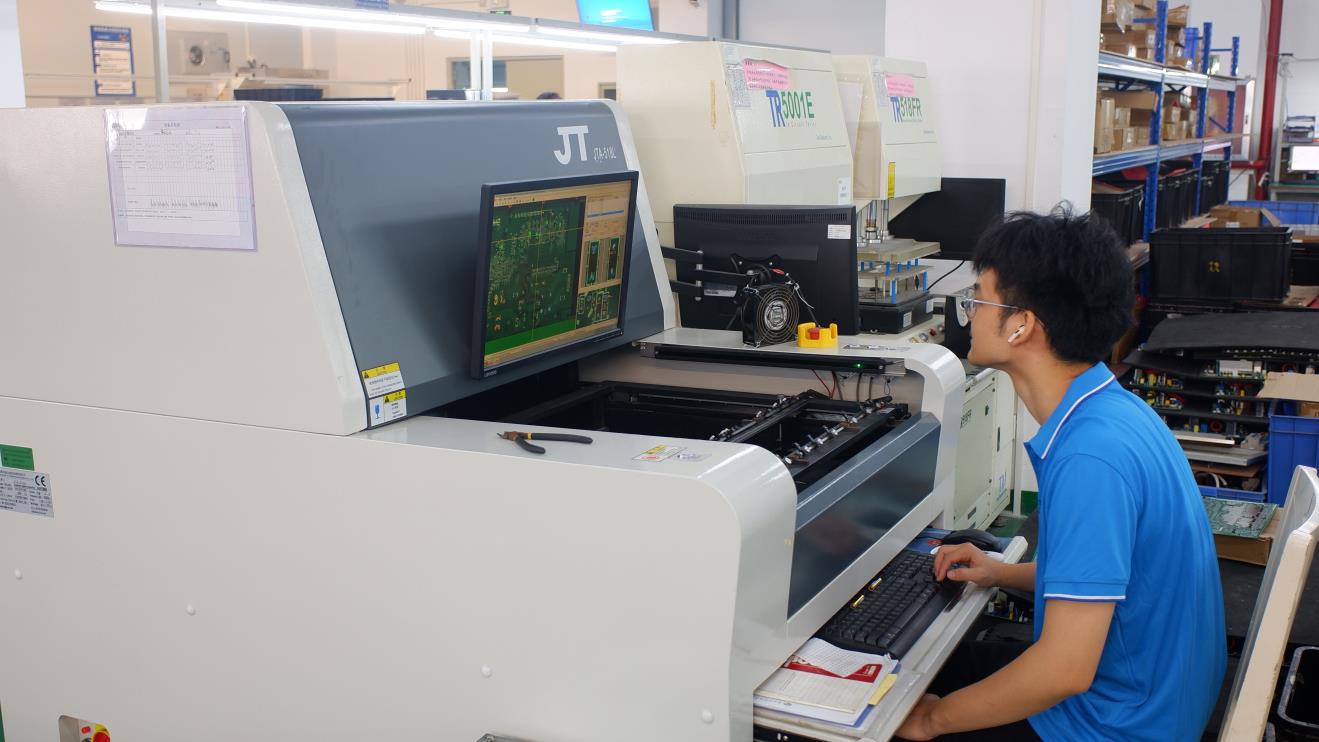
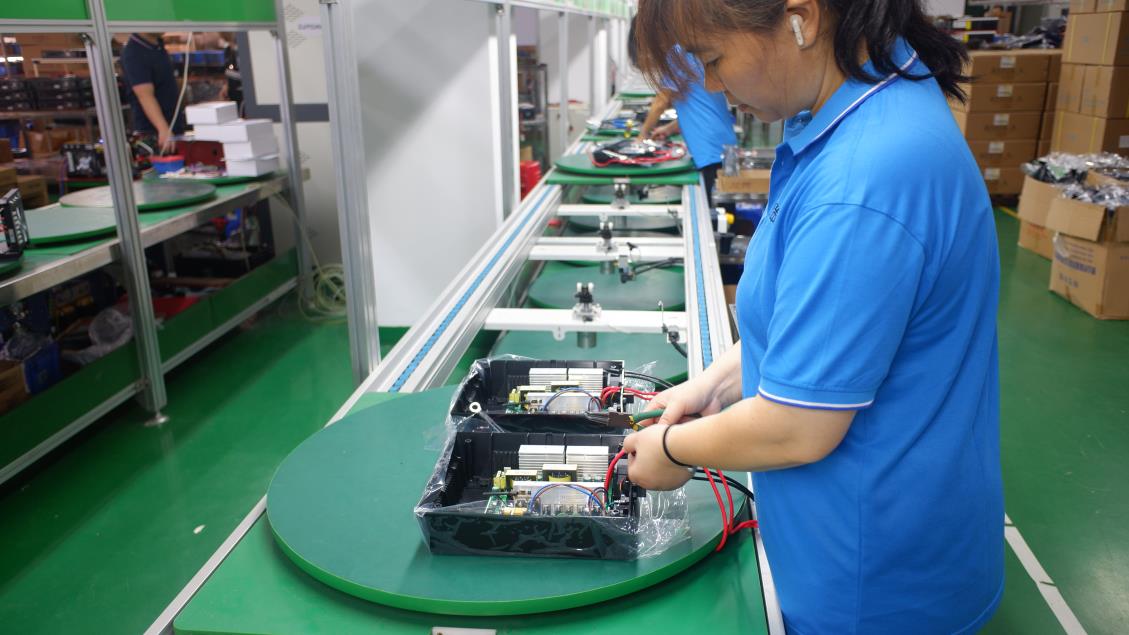
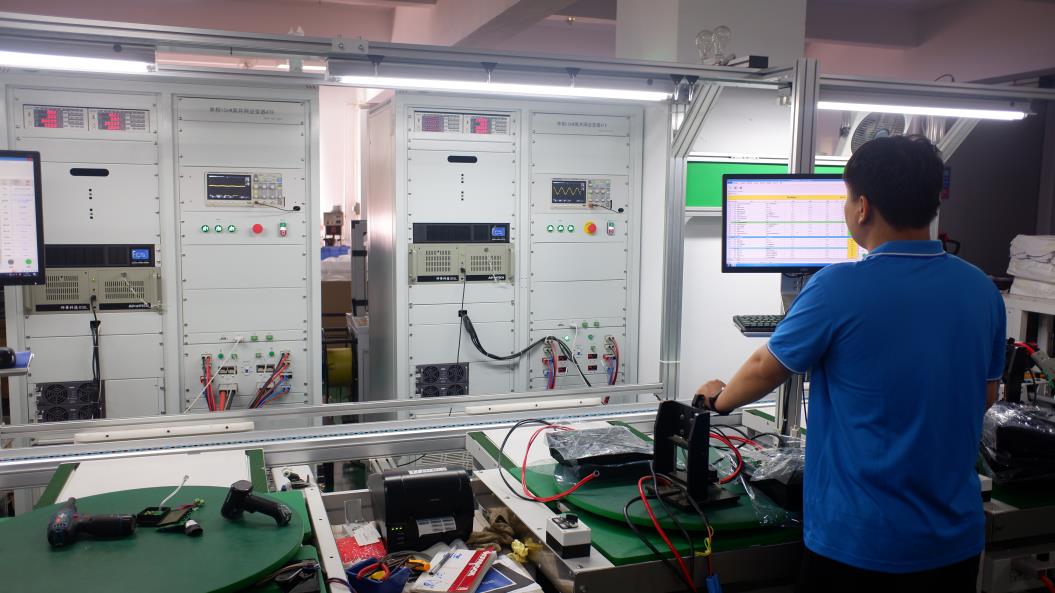
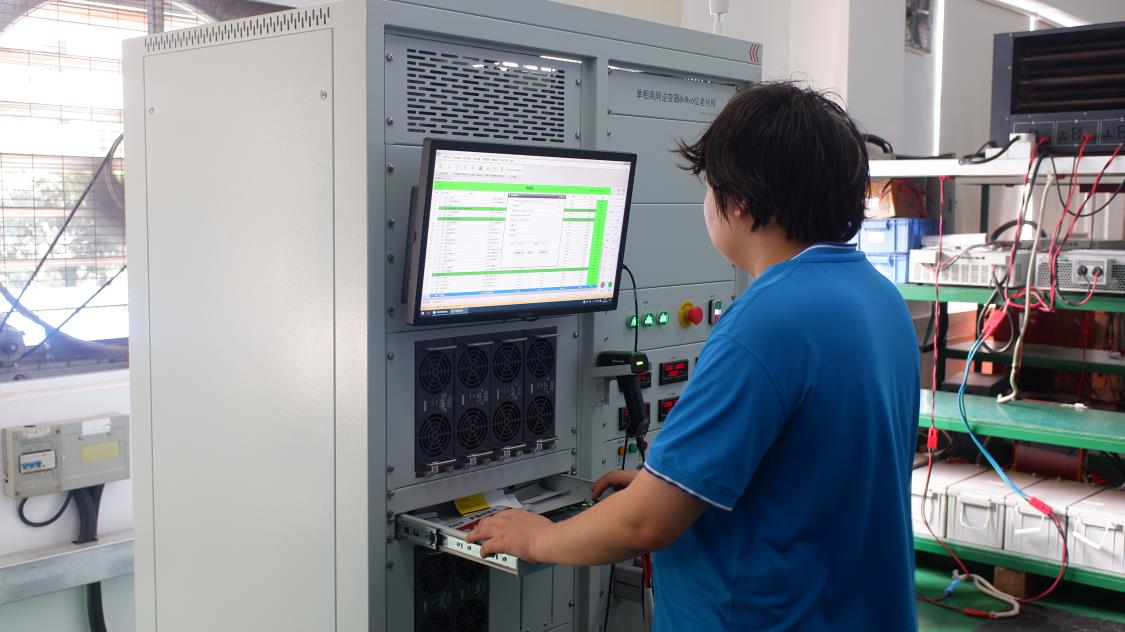
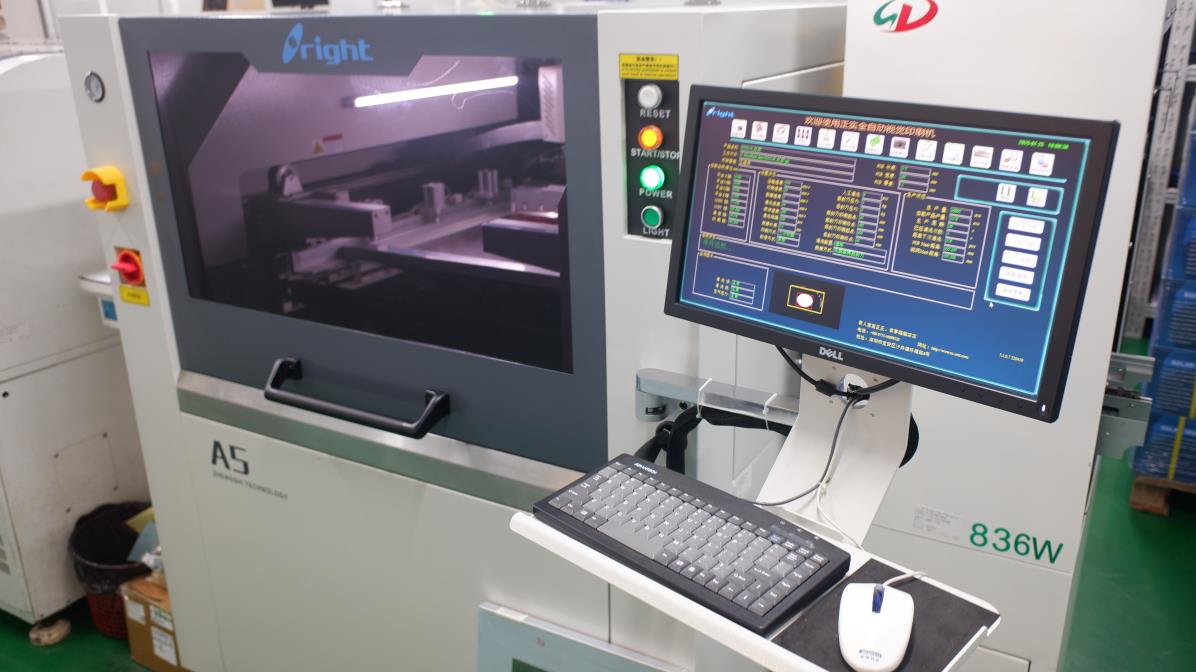
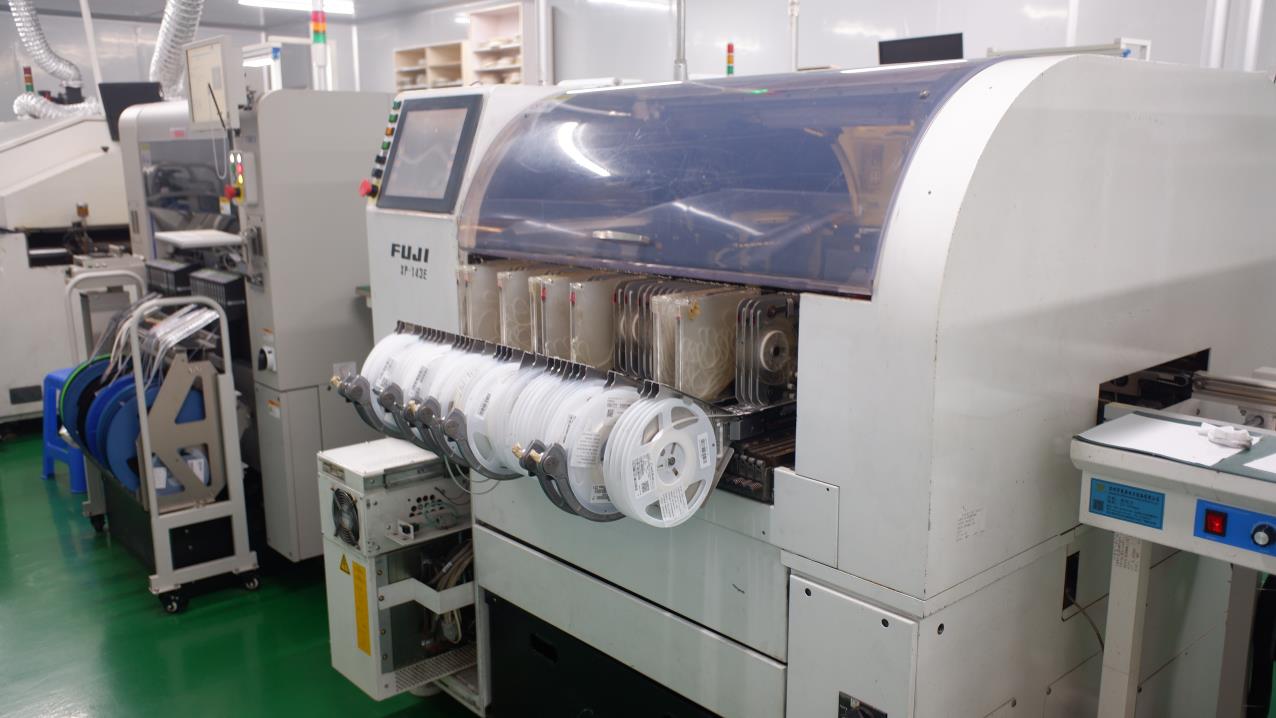
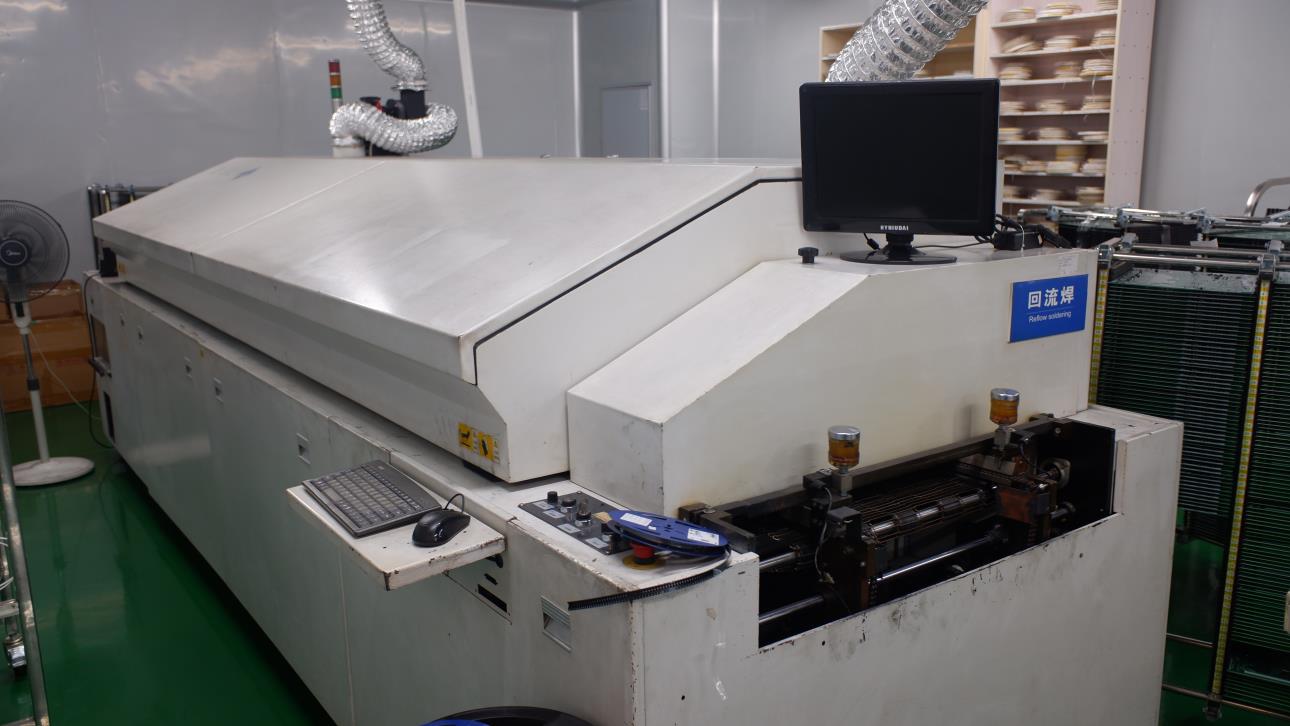
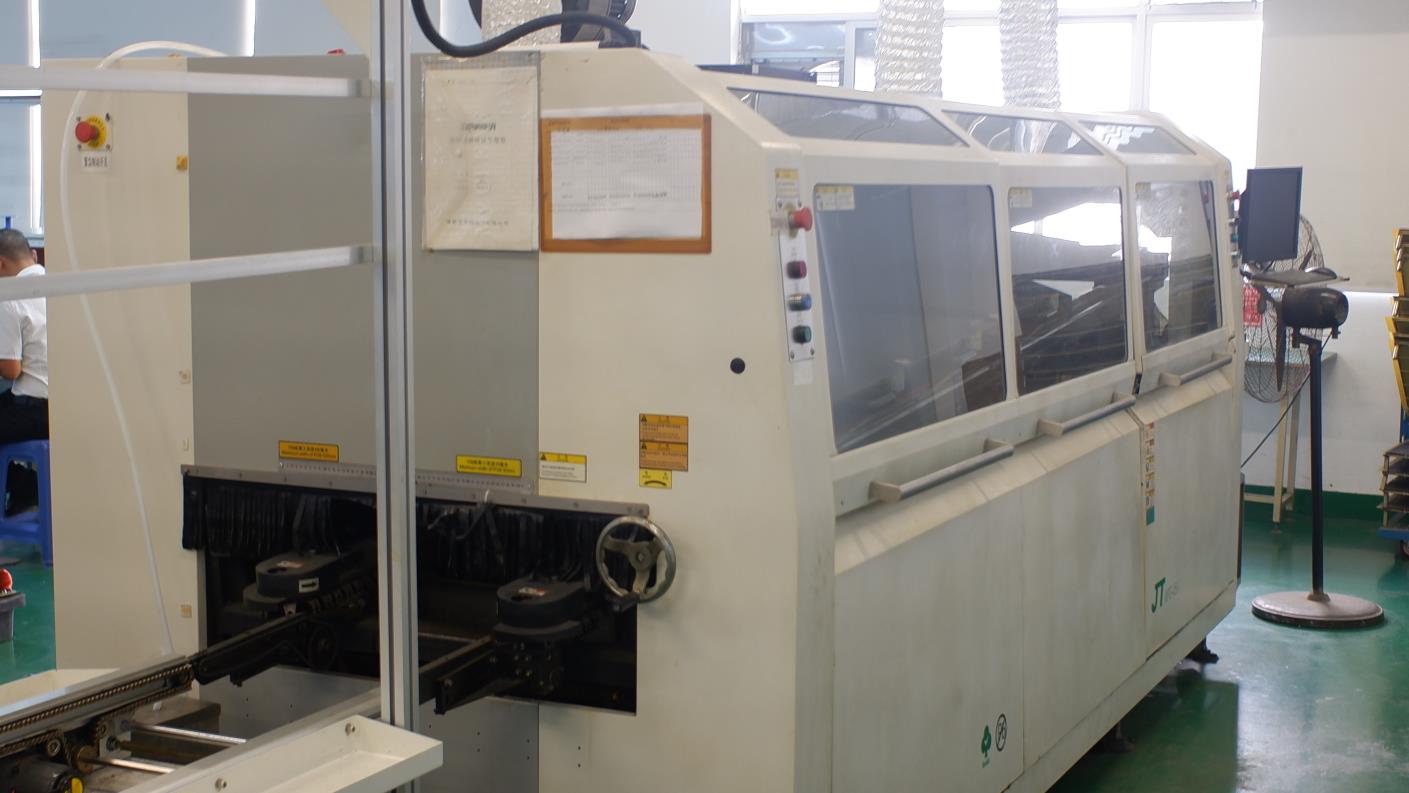
Our state-of-the-art PCBA and system assembly lines utilize high-speed SMT (Surface Mount Technology), automated optical inspections (AOI), reflow welding, wave soldering, and advanced temperature-controlled burn-in rooms to guarantee that each smart inverter stands up to harsh environmental conditions.
Different environments demand distinct engineering requirements. Our certified smart solar inverters are customized to maximize generation, ensure safety, and lower operational overhead across diverse scenarios.
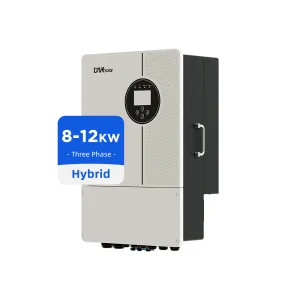
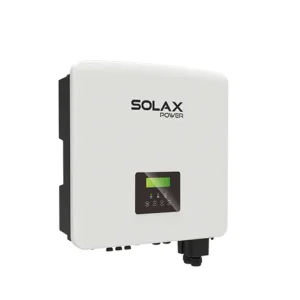
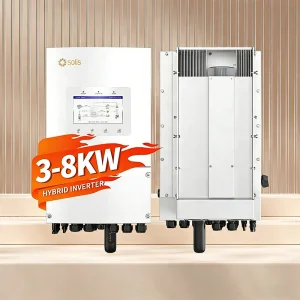
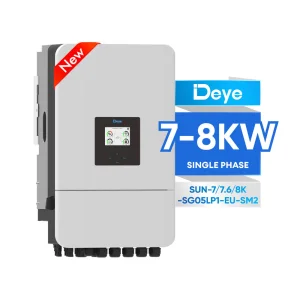
Designed for modern smart homes, our single-phase and three-phase hybrid inverters pair with low-voltage and high-voltage lithium battery systems. They feature under 10-millisecond UPS-grade automatic transfer switching, ensuring seamless backup power during grid blackouts.
For factories, warehousing complexes, and office buildings, our high-voltage three-phase smart hybrid inverters optimize operating expenses. By storing low-cost off-peak power and discharging during high-tariff periods, they reduce demand charges and speed up ROI.
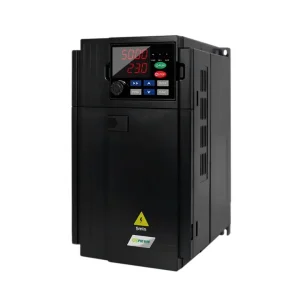
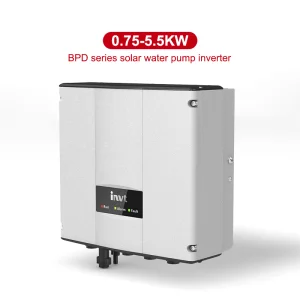
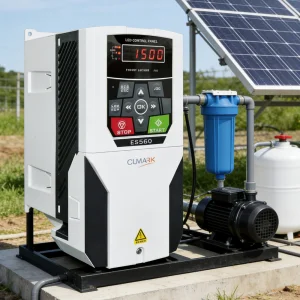
Featuring IP65 protection, variable-frequency drives (VFD), and integrated MPPT tracking, our solar pump inverters support deep well and agricultural irrigation applications. They operate reliably without grid access or diesel auxiliary generators.
Get authoritative answers to key questions about system specifications, compliance, and integration.
Our complete line of smart hybrid and grid-tied solar inverters is CE certified, complying with the low-voltage (LVD) directive and electromagnetic compatibility (EMC) standards. We also offer select configurations certified to regional grid-connection codes, such as EN 50549-1, VDE-AR-N 4105, and AS4777.2, ensuring streamlined grid connections worldwide.
Low-voltage battery storage systems (typically 48V) are cost-effective, easy to install, and widely used in residential configurations. High-voltage battery systems (typically 150V to 600V+) offer higher overall round-trip efficiency because they operate at lower currents. This reduces thermal losses in the cable lines and during DC-to-AC conversion, making them ideal for high-capacity residential and commercial/industrial applications.
No, our NUUKO BPD series and high-efficiency 900VDC solar pump inverters feature an integrated variable-frequency drive (VFD). This allows the inverter to directly regulate the AC pump motor's startup current and frequency. This protects the pump from dry running and water hammer effects, eliminating the need for external VFD panels.
We provide full OEM and ODM services for global solar distributors and energy exporters. Supported by our dedicated Shenzhen R&D center and automated Jiangxi manufacturing base, we can customize firmware profiles, communication protocols, metal enclosure colors, and branding elements to match your local market requirements.
 Yde Power