In the era of the global energy transition, Integrated Power Management (IPM) is no longer just a component; it is the central nervous system of modern energy infrastructure. As a premier Integrated Power Management Manufacturer, Shenzhen Yde Power Co., Ltd. is at the forefront of this technological shift, bridging the gap between volatile renewable sources and stable energy consumption.
Our systems integrate high-density Battery Management Systems (BMS) with sophisticated MPPT (Maximum Power Point Tracking) algorithms to ensure 98%+ conversion efficiency.
Adhering to ISO9001 standards and international certifications (CE, UL, UN38.3), we guarantee reliability in the most demanding commercial environments.
With years of R&D in Shenzhen and high-capacity manufacturing in Jiangxi, we manage the full lifecycle of power electronic production.
Shenzhen Yde Power Co., Ltd. is a professional manufacturer specializing in residential, commercial, and industrial energy storage systems (ESS). Headquartered in Shenzhen, China, the company integrates research and development, production, sales, and service to deliver comprehensive clean energy solutions to global markets.
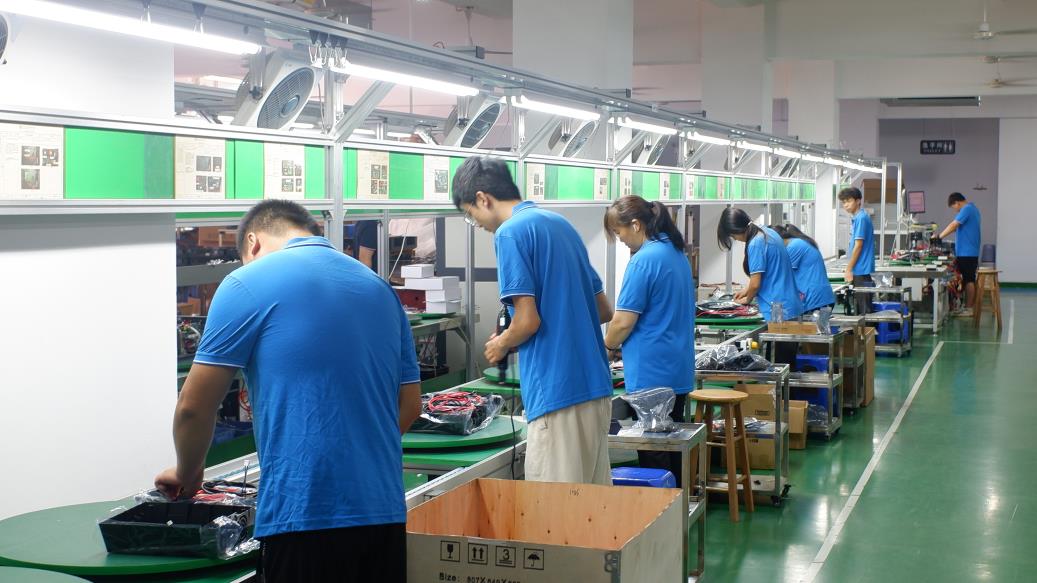
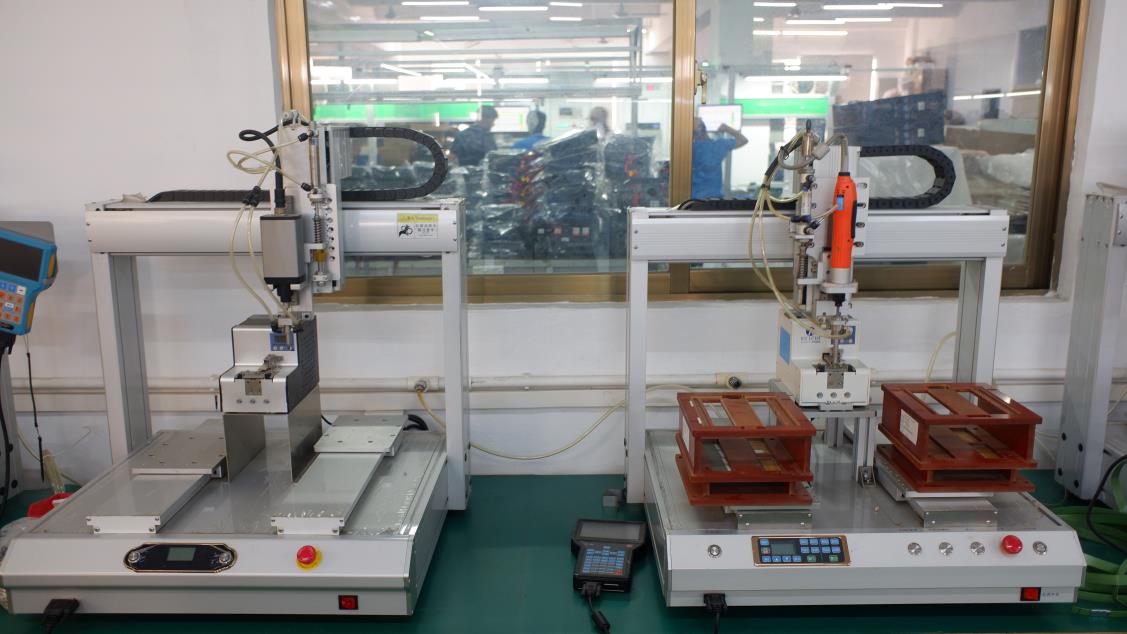
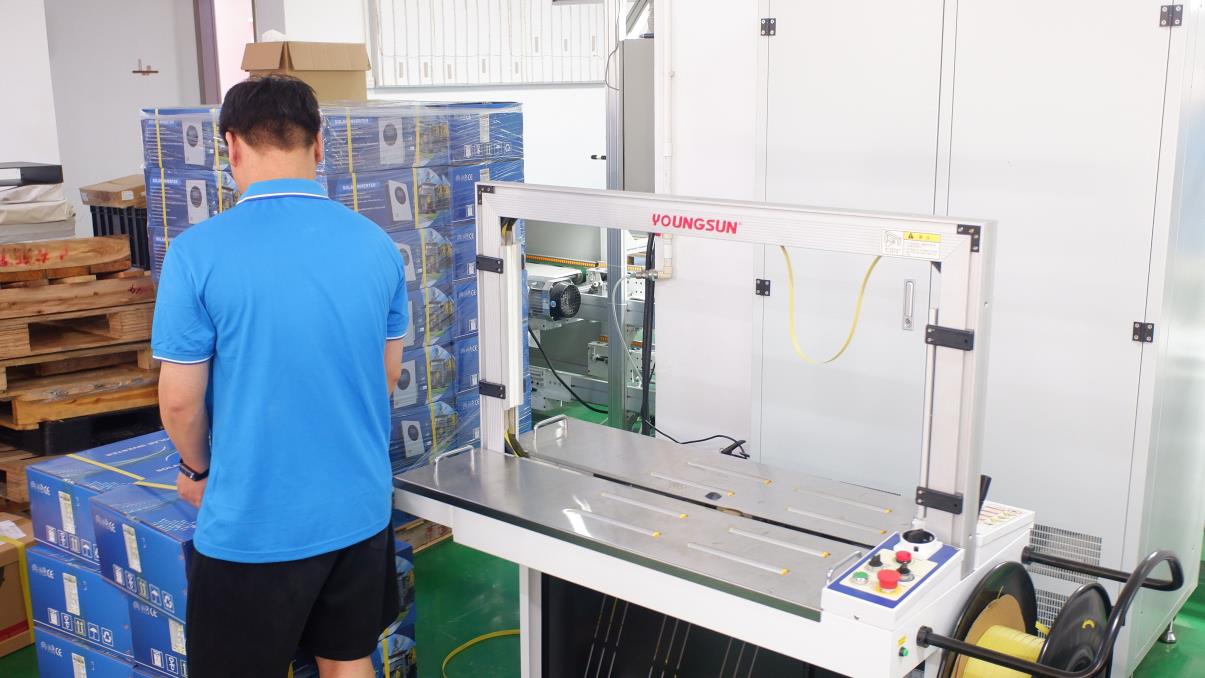
In addition to its headquarters in Shenzhen, Yde Power operates a modern ISO9001-certified manufacturing facility in Jiangxi Province, equipped with advanced automated production lines and stringent quality control systems. The company also maintains a dedicated R&D center in Shenzhen, focusing on continuous innovation in battery management systems (BMS), system integration, and intelligent energy optimization technologies.
Driven by innovation and sustainability, Shenzhen Yde Power Co., Ltd. continuously invests in new technologies, intelligent manufacturing processes, and international quality certifications. The company aims to become a trusted global partner in the energy storage industry.
The roadmap for Integrated Power Management is shifting toward AI-driven energy orchestration. We are moving beyond simple storage to "Energy Intelligence."
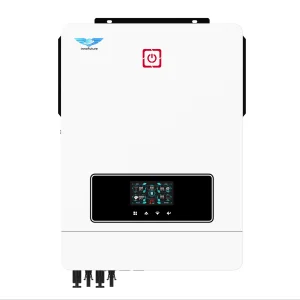
The adoption of SiC (Silicon Carbide) and GaN (Gallium Nitride) in our next-gen inverters reduces thermal loss by 30%, allowing for more compact "All-in-One" designs.
Future ESS units will act as nodes in Virtual Power Plants (VPP), allowing homeowners and businesses to sell excess energy back to the grid automatically during peak demand.
While LiFePO4 remains the gold standard for safety, our R&D center is actively exploring semi-solid-state battery integration to double energy density by 2027.
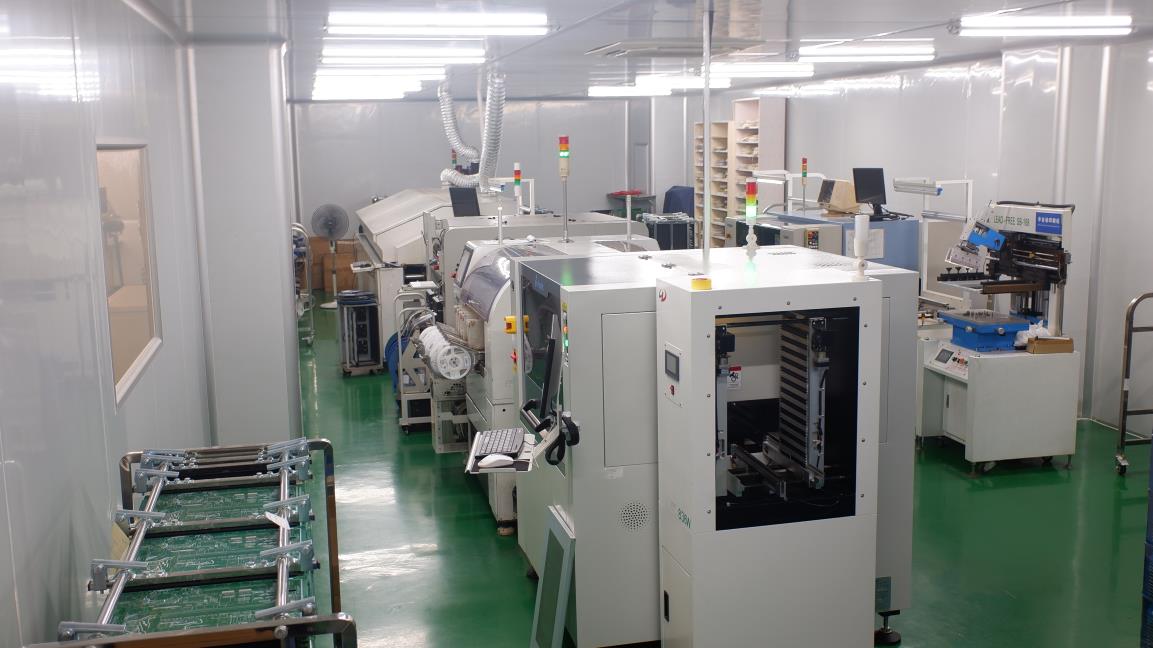
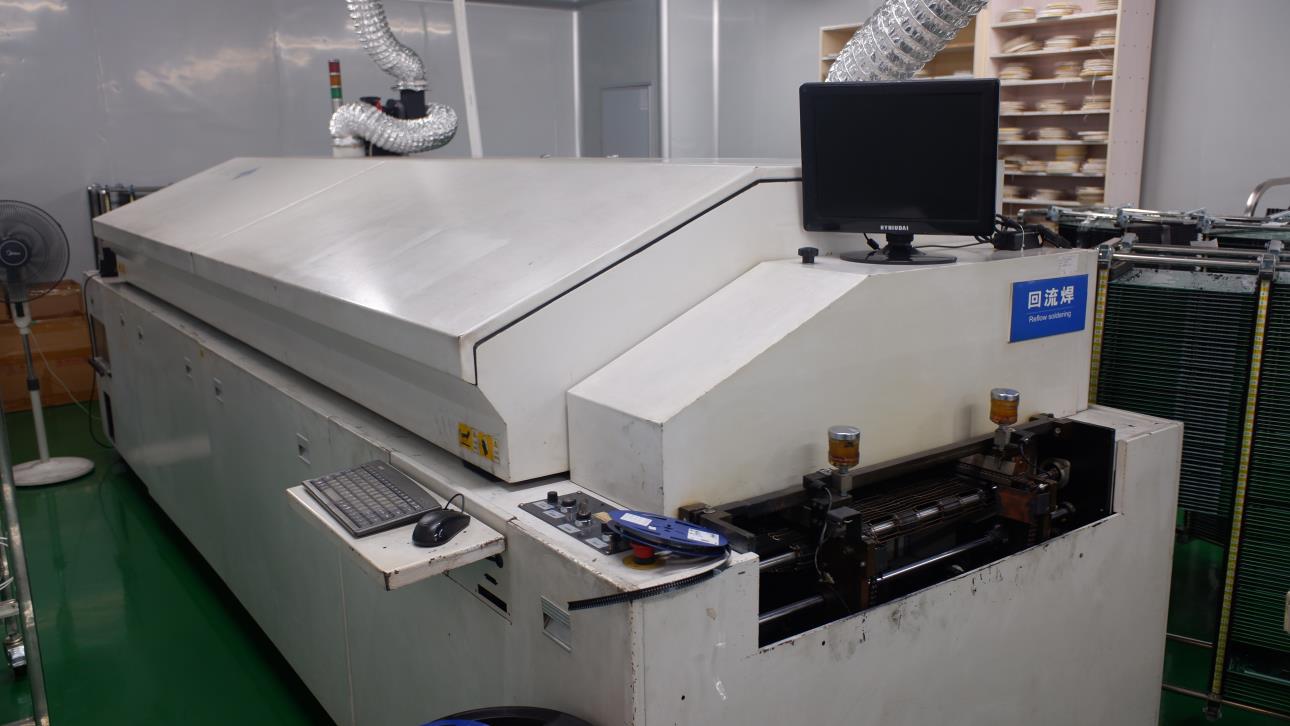
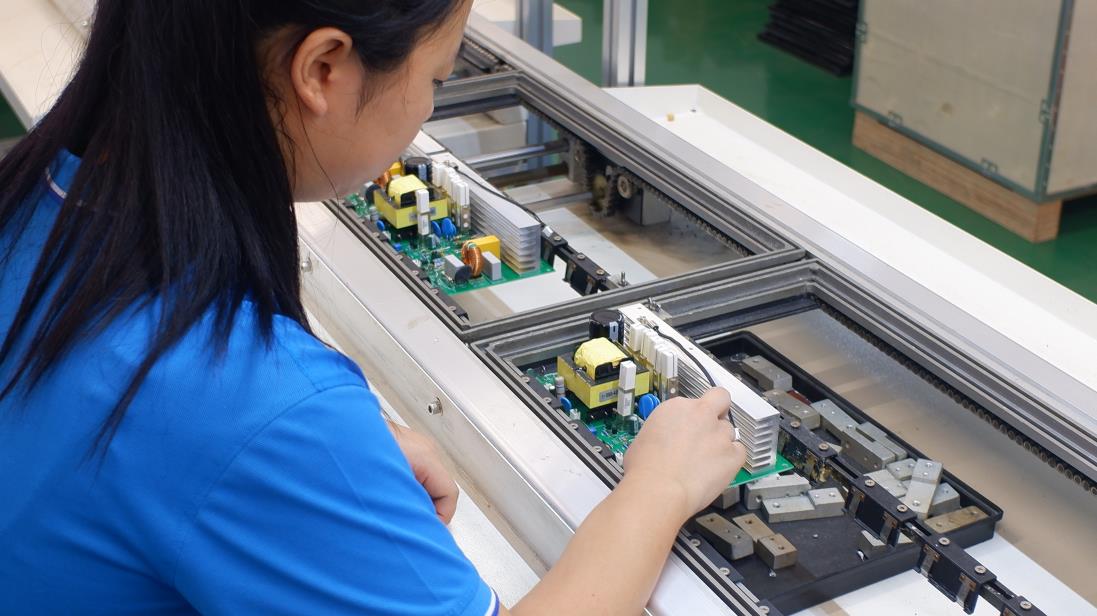
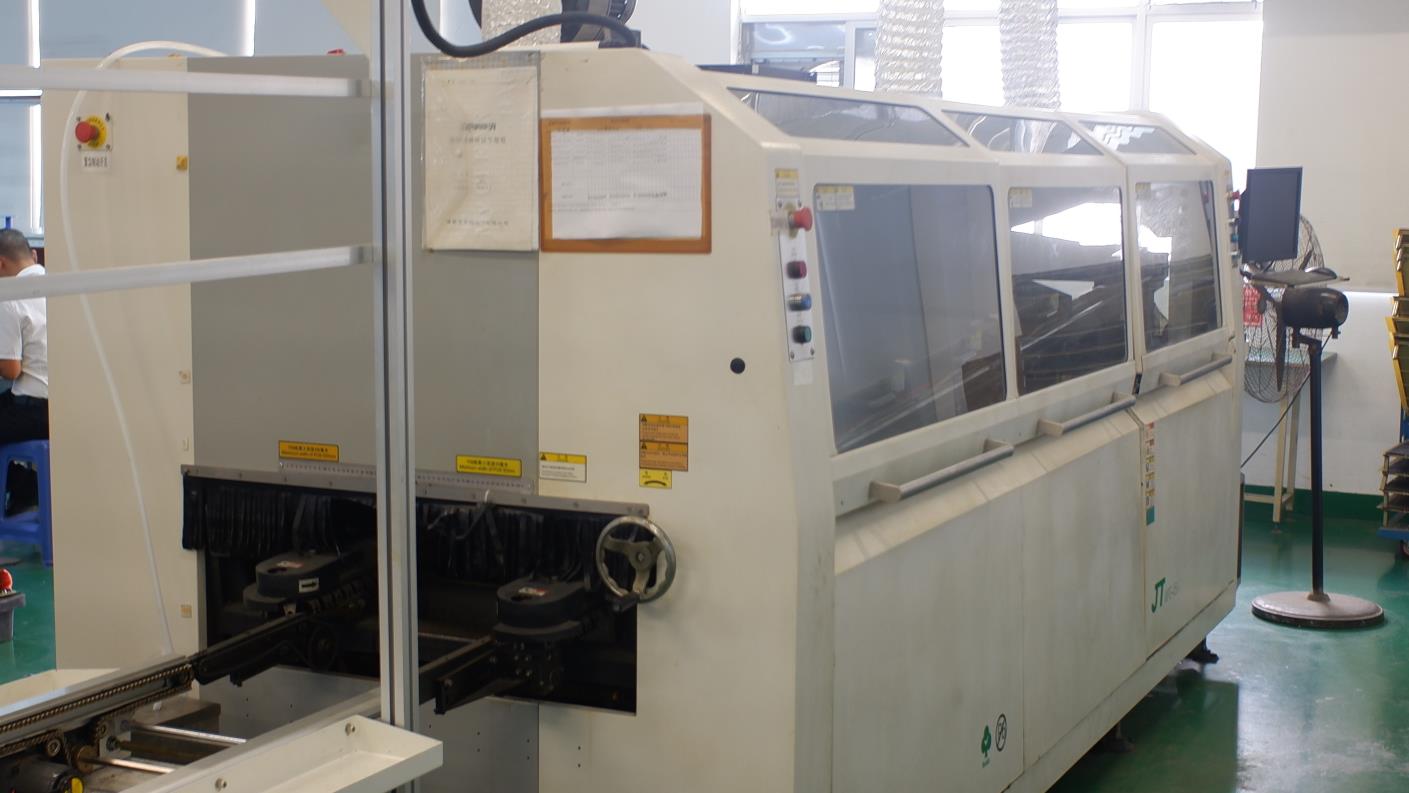
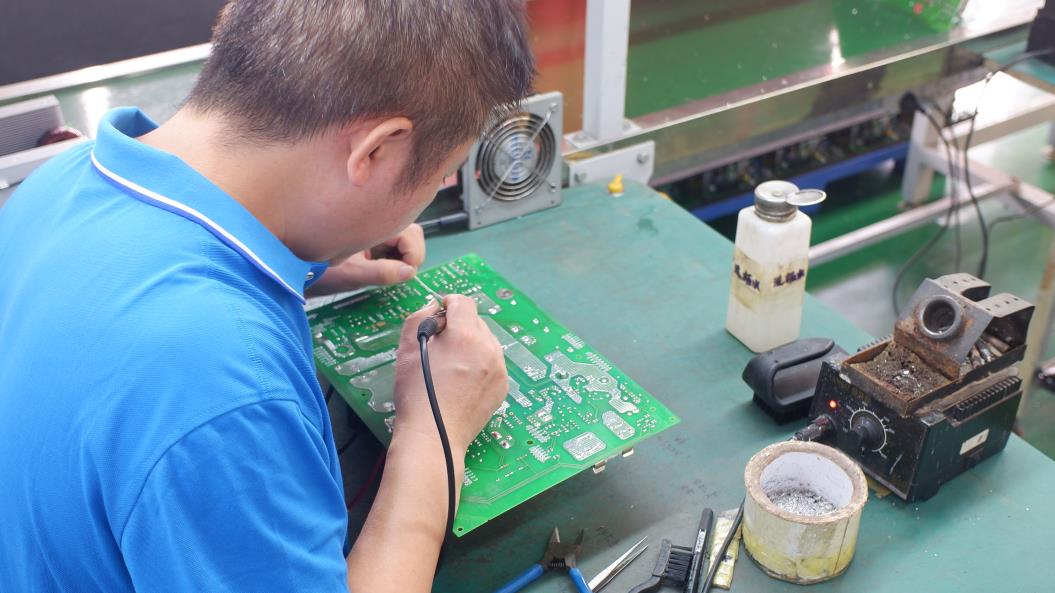
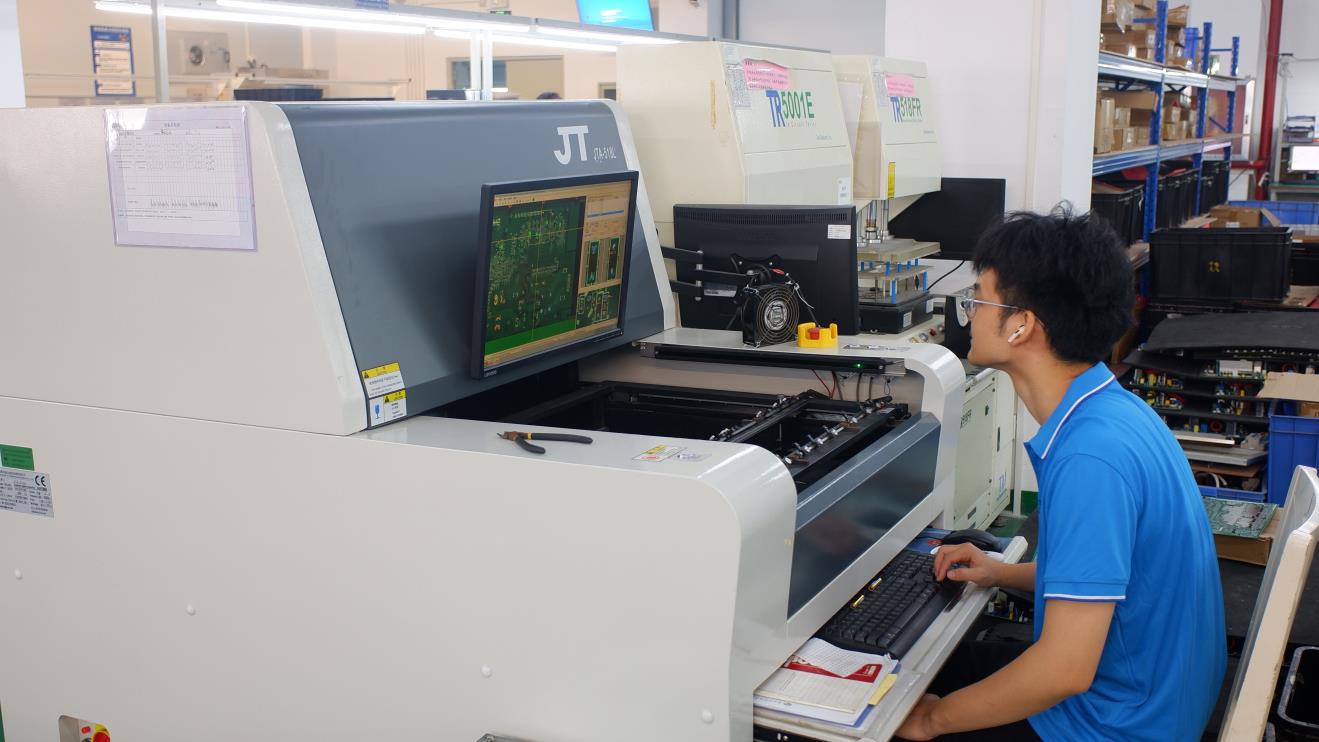
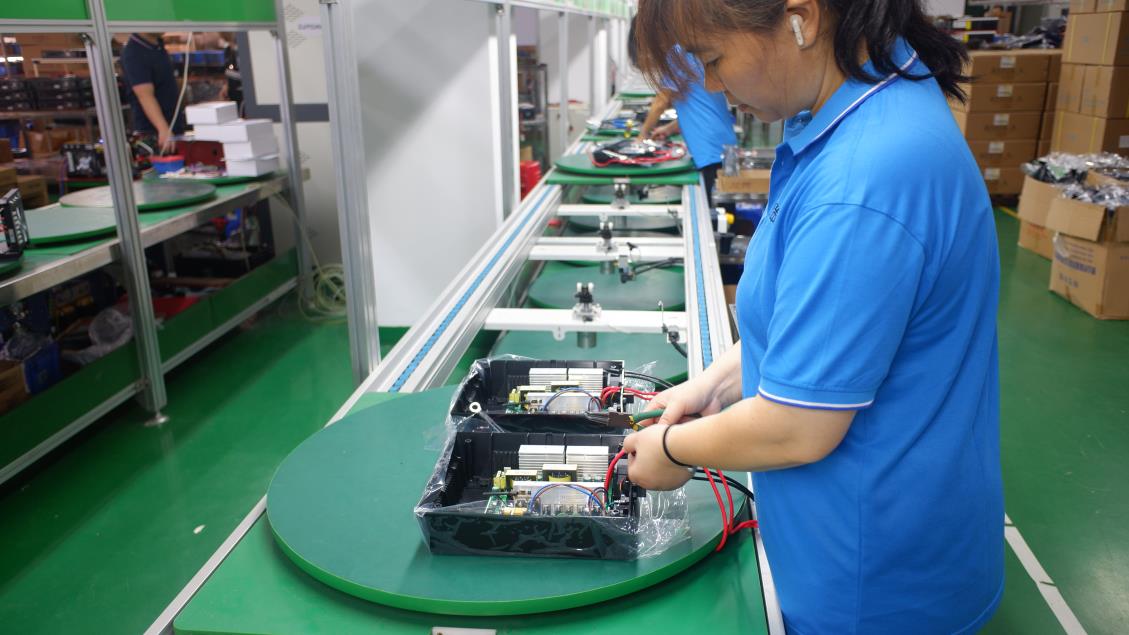
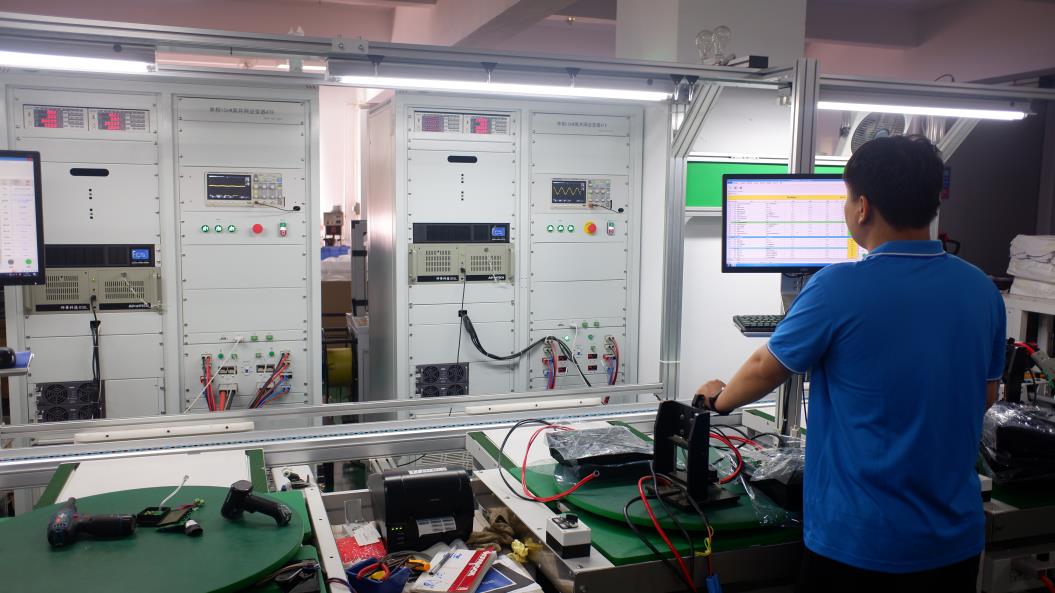
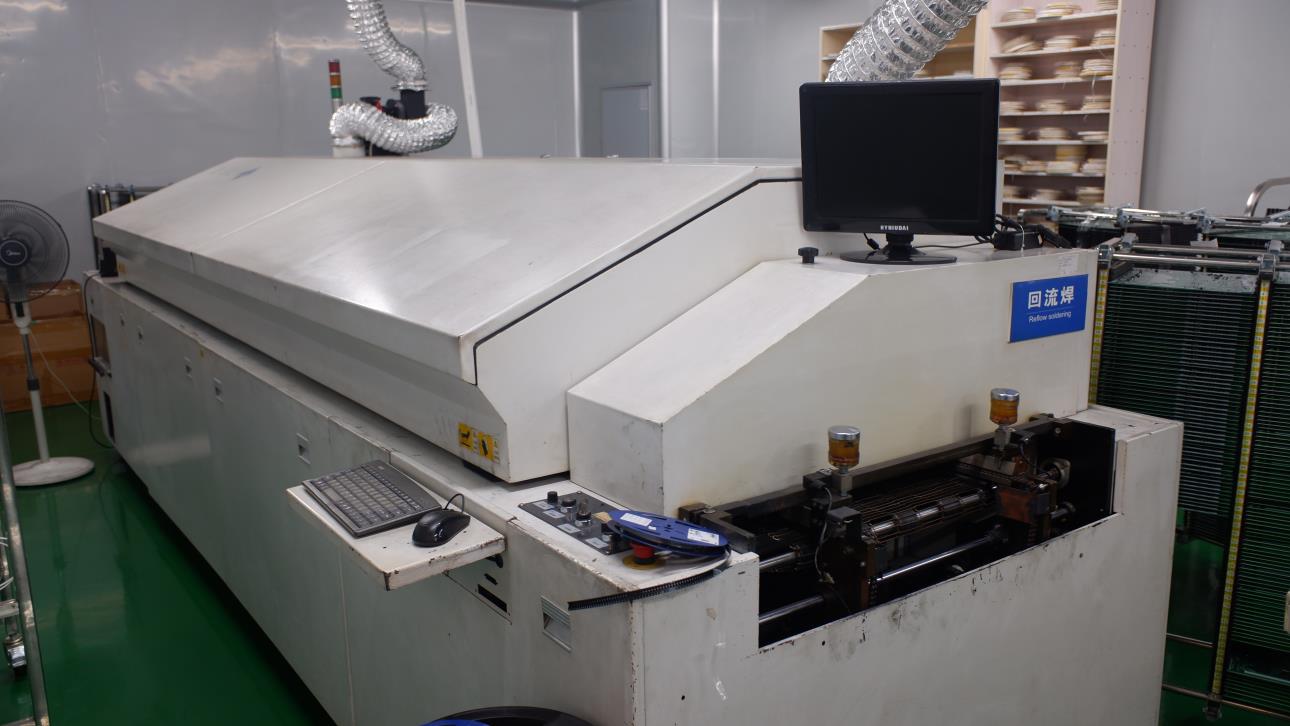
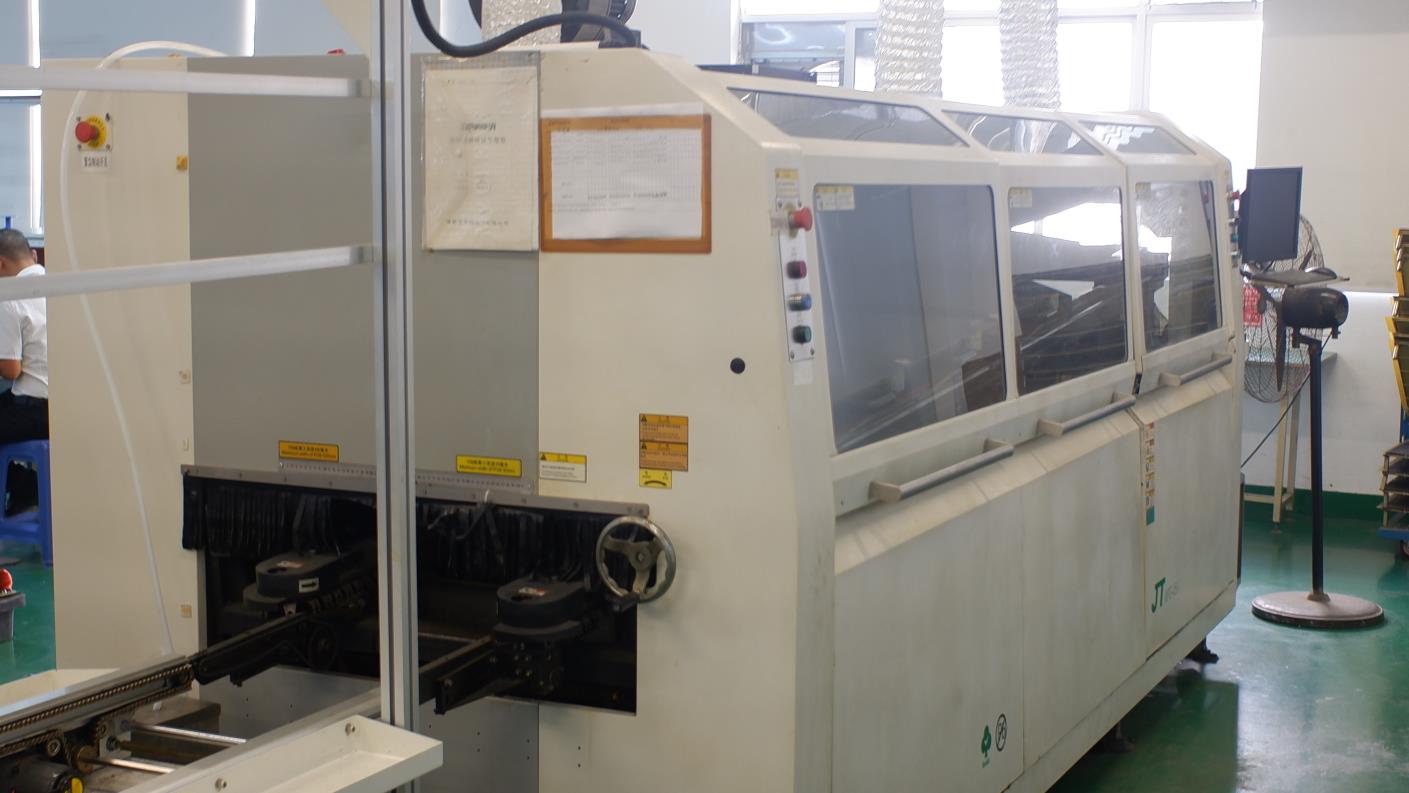
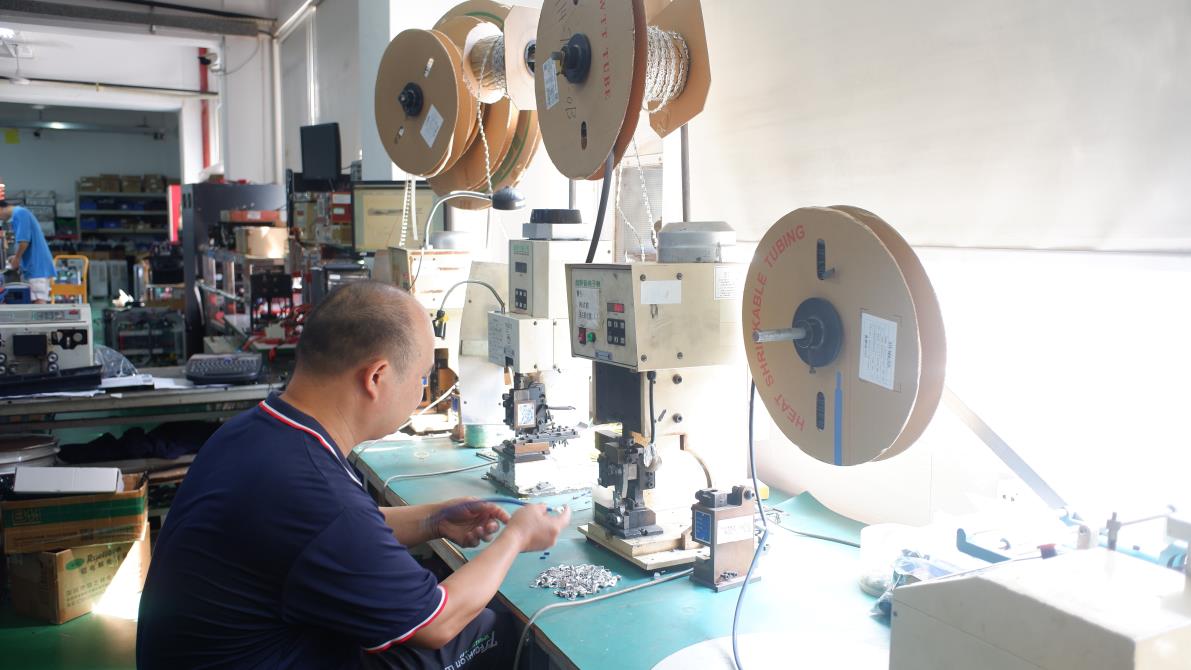
Leveraging China's world-class electronics supply chain, our Jiangxi manufacturing base provides unparalleled cost-to-performance ratios. Our vertical integration—from PCB assembly to final aging tests—ensures that we control every variable of quality.
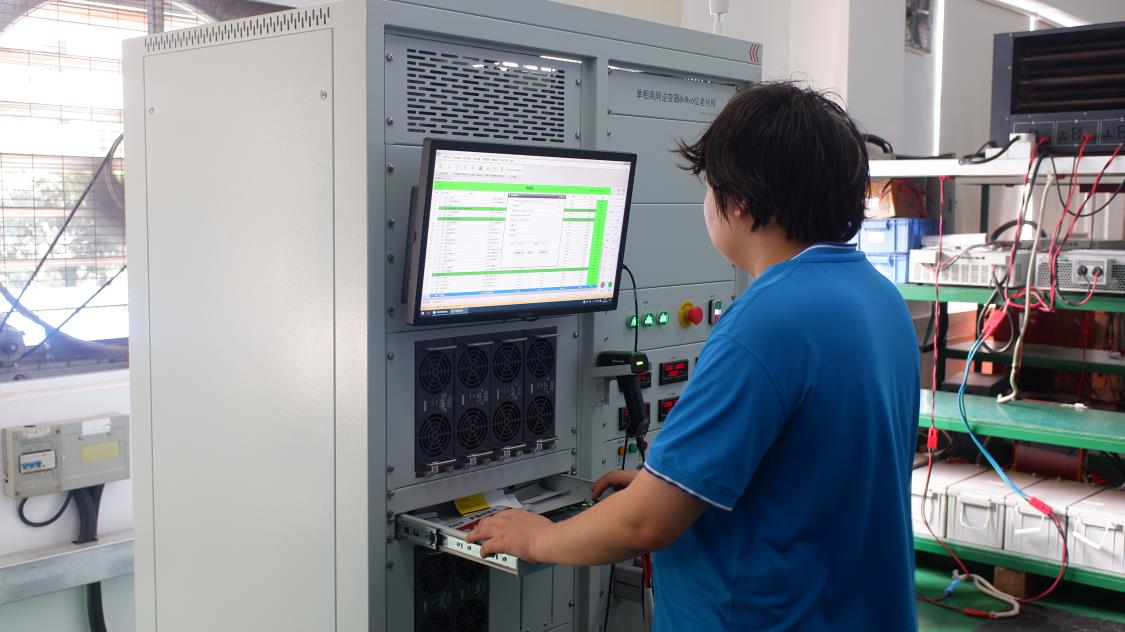
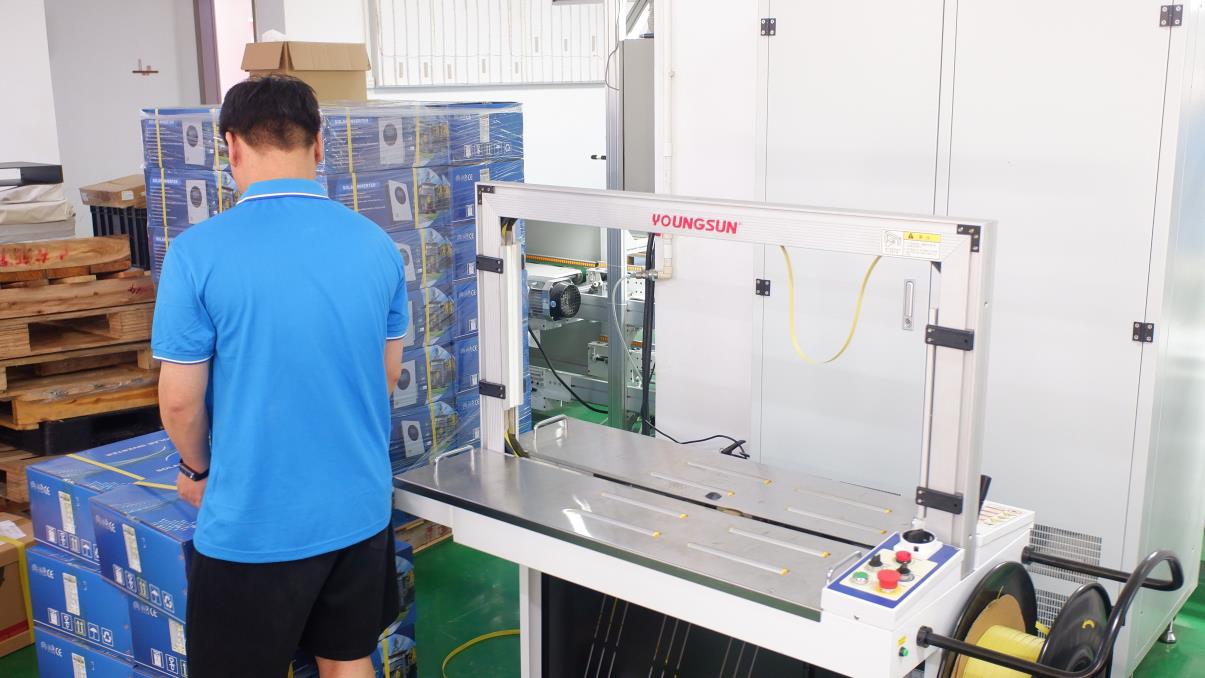
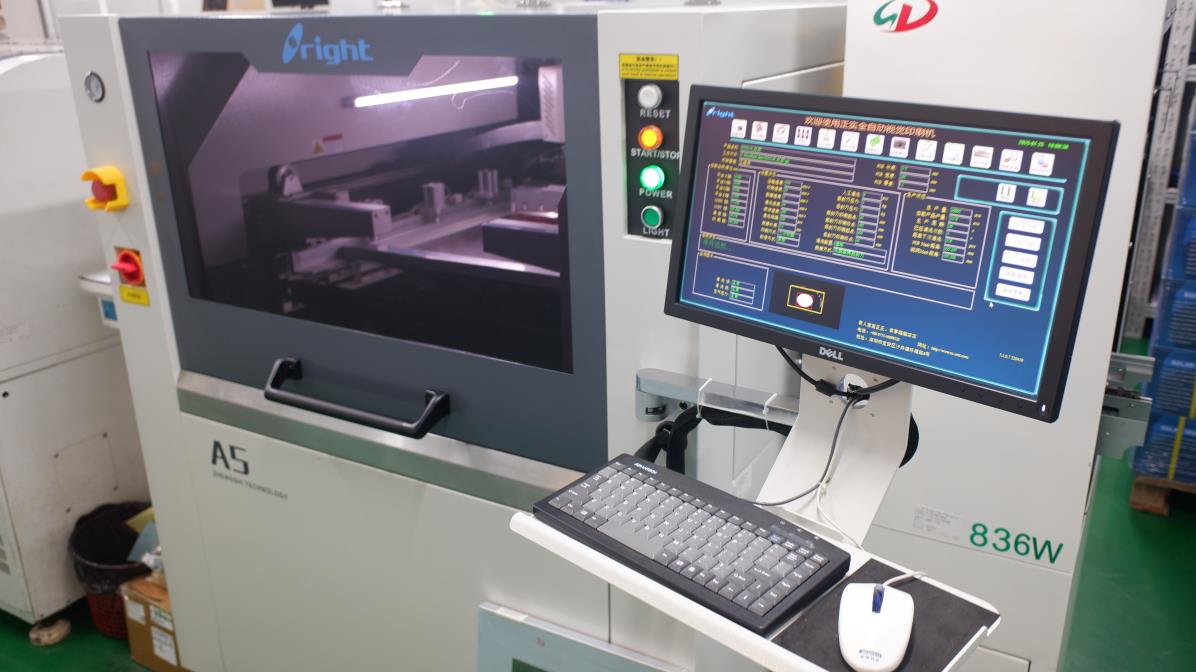
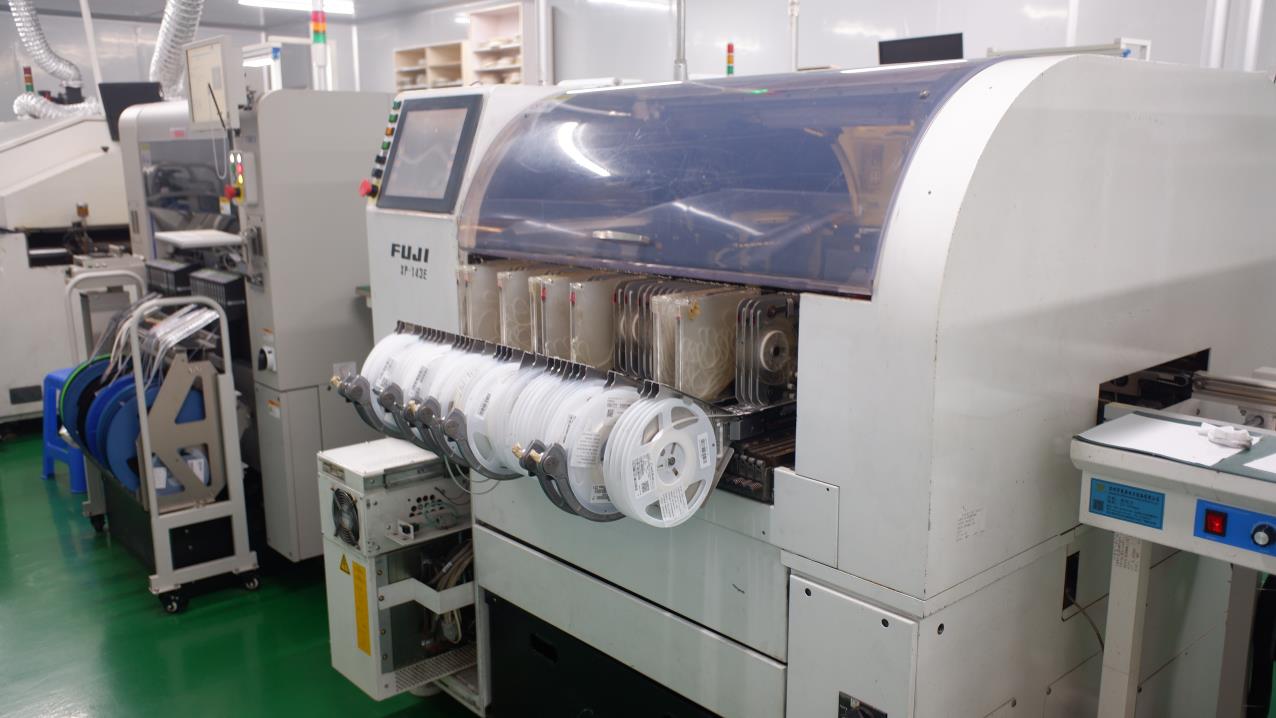
Every region has unique grid requirements and environmental factors. Our products are designed with adaptability in mind.
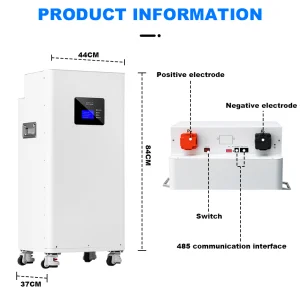
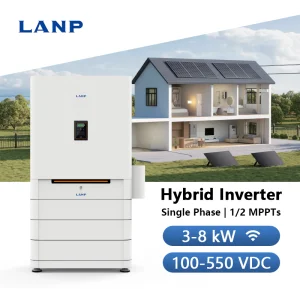
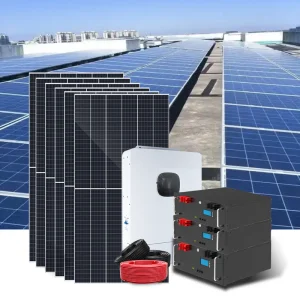
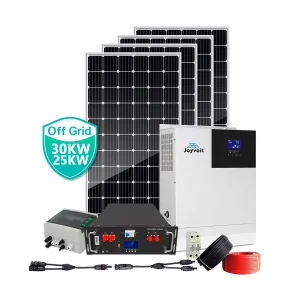
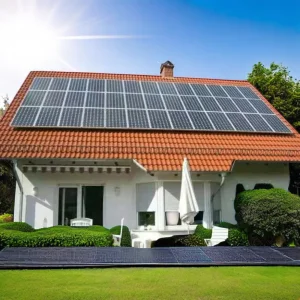
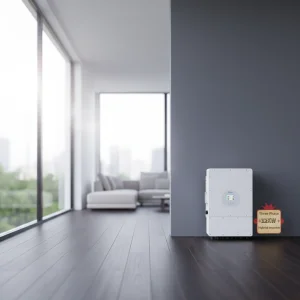
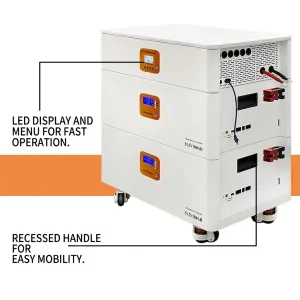
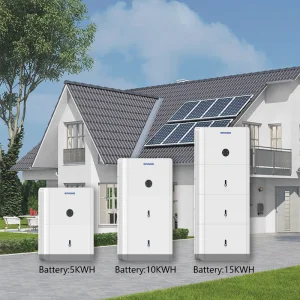
Stackable designs and high-voltage systems (HV) meet the aesthetic and safety requirements of European and American households, integrating seamlessly with existing PV arrays.
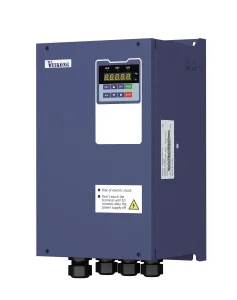
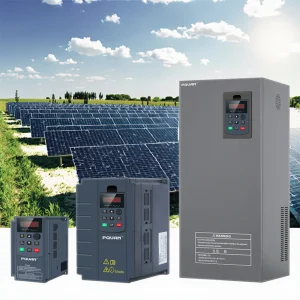
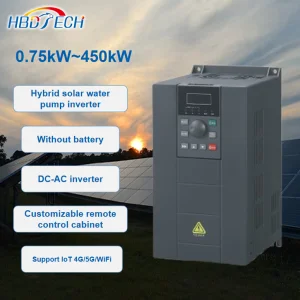
Our Solar Pump Inverters (VFD) with MPPT controllers enable efficient irrigation in off-grid areas, specifically engineered to withstand high humidity and dust.
Specially developed for areas with unstable utility power, our systems offer "UPS-level" switching speeds ( < 10ms) to protect sensitive industrial equipment.
We use Grade-A LiFePO4 cells and a triple-redundant BMS. Our systems undergo rigorous "Aging Testing" for 72 hours before shipment to ensure no thermal runaway risks exist under peak load.
All our products are designed according to international standards from the PCB layout stage. We provide full documentation for local grid connection applications, ensuring a smooth approval process for installers.
Yes, all our hybrid inverters and ESS units support WiFi/GPRS monitoring. Through our IoT-enabled cloud platform, users can track production, consumption, and battery health in real-time.
Our LiFePO4 systems are rated for 6,000+ cycles at 80% Depth of Discharge (DoD), which translates to over 15 years of daily use in typical residential settings.
 Yde Power