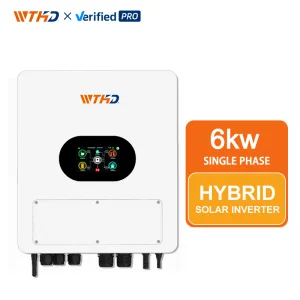
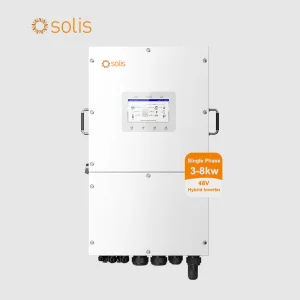
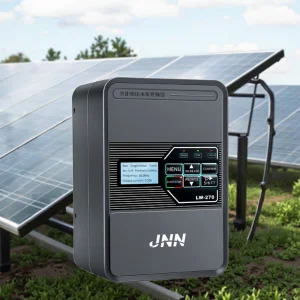
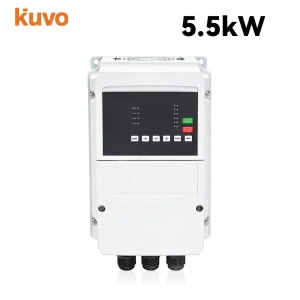
As the world pivots toward decentralized energy resources (DERs), the role of the compact solar inverter has evolved from a simple converter to a smart energy gateway. In 2024, commercial and industrial (C&I) sectors are demanding higher energy density, modularity, and AI-driven efficiency. Compact inverters are no longer just about space-saving; they represent the frontier of Levelized Cost of Energy (LCOE) optimization.
From microgrids in Sub-Saharan Africa to rooftop solar arrays in industrial Germany, these devices are the backbone of grid stability. The integration of Silicon Carbide (SiC) and Gallium Nitride (GaN) components has enabled manufacturers to shrink footprints by 40% while pushing conversion efficiencies beyond 99%.
Peak MPPT Efficiency
Protection Standard
Years Design Life
UPS-Level Switching
The "Top 10" compact solar inverter suppliers predominantly share a common denominator: high-precision Chinese manufacturing ecosystems. Shenzhen, often cited as the Silicon Valley of hardware, offers an unparalleled supply chain for IGBT modules, capacitors, and Battery Management Systems (BMS).
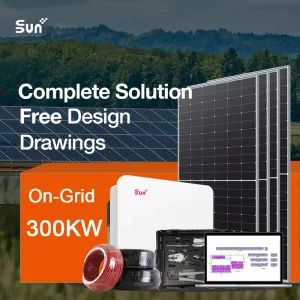
This efficiency allows global procurement teams to source high-spec hardware—such as tri-phase hybrid inverters and 300kW grid-tie systems—at a fraction of the cost of traditional Western brands, without sacrificing E-E-A-T (Expertise, Authoritativeness, and Trustworthiness) standards.
Global enterprises are now looking for:
Shenzhen Yde Power Co., Ltd. is a professional manufacturer specializing in residential, commercial, and industrial energy storage systems (ESS). Headquartered in Shenzhen, China, the company integrates research and development, production, sales, and service to deliver comprehensive clean energy solutions to global markets.
In addition to its headquarters in Shenzhen, Yde Power operates a modern ISO9001-certified manufacturing facility in Jiangxi Province, equipped with advanced automated production lines and stringent quality control systems. The company also maintains a dedicated R&D center in Shenzhen, focusing on continuous innovation in battery management systems (BMS), system integration, and intelligent energy optimization technologies.
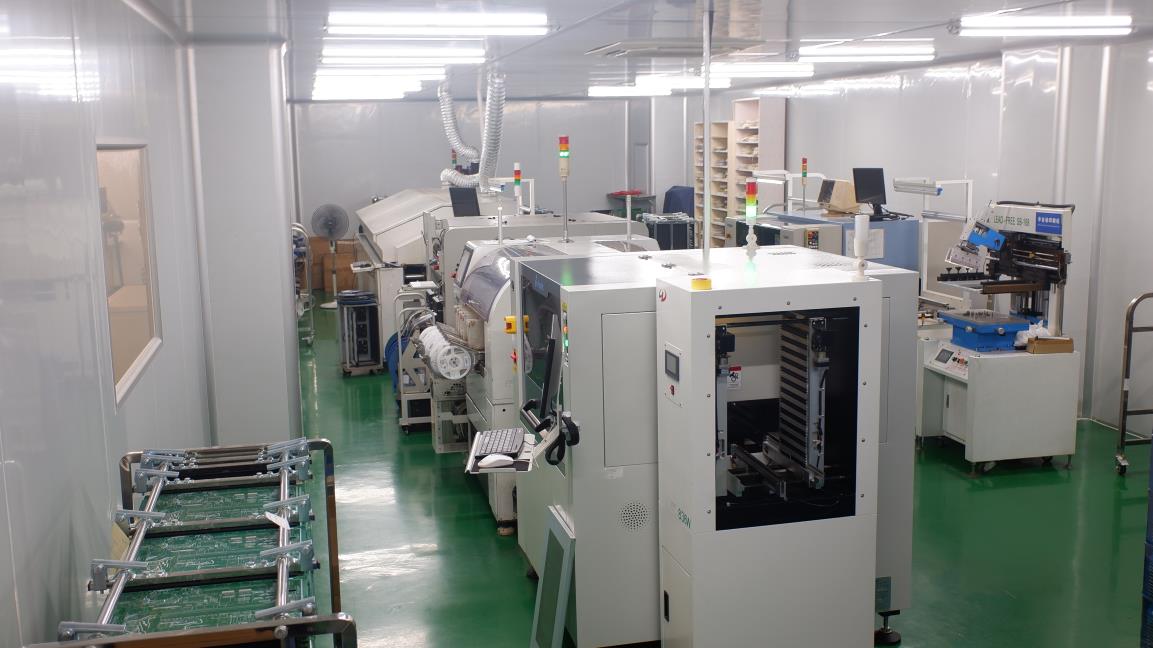
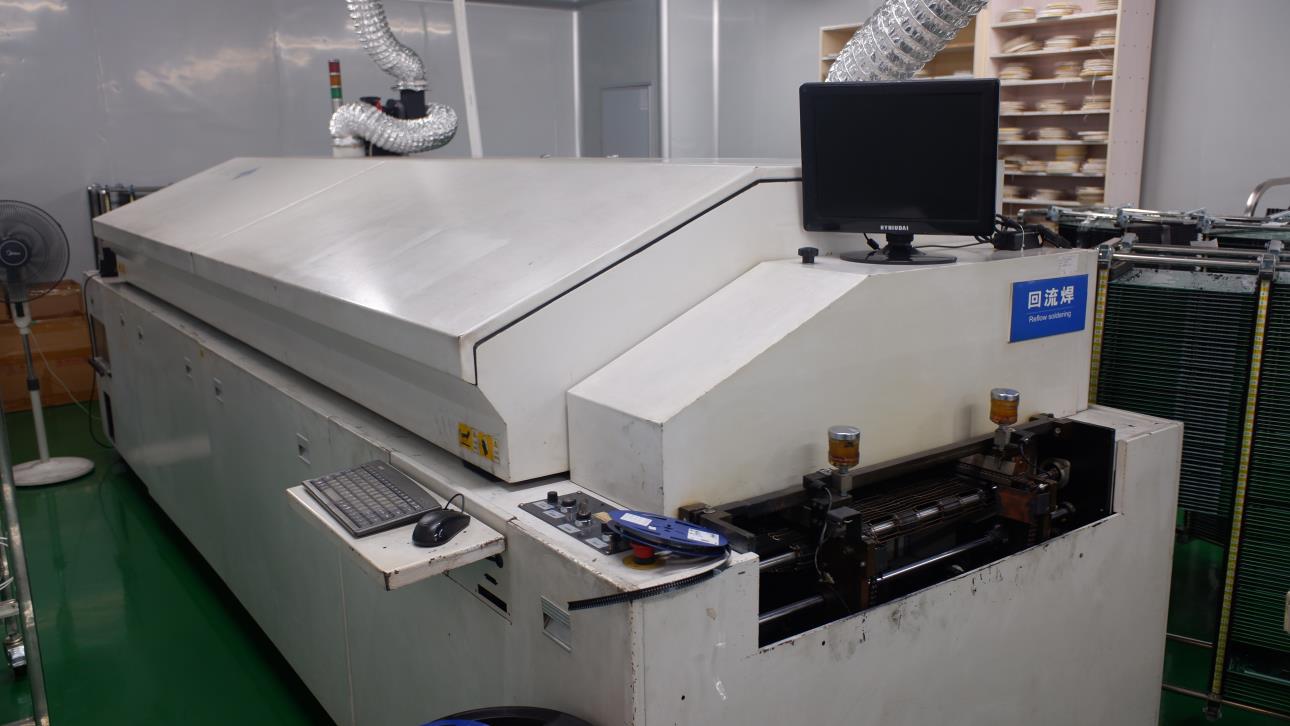
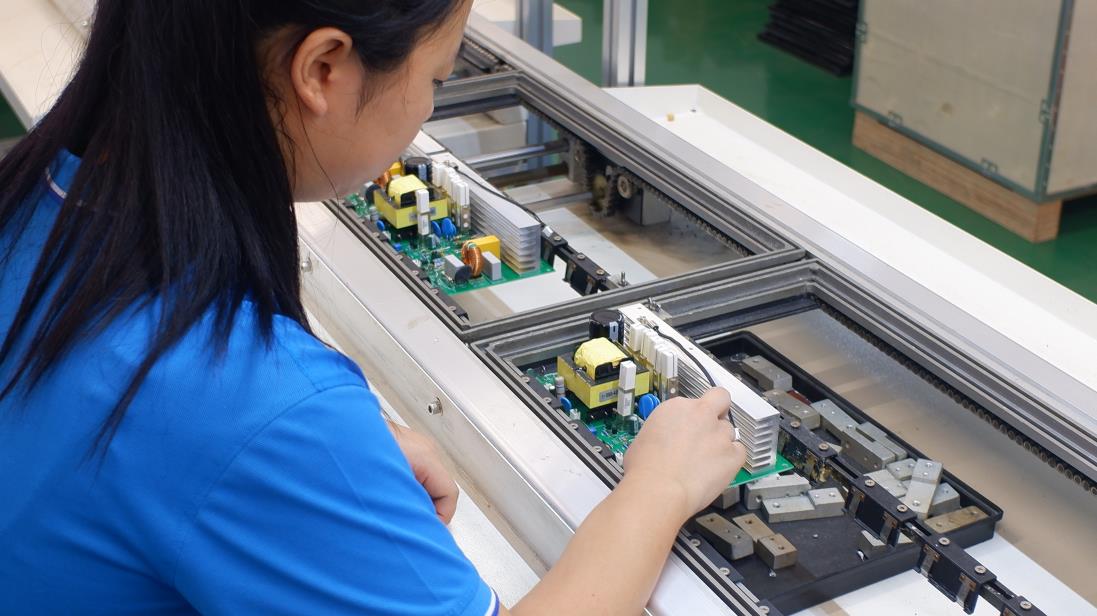
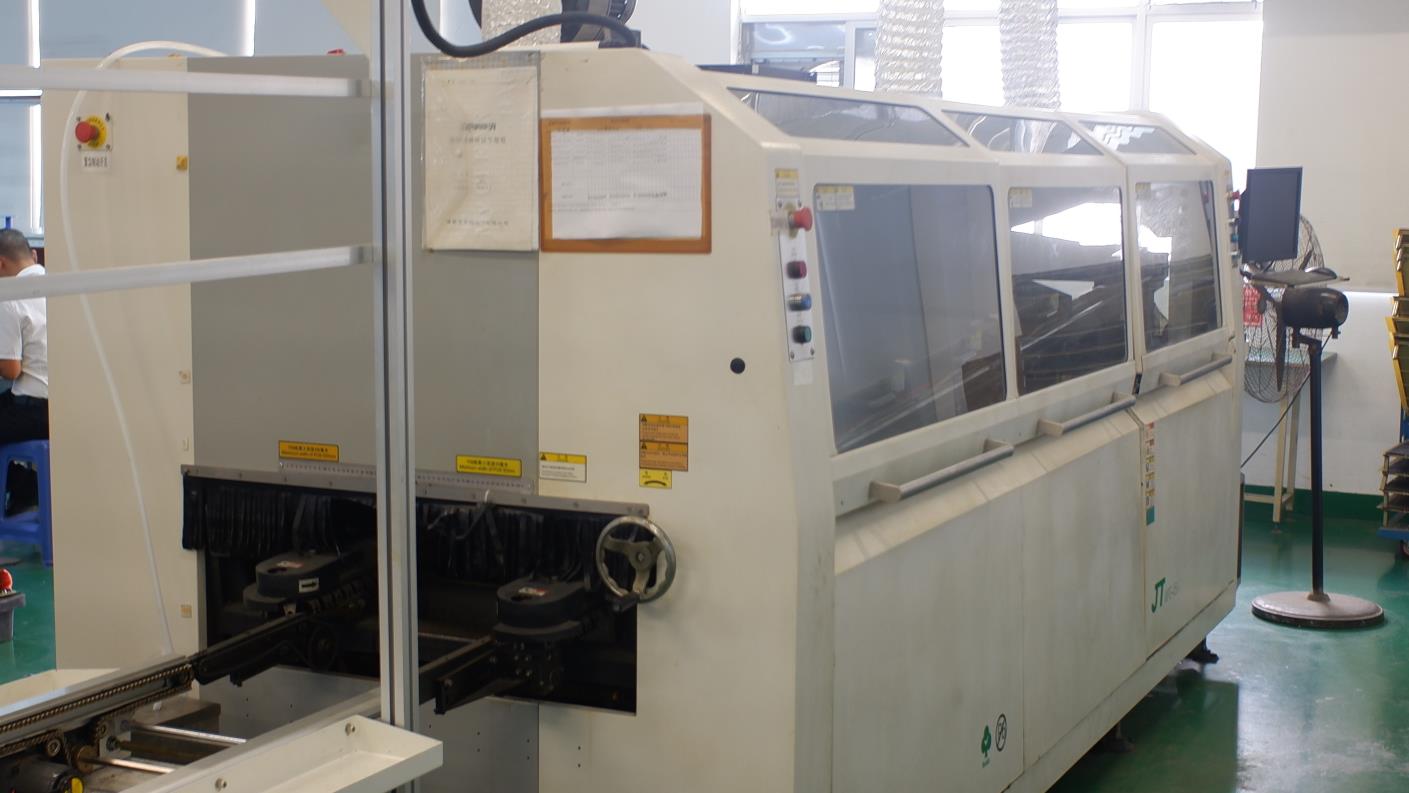
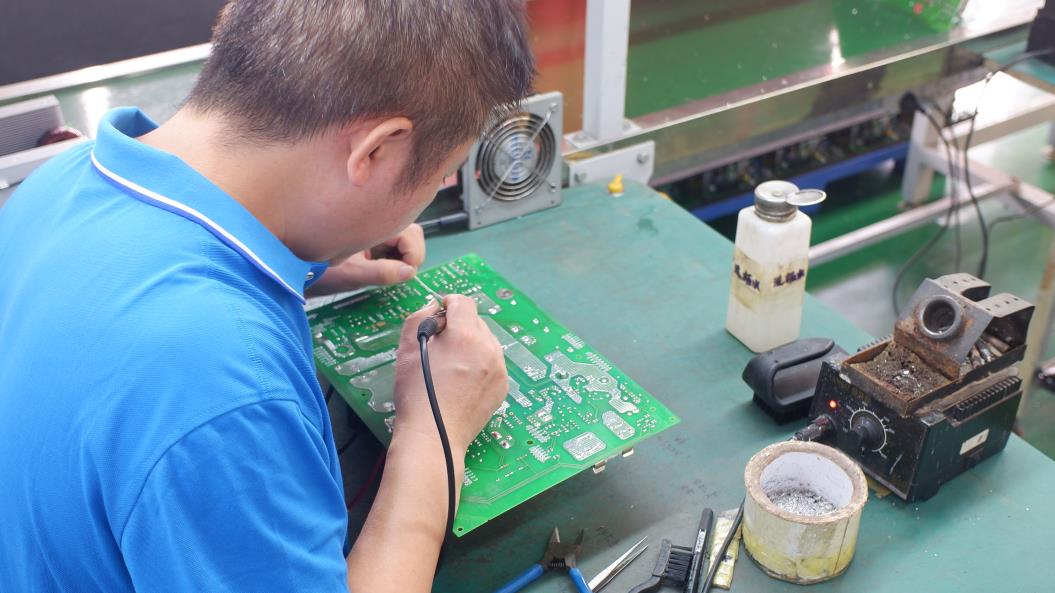
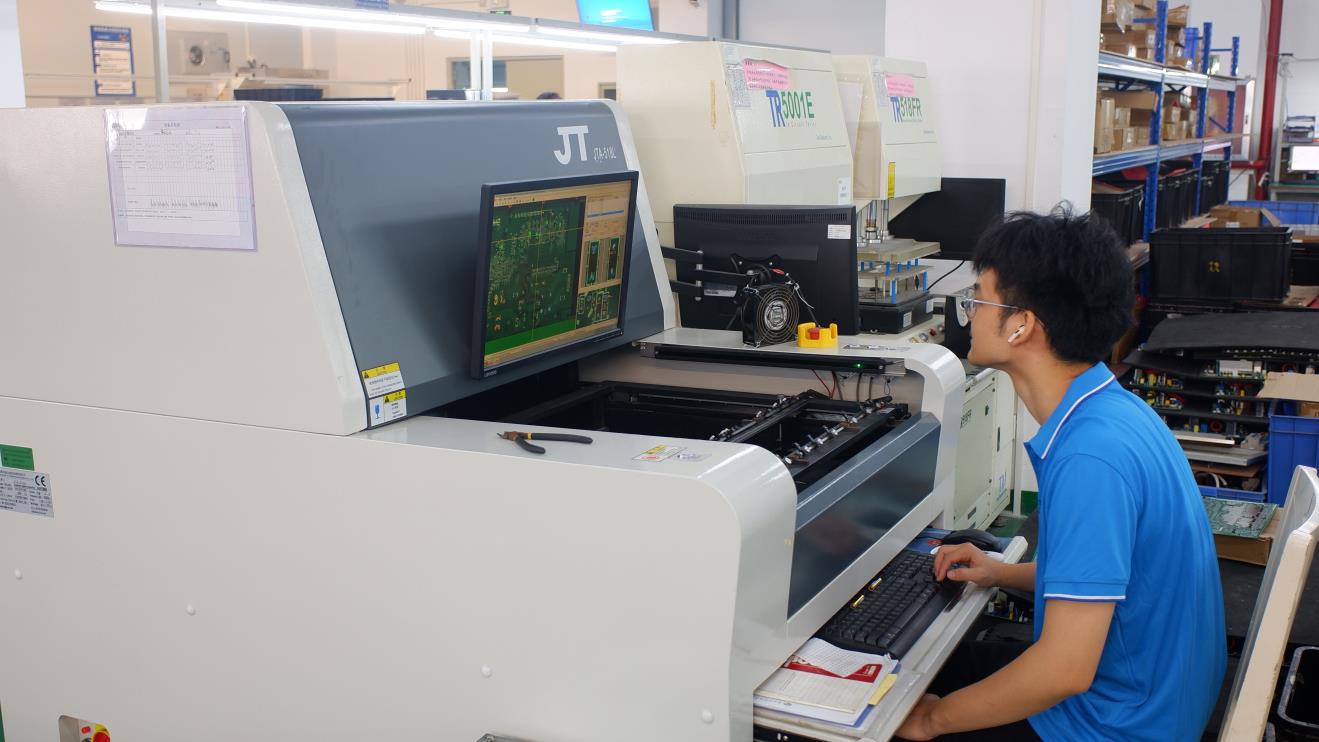
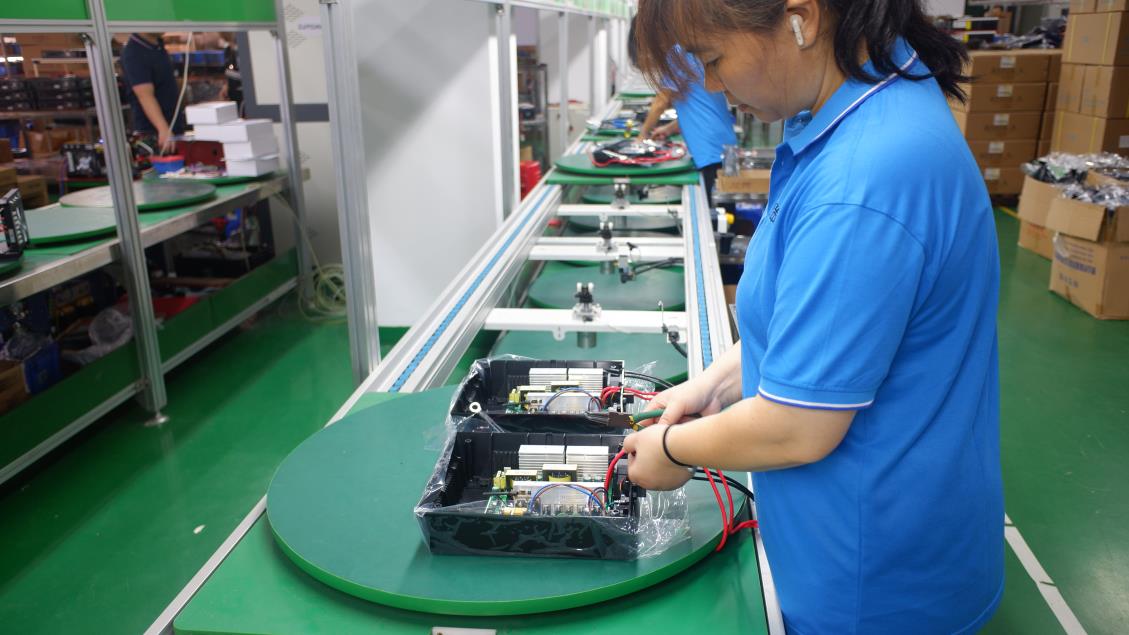
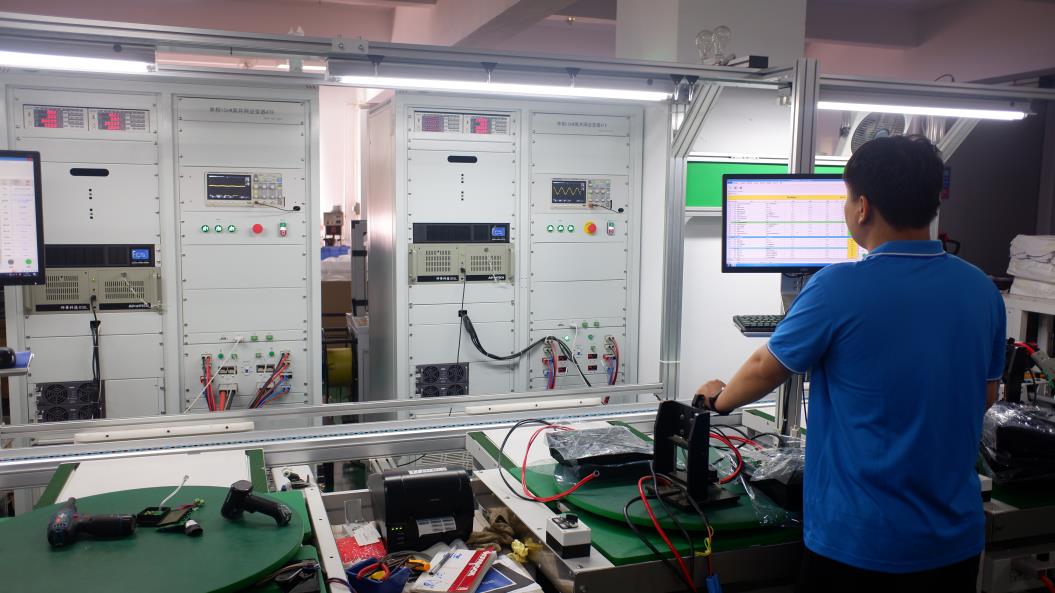
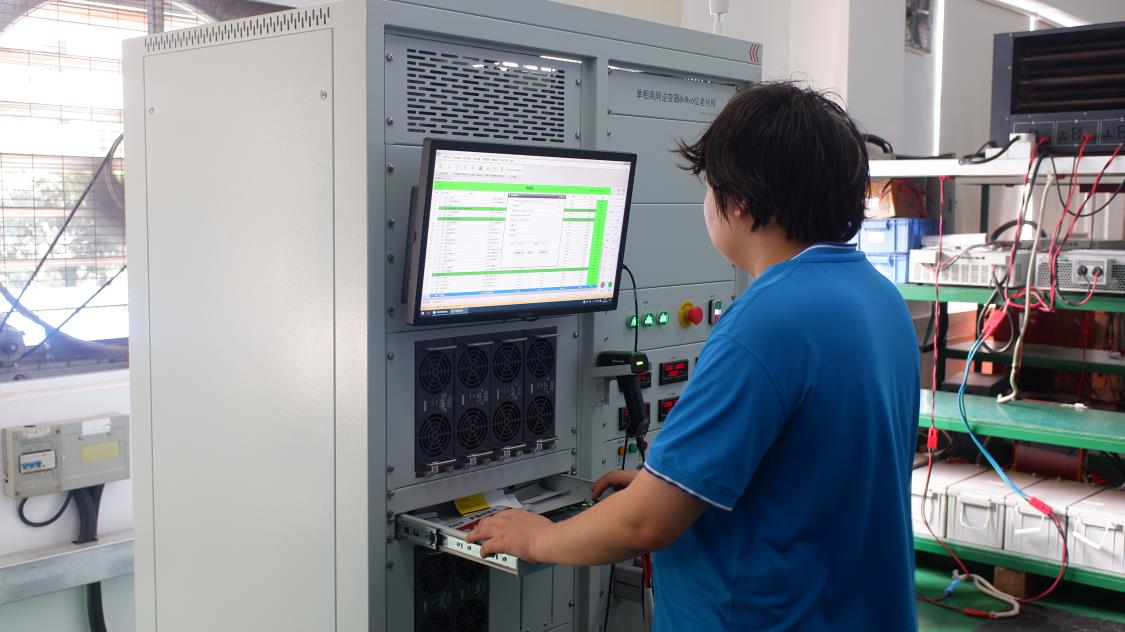
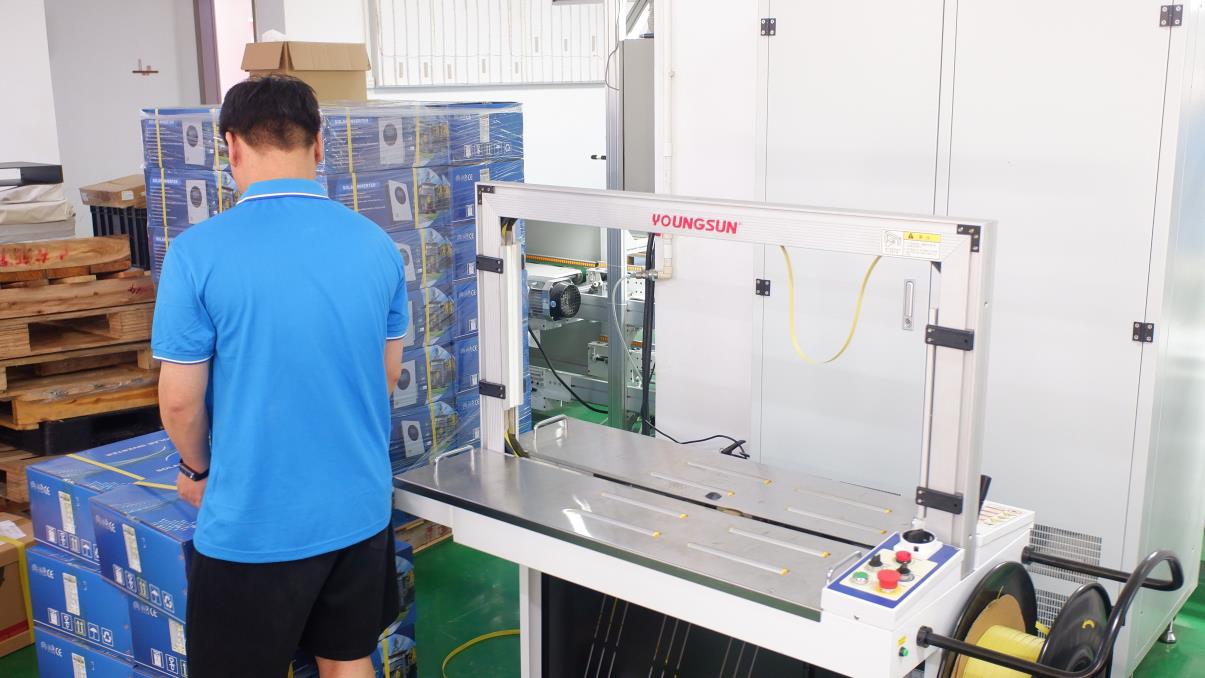
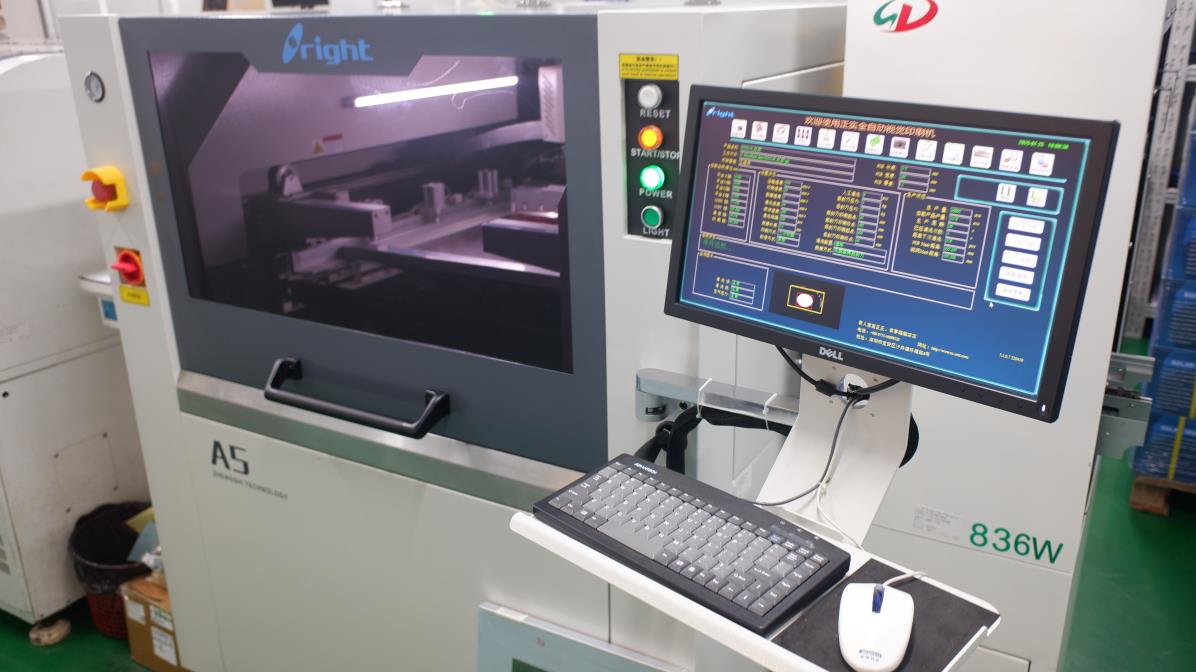
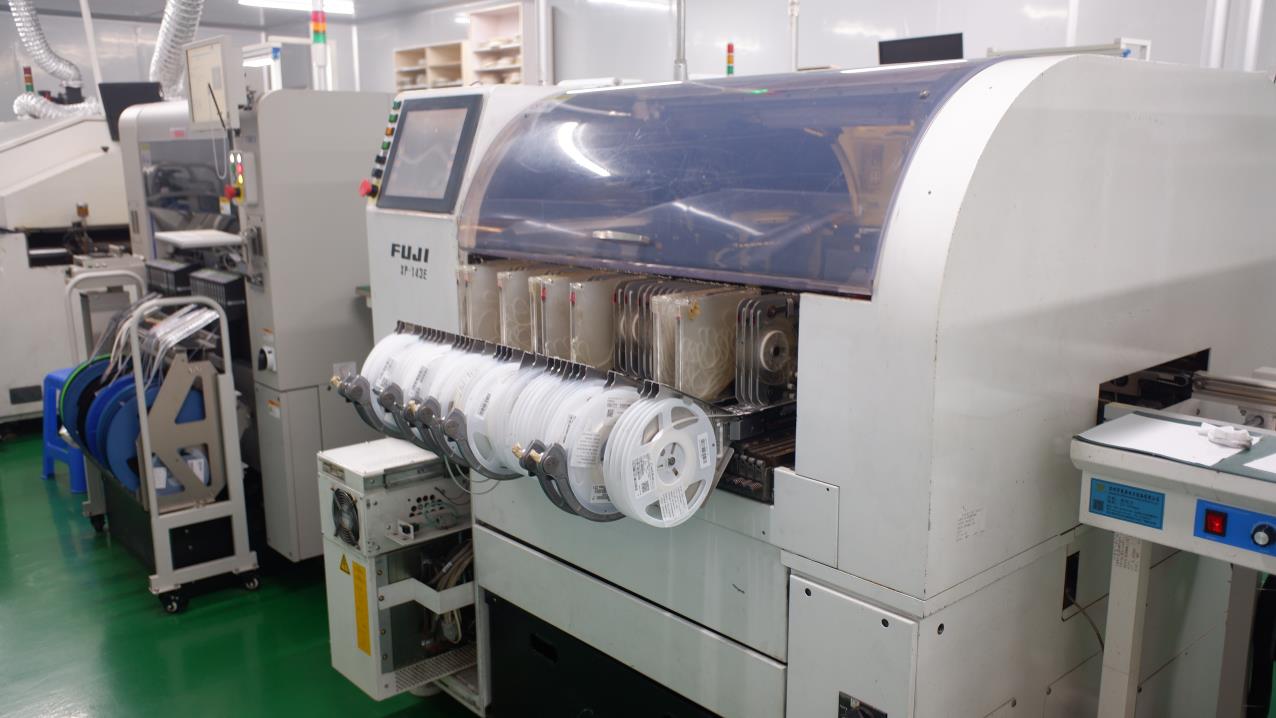
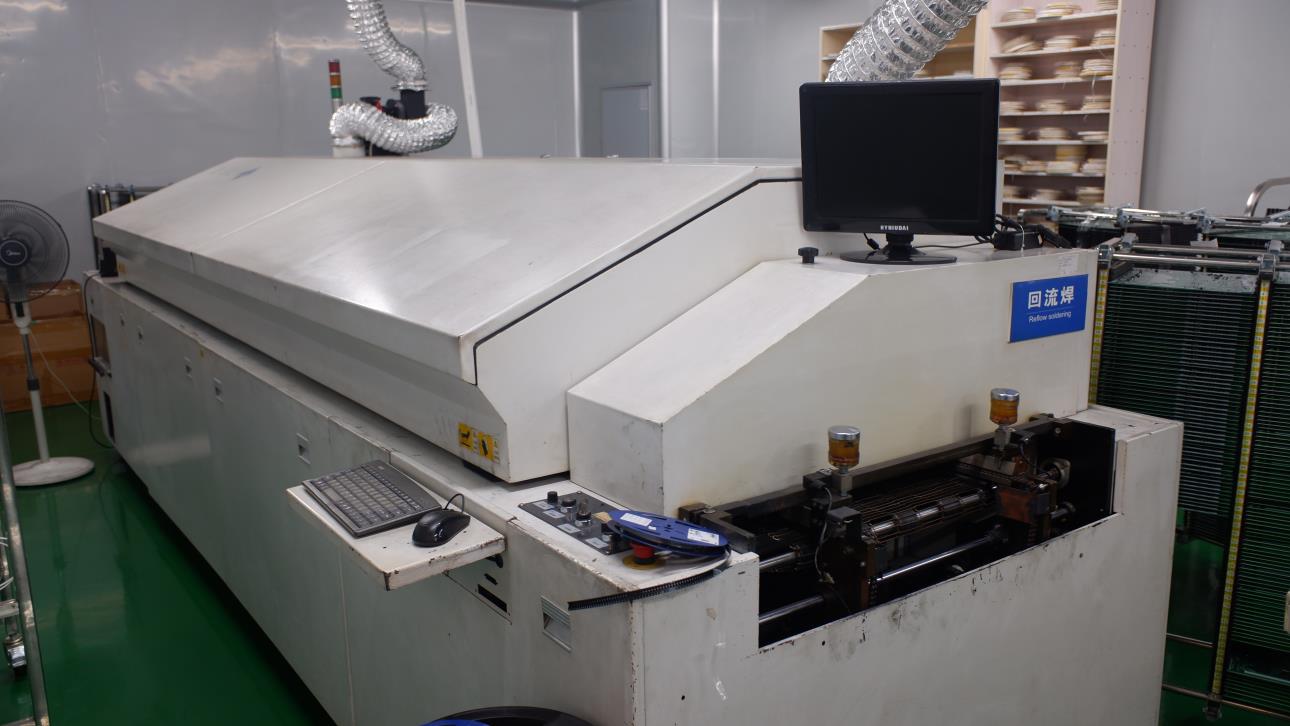
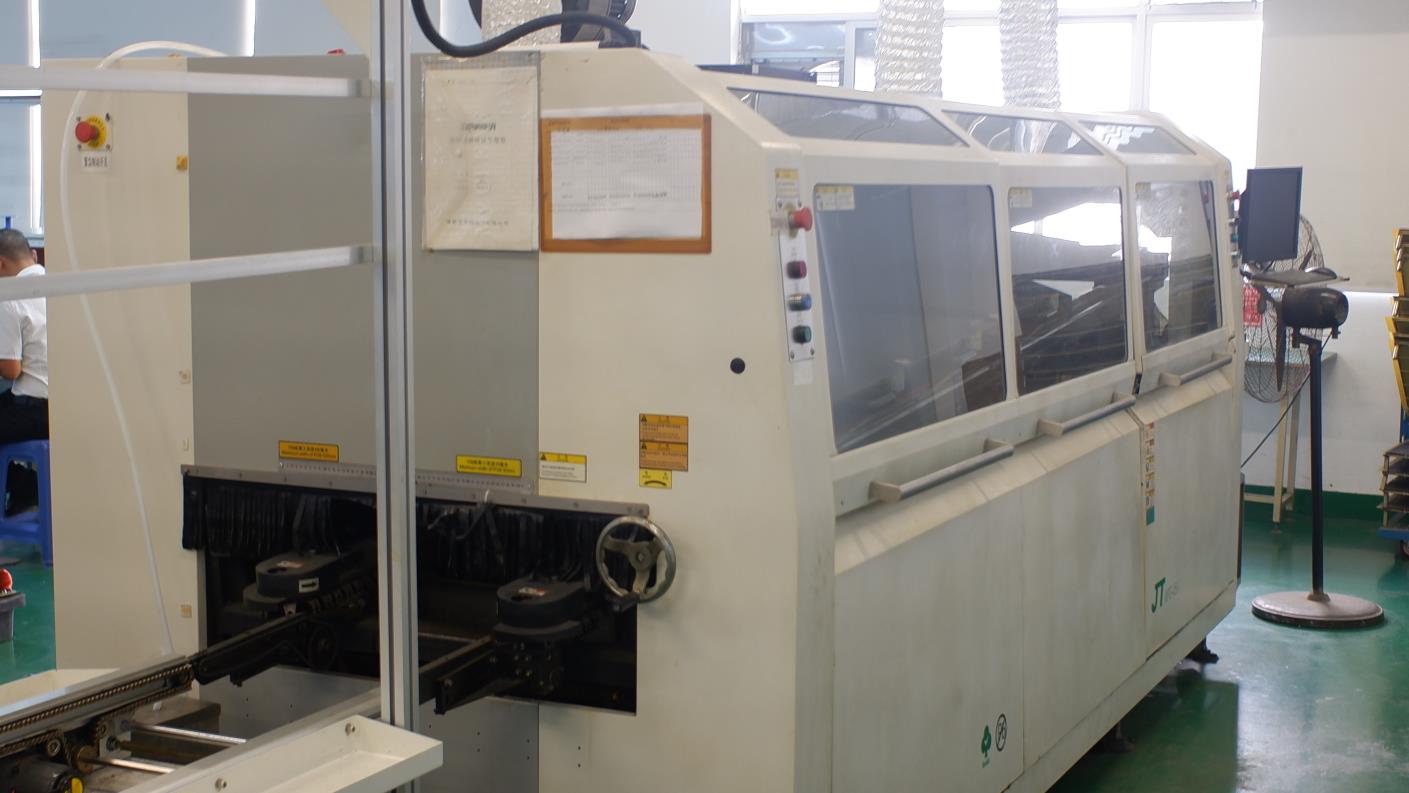
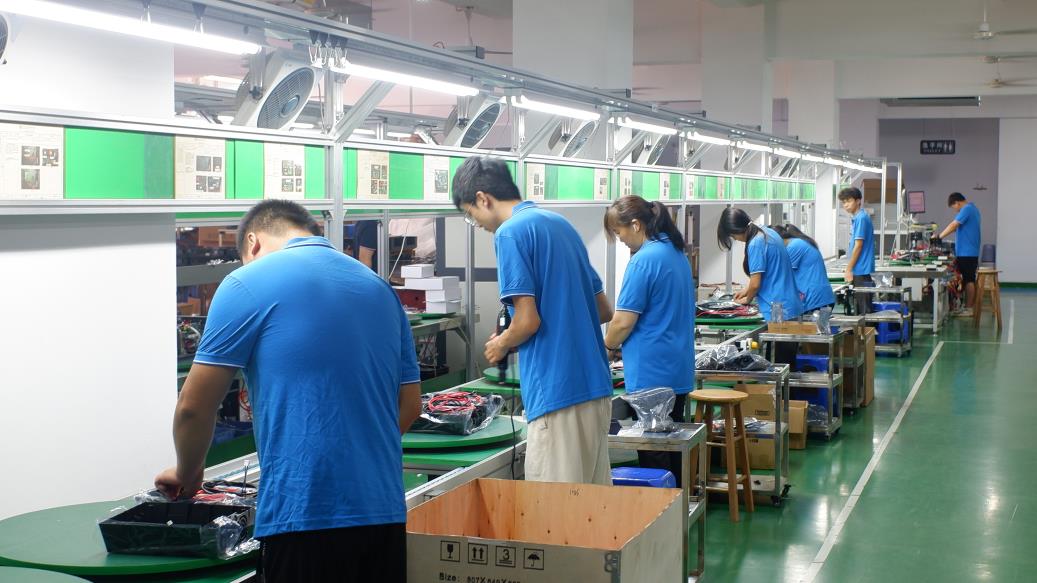
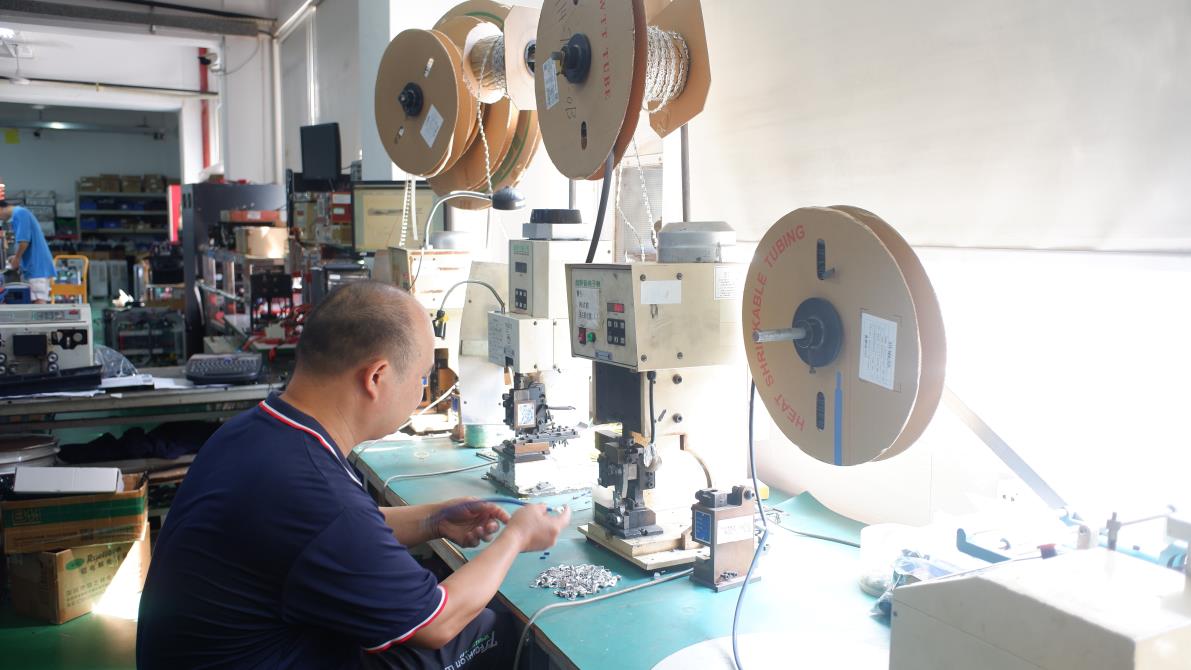
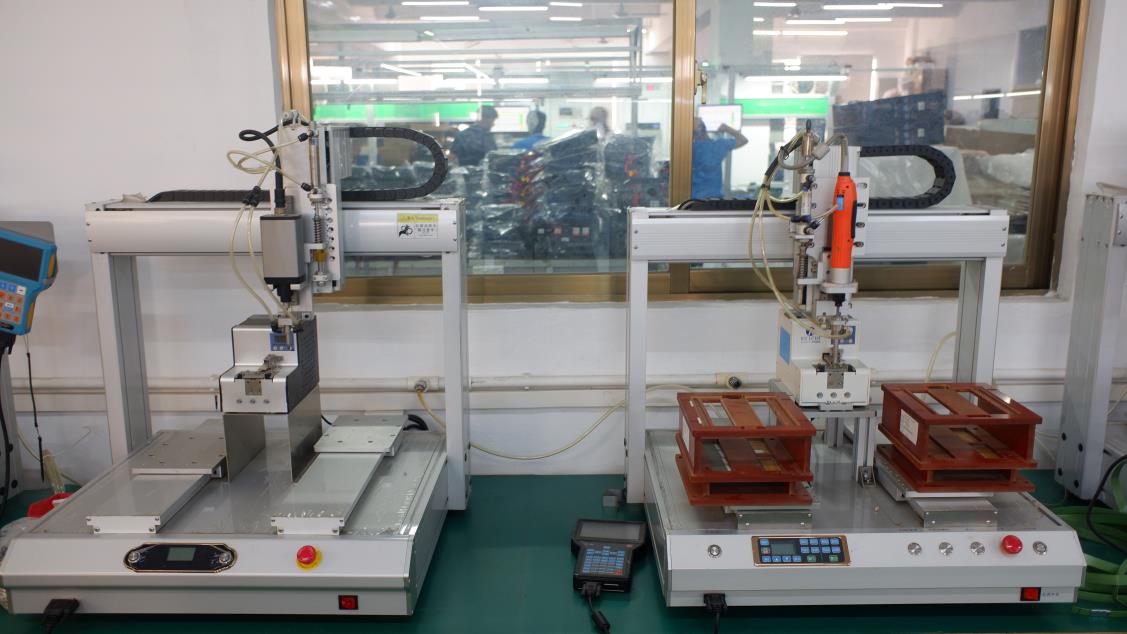
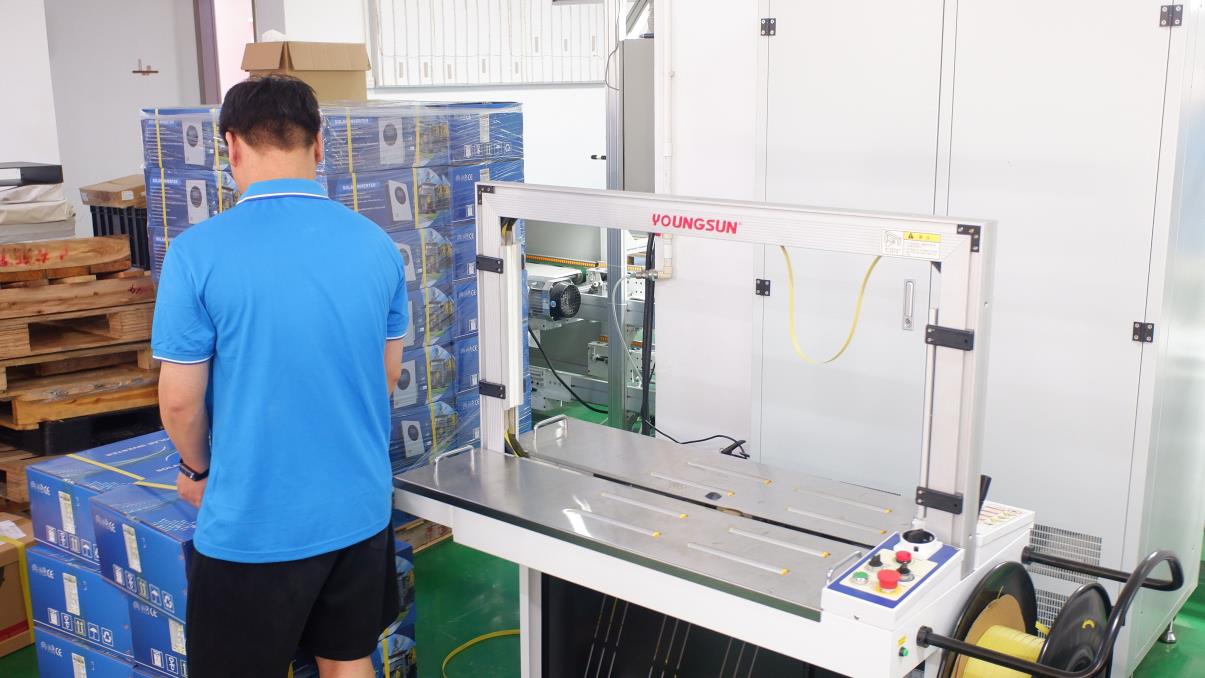
Adapting solar technology to diverse industrial and residential environments.
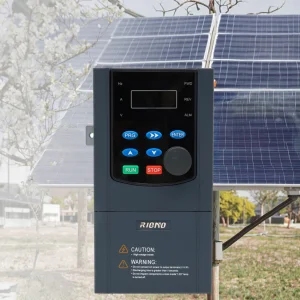
In regions like South Asia and South America, solar VFD inverters (Variable Frequency Drives) are revolutionizing irrigation. By using the sun to power submersible pumps directly, farmers eliminate the need for costly diesel fuel. Systems like the RIQNO 30kW VFD provide the ruggedness required for outdoor, off-grid environments.
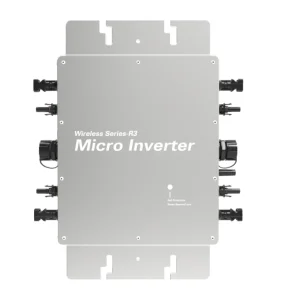
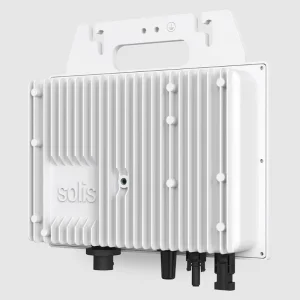
Europe’s "Balcony Solar" movement requires ultra-compact, plug-and-play solutions. Micro-inverters like the Solis S6-800W allow urban dwellers to generate clean energy without complex roof installations, prioritizing safety and IP65 waterproof standards.
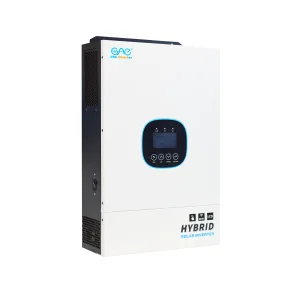
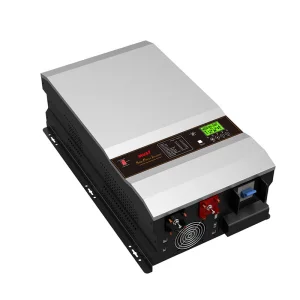
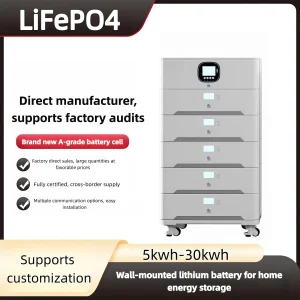
For factories, the 10kW to 500kW hybrid inverter series enables "Peak Shaving"—discharging stored battery energy during peak tariff hours to drastically reduce utility bills. This is the cornerstone of modern Corporate Social Responsibility (CSR) and operational efficiency.
 Yde Power