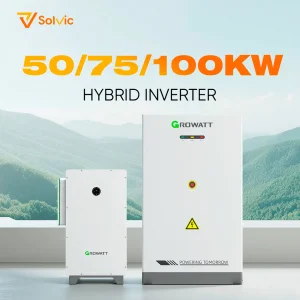
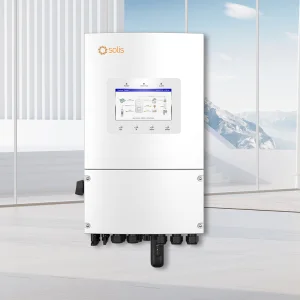
Select from our field-tested collection of industrial, commercial, and residential intelligent inverters. Engineered to perform in extreme environmental conditions.
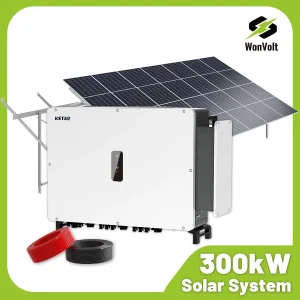
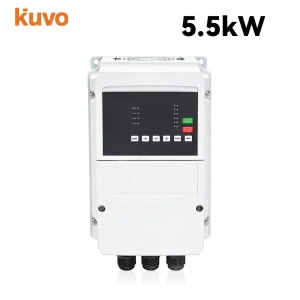
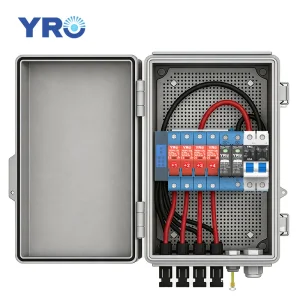
The global transition toward decentralized power grids requires a fundamental shift in grid management systems. Extreme weather patterns, grid congestion, and fluctuating electricity costs are forcing business operations to adapt. All-in-One Energy Storage Inverters act as a critical bridge. They integrate a solar MPPT charge controller, a battery management system (BMS), and a grid-forming bidirectional inverter into a single chassis.
Mitigate high peak tariffs by utilizing stored battery capacity during maximum load periods. Advanced energy management algorithms automatically dispatch stored solar power to maintain peak demand within target thresholds.
Ensure operation during grid drops. All-in-One systems transition seamlessly to off-grid mode within milliseconds, delivering uninterrupted power to critical facility circuits and industrial machinery.
By reducing component interconnectivity issues, wiring losses, and field-commissioning hours, our systems optimize the Levelized Cost of Electricity (LCOE) for grid-scale solar-plus-storage projects.
Shenzhen Yde Power Co., Ltd. is a professional manufacturer specializing in residential, commercial, and industrial energy storage systems (ESS). Headquartered in Shenzhen, China, the company integrates research and development, production, sales, and service to deliver comprehensive clean energy solutions to global markets.
In addition to its headquarters in Shenzhen, Yde Power operates a modern ISO9001-certified manufacturing facility in Jiangxi Province, equipped with advanced automated production lines and stringent quality control systems. The company also maintains a dedicated R&D center in Shenzhen, focusing on continuous innovation in battery management systems (BMS), system integration, and intelligent energy optimization technologies.
Shenzhen Yde Power Co., Ltd. is committed to the development of efficient, safe, and environmentally friendly energy storage solutions. Our product portfolio includes residential battery storage systems, commercial and industrial energy storage cabinets, and scalable utility-grade ESS solutions designed to support grid stability, renewable energy integration, and peak shaving applications.
With the expansion of our Jiangxi manufacturing base, we have significantly enhanced production capacity, supply chain efficiency, and product diversity. This enables Yde Power to respond quickly to global customer demands while maintaining high standards of reliability and performance. Driven by innovation and sustainability, we continuously invest in new technologies, intelligent manufacturing processes, and international quality certifications to support our global partners in transition to clean energy.
A standard legacy storage system contains multiple independent components: a solar inverter, a battery charger, a BMS module, and external AC transfer switches. The integration process often introduces communication latency, compatibility risks, and complex field wiring issues.
| Feature Parameter | Legacy Component System | All-in-One Integrated System (Yde Power) | Strategic Advantage |
|---|---|---|---|
| Installation Complexity | Multiple enclosures, high installation labor, multi-point wiring | Pre-wired modular cabinet, plug-and-play connections | Up to 60% reduction in installation costs |
| BMS-PCS Communication | Different brand protocols, high risk of communication dropout | Native high-speed internal CAN/RS485 link | 10ms response to cell thermal/voltage alerts |
| Footprint / Space Efficiency | Large wall space required for separate installation | Vertical stacked modular cabinet architecture | Saves 40%+ precious commercial space |
| System Diagnostics | Hard to trace component failures, warranty dispersion | Unified local HMI and IoT cloud platform monitor | Single point of technical responsibility |
All-in-One technology merges these components into a thermally optimized, single-envelope system. The internal Battery Management System (BMS) shares real-time telemetry with the Power Conversion System (PCS), adjusting charging and discharging rates dynamically based on cellular temperature, State of Charge (SOC), and State of Health (SOH).
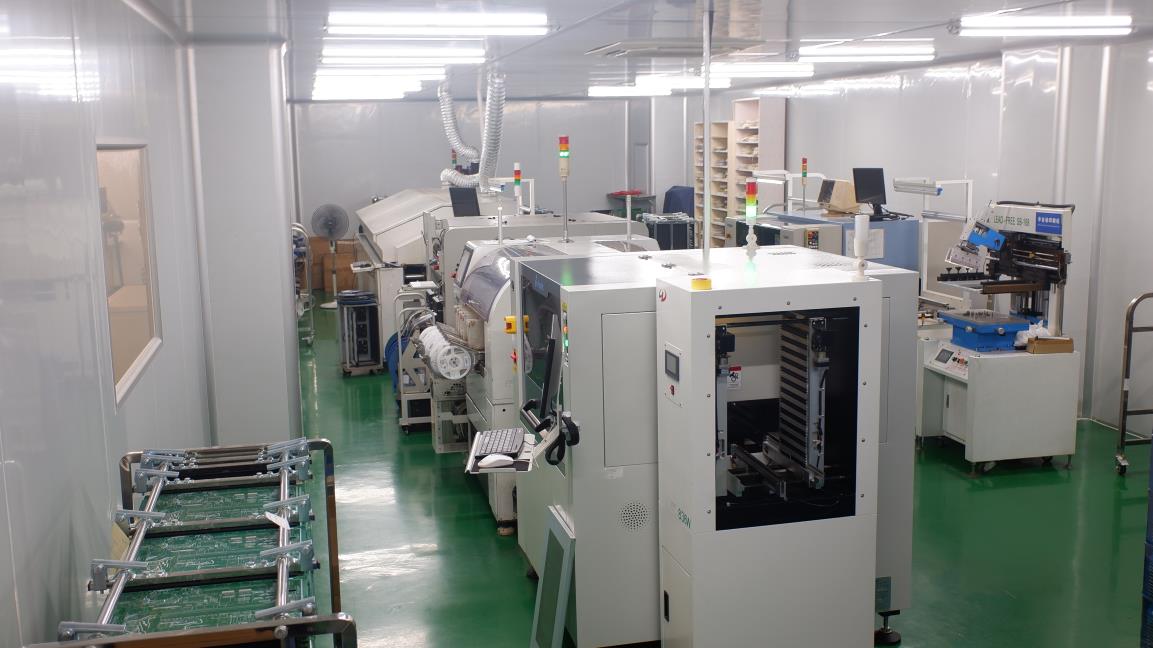
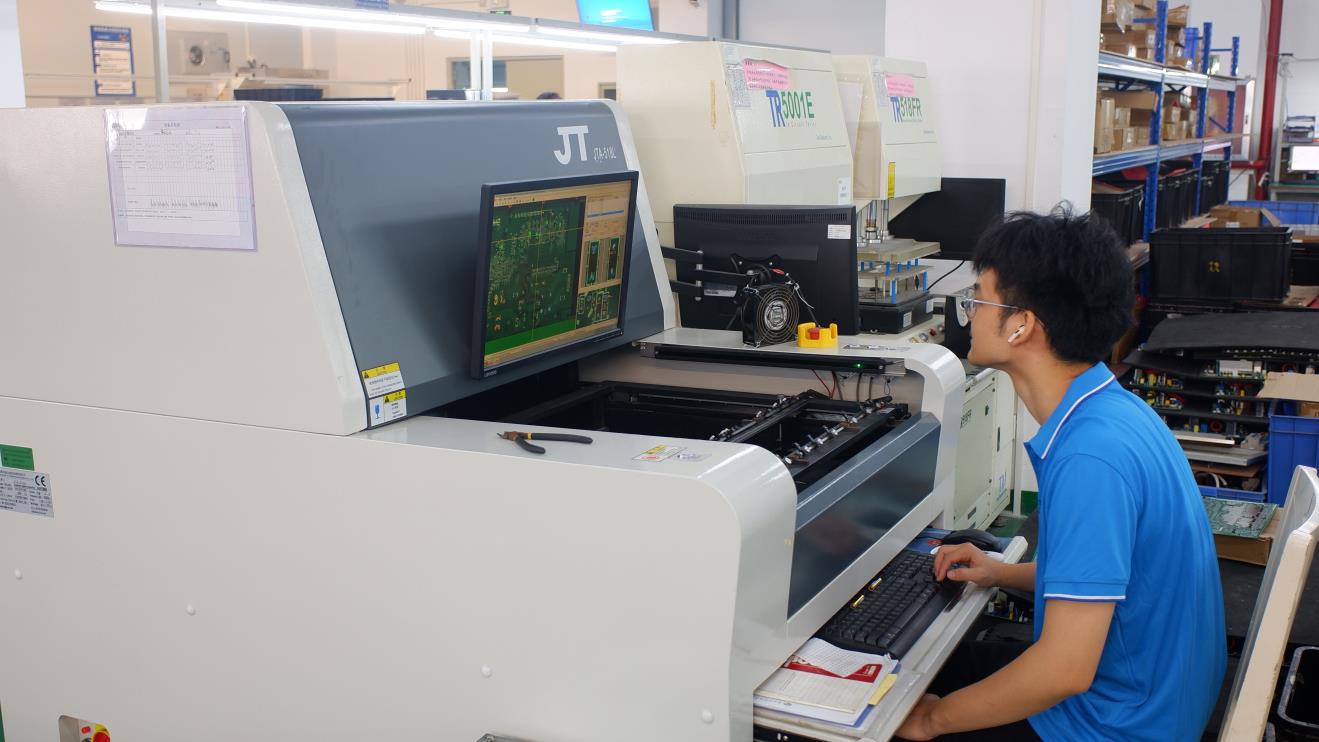
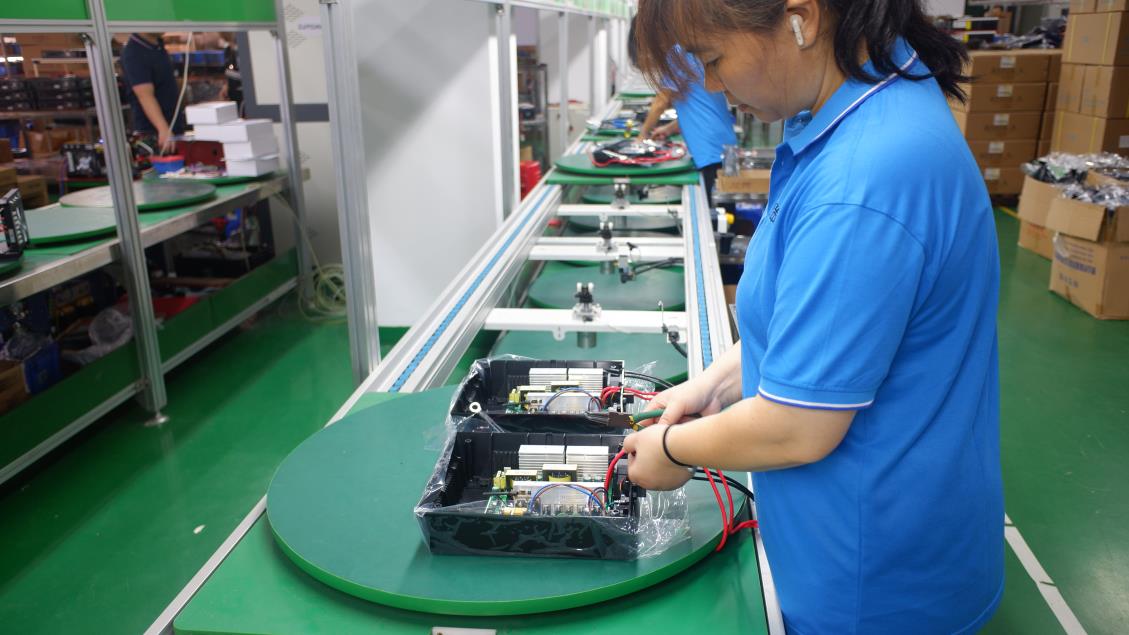
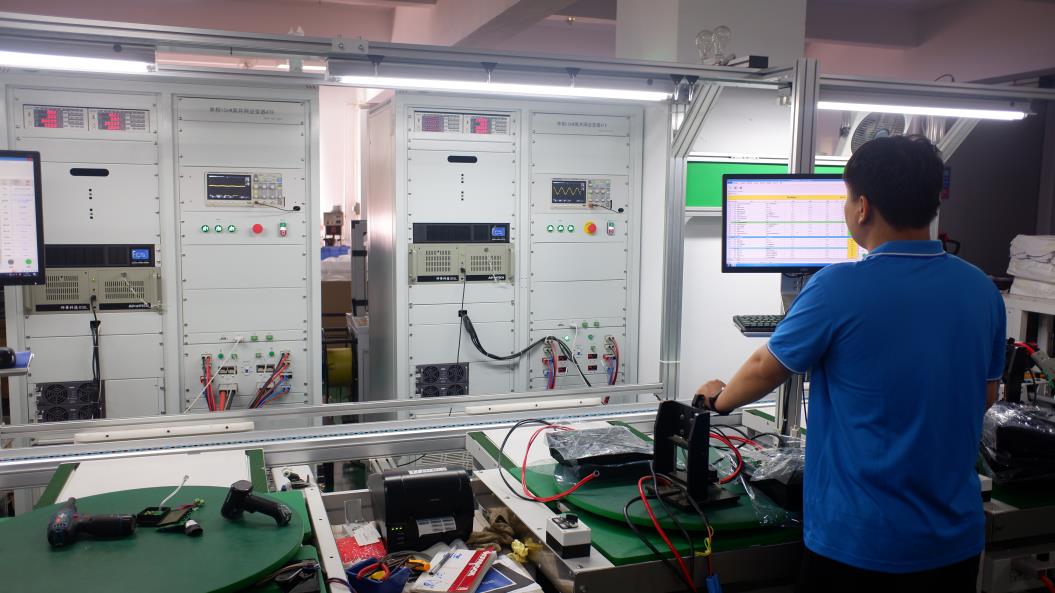
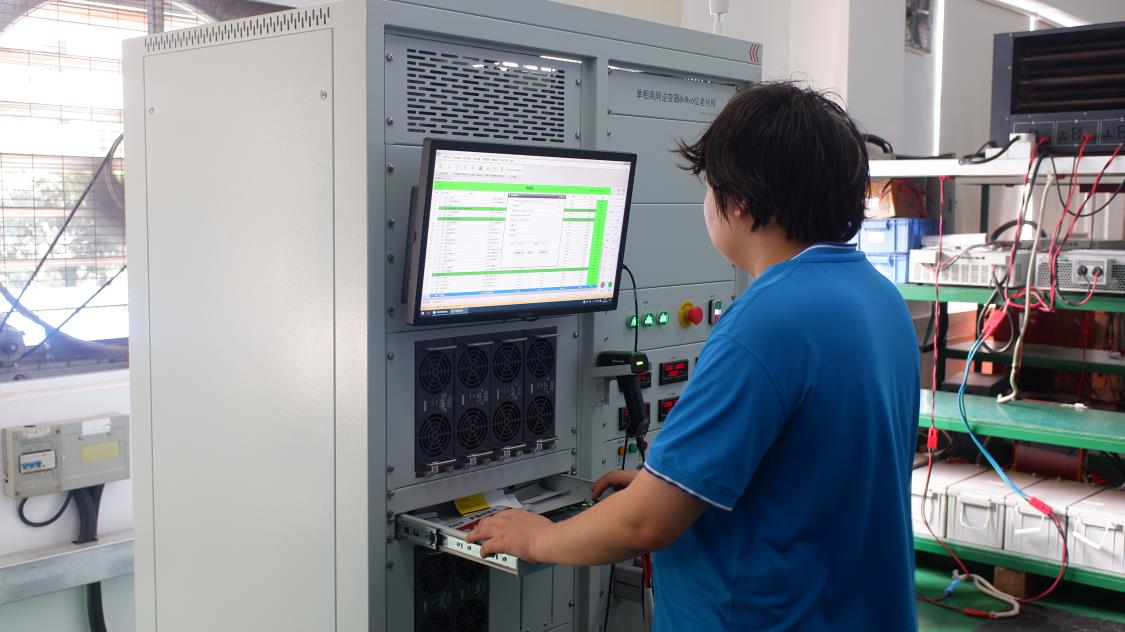
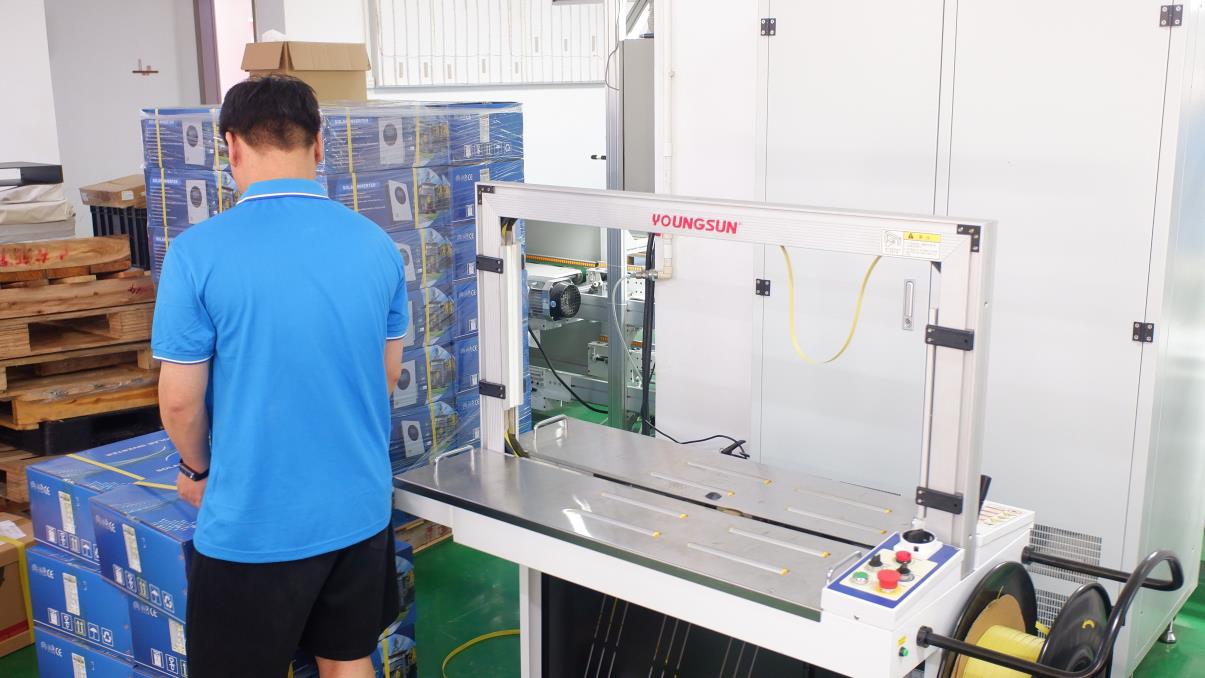
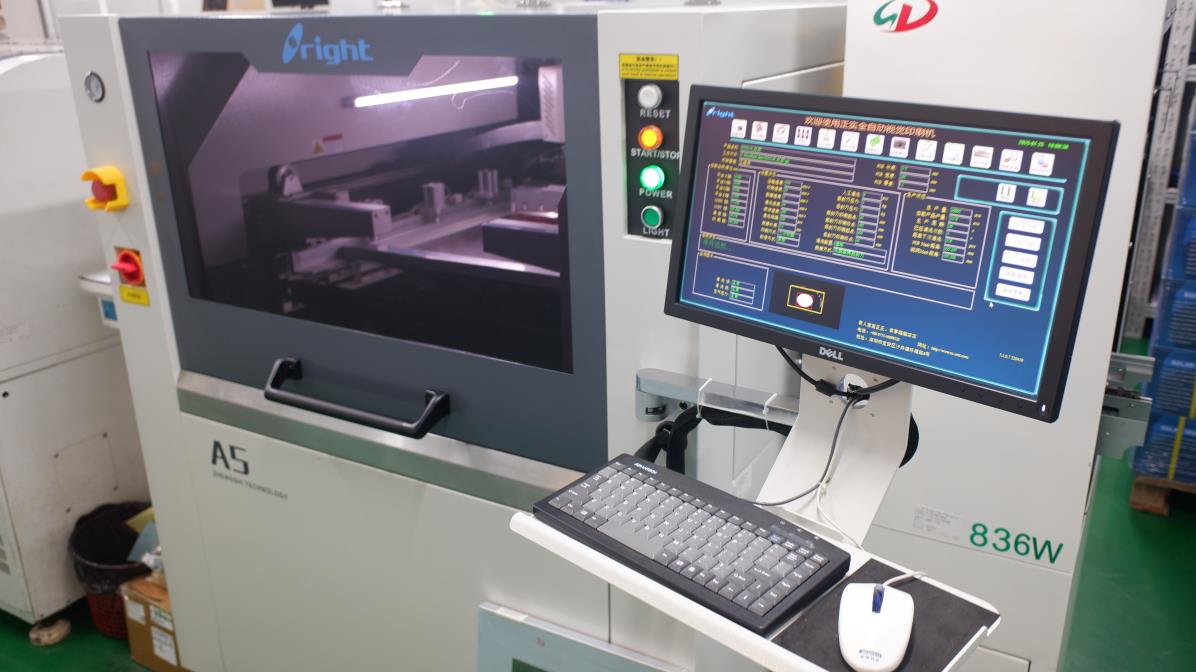
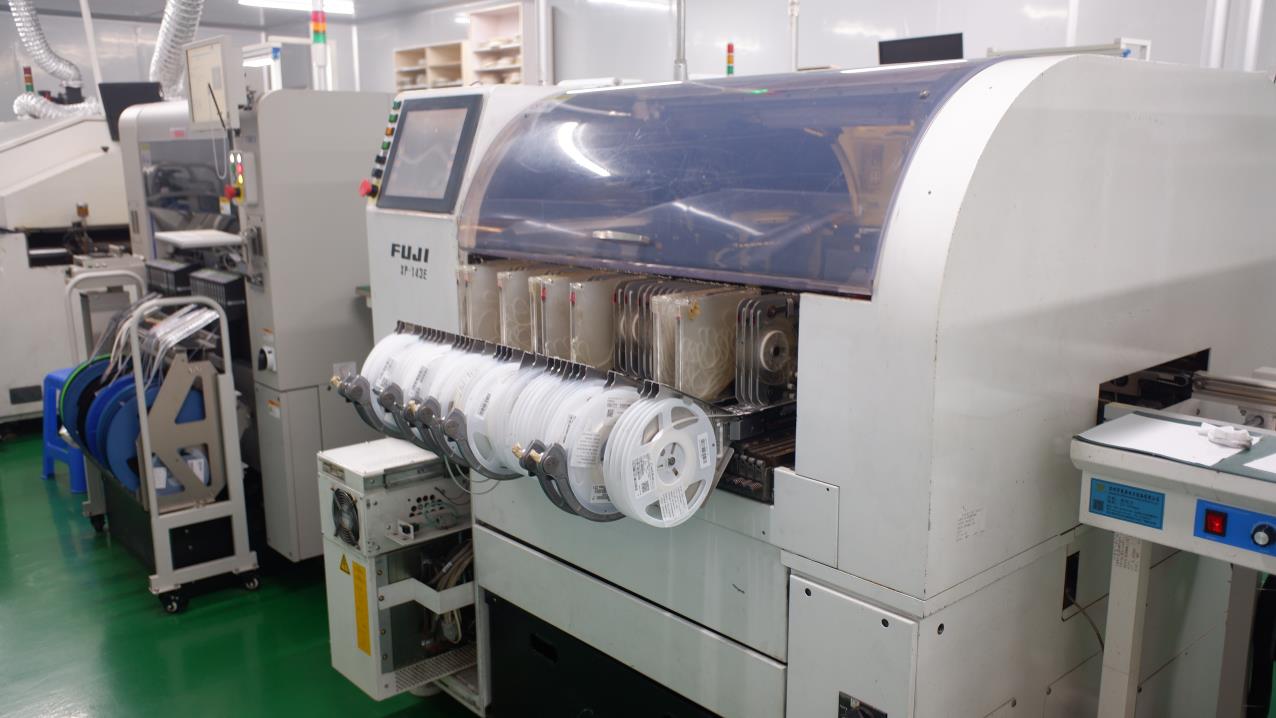
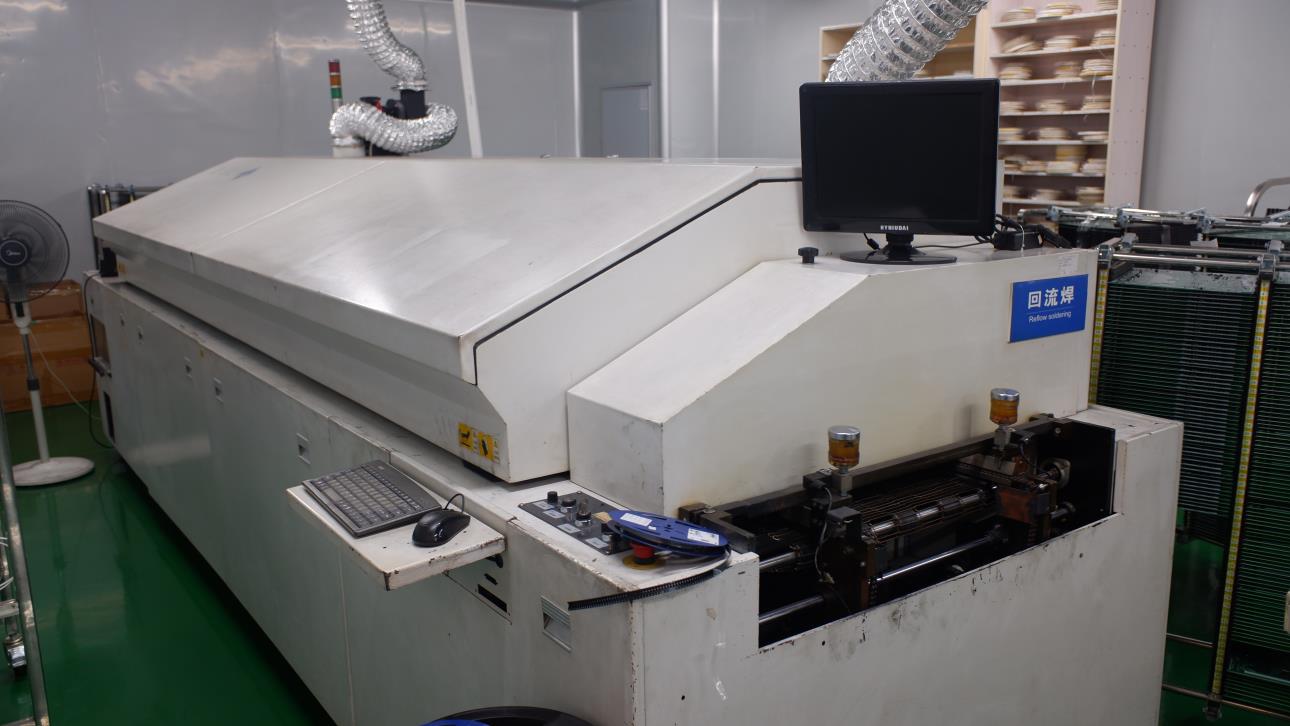
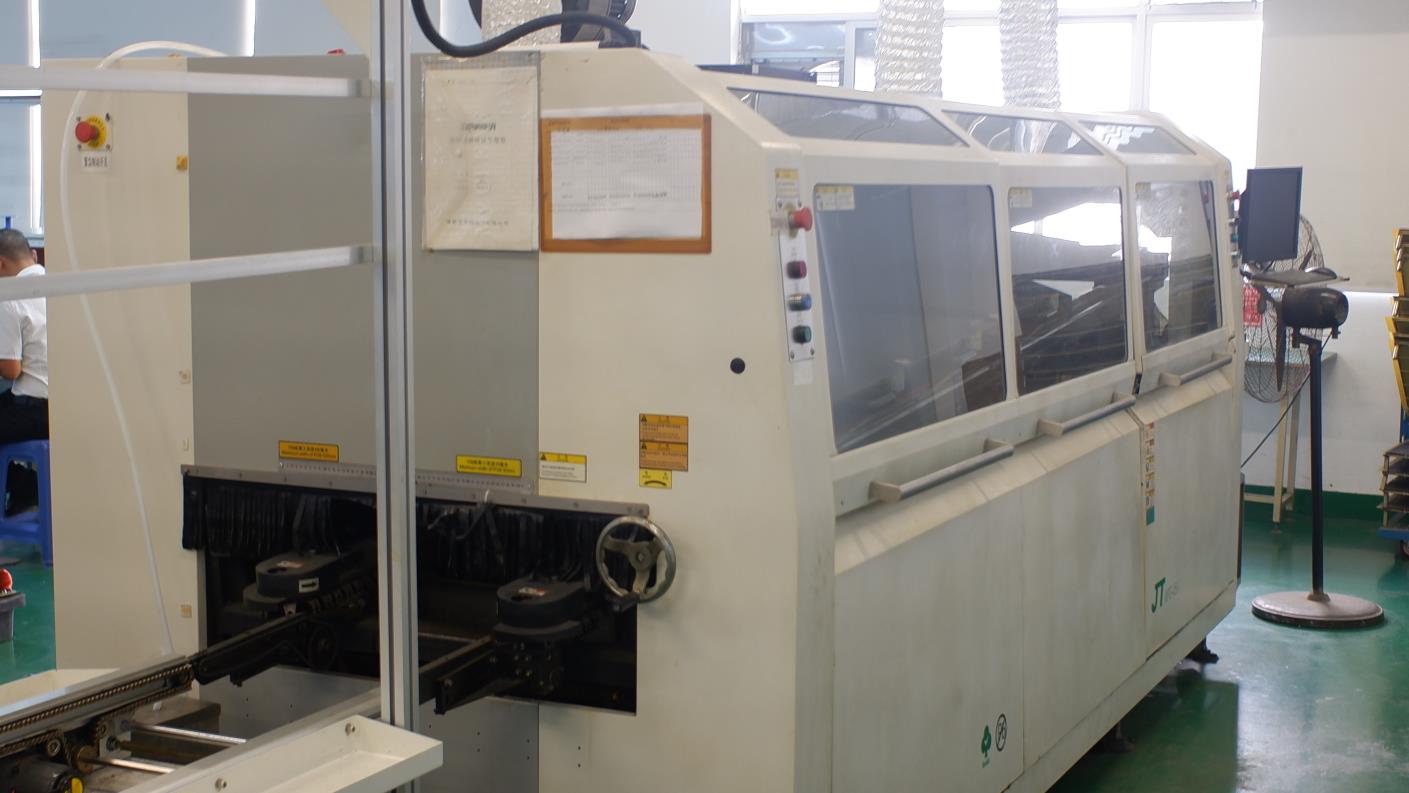
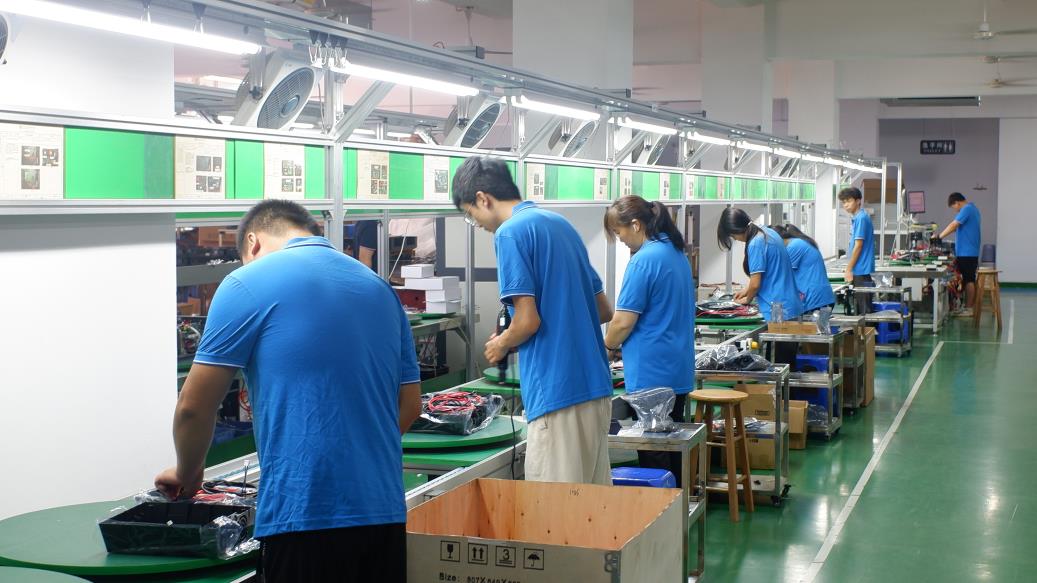
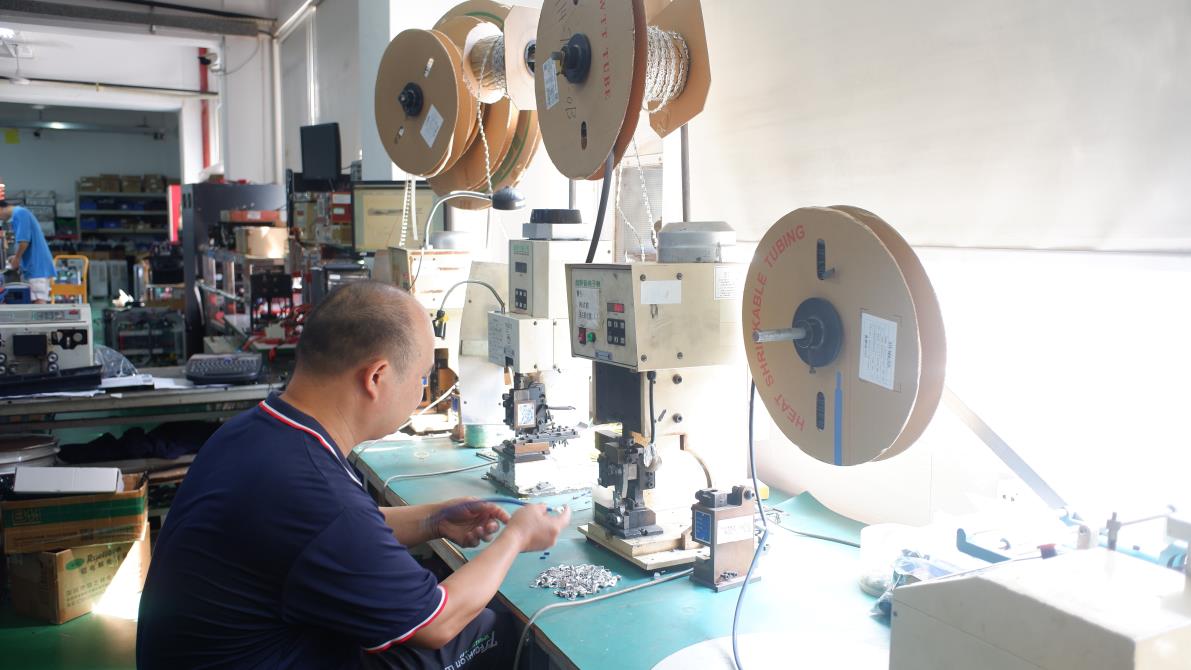
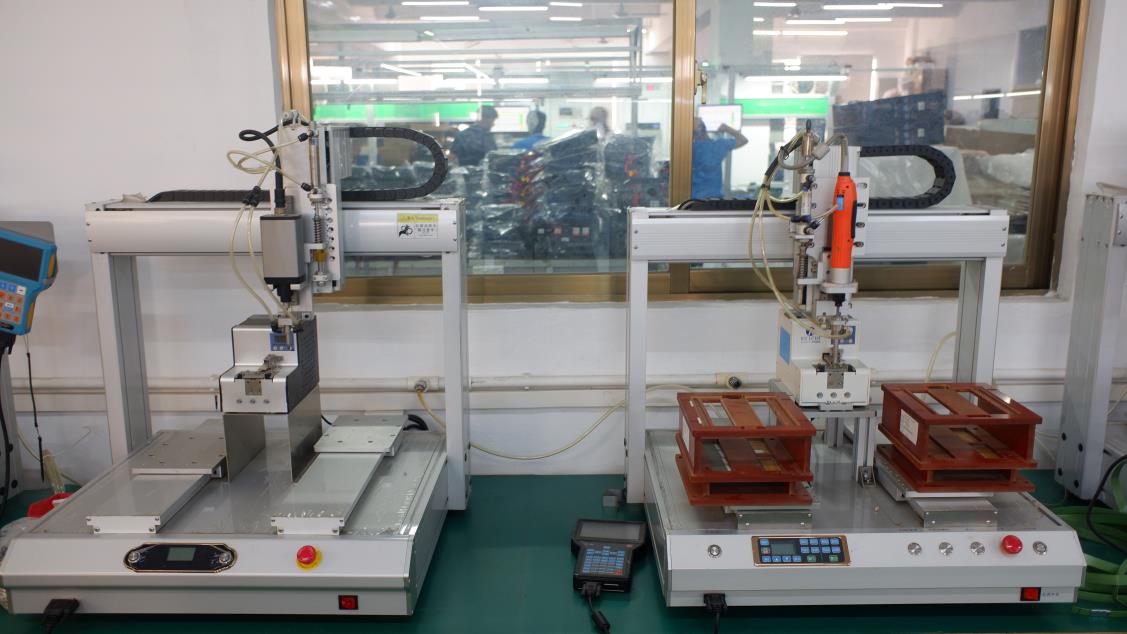
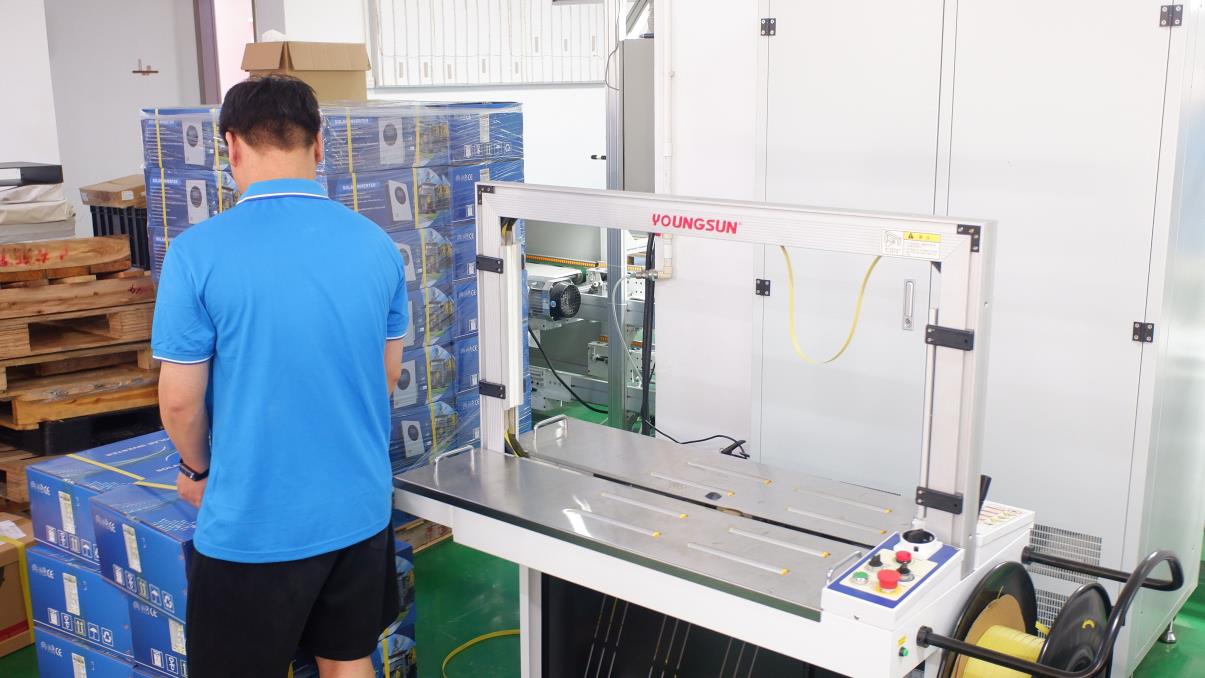
Our ISO9001-certified Jiangxi factory features advanced manufacturing systems. We maintain rigorous standards at every phase of the process, from component mounting to full-load aging tests.
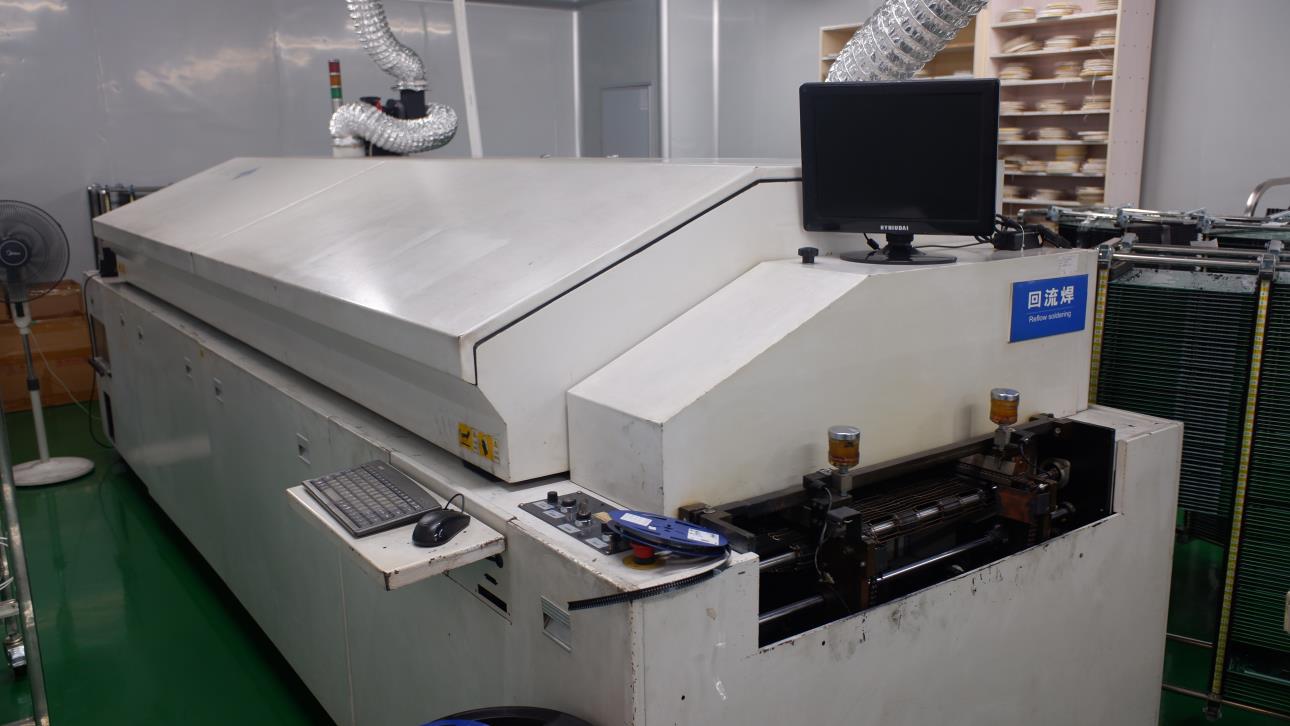
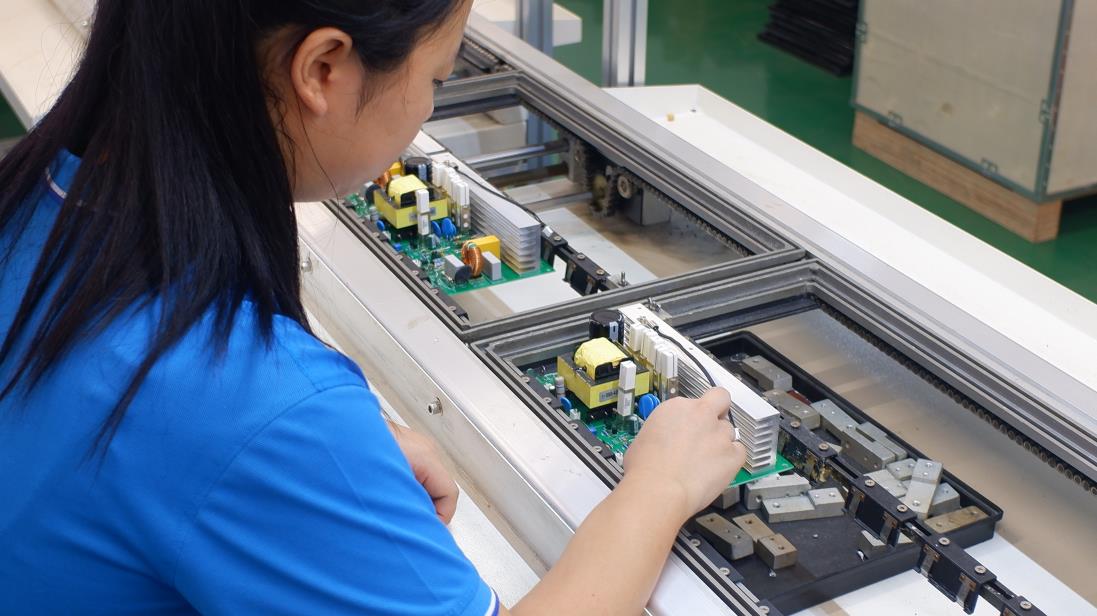
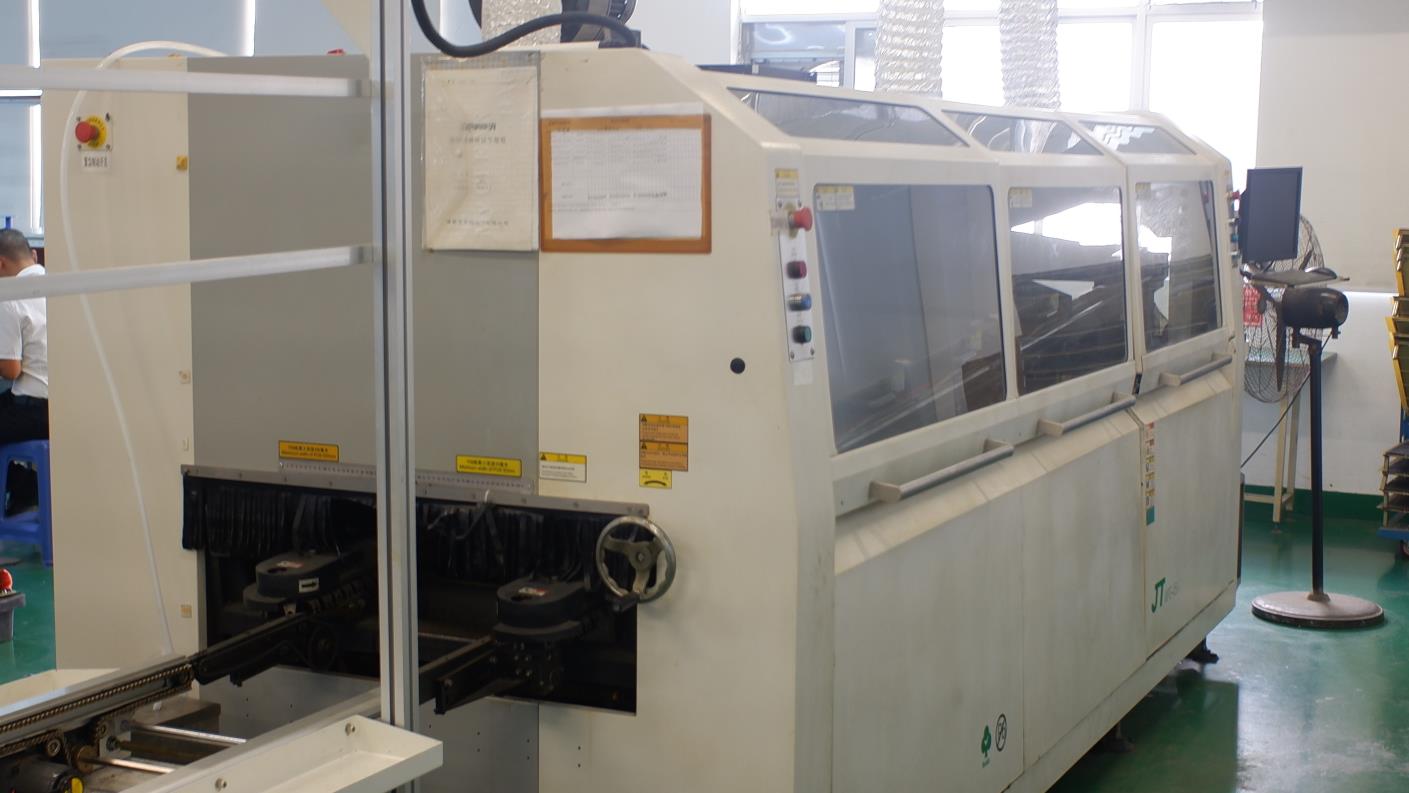
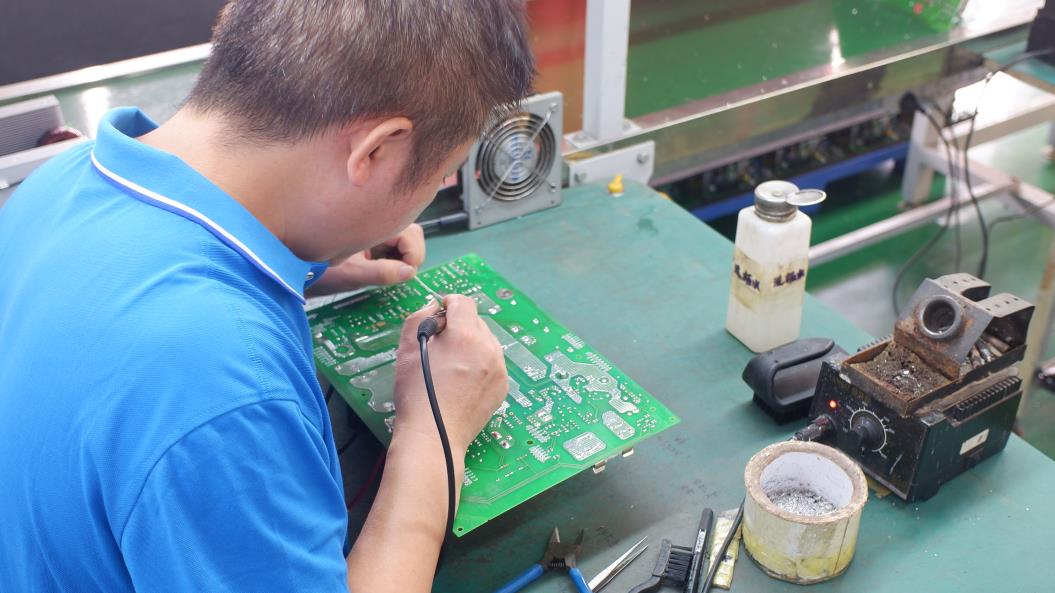
Our versatile energy storage systems are deployed globally to address regional energy challenges. Below are the key scenarios where Yde Power architectures are most effective:
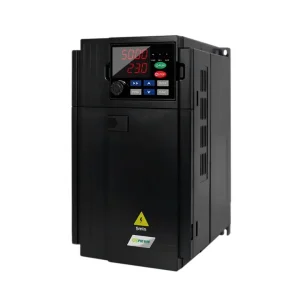
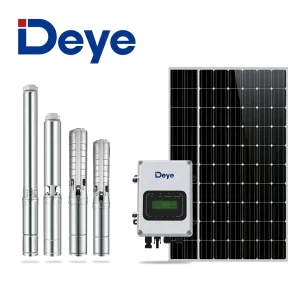
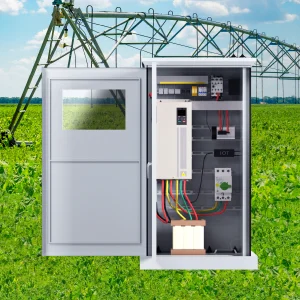
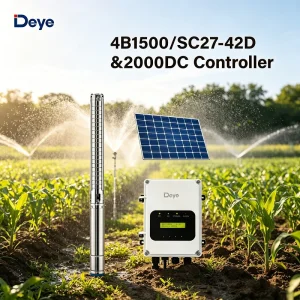
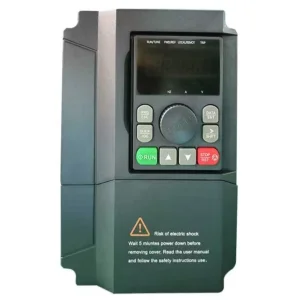
In areas like APAC, South America, and Africa, grid power is often unreliable. Using our solar pump VFD inverters, farms can run high-horsepower deep-well water pumps directly from photovoltaic modules. Integrated MPPT dynamically tracks the motor load to maximize daily water output.
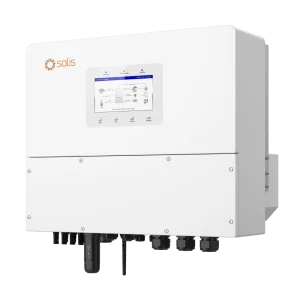
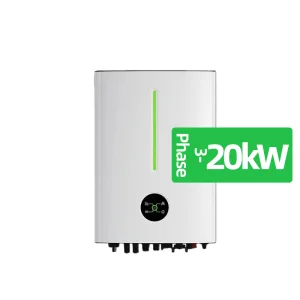
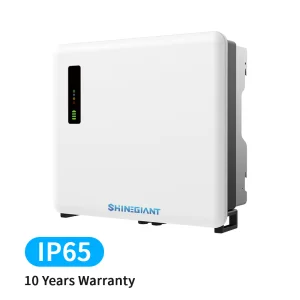
Schools, hospitals, and municipal buildings require secure backup power. Our high-voltage three-phase hybrid inverters switch to UPS mode within milliseconds of grid loss. This keeps critical networks, security systems, and climate controls running without interruption.
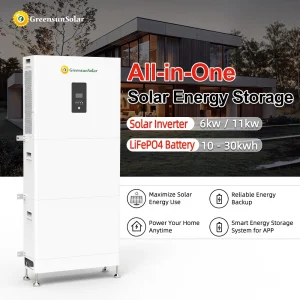
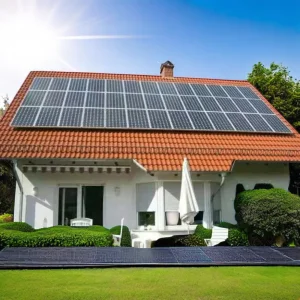
In markets with declining feed-in tariffs, residential customers can maximize ROI by storing excess daytime solar energy in home batteries. An intelligent management system discharges the stored energy in the evening to minimize reliance on grid power.
Global B2B energy storage buyers, EPC contractors, and distribution networks need to evaluate critical engineering factors when selecting an inverter supplier. The checklist below highlights the key requirements to consider during your technical review:
The energy storage industry is evolving rapidly, driven by advanced semiconductors, updated grid regulations, and smart software integration. We monitor and implement several key trends at our R&D center:
By replacing standard silicon components with Silicon Carbide (SiC) and Gallium Nitride (GaN) transistors, we can achieve higher switching speeds, lower thermal output, and conversion efficiencies exceeding 99%.
Modern systems are shifting from grid-following to grid-forming designs. By simulating inertia, inverters help stabilize voltage and frequency on isolated local microgrids with high clean energy penetration.
Using secure APIs, modern storage networks can combine to form Virtual Power Plants (VPPs). This allows operators to aggregate capacity and participate in grid frequency response markets.
Find direct answers to common questions about selecting, installing, and scaling all-in-one energy storage systems:
Find the right technical configuration for your project from our complete catalog of specialized inverters and equipment:
 Yde Power