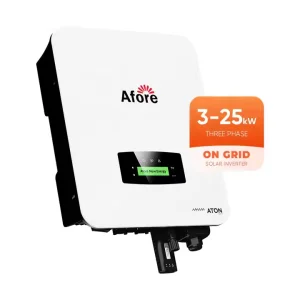
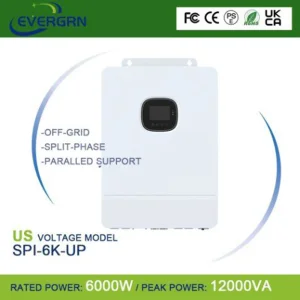
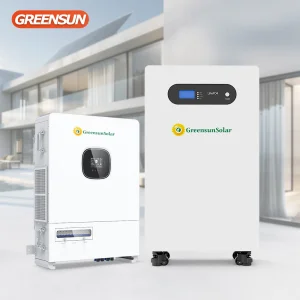
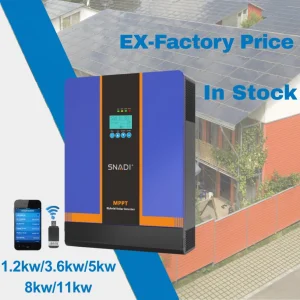
As the global energy landscape undergoes a paradigm shift toward decentralization and electrification, the demand for sophisticated power electronics has never been higher. At the heart of this transition lies the Multi-Use Power Inverter—a versatile gateway that bridges renewable generation, battery storage, and the utility grid. As a leading China multi-use power inverter factory and exporter, Shenzhen Yde Power Co., Ltd. is at the forefront of this technological revolution, providing high-efficiency solutions that cater to residential, commercial, and industrial (C&I) sectors.
Modern power inverters are no longer simple DC-to-AC converters. They have evolved into "Energy Brains," capable of intelligent load management, bi-directional power flow, and grid stabilization. Our whitepaper explores how China's manufacturing prowess, combined with localized compliance and cutting-edge R&D, creates a competitive edge for global enterprises seeking reliable energy infrastructure.
Dedicated Shenzhen R&D center focusing on BMS, MPPT algorithms, and AI-driven energy optimization for maximum efficiency.
ISO9001-certified high-capacity facility in Jiangxi Province with automated SMT and PCBA testing lines.
Products certified for international markets including CE, CEI 0-21, UL, and IP65/IP66 environmental ratings.
Shenzhen Yde Power Co., Ltd. operates a vertical manufacturing ecosystem. Our Jiangxi facility is designed to meet the rigorous demands of the global export market, ensuring every unit—from micro-inverters to 100kW industrial hybrid systems—undergoes 100% aging and functional testing.
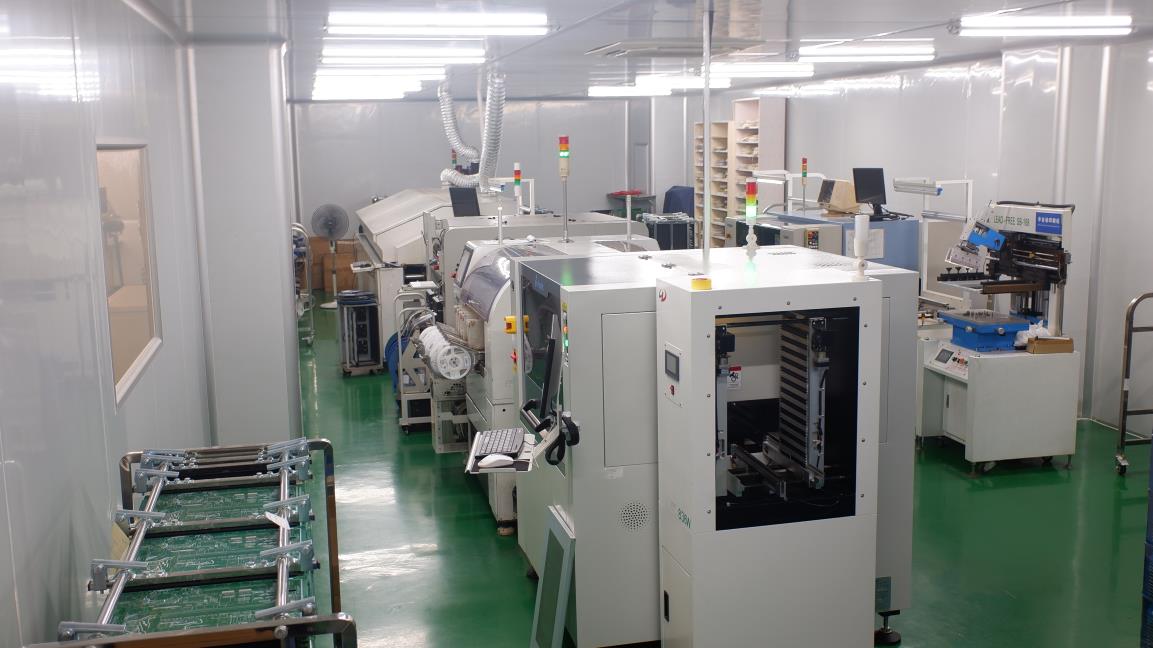
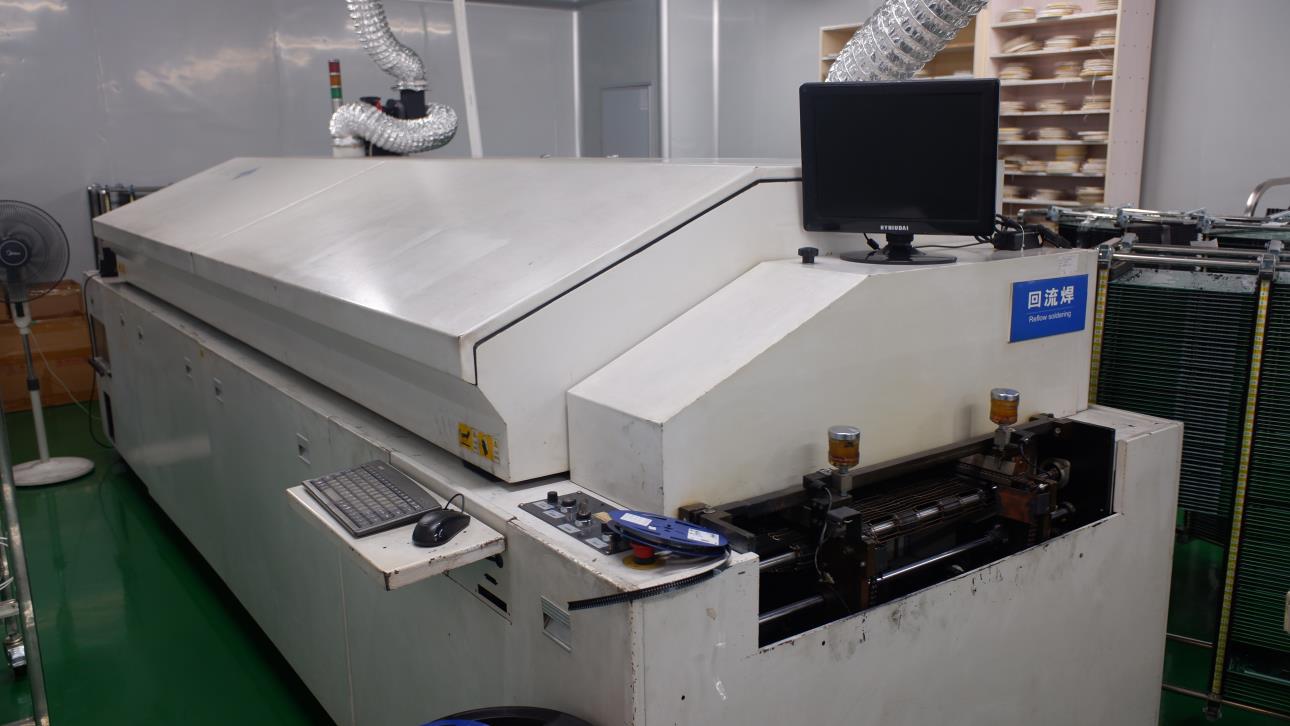
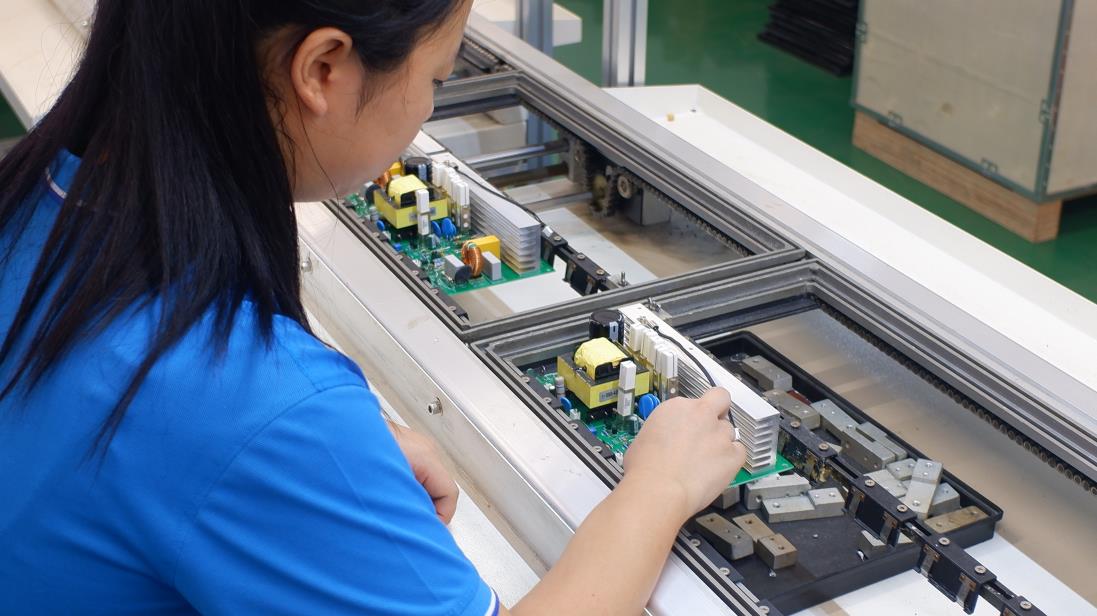
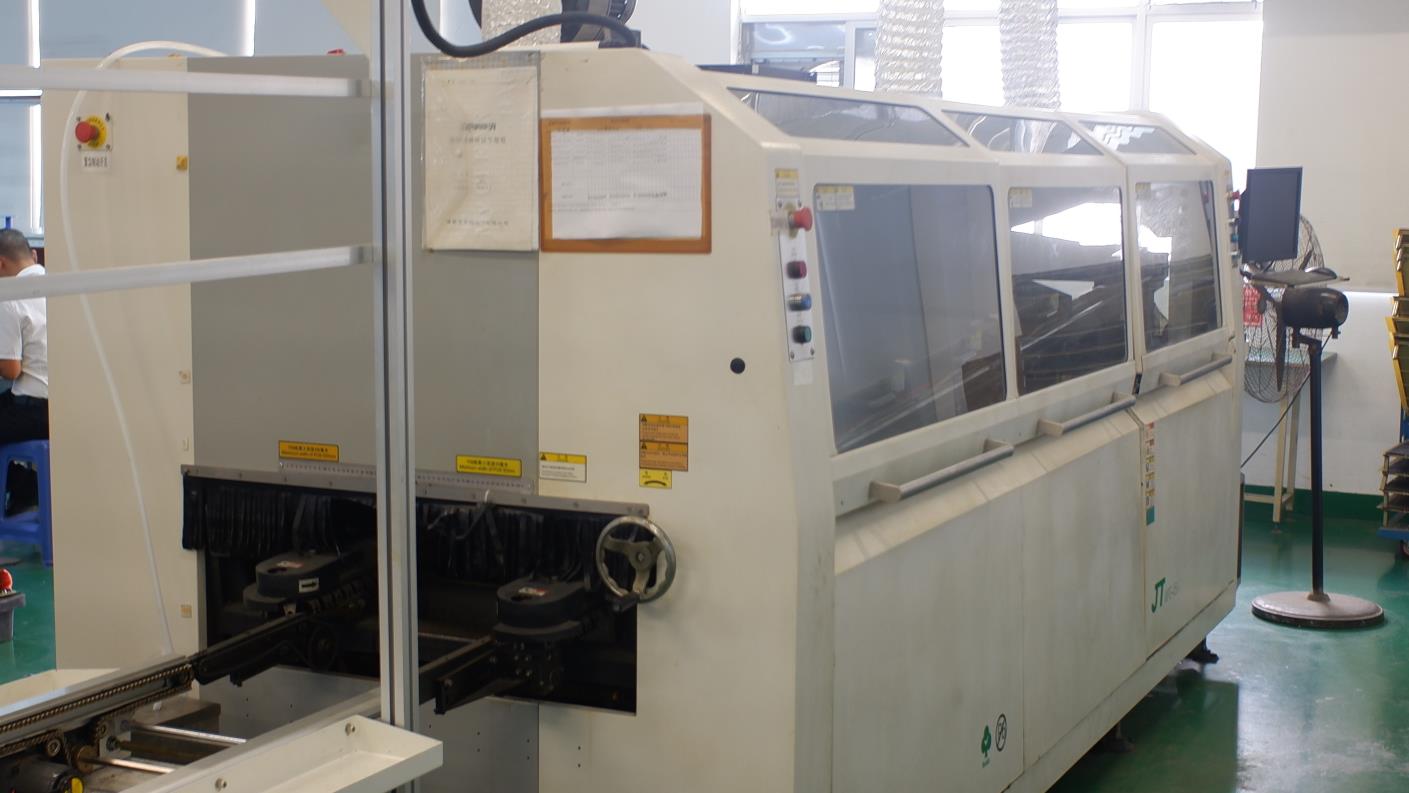
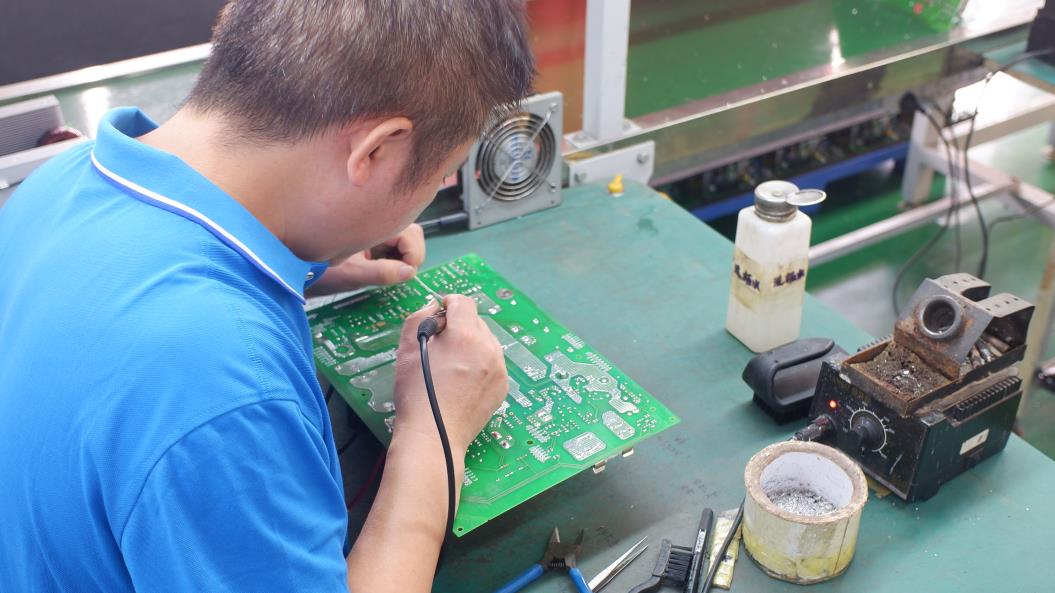
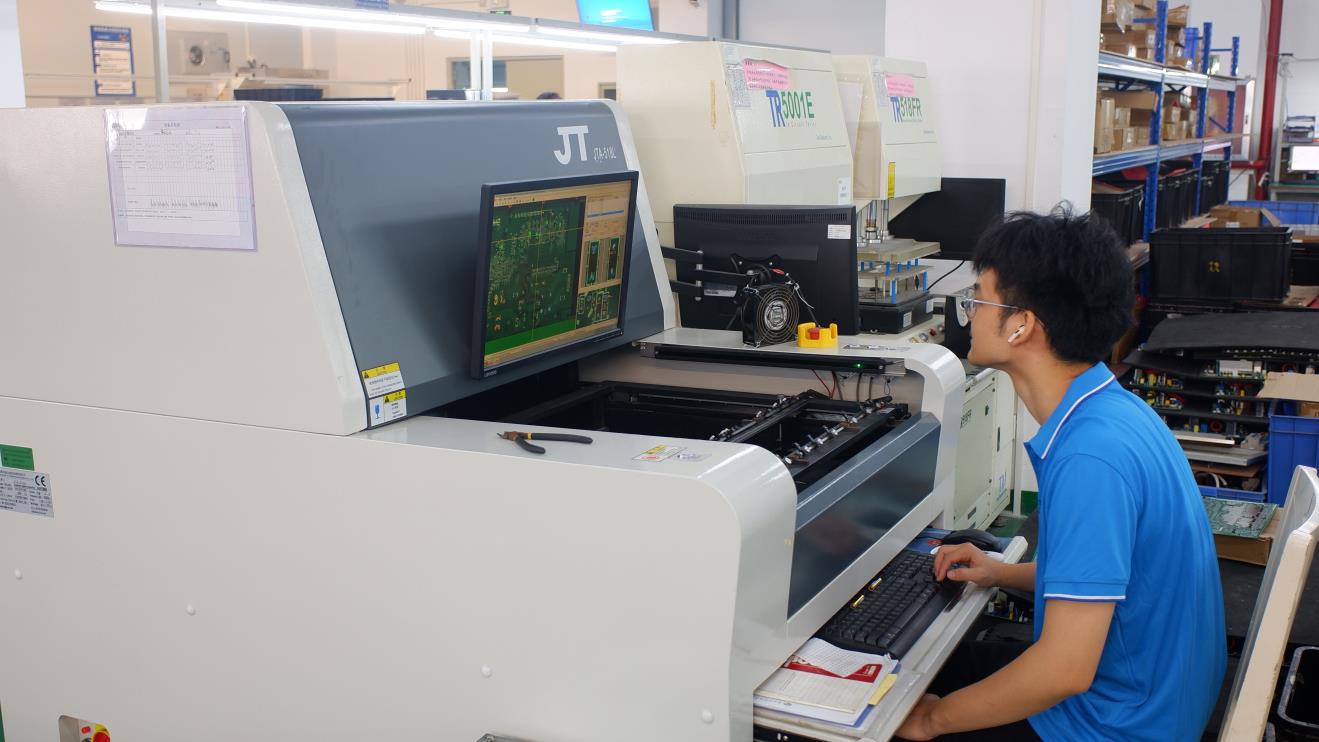
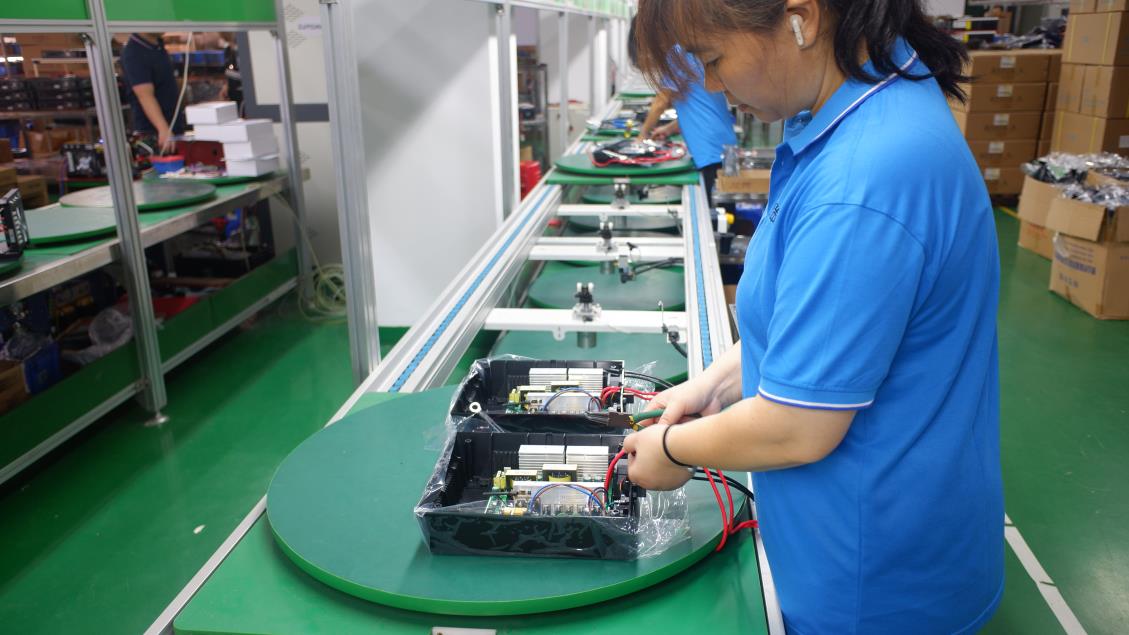
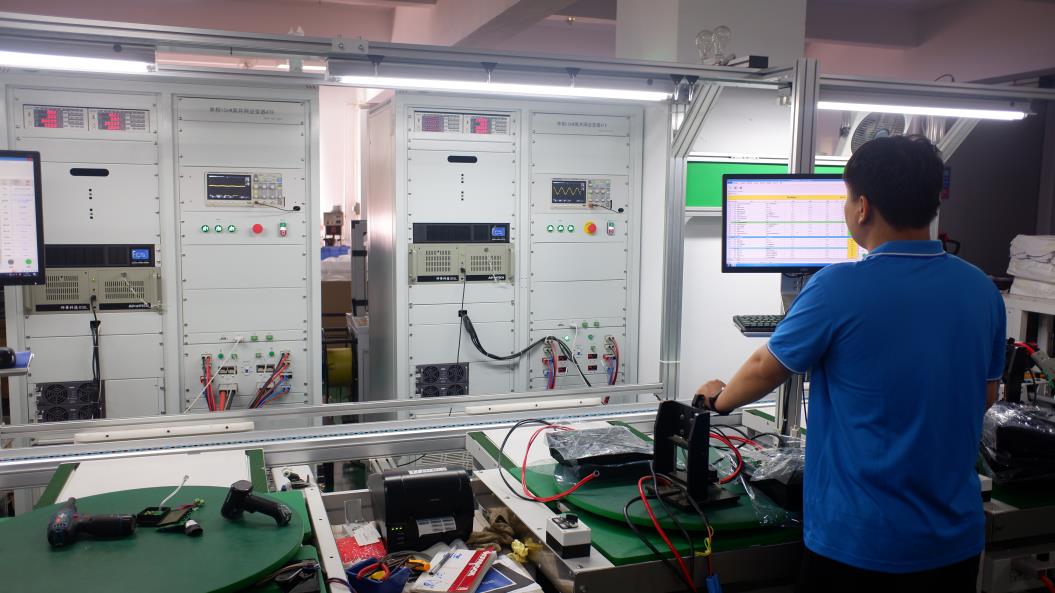
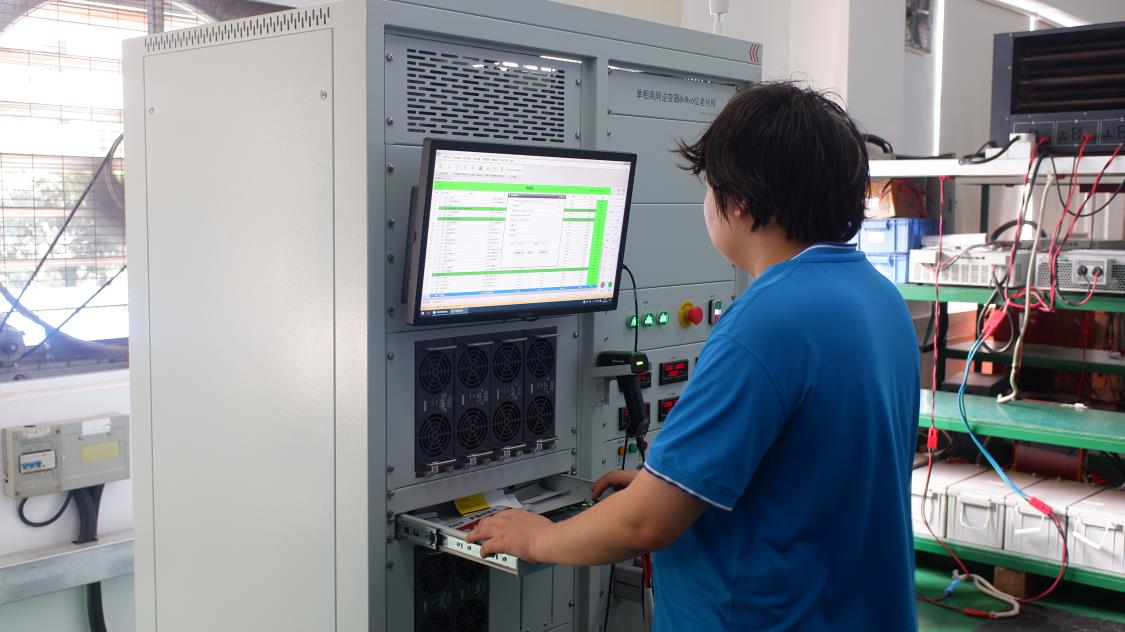
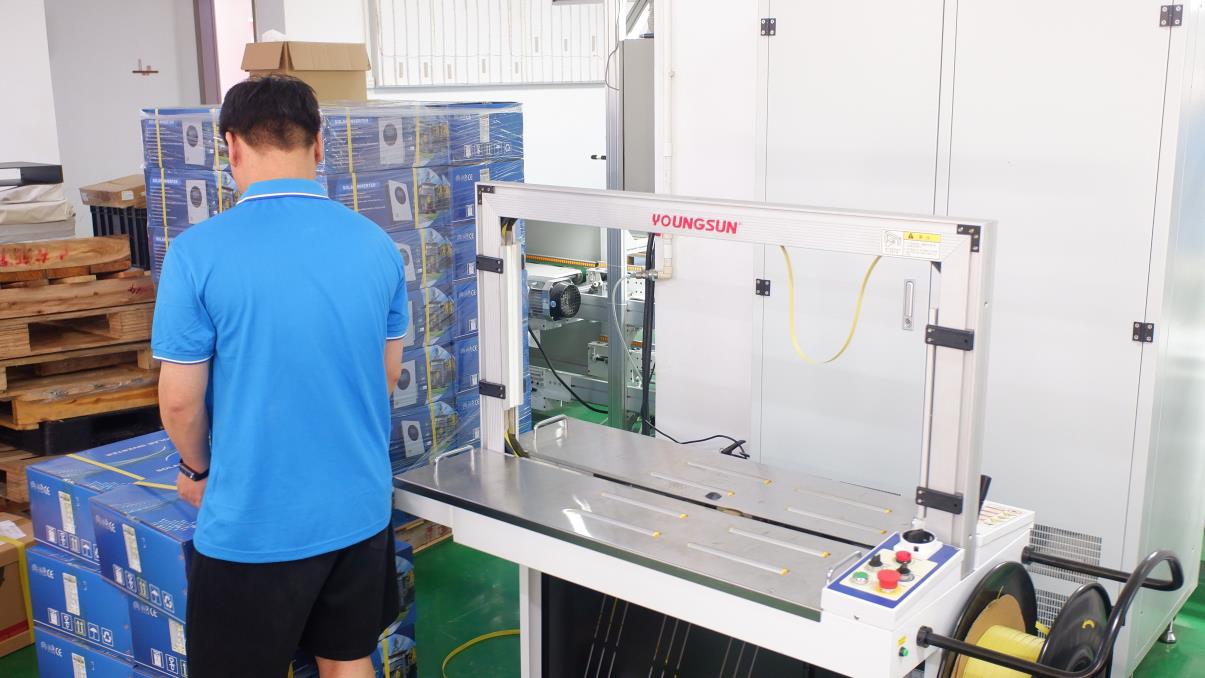
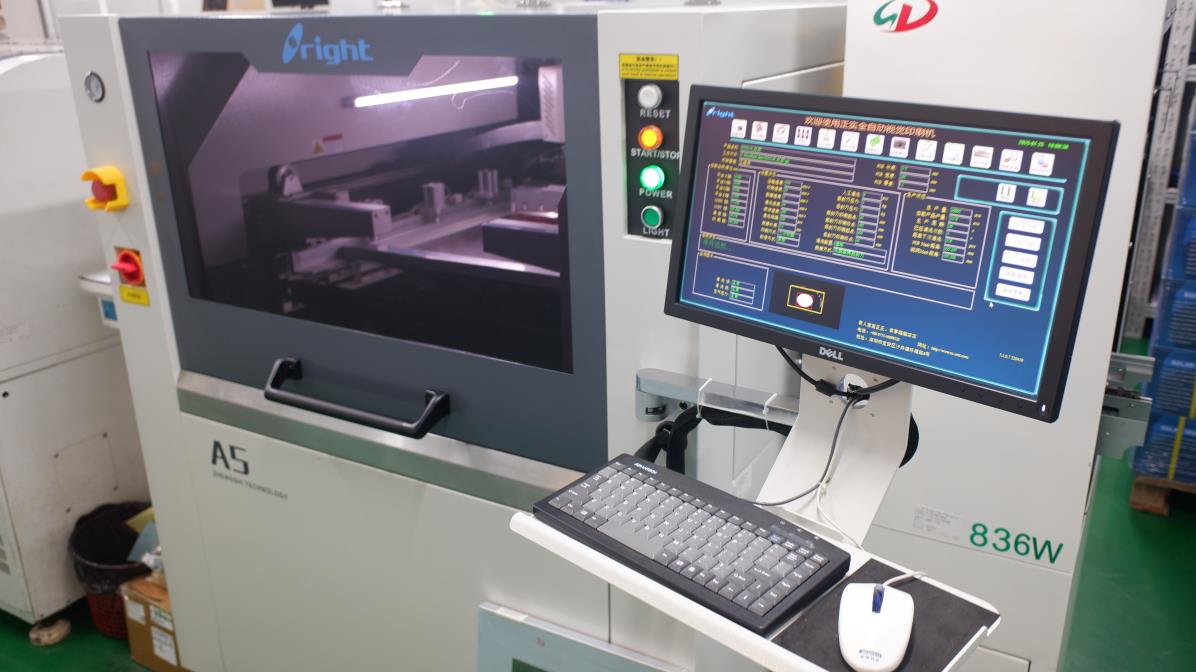
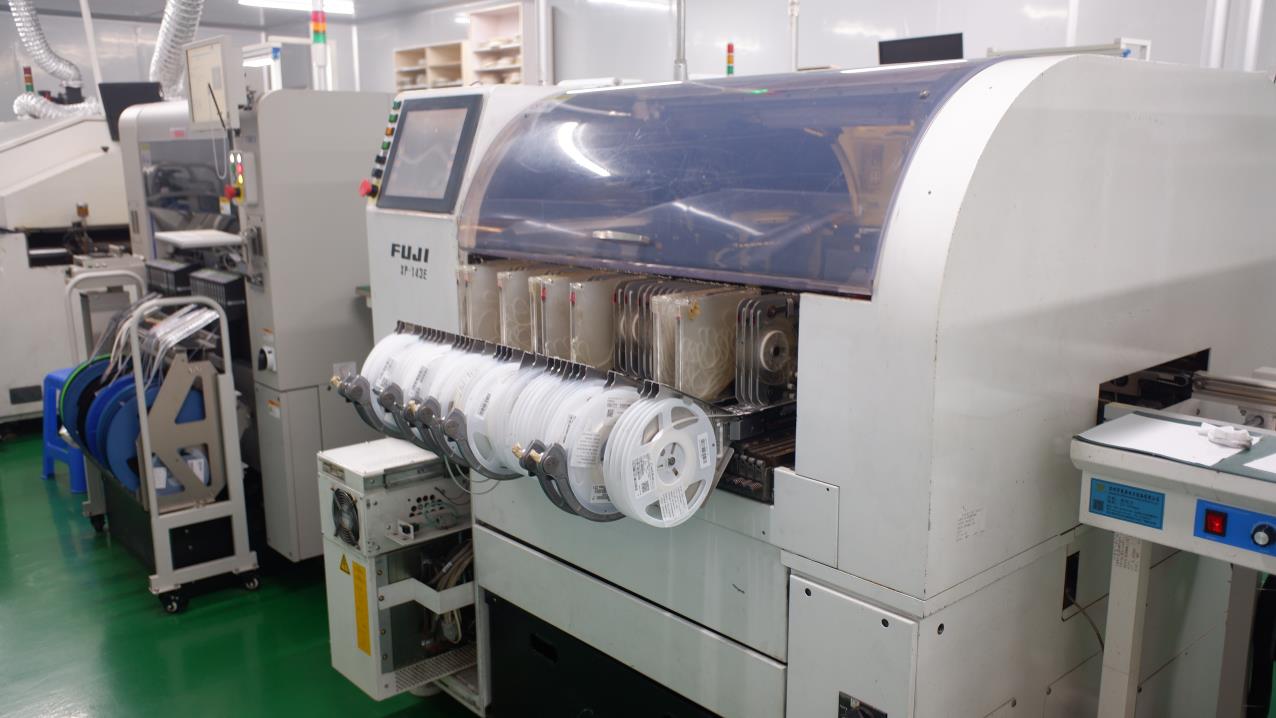
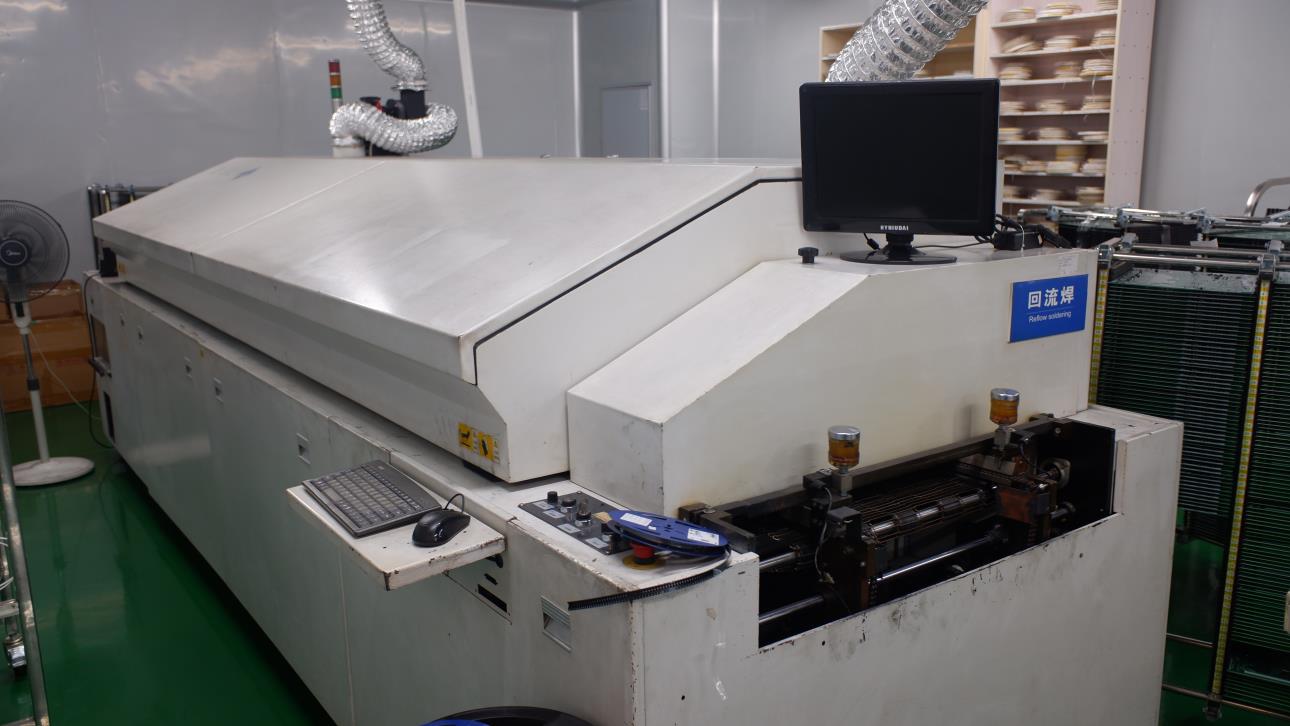
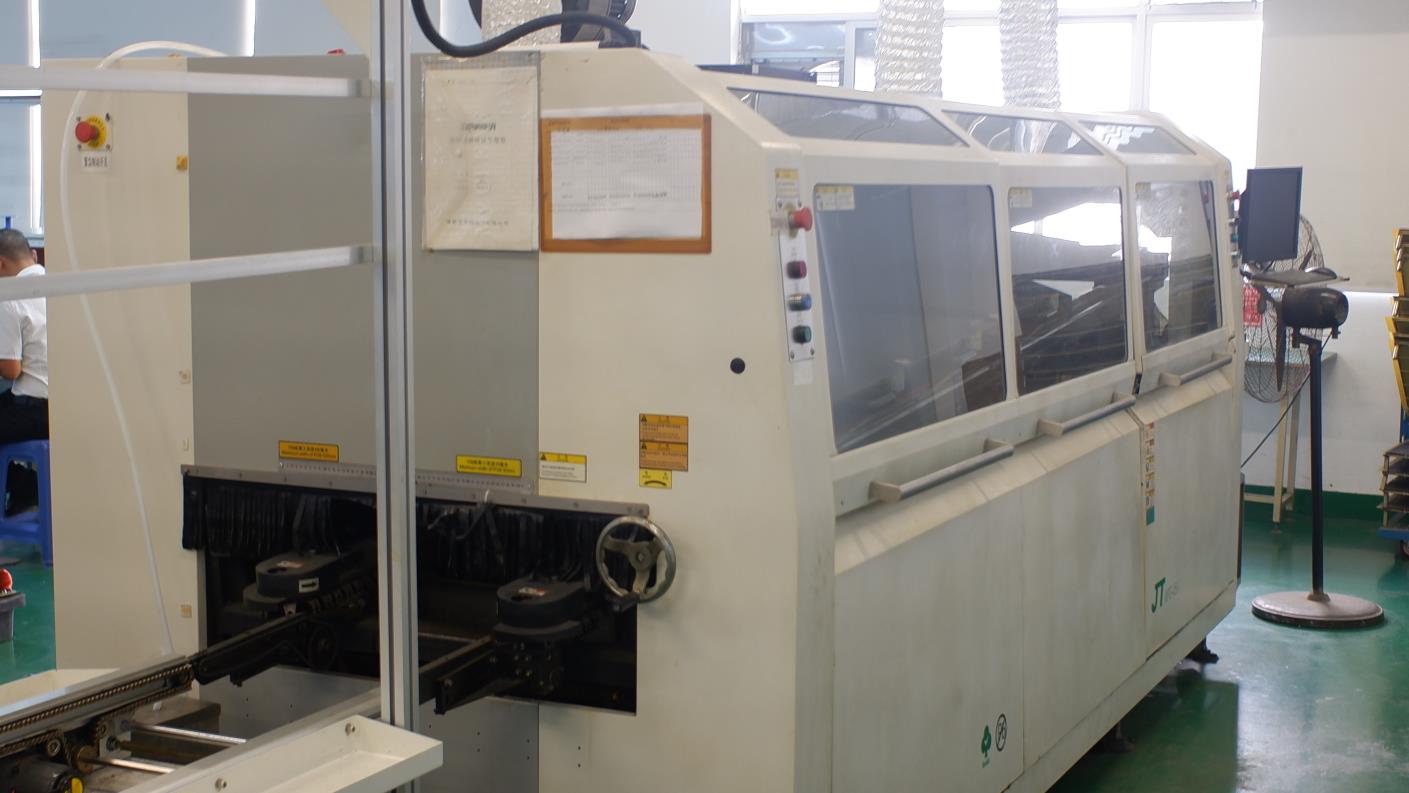
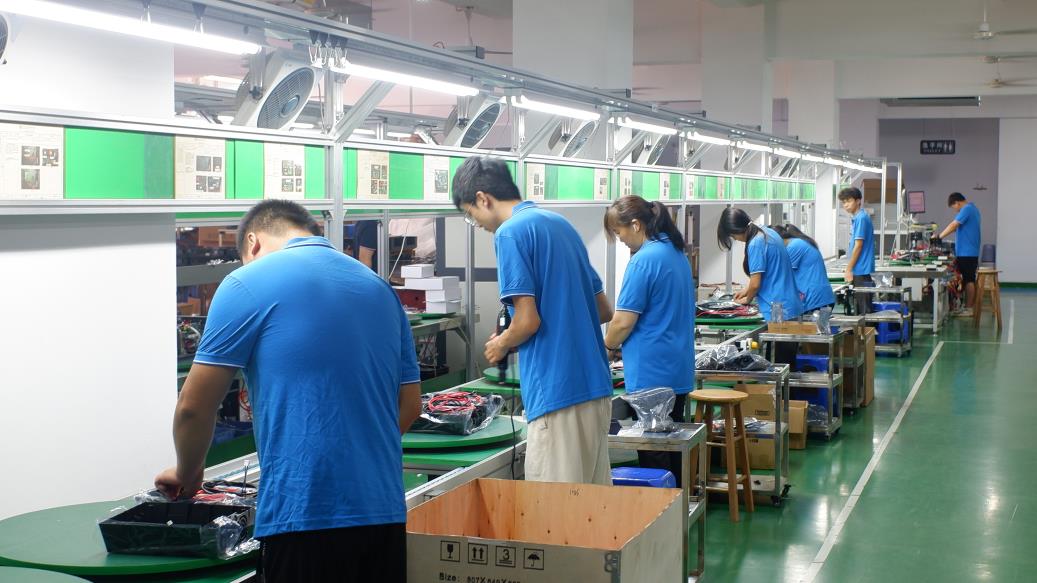
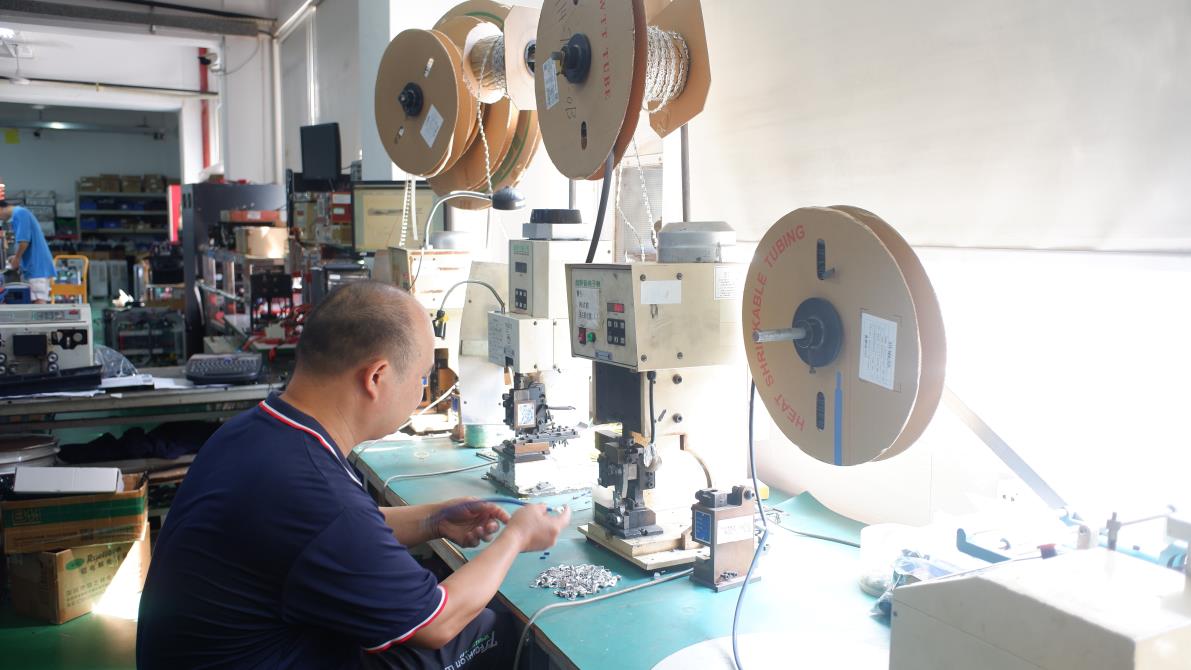
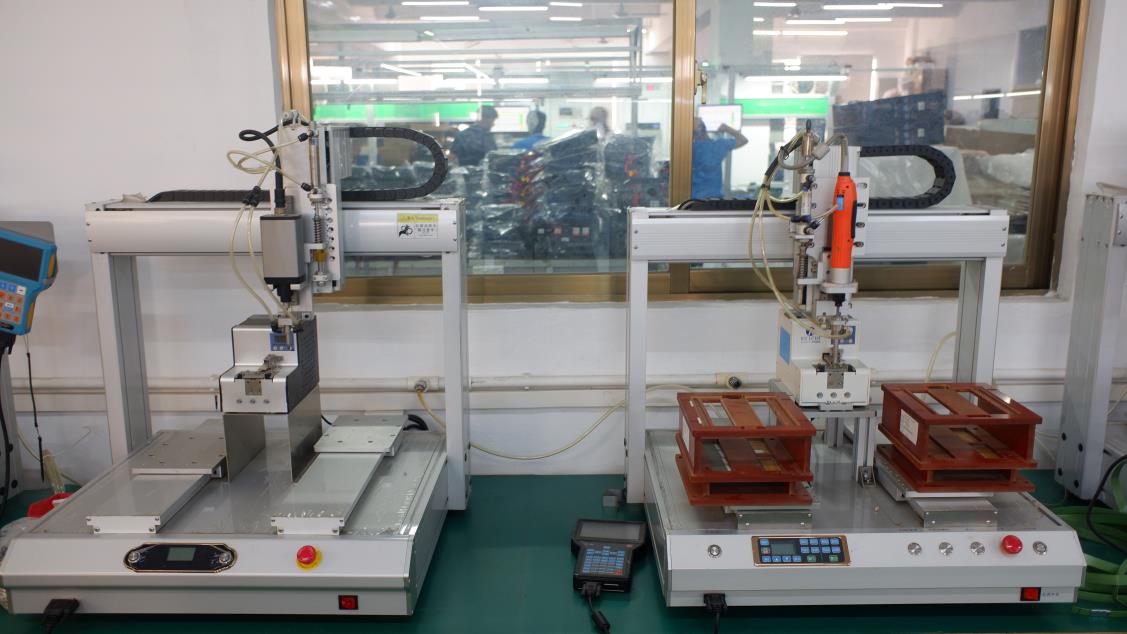
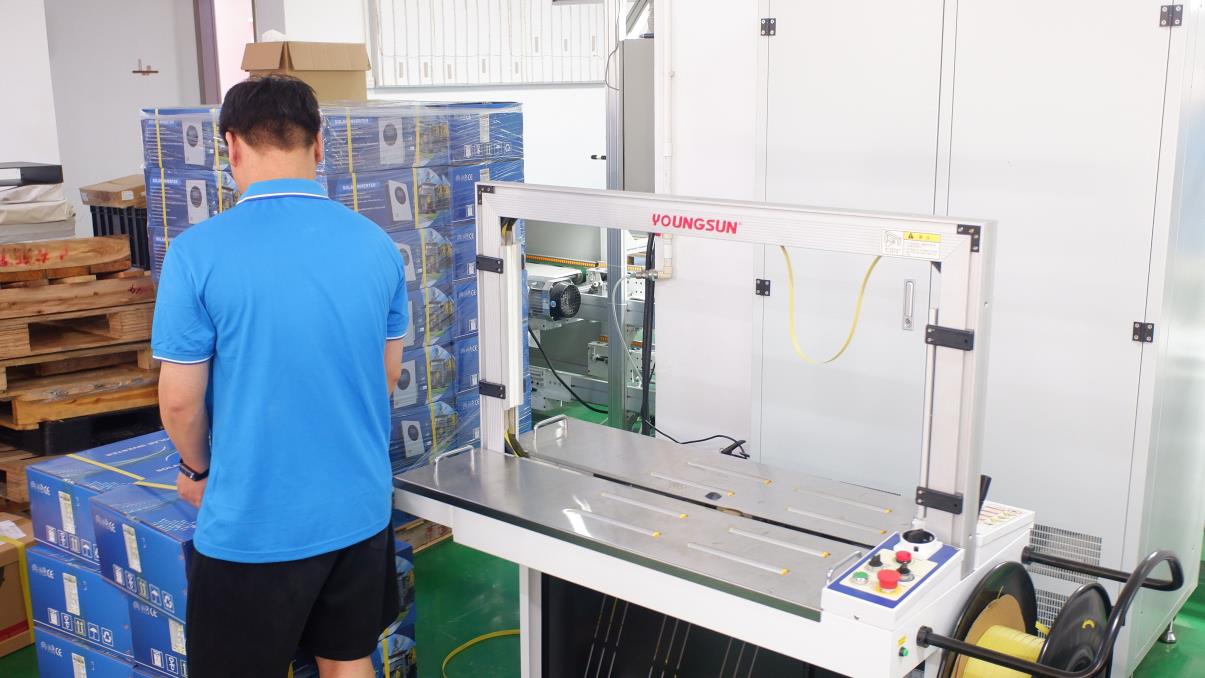
China's dominance in the solar and energy storage sector is not merely about labor costs; it's about ecosystem density. The integration between component suppliers, semiconductor assembly, and final system testing in regions like Shenzhen creates an unparalleled speed-to-market. For global enterprises, this translates to shorter lead times and more competitive pricing for high-spec multi-use inverters.
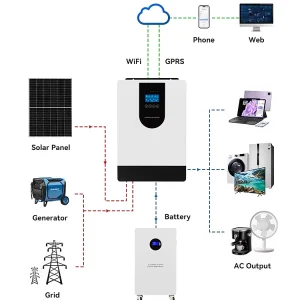
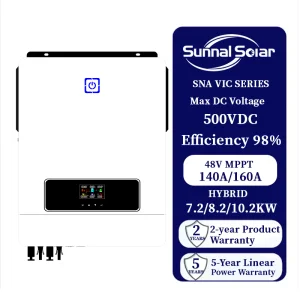
The market is shifting from pure on-grid/off-grid to Hybrid Systems. Modern hybrid inverters allow users to manage solar generation, grid interaction, and battery storage simultaneously.
Transitioning from 48V to High Voltage (e.g., 400V+) DC links reduces conversion losses and allows for thinner, more cost-effective cabling in commercial installations.
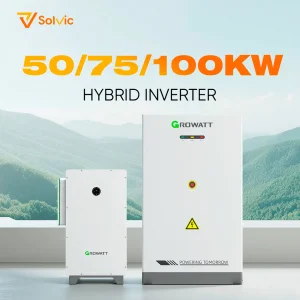
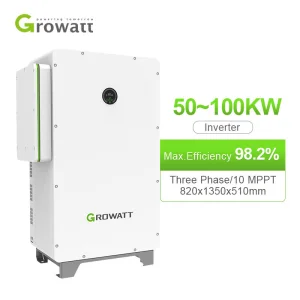
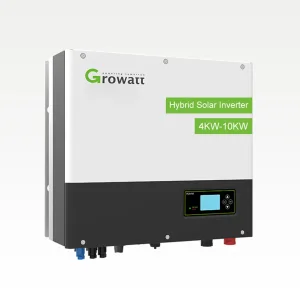
Advanced GPRS/WiFi monitoring (as seen in our VEIKONG and Growatt models) enables predictive maintenance and real-time power optimization via cloud-based platforms.
International procurement requires more than just a functional product; it requires Regulatory Peace of Mind. Shenzhen Yde Power Co., Ltd. ensures that every export model complies with localized grid codes:
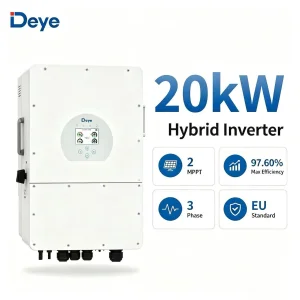
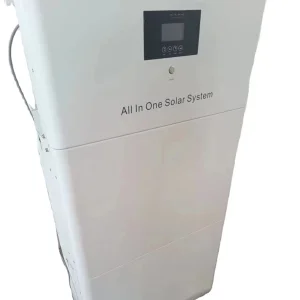
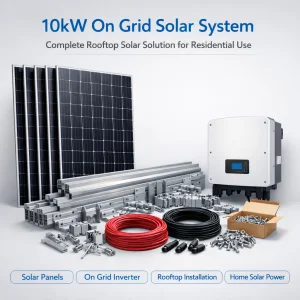
Providing backup power during grid outages and maximizing self-consumption of rooftop solar energy. Solutions like our 6kW-20kW hybrid systems are ideal for modern eco-homes.
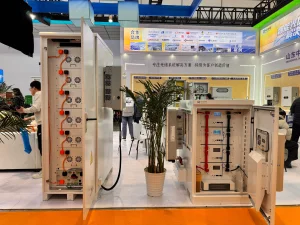
Enterprises use large-scale inverters (50kW-100kW) to store energy during off-peak hours and discharge during peak demand, significantly reducing operational costs.
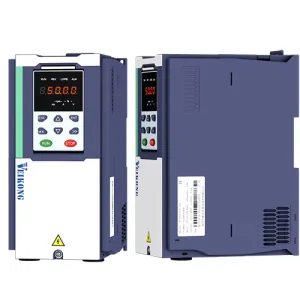
The VEIKONG Solar Pump Inverter provides a sustainable solution for irrigation in off-grid rural areas, converting solar energy directly into mechanical water pump power.
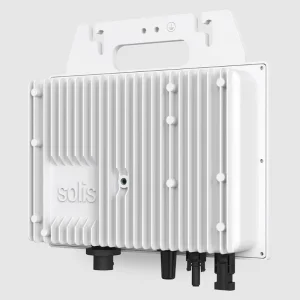
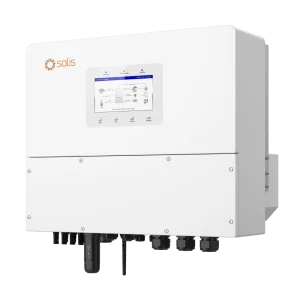
Urban apartment dwellers can now contribute to the green transition using micro-inverters (like the Solis 800W) for simple, plug-and-play solar setups.
Information gain in the inverter industry comes from understanding the BMS (Battery Management System) and Inverter handshake. Unlike standard inverters, multi-use hybrid inverters from Yde Power utilize CAN/RS485 communication protocols to monitor individual battery cell health, temperature, and SOC (State of Charge). This bidirectional communication ensures that charging curves are optimized for longevity, extending battery life by up to 30% compared to "dumb" charging systems.
Furthermore, our MPPT (Maximum Power Point Tracking) efficiency reaches 99.9%, ensuring that even in low-light or shaded conditions, the maximum possible energy is harvested from the photovoltaic panels. This is critical for industrial applications where every 1% efficiency gain translates to thousands of dollars in annual savings.
 Yde Power