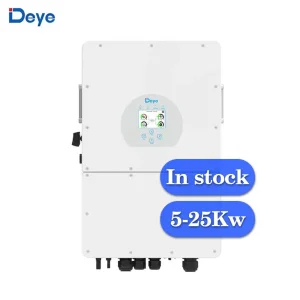
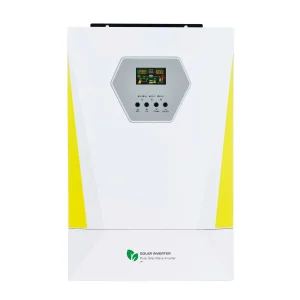
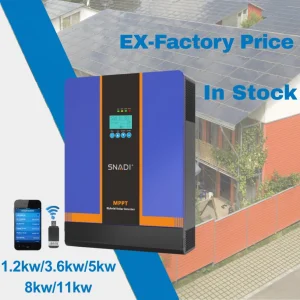
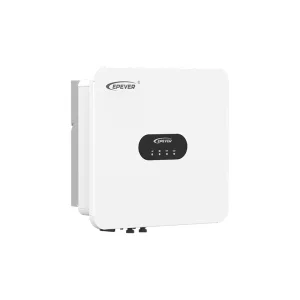
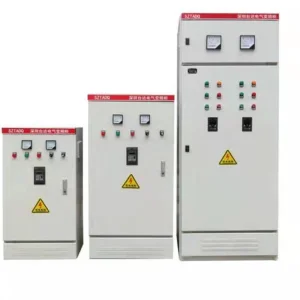
Explore our high-efficiency hybrid inverters, comprehensive home battery systems, and intelligent industrial power controllers.
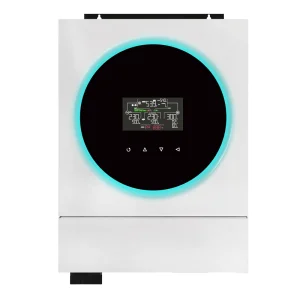
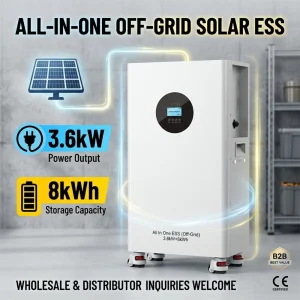
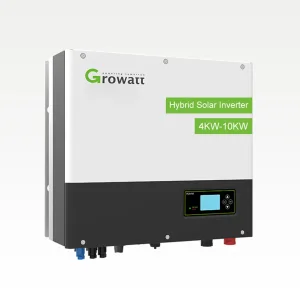
An in-depth analysis of battery storage technologies, macroeconomics, thermal management, and global supply chains.
As the international community accelerates its path toward carbon neutrality by 2050, the structural limits of traditional electrical grids have become increasingly apparent. Intermittent renewable energy sources, specifically utility-scale solar photovoltaics (PV) and wind power generation, introduce dynamic grid challenges. Frequency fluctuations, transient over-voltages, and load-generation mismatches present substantial operational risks. To mitigate these system vulnerabilities, Battery Energy Storage Systems (BESS) have evolved from dynamic peak-shaving assets into structural grid-balancing imperatives.
On a macroeconomic scale, C&I (Commercial & Industrial) facilities, grid operators, and microgrid developers are seeking robust solutions to achieve localized energy resilience, maximize self-consumption, and capture value through electricity arbitrage. By storing low-cost power during off-peak windows and discharging during high-cost peak periods, industries dramatically optimize their Levelized Cost of Storage (LCOS).
Technical Insight: Integrating high-performance lithium-iron-phosphate (LiFePO4) chemistry with adaptive Battery Management Systems (BMS) ensures system integrity. Under thermal cycling conditions, modern LiFePO4 cells maintain over 80% state-of-health (SoH) even after 6000 to 8000 charge-discharge cycles, yielding highly predictable operational lifetimes and robust amortization schedules.
The C&I sector represents one of the fastest-growing market segments for battery storage. Factory complexes, high-volume server centers, cold-storage warehouses, and agricultural operations demand uninterruptible power quality. Traditional diesel generators are being replaced by hybrid microgrid systems that combine high-power hybrid inverters (from 5kW up to multi-megawatt configurations) and smart energy management platforms. This transformation reduces carbon emissions and protects capital-intensive automated manufacturing equipment from brief voltage sags or total utility dropouts.
Shenzhen Yde Power Co., Ltd. is a leading manufacturer specializing in residential, commercial, and industrial energy storage systems (ESS). Headquartered in the technological hub of Shenzhen, China, we seamlessly integrate advanced research and development, smart production lines, global sales channels, and dedicated engineering support to deliver turn-key clean energy solutions worldwide.
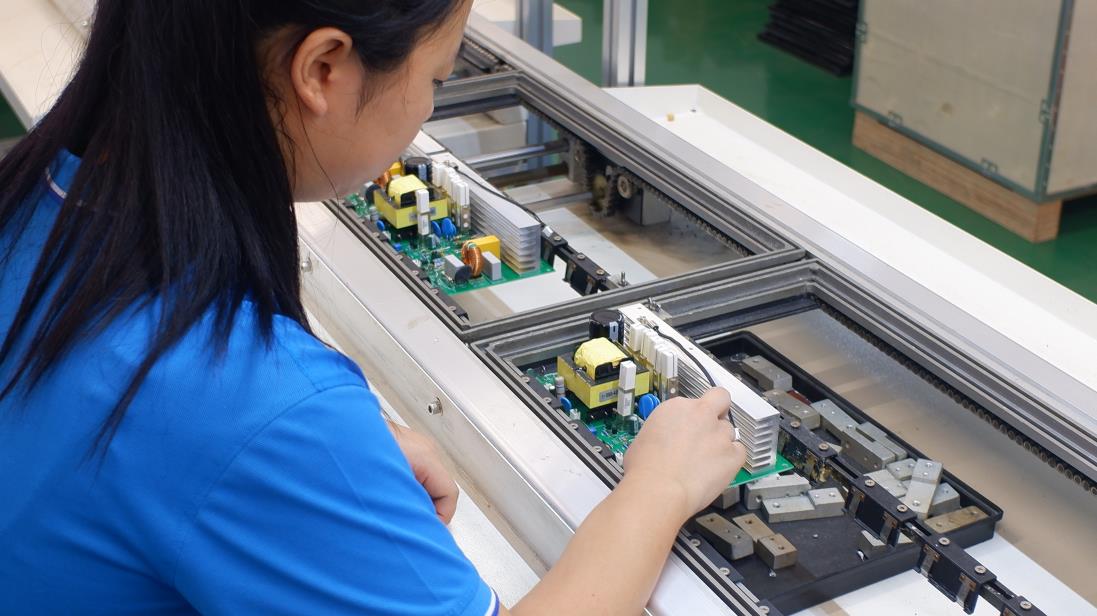
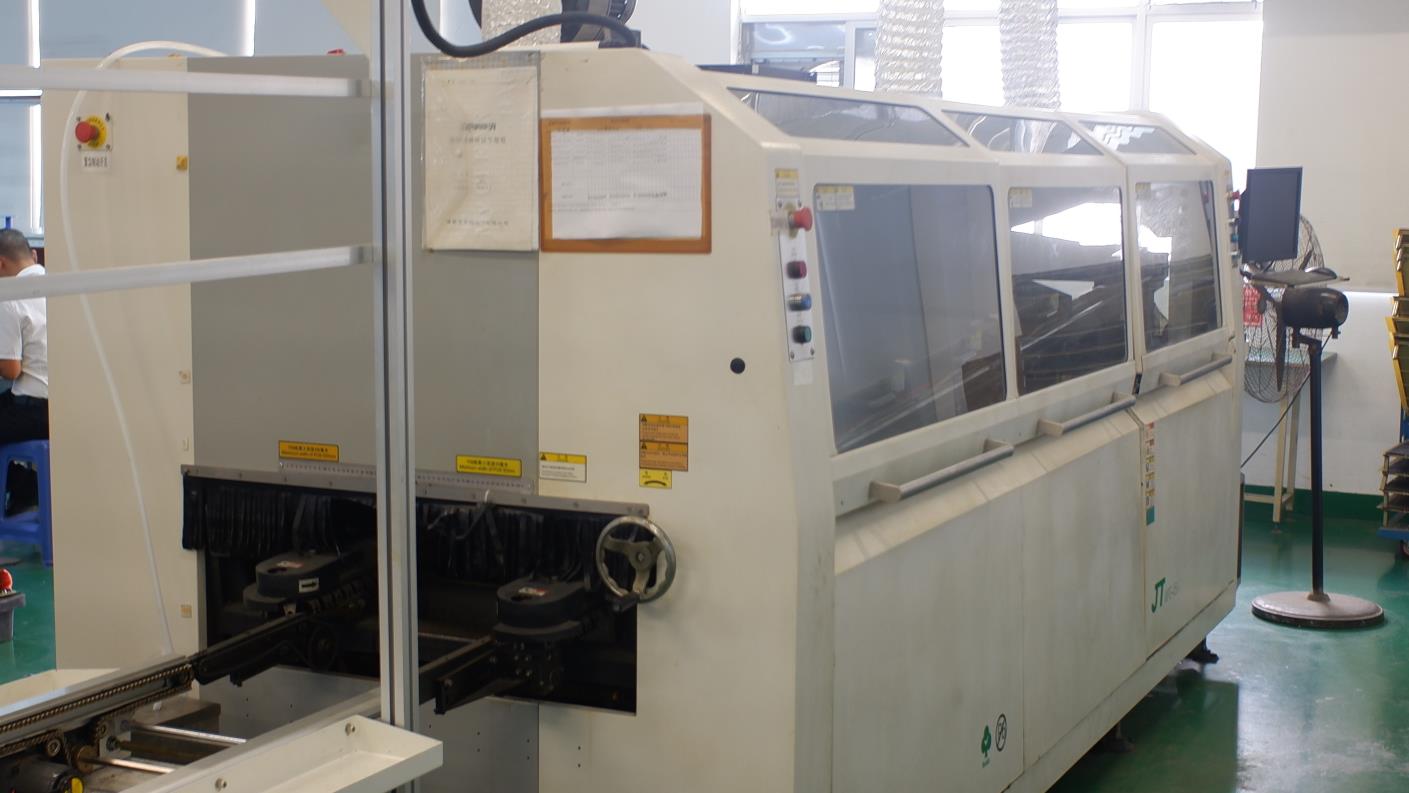
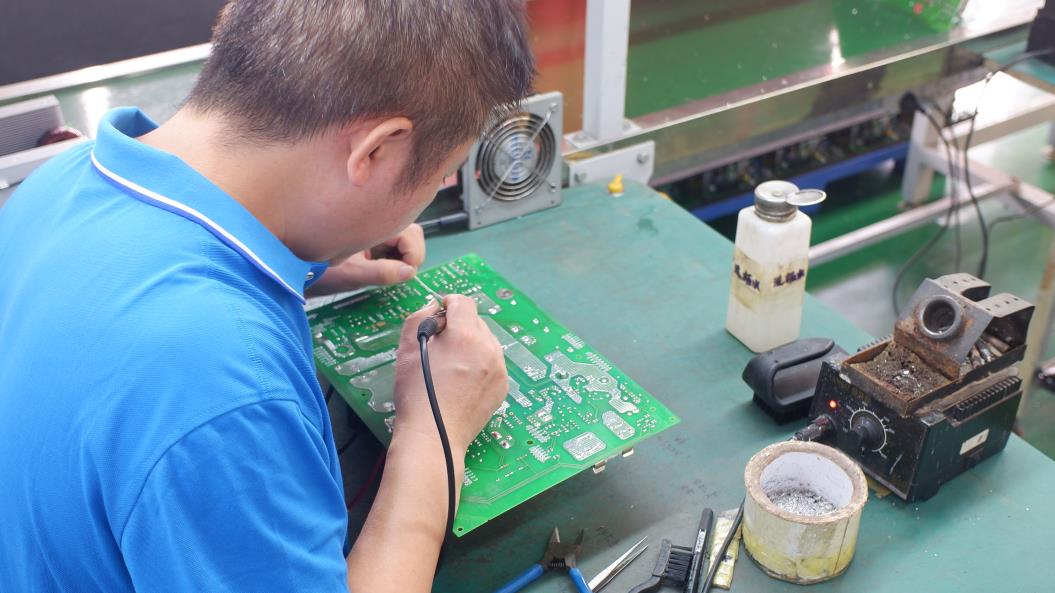
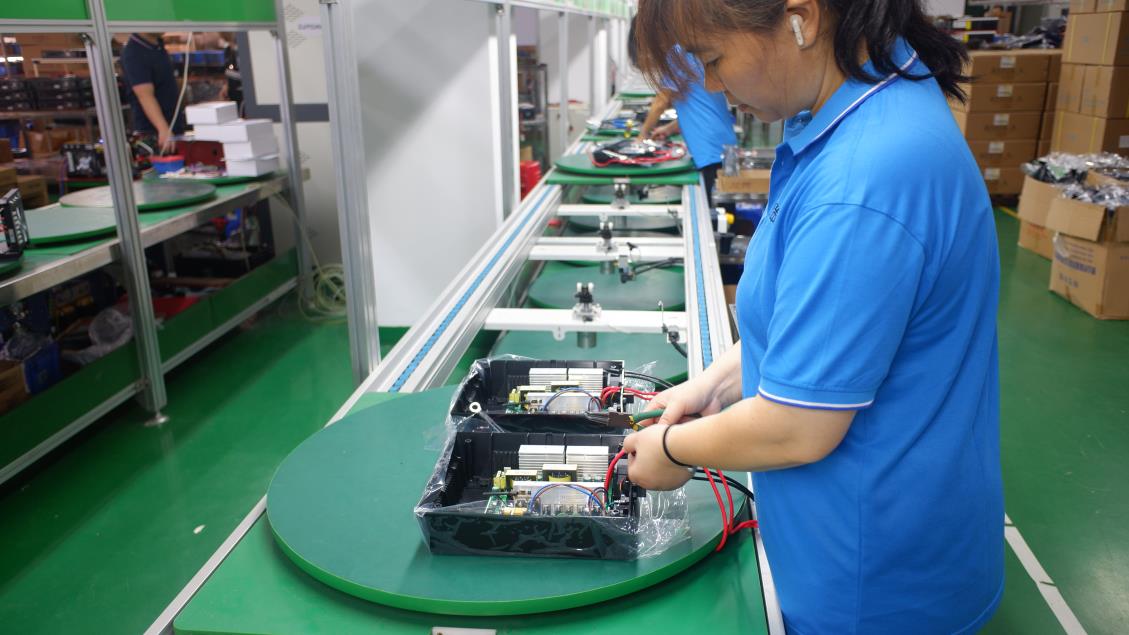
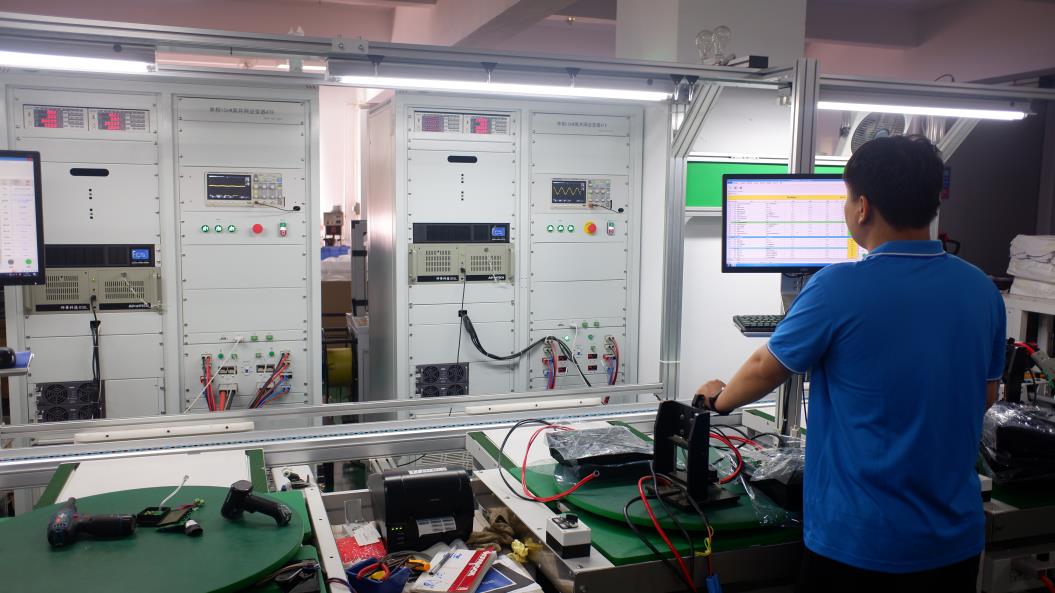
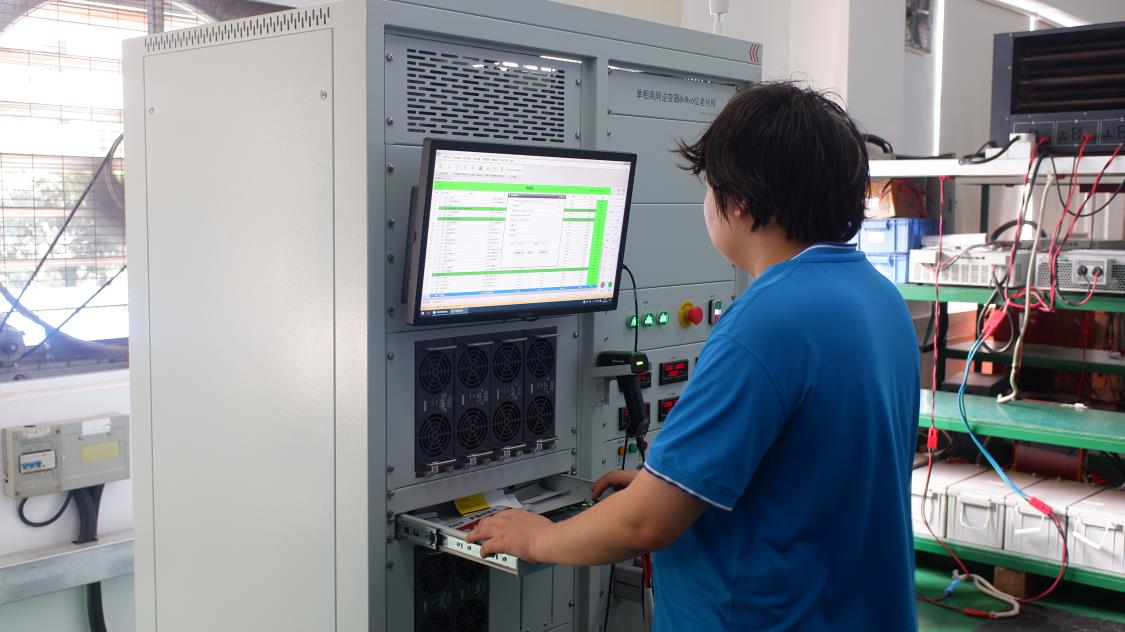
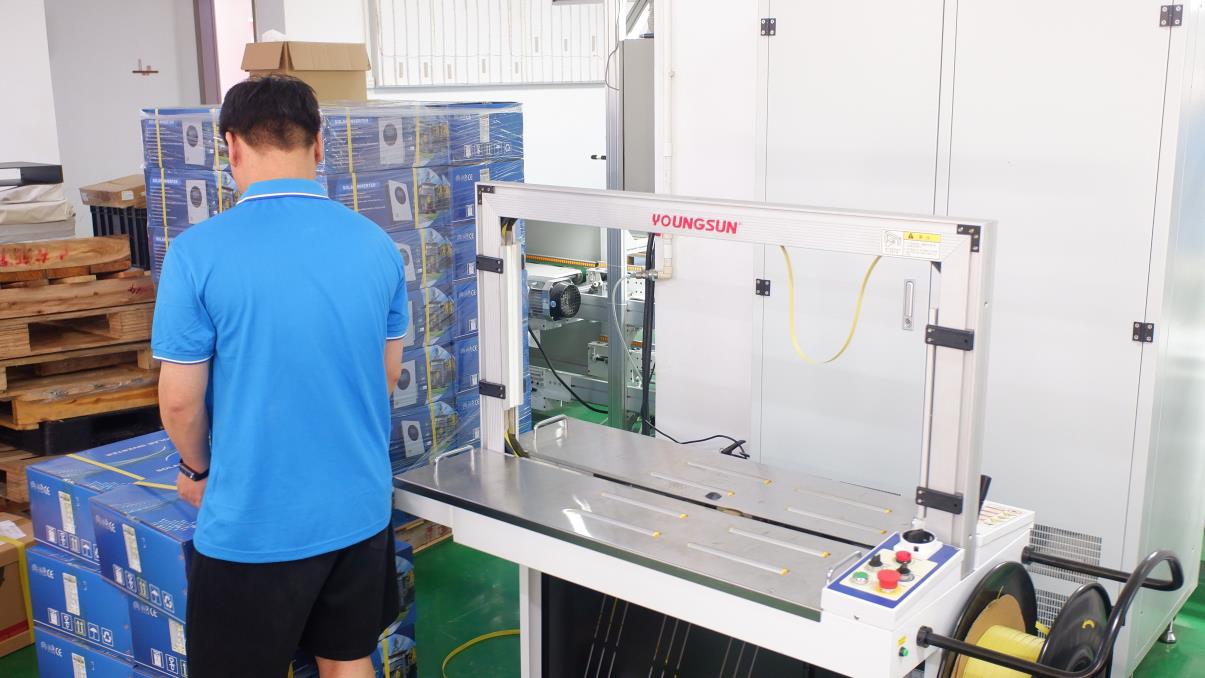
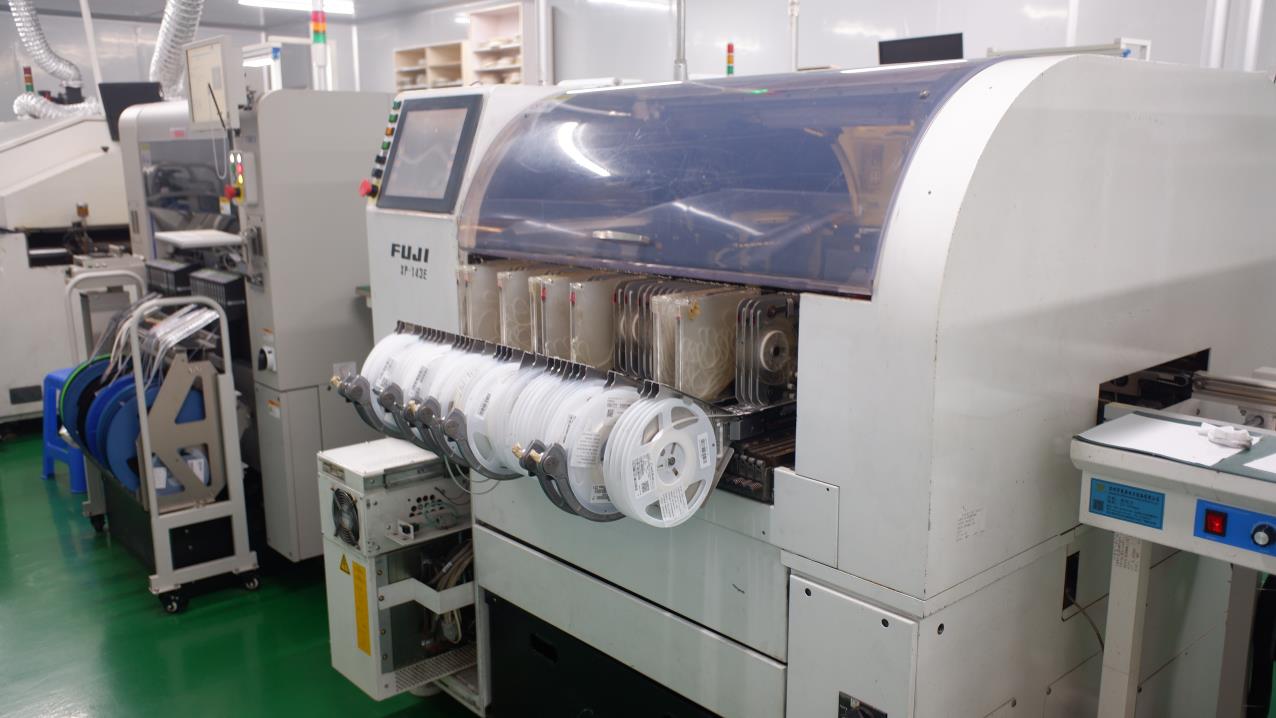
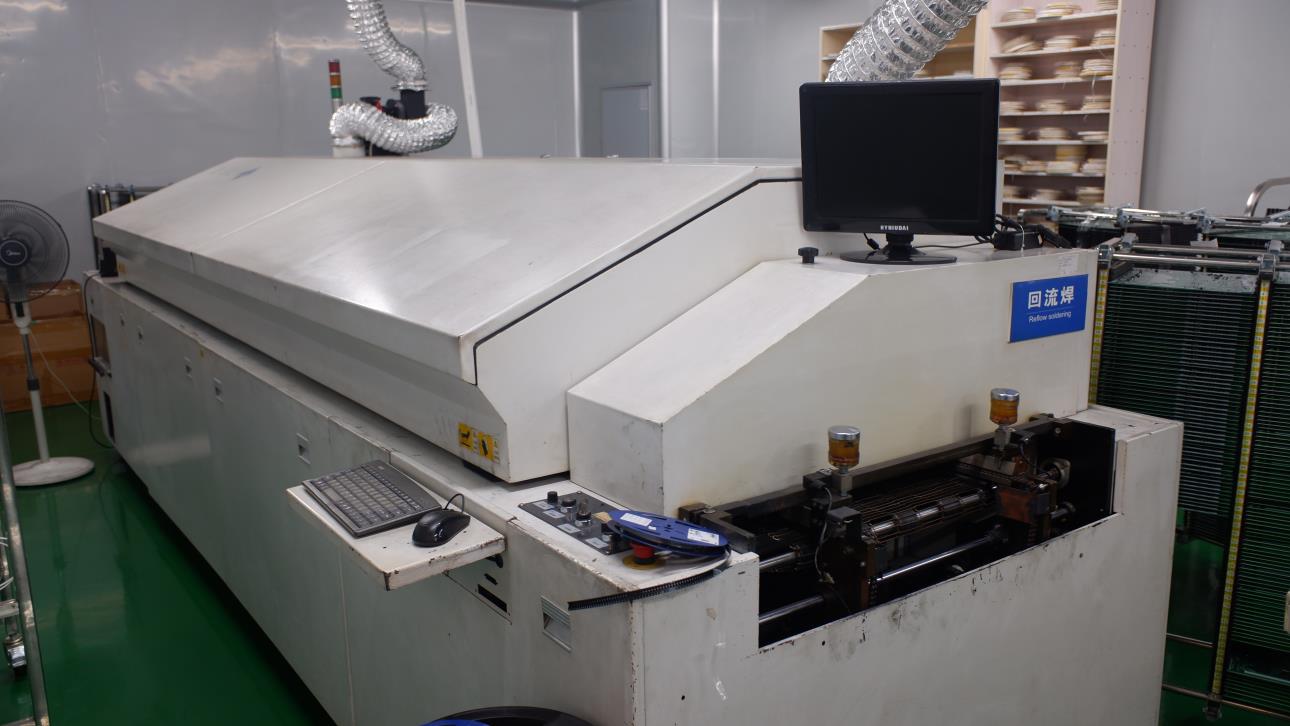
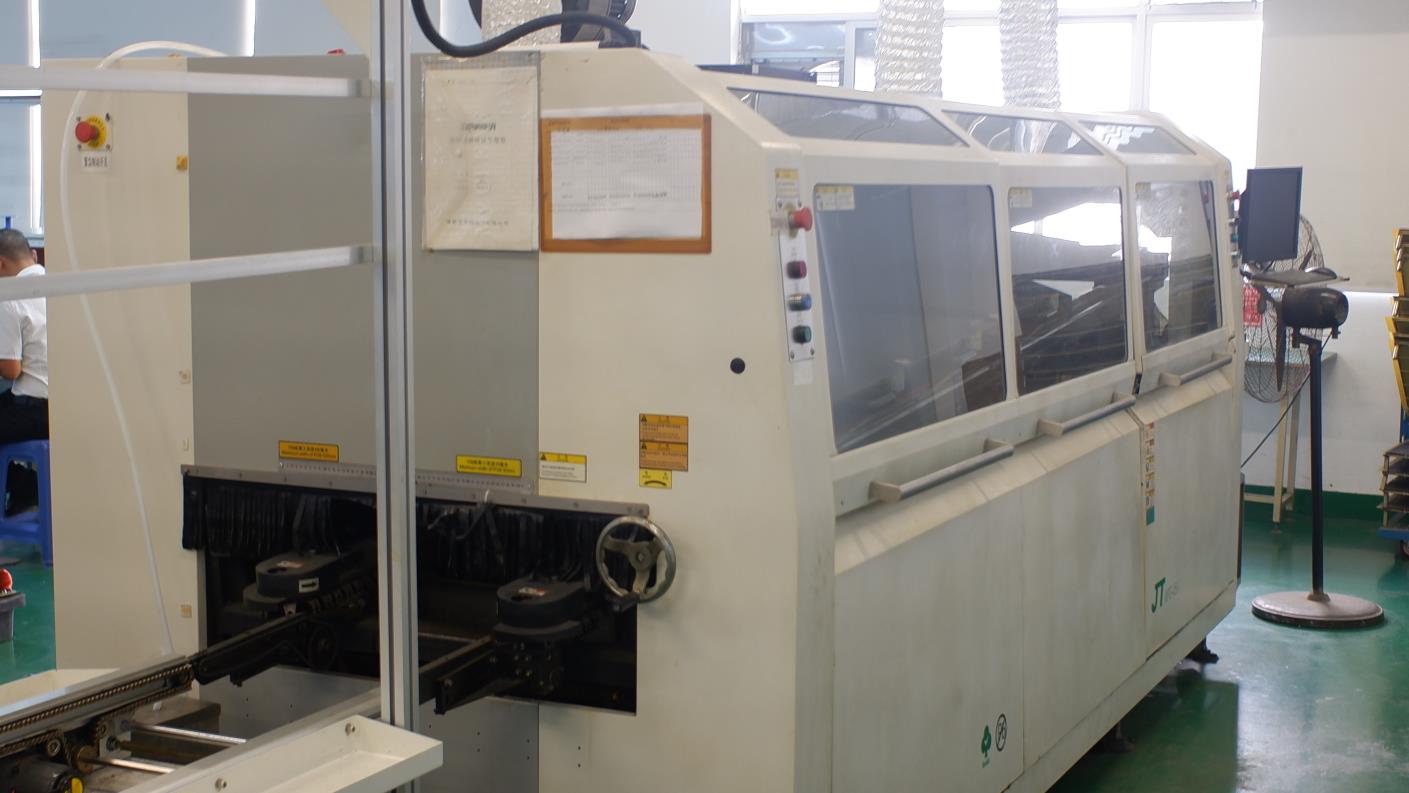
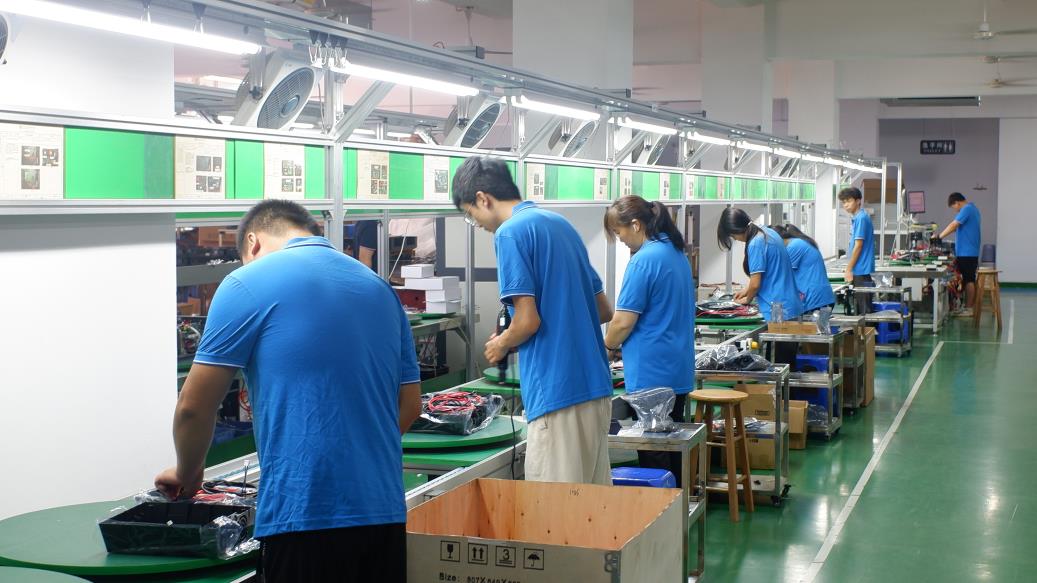
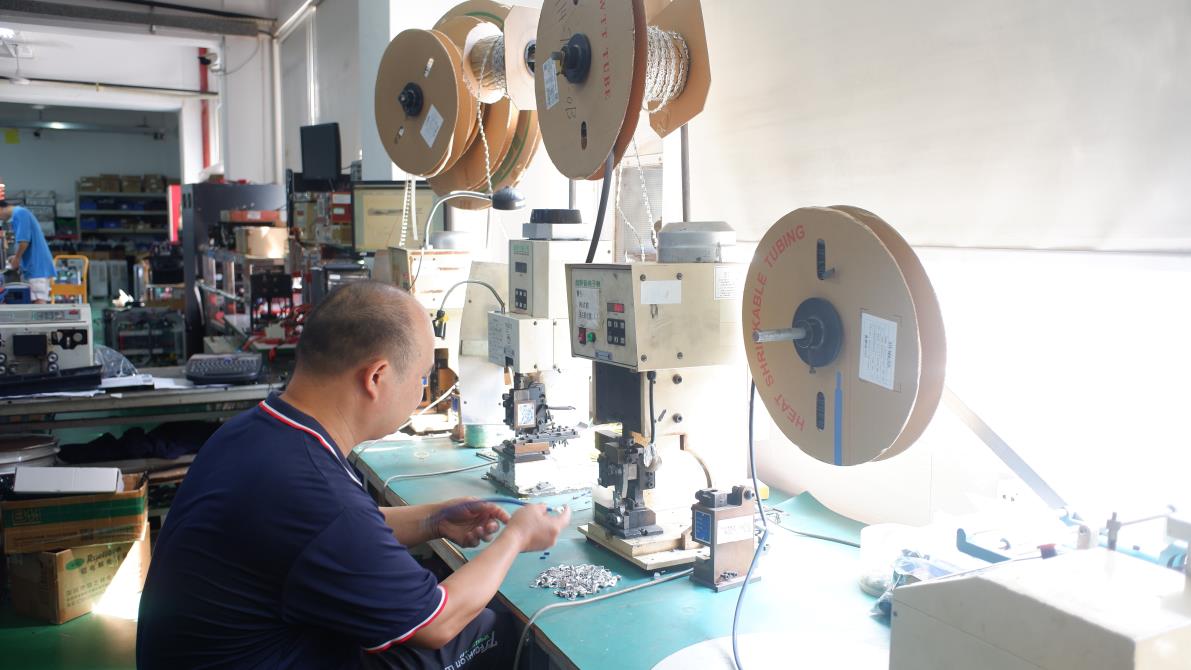
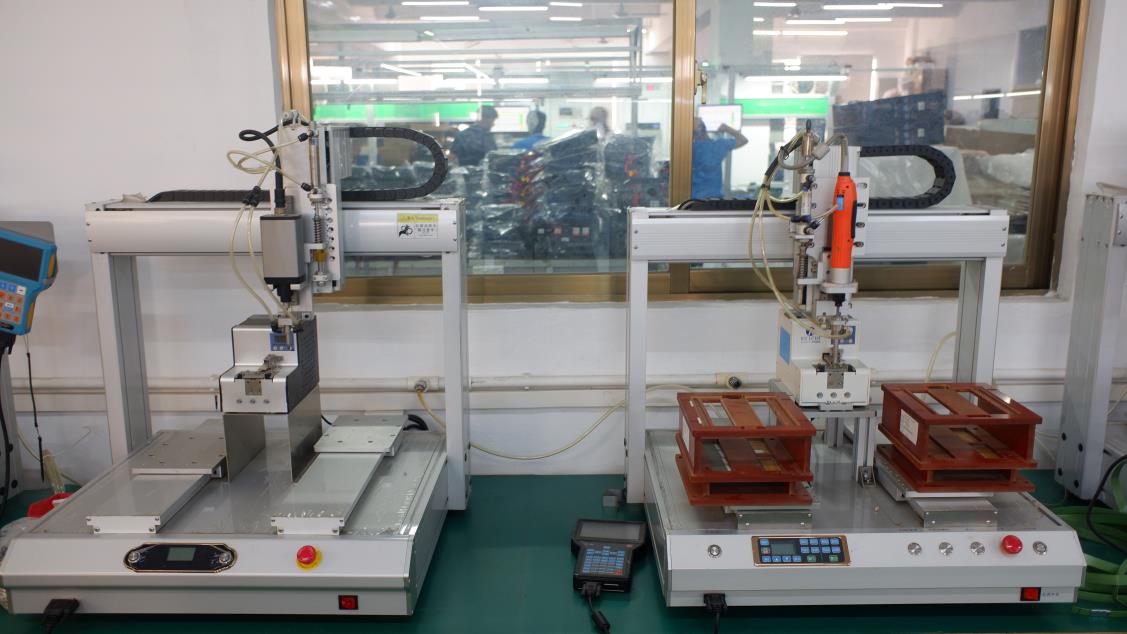
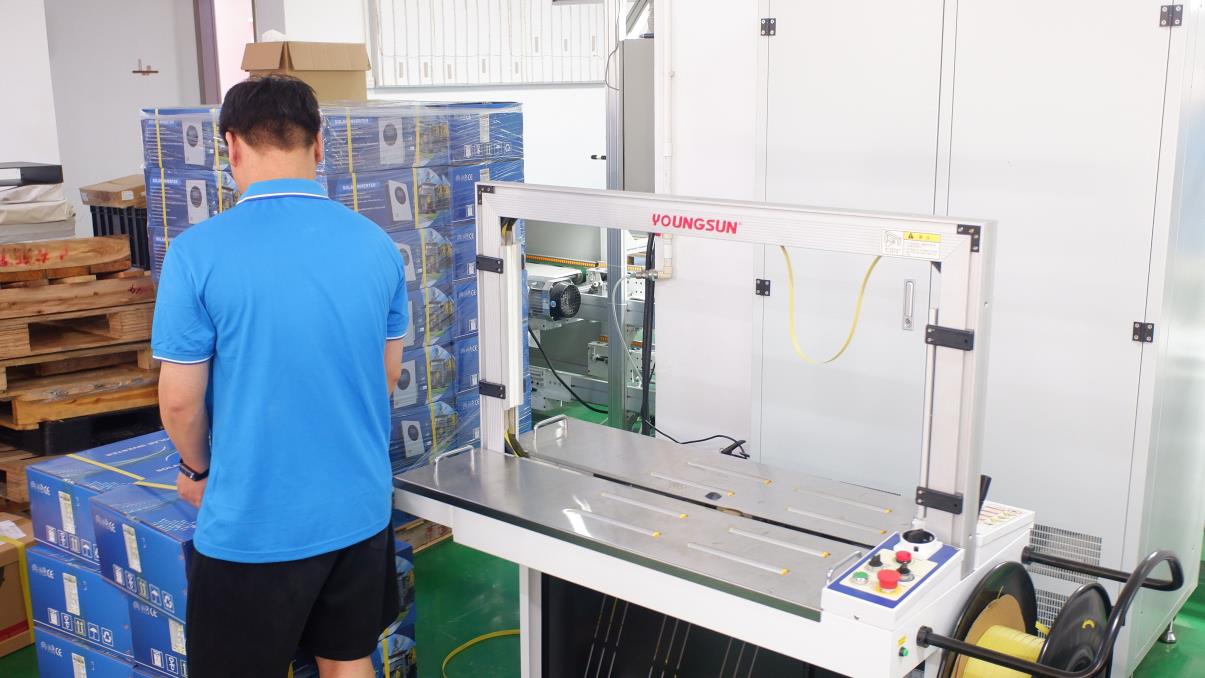
To support growing international demand, Yde Power operates a state-of-the-art, ISO9001-certified manufacturing facility in Jiangxi Province. This advanced production base is equipped with fully automated assembly processes, highly sophisticated testing cabinets, and strict end-to-end quality control measures. Complementing our production facilities, our dedicated Shenzhen R&D center focuses on breakthroughs in battery management systems (BMS), high-frequency inverter design, system integration, and advanced thermal management technologies.
Through our commitment to engineering excellence and international safety standards, we produce reliable, high-performing ESS assets configured for peak shaving, renewable integration, microgrid balancing, and backup applications.
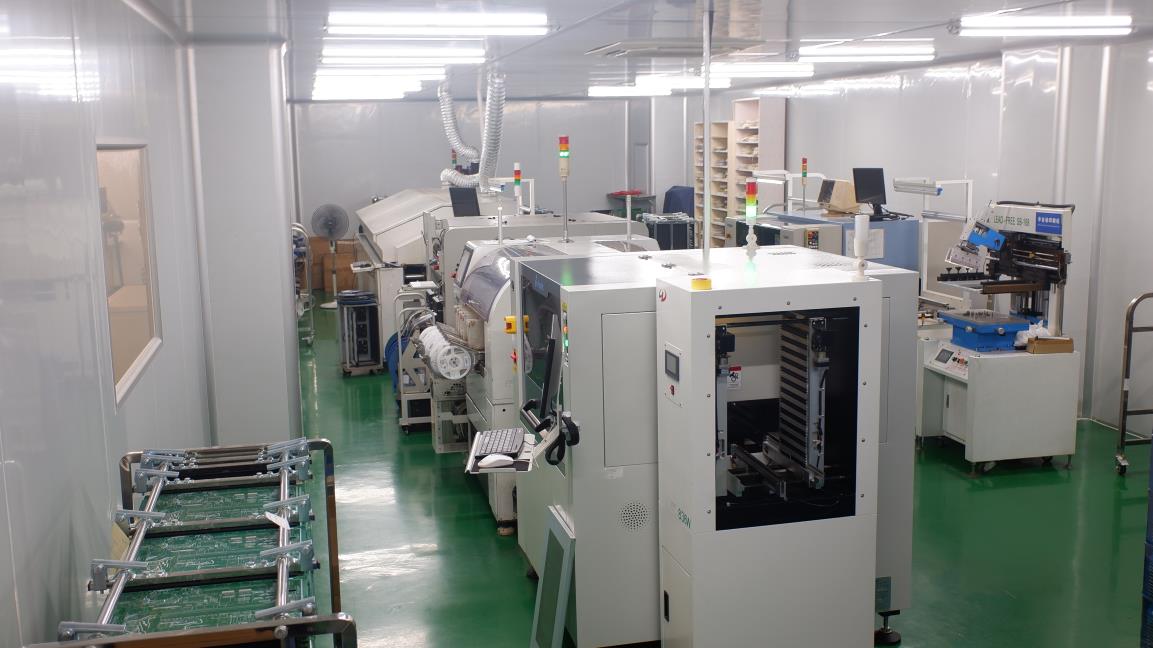
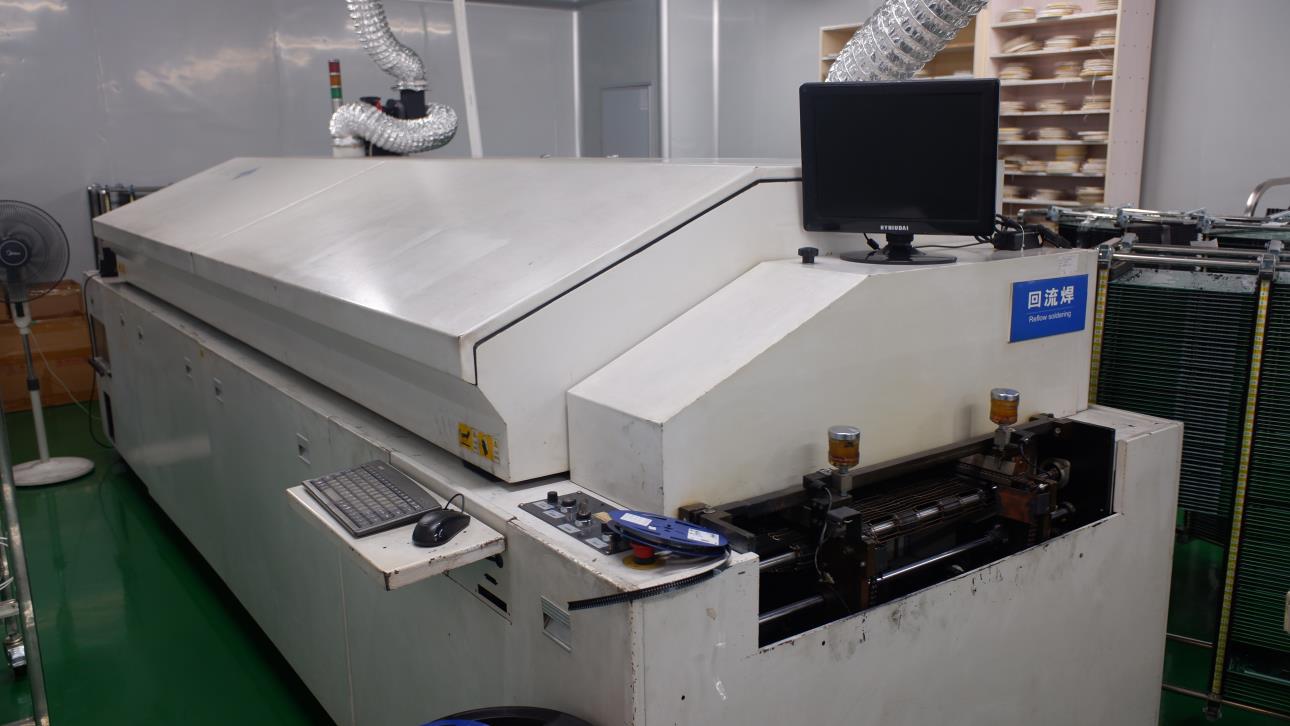
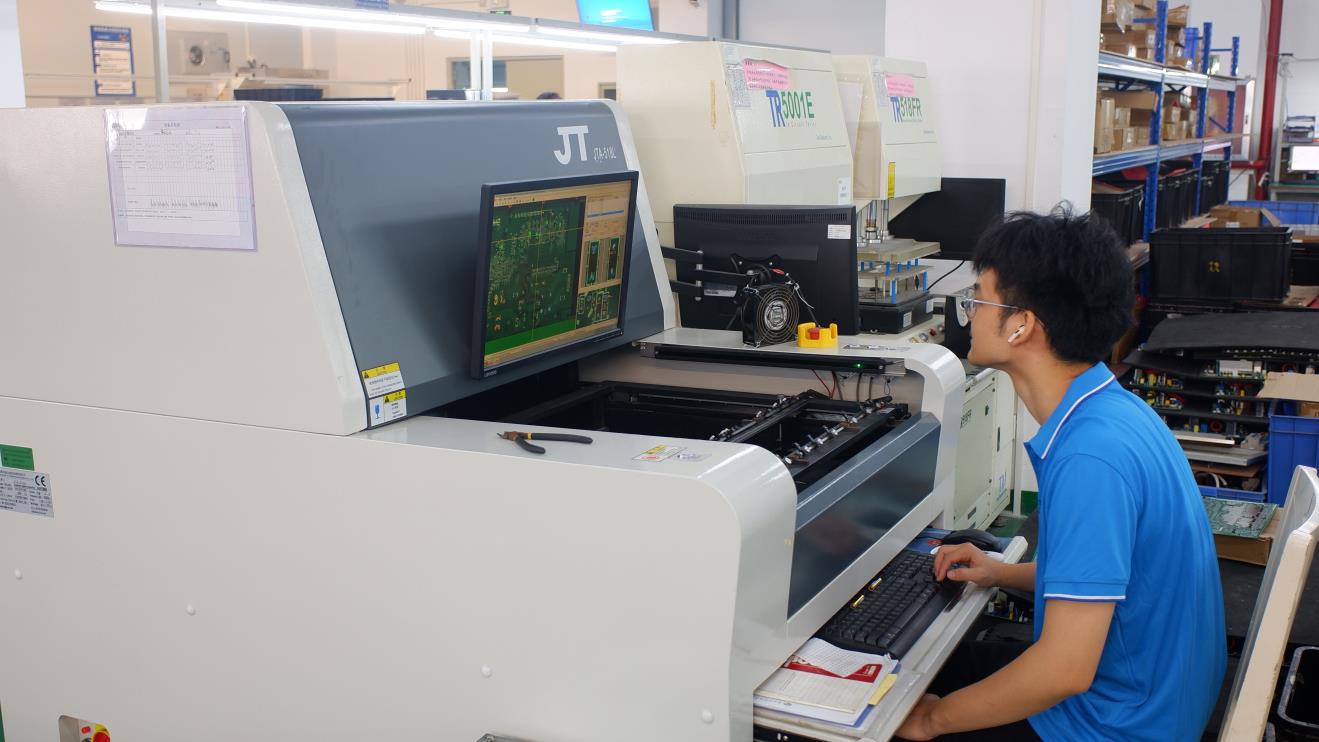
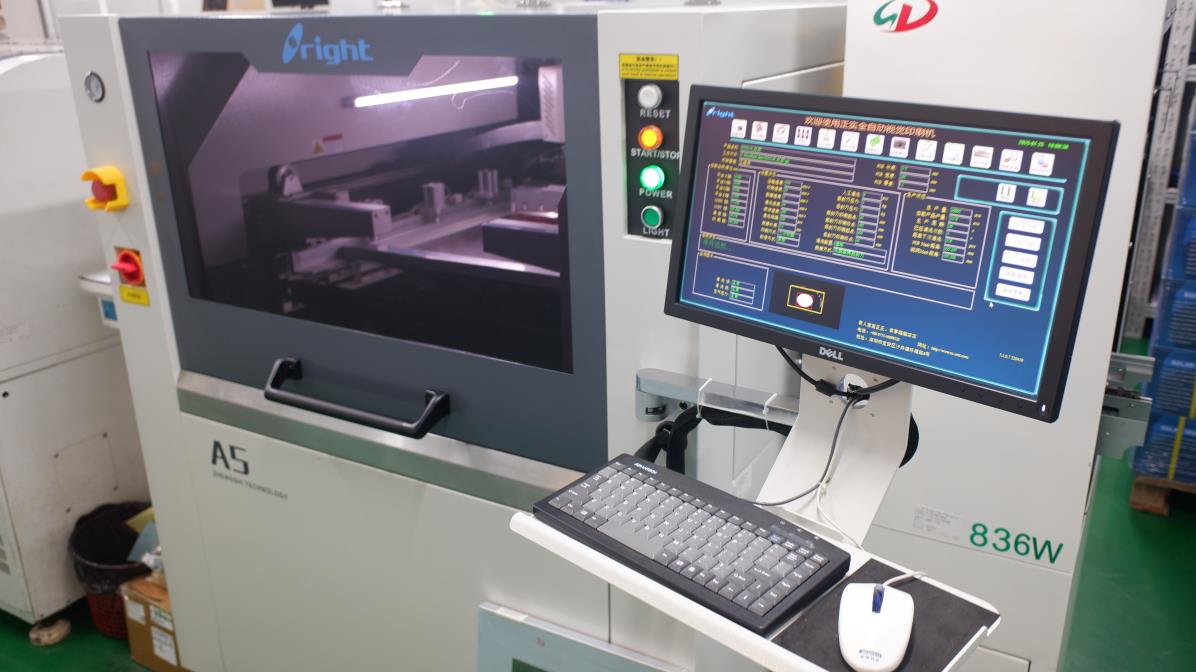
Our ISO9001 Jiangxi production plant operates modern SMT, automated soldering, manual assembly, and multi-stage testing facilities to ensure top-tier product reliability.
Entering international clean-energy markets demands adherence to rigorous product safety certifications. Shenzhen Yde Power ensures compliance across dynamic regulatory environments:
Additionally, our BESS units incorporate multi-tiered safety systems. At the module level, we employ localized aerosol or clean-gas fire suppression devices coupled with temperature and pressure sensors. This containment design halts thermal propagation at the individual cell pack, preventing wider systems failure.
Different regions face distinct grid challenges, requiring tailored application profiles:
Reduces demand charges by discharging stored battery energy during localized grid peaks, lowering overall utility operational costs.
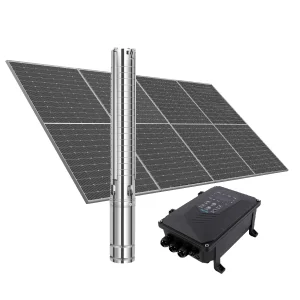
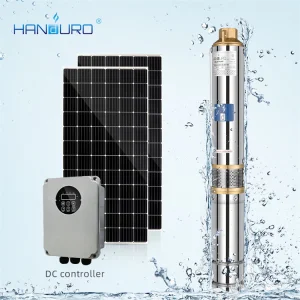
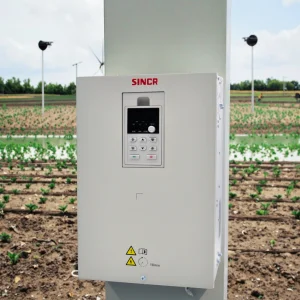
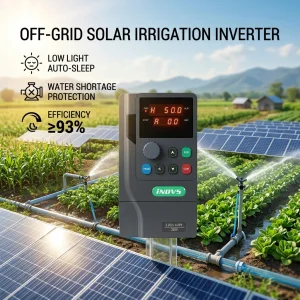
Powers deep well water pumps and VFD motor drives directly from solar PV arrays, maintaining continuous water flow in remote sites.
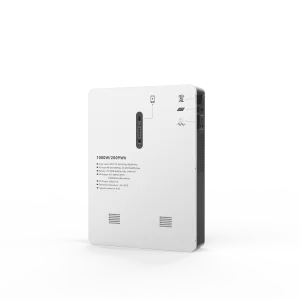
Maximizes rooftop self-consumption by storing midday solar energy, ensuring seamless home backup power during grid disruptions.
The energy storage sector is moving toward higher integration densities and more intelligent control software. Shenzhen Yde Power is focusing its R&D on the transition from 1000V DC architectures to high-voltage 1500V DC systems. The higher voltage reduces balance-of-system (BOS) cabling costs, improves overall system power density, and increases round-trip efficiency (RTE) by 1.5% to 2% compared to standard low-voltage configurations.
Simultaneously, we are integrating machine learning algorithms into our EMS (Energy Management Systems). These smart layers forecast local PV production patterns and consumption habits, adapting discharge curves dynamically to maximize economic return. Through software innovation and advanced hardware manufacturing, Yde Power continues to build high-performance ESS assets designed for the future of global grids.
Explore our highly integrated battery packs, submersible water pump controllers, and high-efficiency hybrid converters.
Expert answers regarding cell performance, system lifespan, grid compliance, and industrial manufacturing capacity.
Our C&I and residential battery solutions utilize premium LiFePO4 chemistry, which maintains over 80% state-of-health (SoH) after 6000 to 8000 full charge-discharge cycles (at 80% Depth of Discharge, 25°C ambient temperature). For standard applications, this yields a functional operational lifespan of 10 to 15 years.
We operate a multi-site system: our R&D center is in Shenzhen, while mass production is centralized in our modern, ISO9001-certified Jiangxi facility. Our quality management pipeline features Solder Paste Inspection (SPI), automated Optical Inspection (AOI), in-circuit PCBA testing, functional load cabinets, and multi-day environmental aging chambers to ensure every unit meets international safety standards.
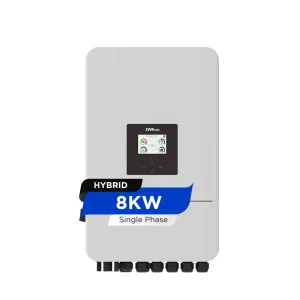
Yes. Our advanced hybrid inverters support communication protocols for mainstream global battery brands via CAN and RS485 interfaces. This compatibility allows EPC providers to easily integrate our high-efficiency PCS units with existing client battery infrastructures.
Our energy storage systems comply with key international standards, including UL 1973 and UL 9540A for North America, CE and IEC 62619 for Europe, and AS4777 for Australia, facilitating direct integration with local utility grids.
 Yde Power