Explore our state-of-the-art power conversion systems. Designed for highly demanding off-grid, hybrid, agricultural, and residential microgrid architectures.
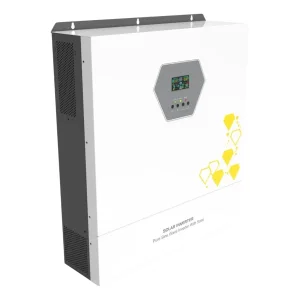
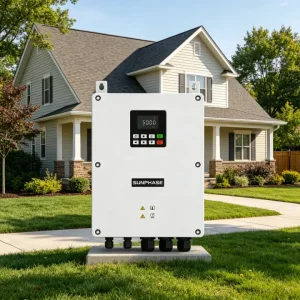
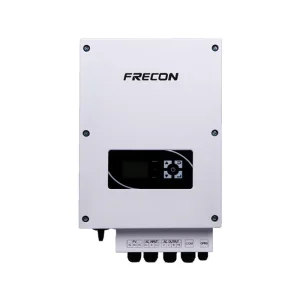
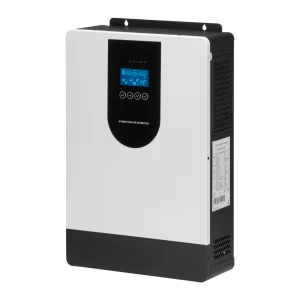
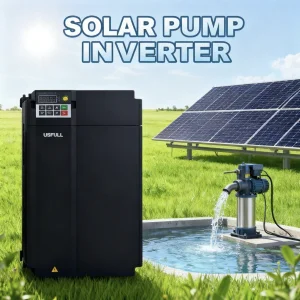
The demand for decentralized power system architectures is surging worldwide. Off-grid solar inverters serve as the critical control center of independent power systems, converting variable Direct Current (DC) from solar arrays or battery modules into stable, pure sine wave Alternating Current (AC). Unlike grid-tied units, modern off-grid inverters must manage complex load dynamics, optimize dynamic battery charging/discharging algorithms, and establish local micro-grids without a utility reference signal.
Whether deployed in isolated rural installations, commercial energy storage systems, or agricultural water management networks, choosing the right inverter manufacturer requires analyzing topographies, efficiency curves, safety mechanisms, and supply chain reliability. This guide provides technical analysis and market intelligence for global buyers.
The landscape of off-grid power conversion is shifting rapidly, driven by materials science improvements and digital control algorithms. The industry is currently transitioning through four major technological phases.
Traditional IGBT switches are being replaced by wide-bandgap Silicon Carbide (SiC) MOSFETs. SiC devices offer faster switching speeds and lower internal resistance, reducing heat dissipation requirements. This enables a 30% reduction in inverter dimensions while pushing system efficiency past 98%.
The industry is moving from low-voltage (48V) battery packs toward high-voltage (100V-400V) systems. High-voltage interfaces reduce current flow requirements, minimizing copper cable sizing, thermal losses, and voltage drop across commercial and industrial cabling networks.
Next-generation off-grid inverters function as grid-forming nodes. Using virtual synchronous machine (VSM) algorithms, they actively support voltage and frequency stability in hybrid microgrids. This allows them to respond to transient load variations without depending on utility grids.
Modern off-grid solar inverters must perform reliably in diverse industrial environments. Below is an overview of standard reference designs tailored to specific operating conditions.
| Application Vertical | Primary Engineering Challenge | Optimal Inverter Architecture | Key Technical Requirements |
|---|---|---|---|
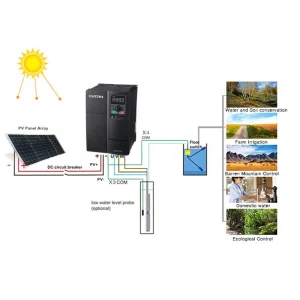
| Agricultural Irrigation | High starting currents (inductive motor loads), dust/water ingress | Solar Pump Inverter with VFD (Variable Frequency Drive) | IP65 Enclosure, dynamic MPPT, sensorless vector control |
| Remote Telecommunications | Continuous load profile, remote site access, high thermal cycling | DC-coupled hybrid inverter with SNMP & battery telemetry | Modbus/CAN communication, wide input window, active cooling |
| C&I Microgrids | Phase unbalance, generator hybridization, scale expansion | Three-phase modular grid-forming hybrid inverter | Parallel support up to 500kW, phase protection, dry contact relays |
| Residential Backup | Aesthetic integration, low acoustic noise, seamless UPS transfer | All-in-one low/high-voltage hybrid storage inverter | <10ms transfer time, integrated BMS, sleek form factor |
Shenzhen Yde Power Co., Ltd. is a professional manufacturer specializing in residential, commercial, and industrial energy storage systems (ESS). Headquartered in Shenzhen, China, the company integrates research and development, production, sales, and service to deliver comprehensive clean energy solutions to global markets.
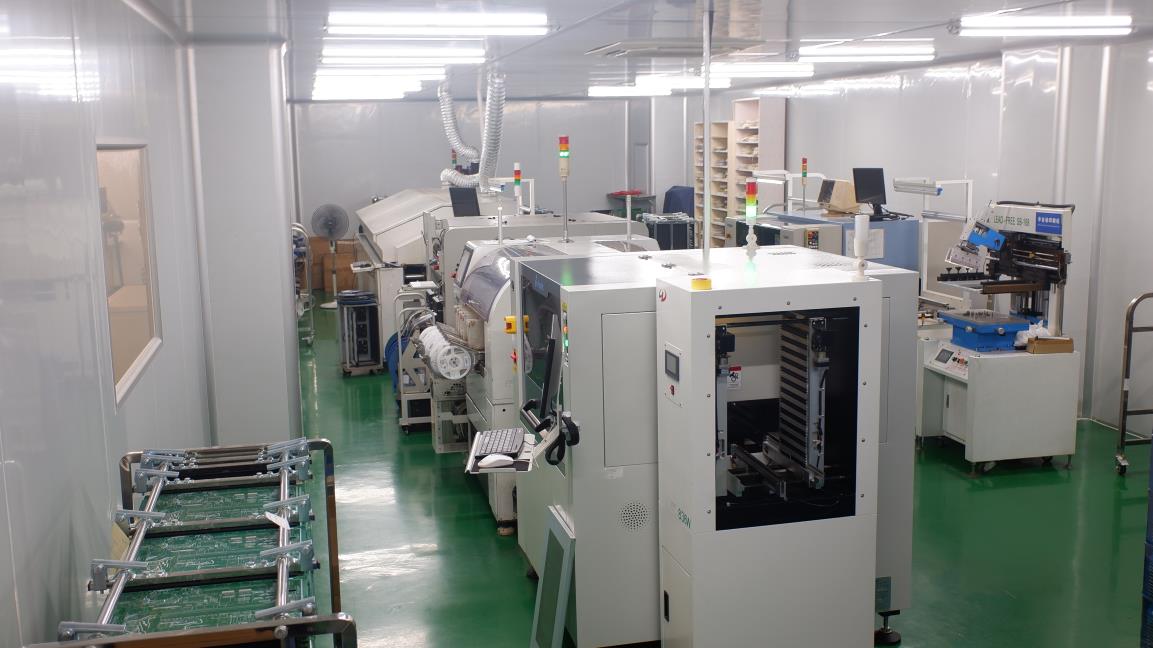
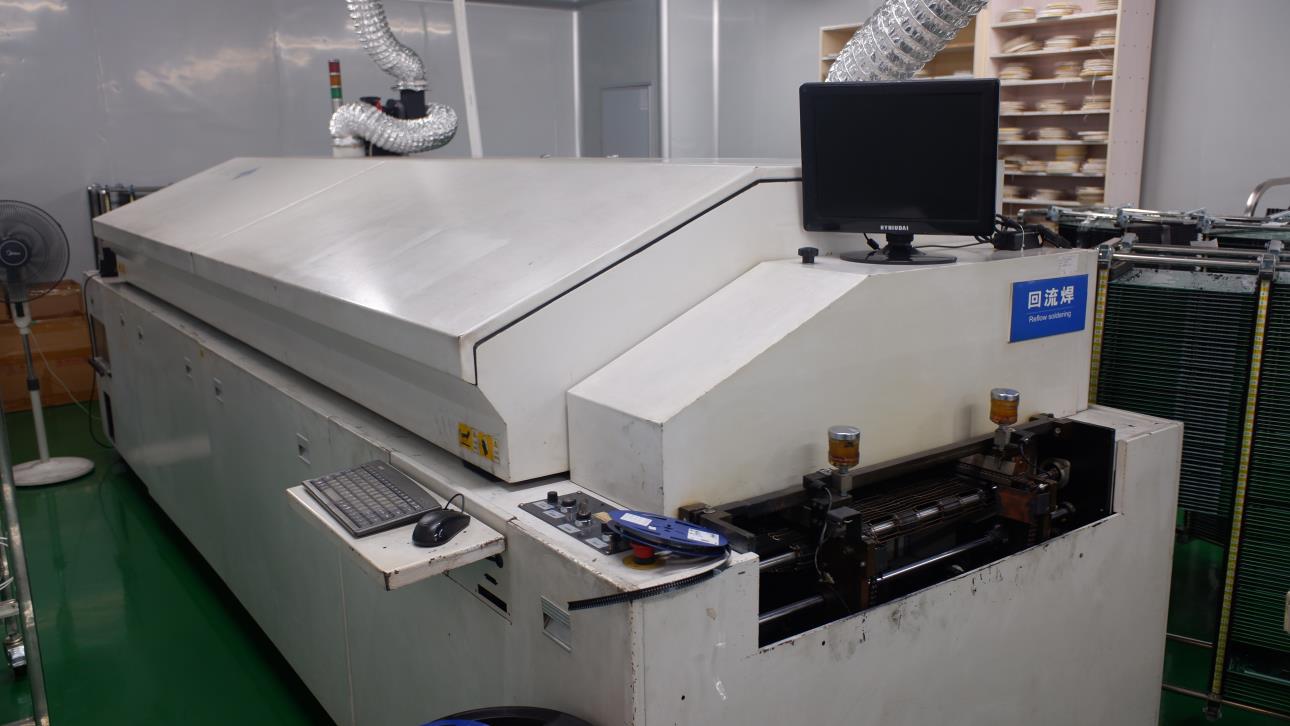
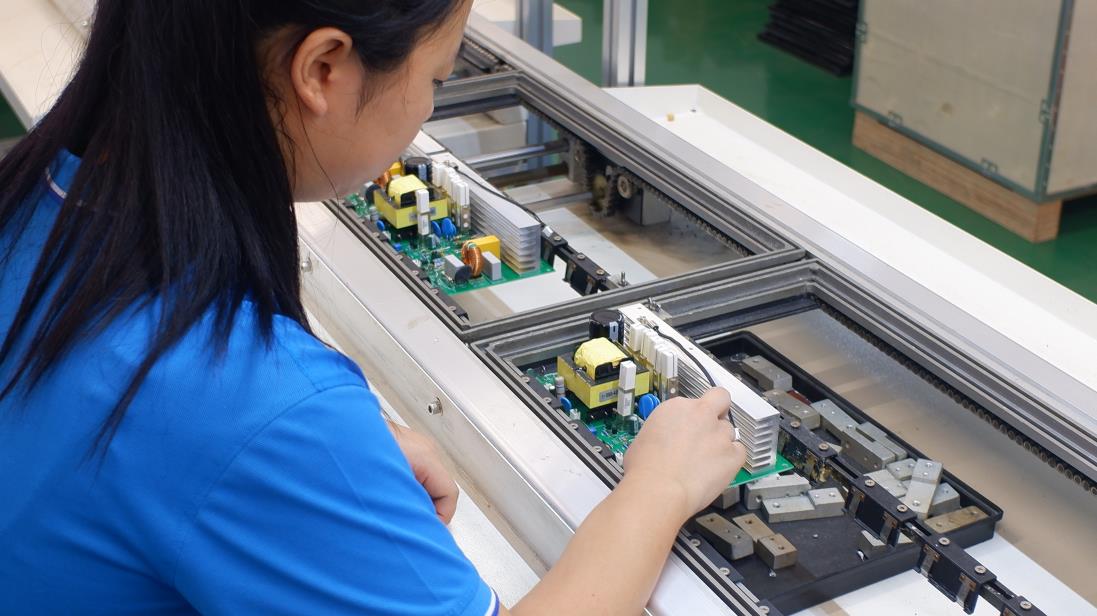
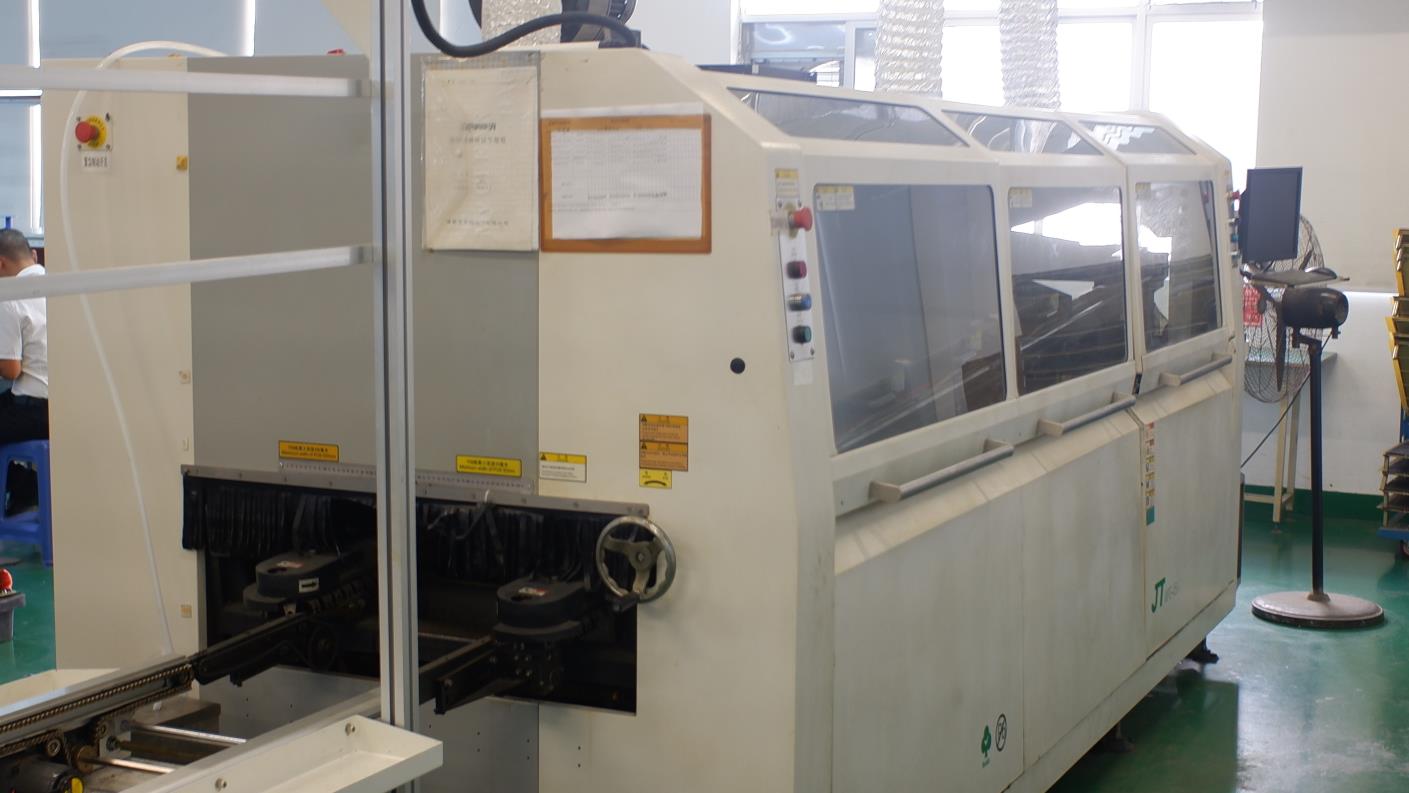
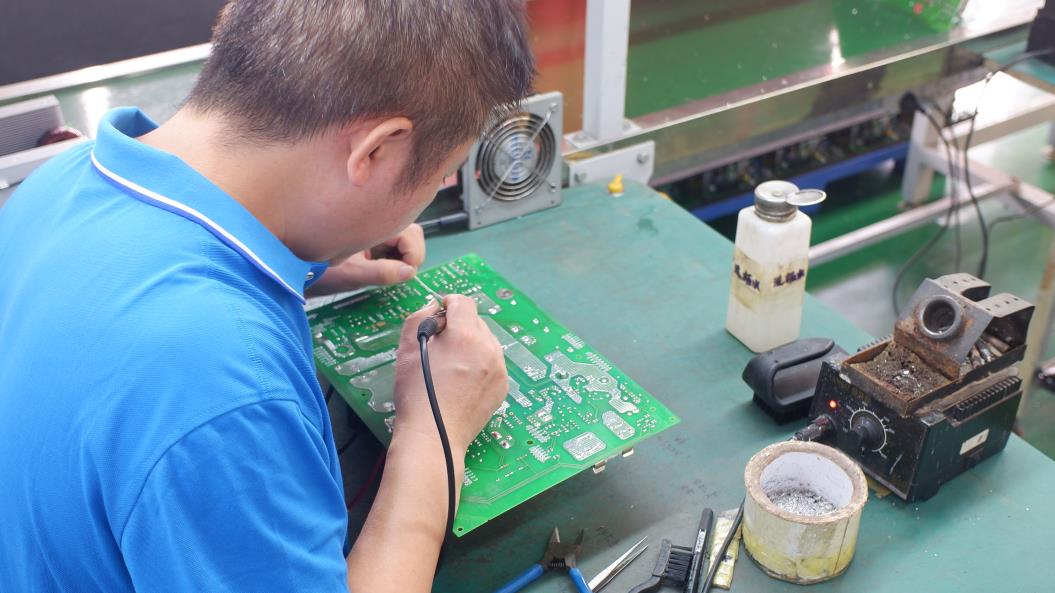
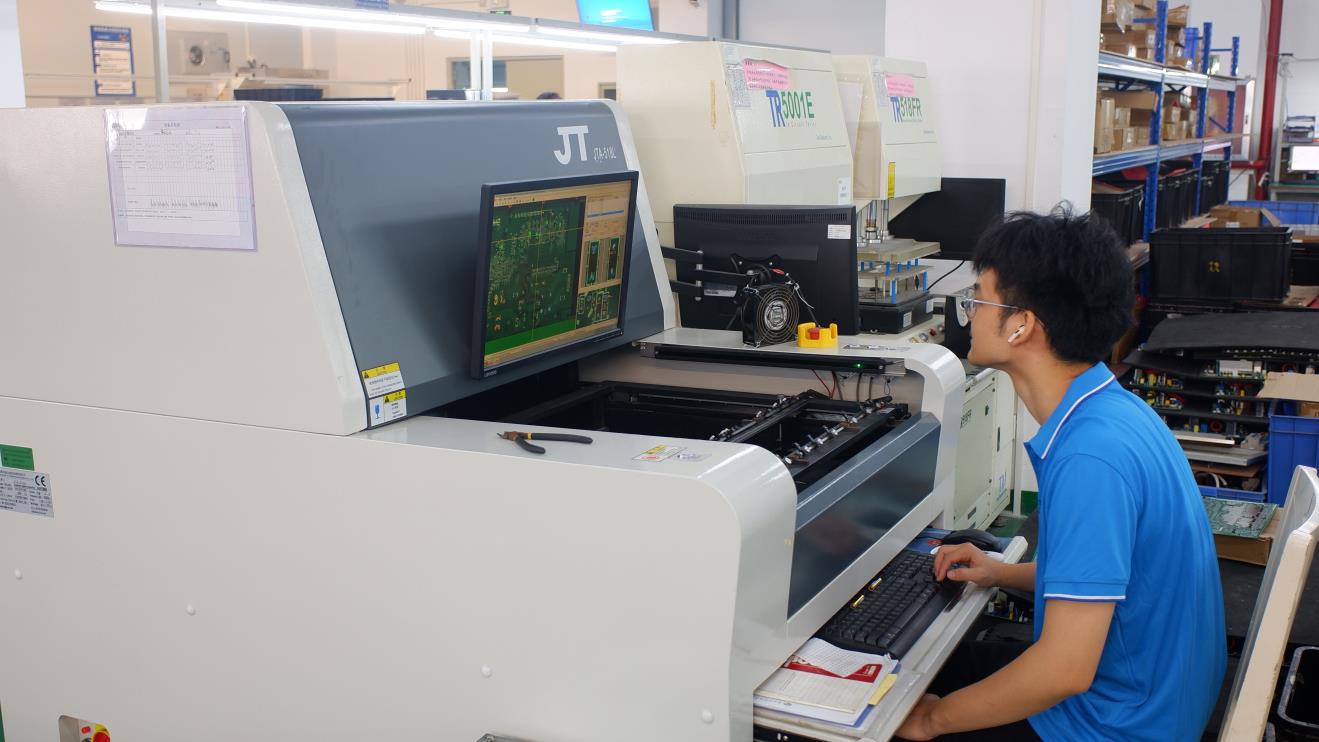
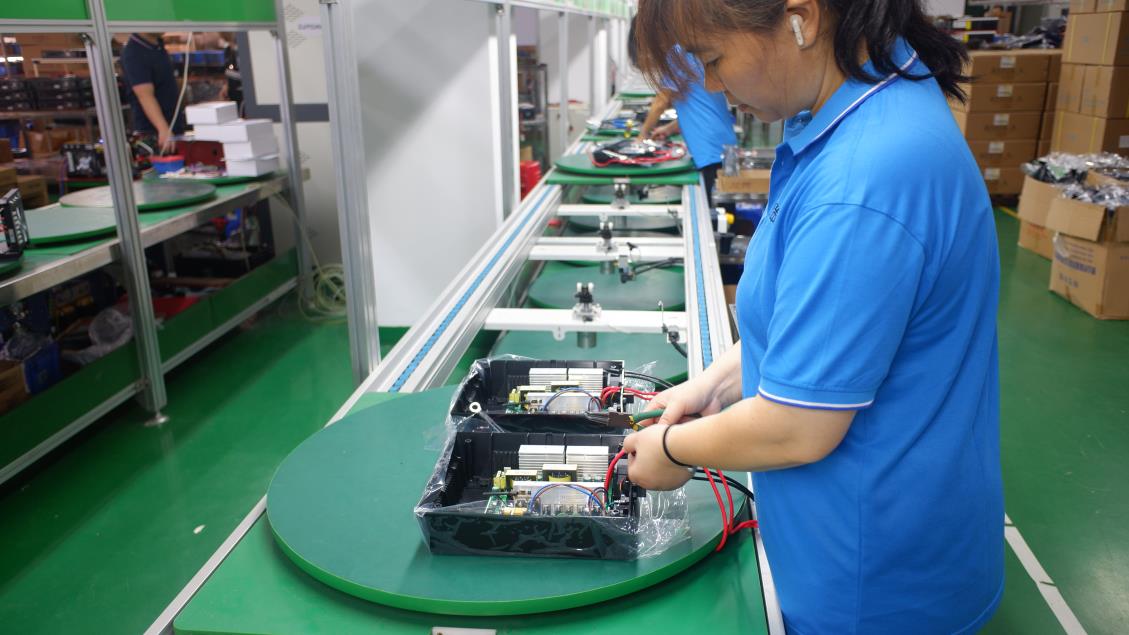
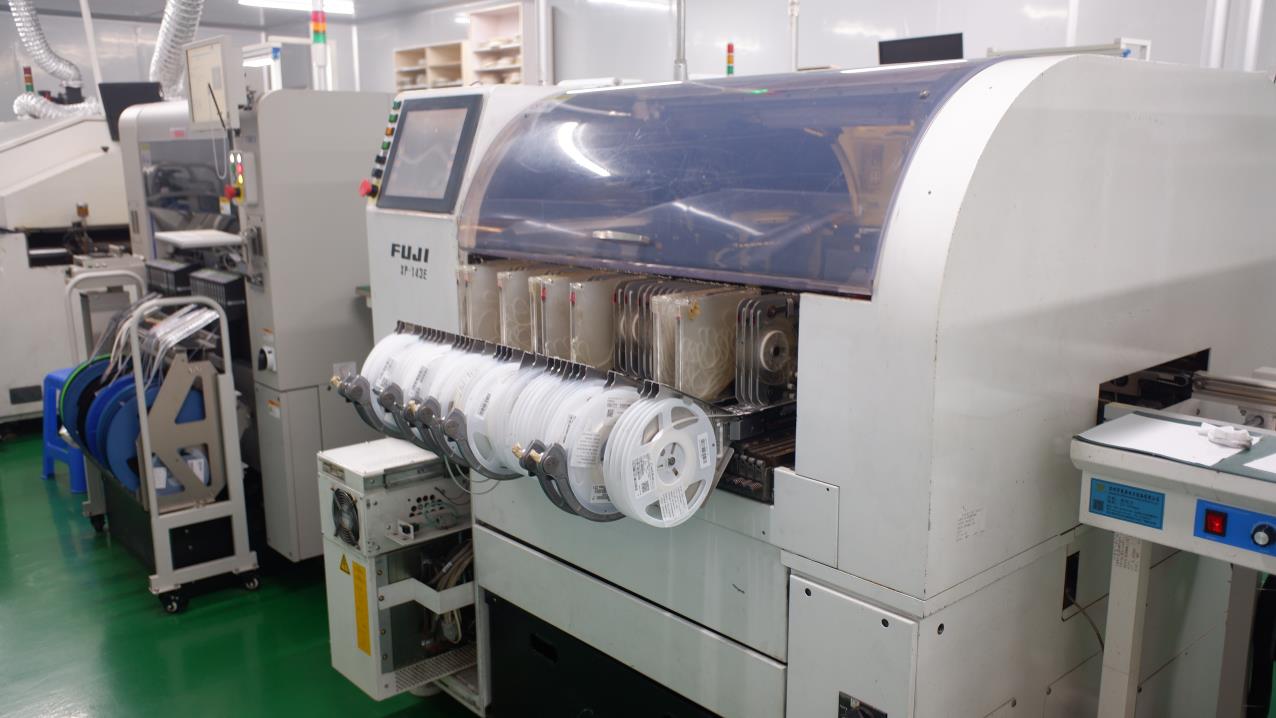
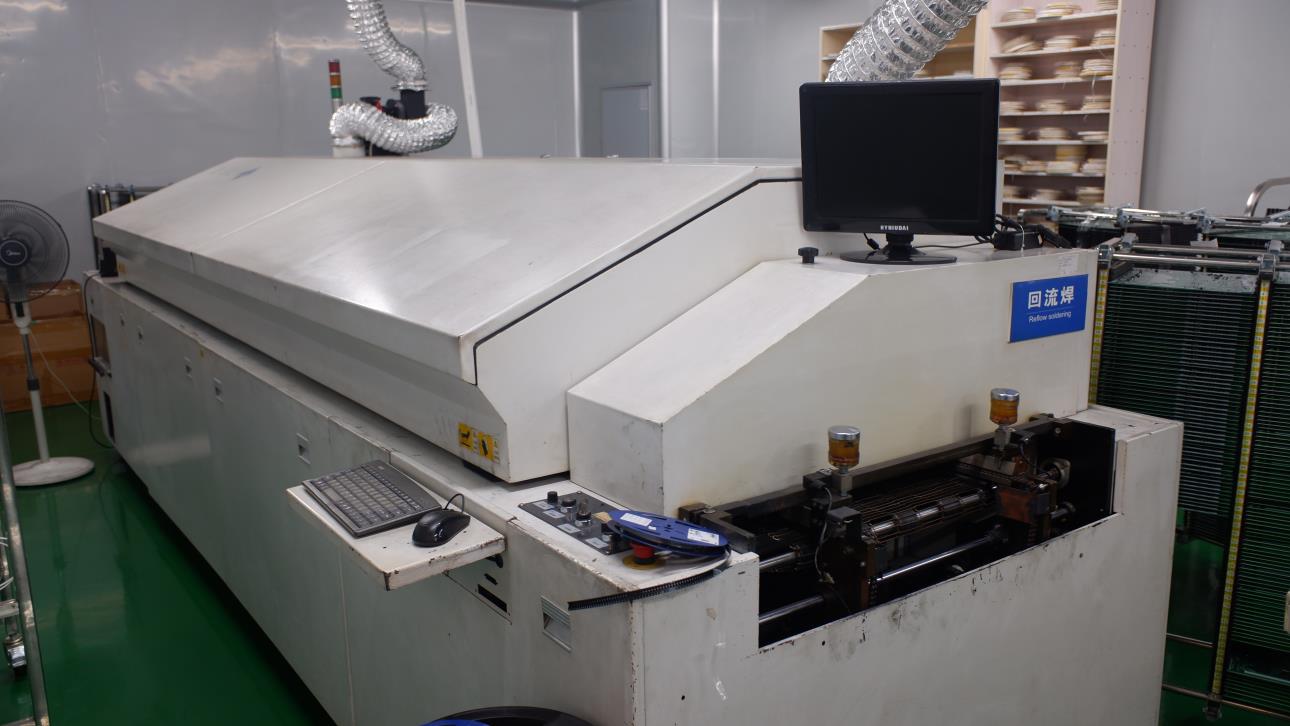
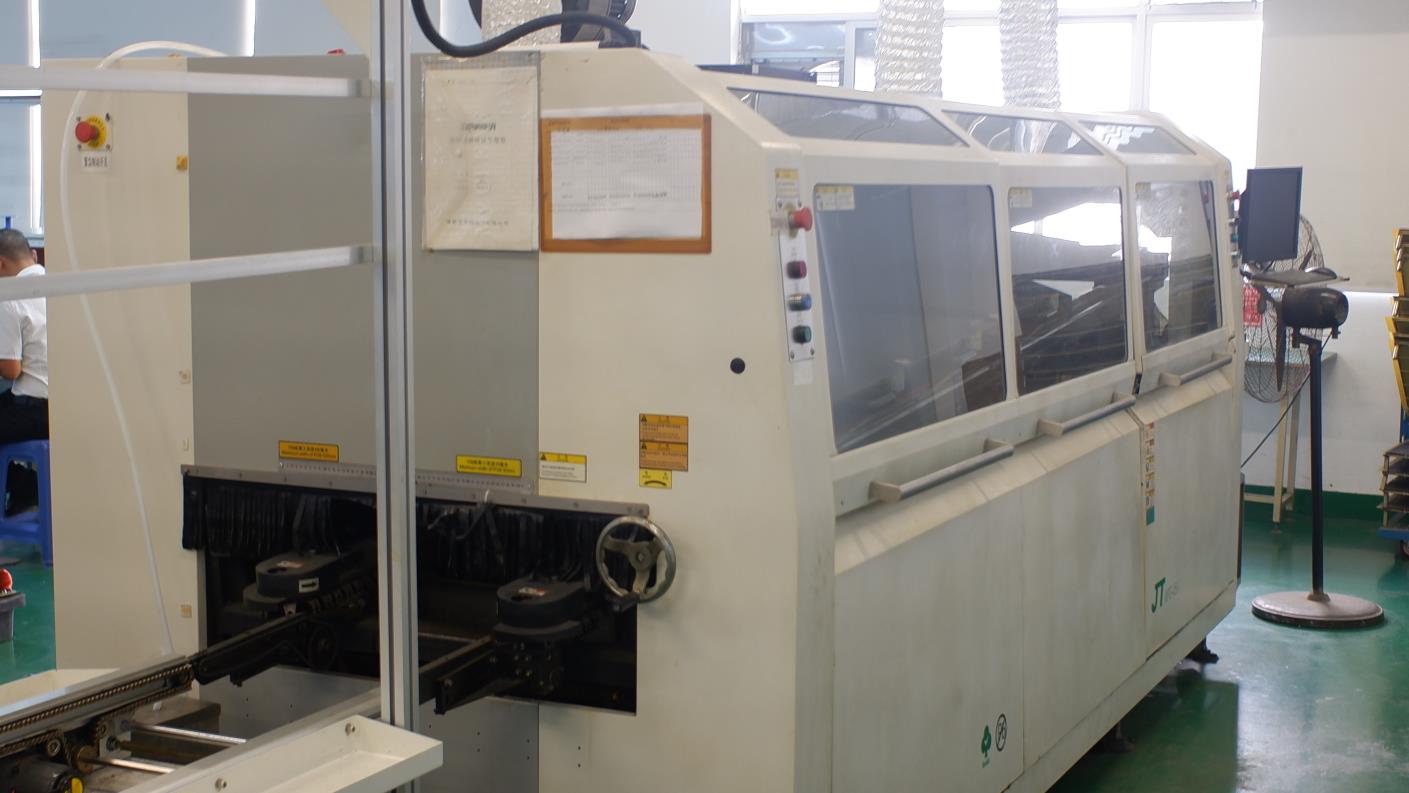
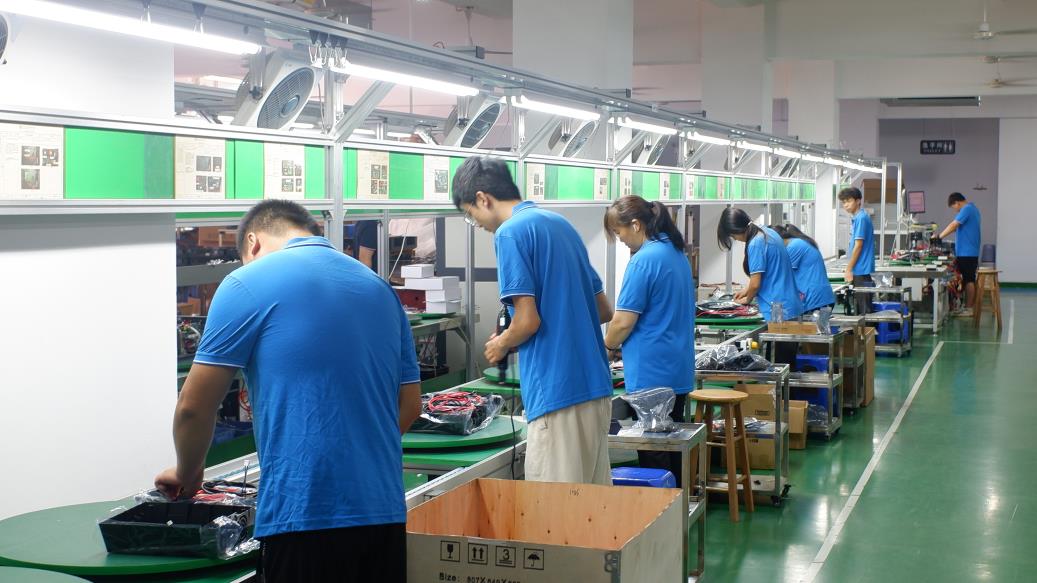
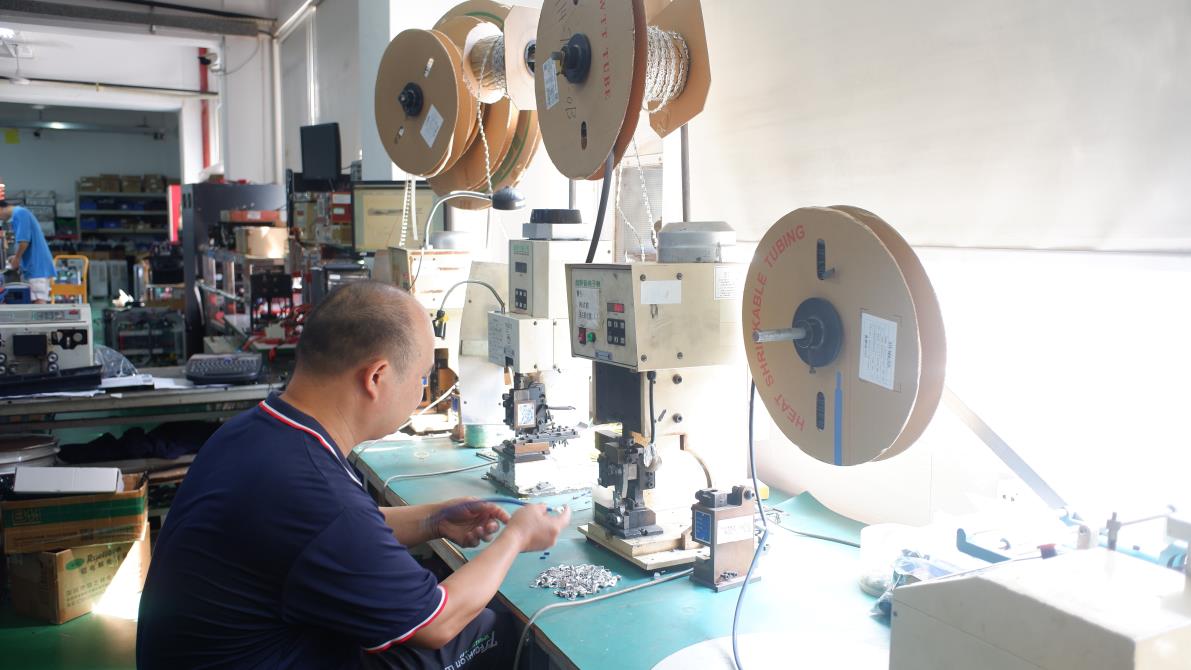
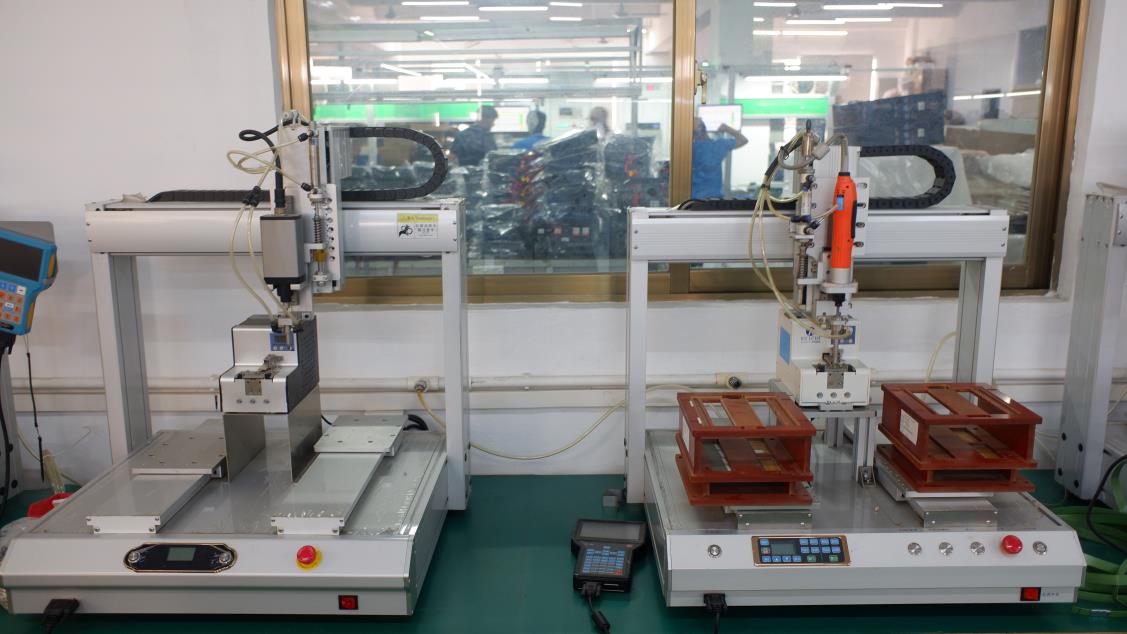
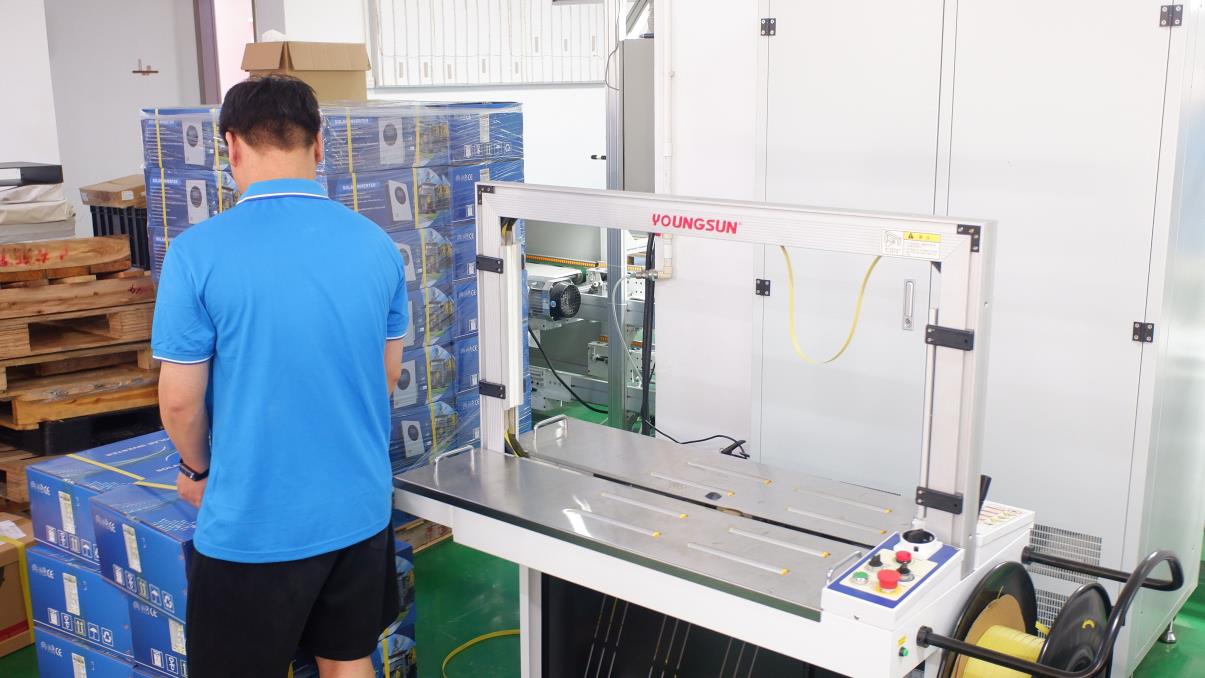
In addition to its headquarters in Shenzhen, Yde Power operates a modern ISO9001-certified manufacturing facility in Jiangxi Province, equipped with advanced automated production lines and stringent quality control systems. The company also maintains a dedicated R&D center in Shenzhen, focusing on continuous innovation in battery management systems (BMS), system integration, and intelligent energy optimization technologies.
Shenzhen Yde Power Co., Ltd. is committed to the development of efficient, safe, and environmentally friendly energy storage solutions. Its product portfolio includes residential battery storage systems, commercial and industrial energy storage cabinets, and scalable utility-grade ESS solutions designed to support grid stability, renewable energy integration, and peak shaving applications.
With the expansion of its Jiangxi manufacturing base, the company has significantly enhanced its production capacity, supply chain efficiency, and product diversity. This enables Yde Power to respond quickly to global customer demands while maintaining high standards of reliability and performance.
Driven by innovation and sustainability, Shenzhen Yde Power Co., Ltd. continuously invests in new technologies, intelligent manufacturing processes, and international quality certifications. The company aims to become a trusted global partner in the energy storage industry, contributing to a cleaner and more sustainable energy future.
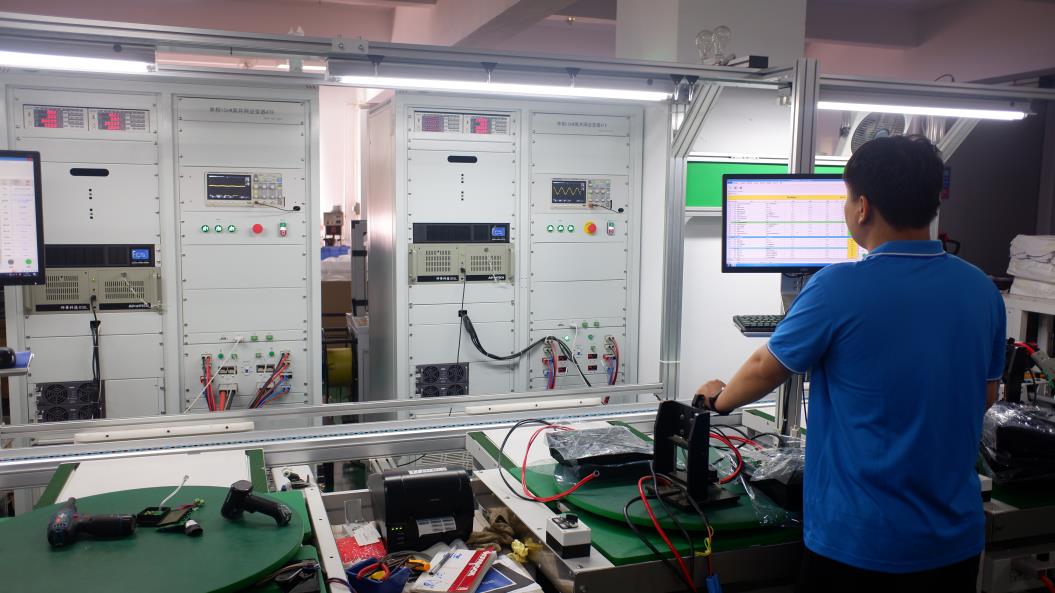
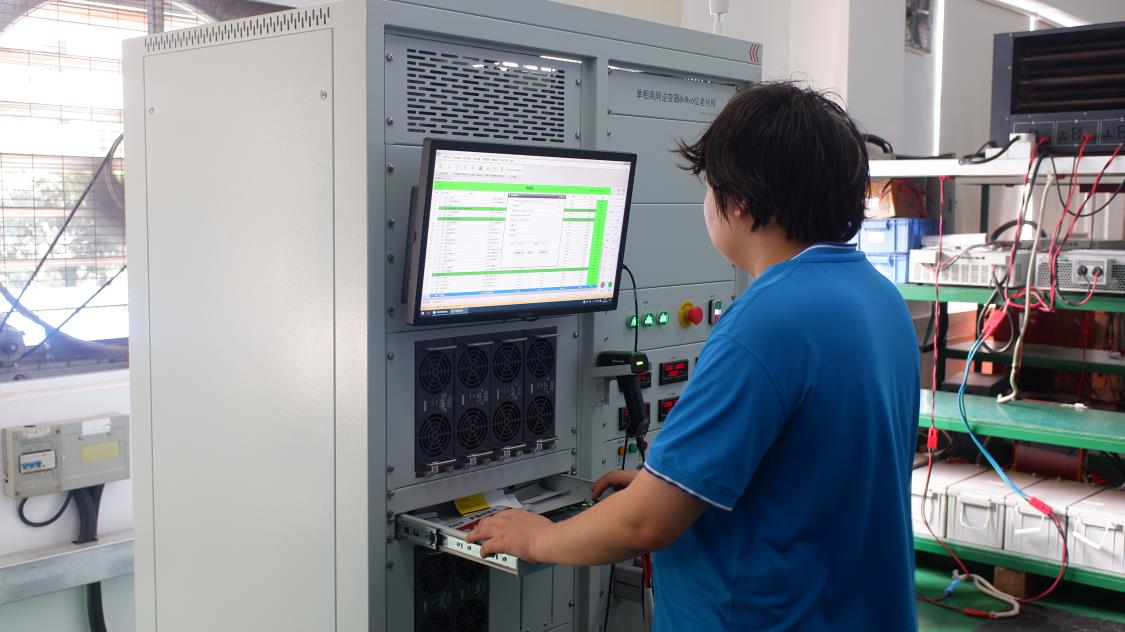
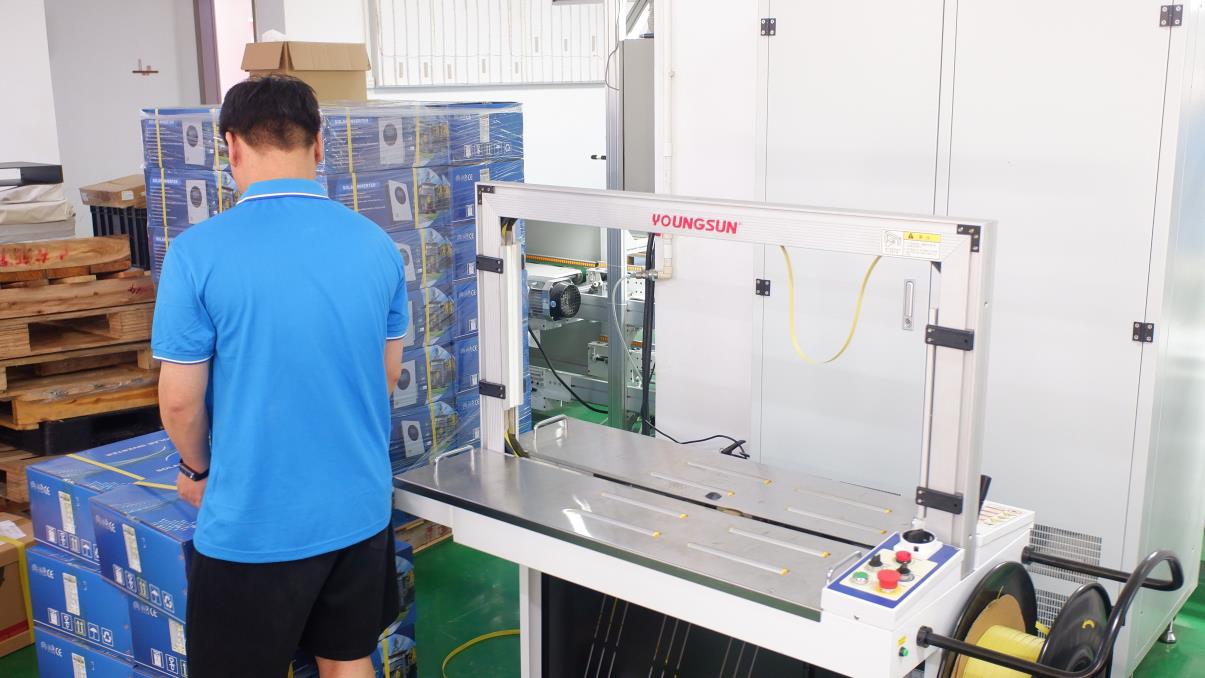
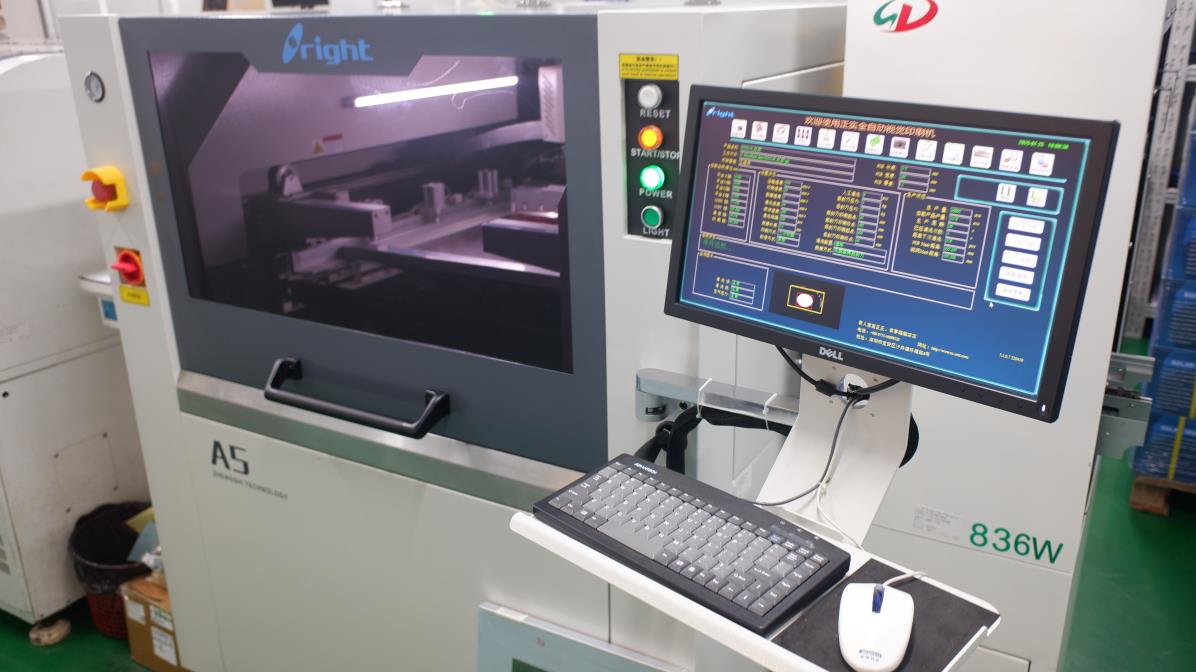
Take an inside look at Yde Power's advanced production environment, illustrating our step-by-step manufacturing and quality control workflows.
For global EPC contractors, energy project developers, and wholesale distributors, sourcing off-grid solar inverters involves assessing more than just the initial price tag. Total Cost of Ownership (TCO) is determined by long-term durability and system integration efficiency.
Assess the origin of internal magnetic components (transformers/chokes), capacitors (rated for 105°C lifespans), and switching transistors. High-quality components reduce the risk of early system failures.
Verify whether the supplier's engineering team can customize charging curves, control loops, and Modbus registers to integrate smoothly with proprietary Battery Management Systems (BMS).
Look for manufacturers with established logistics partnerships, close proximity to major ports (such as Shenzhen/Guangzhou), and warehouses in key markets (like the EU) to minimize shipping times.
Compliance with regional standards is essential for legal installation, insurance eligibility, and grid safety approval. Ensure your supplier holds the necessary certifications for your target market.
Required Standards:
Ensures anti-islanding protection and safety compliance for North American grids.
Required Standards:
Mandatory for grid connection, electromagnetic compatibility, and safety across EU member states.
Required Standards:
Required for CEC listing, enabling participation in government rebate schemes.
Required Standards:
The international baseline standard evaluating shock, mechanical, and thermal hazards in power converters.
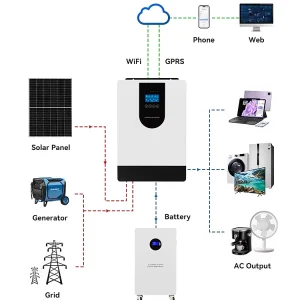
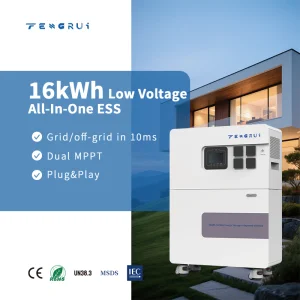
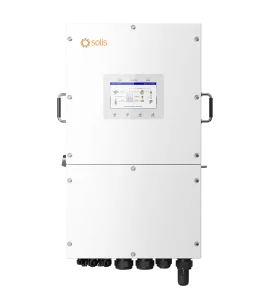
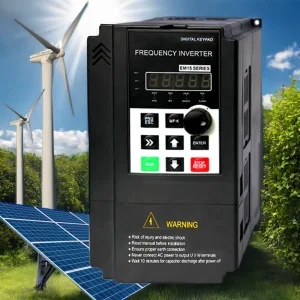
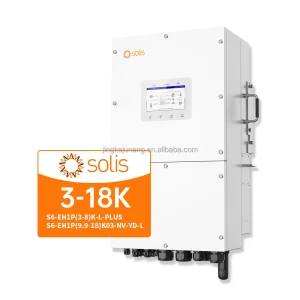
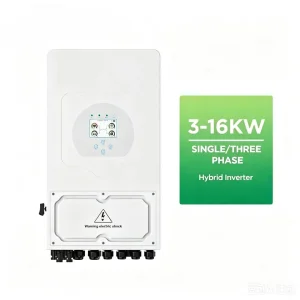
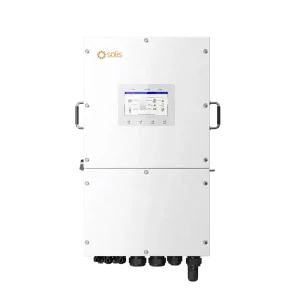
Review our complete high-capacity product line, built to support complex off-grid and grid-forming installations.
Answers to technical and strategic sourcing questions to help you make informed procurement decisions.
 Yde Power