Premium selection of residential hybrid inverters, motor speed controllers, and complete solar storage systems direct from China's primary manufacturing hub.
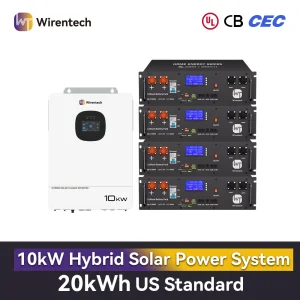
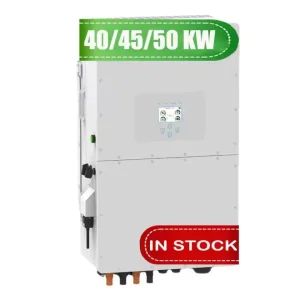
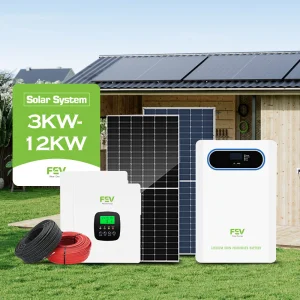
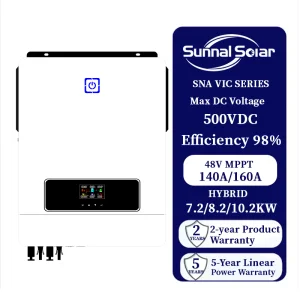
Company Profile – Shenzhen Yde Power Co., Ltd.
Shenzhen Yde Power Co., Ltd. is a professional manufacturer specializing in residential, commercial, and industrial energy storage systems (ESS). Headquartered in Shenzhen, China, the company integrates research and development, production, sales, and service to deliver comprehensive clean energy solutions to global markets.
In addition to its headquarters in Shenzhen, Yde Power operates a modern ISO9001-certified manufacturing facility in Jiangxi Province, equipped with advanced automated production lines and stringent quality control systems. The company also maintains a dedicated R&D center in Shenzhen, focusing on continuous innovation in battery management systems (BMS), system integration, and intelligent energy optimization technologies.
Shenzhen Yde Power Co., Ltd. is committed to the development of efficient, safe, and environmentally friendly energy storage solutions. Its product portfolio includes residential battery storage systems, commercial and industrial energy storage cabinets, and scalable utility-grade ESS solutions designed to support grid stability, renewable energy integration, and peak shaving applications.
With the expansion of its Jiangxi manufacturing base, the company has significantly enhanced its production capacity, supply chain efficiency, and product diversity. This enables Yde Power to respond quickly to global customer demands while maintaining high standards of reliability and performance.
Driven by innovation and sustainability, Shenzhen Yde Power Co., Ltd. continuously invests in new technologies, intelligent manufacturing processes, and international quality certifications. The company aims to become a trusted global partner in the energy storage industry, contributing to a cleaner and more sustainable energy future.
Empowering the decentralized grid with wide-bandgap semiconductors, intelligent thermal topologies, and AI-enabled grid forming algorithms.
By transitioning from traditional silicon IGBTs to advanced Silicon Carbide (SiC) MOSFETs, our residential rooftop inverters reduce switching losses by up to 60%. This results in significantly smaller heat sinks, higher power density, and continuous high-efficiency operation even in ambient temperatures up to 60°C.
Future energy landscapes rely on Virtual Power Plants (VPPs). Our digital architecture supports real-time telemetry, dynamic active/reactive power control, and sub-100ms frequency response interfaces, allowing local communities to cluster rooftop solar assets and participate in utility frequency regulation markets.
Utilizing proprietary software layers, our hybrid solar inverters adapt charge/discharge behaviors dynamically depending on local energy tariffs, weather predictions, and real-time load profiles, minimizing lithium degradation rates and improving overall cycle lifetime by up to 20%.
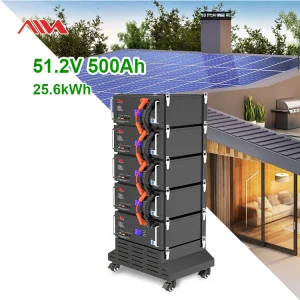
At Shenzhen Yde Power Co., Ltd., our engineering roadmap focuses on integrating advanced thermal pathways with intelligent control software. The deployment of high-voltage battery integration schemes (51.2V up to 500V systems) reduces current requirements and limits conduction losses. This allows us to supply systems that optimize energy harvesting from asymmetric roof layouts using multi-channel, wide-voltage MPPT tracking algorithms.
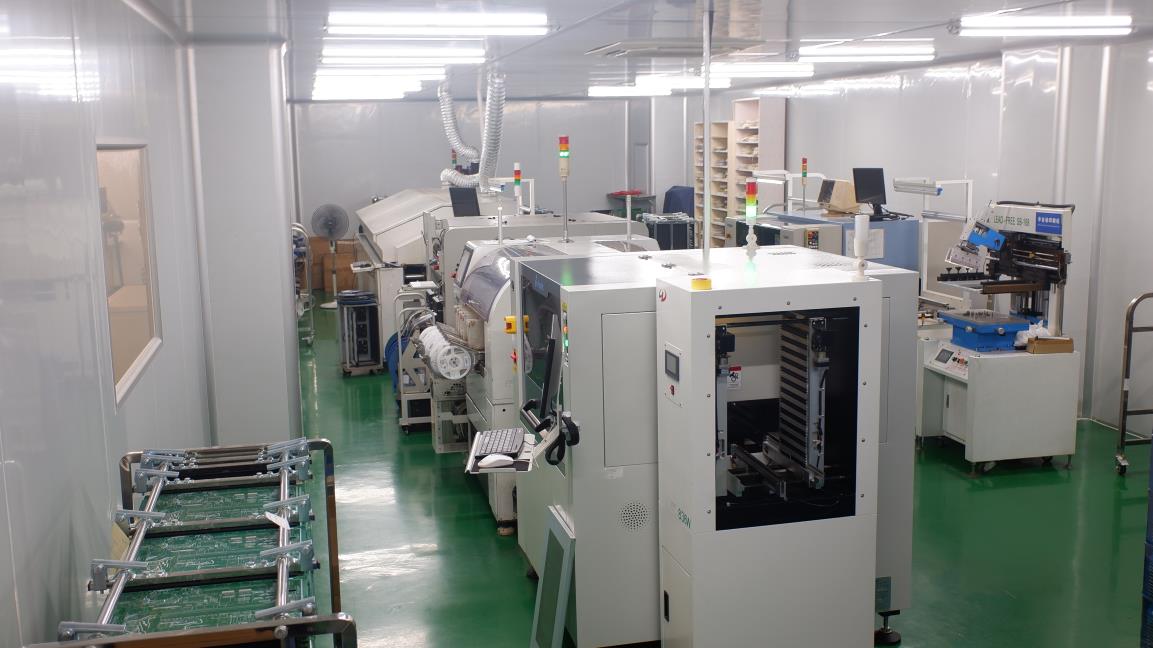
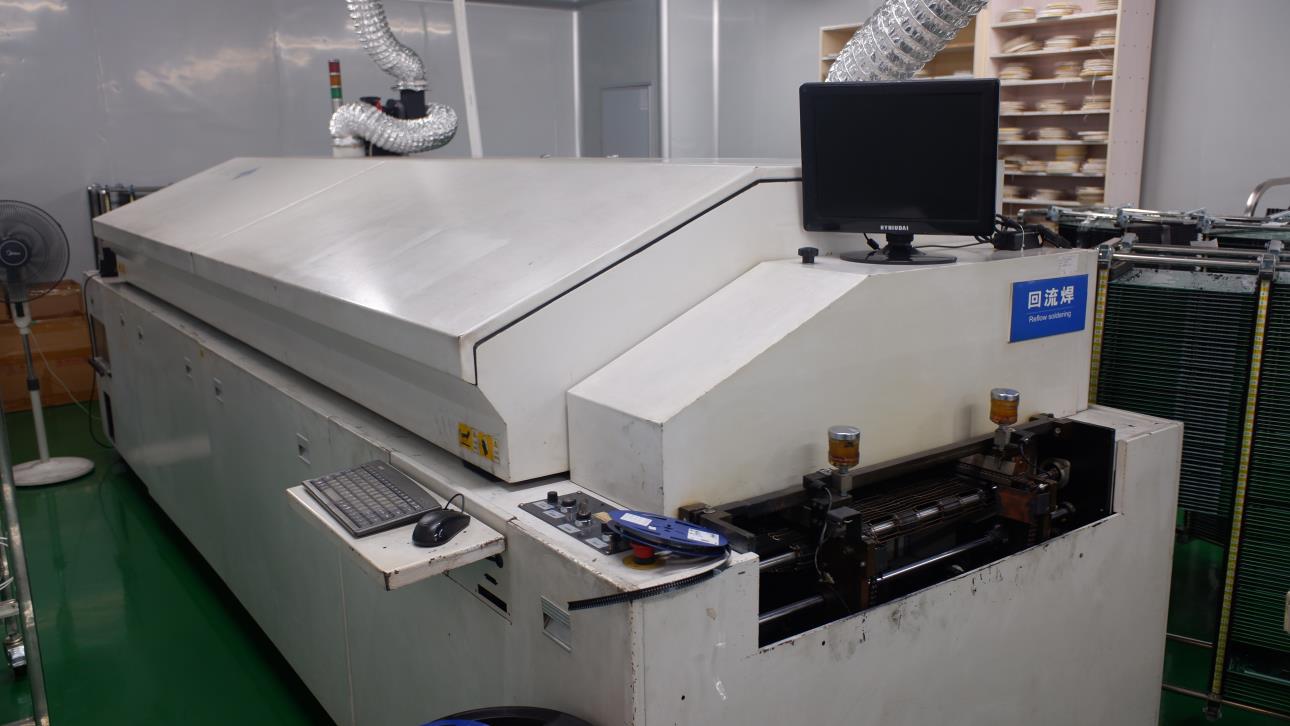
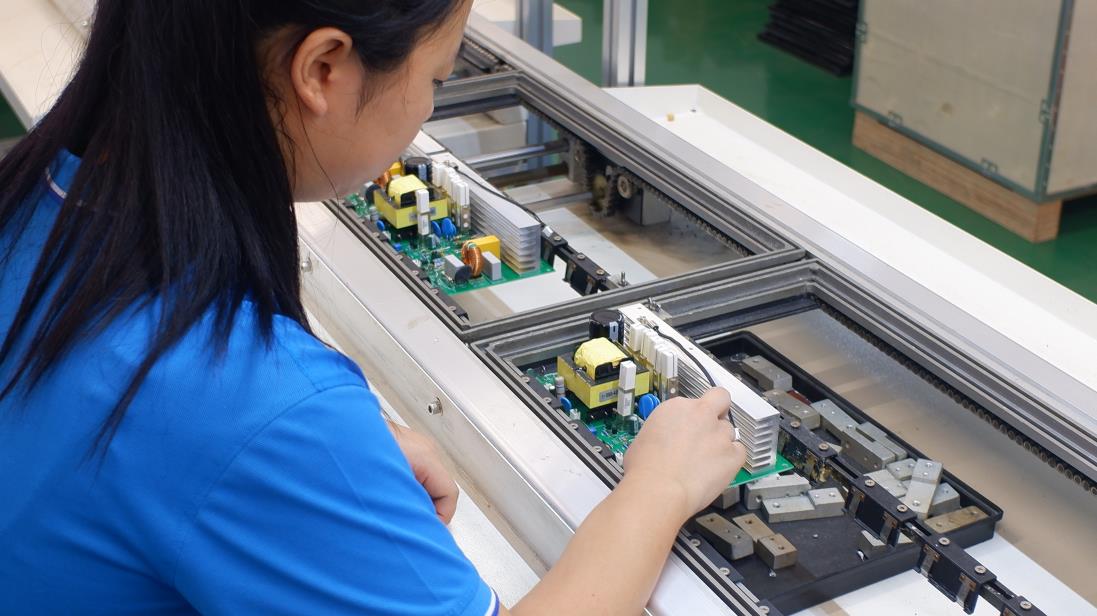
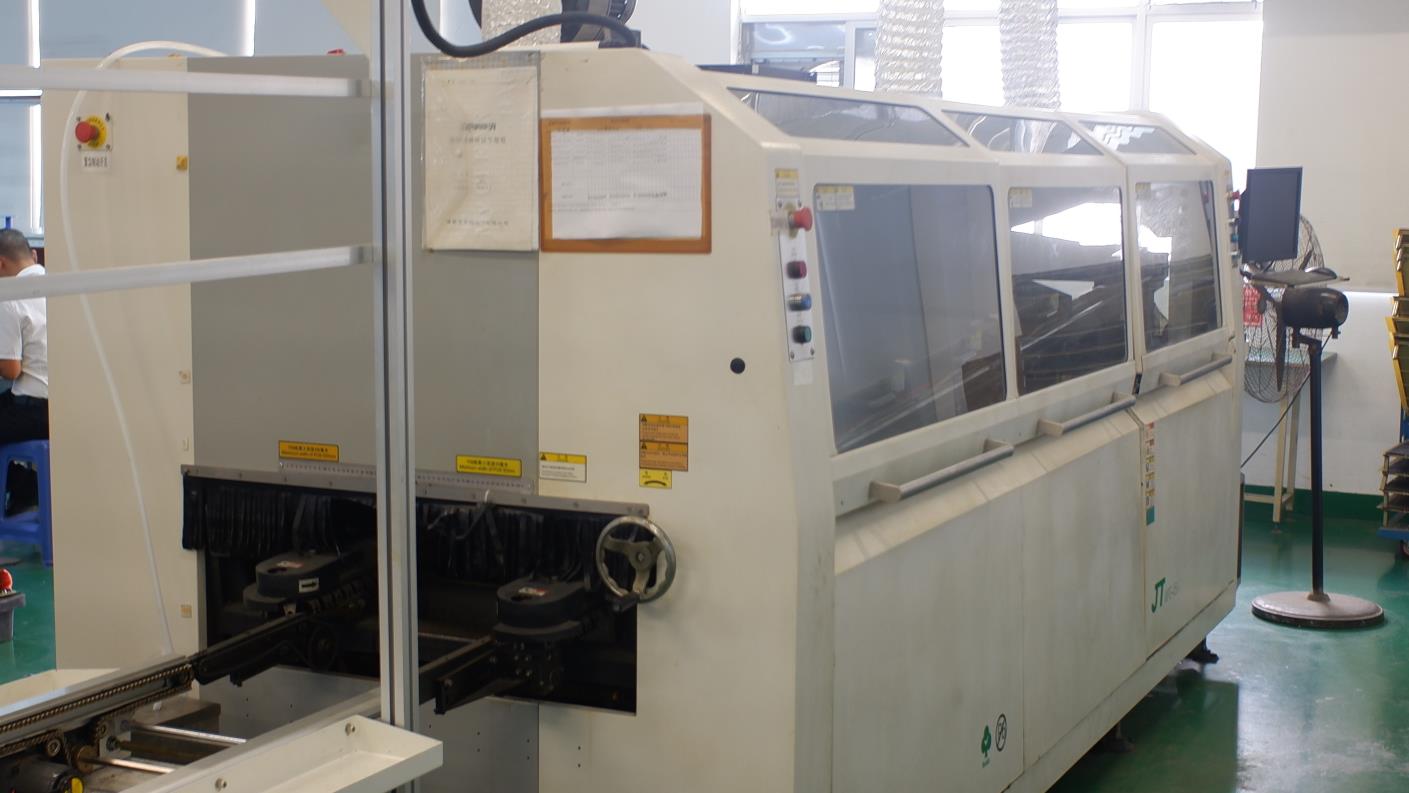
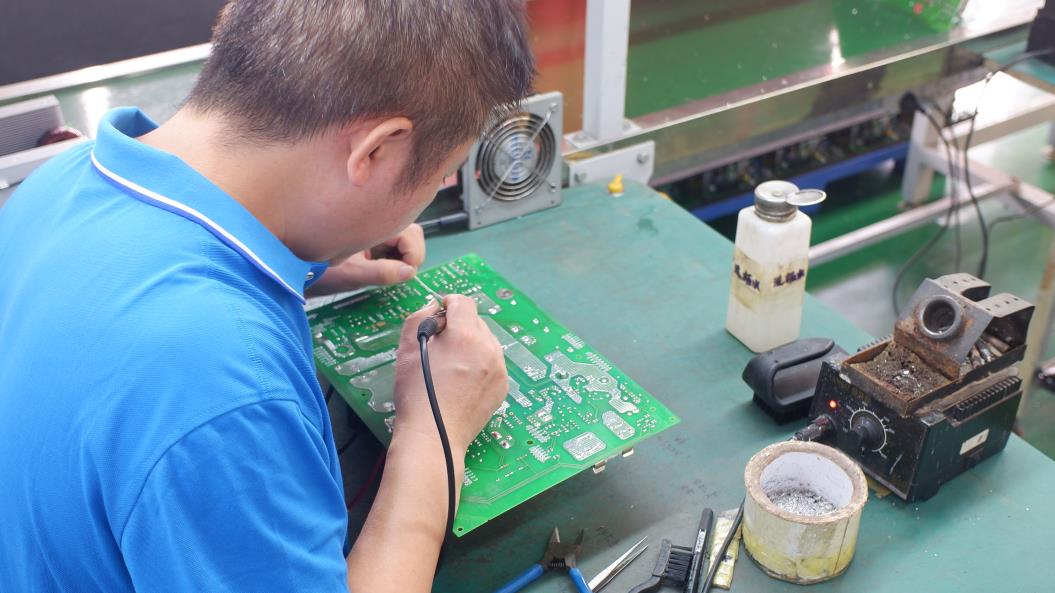
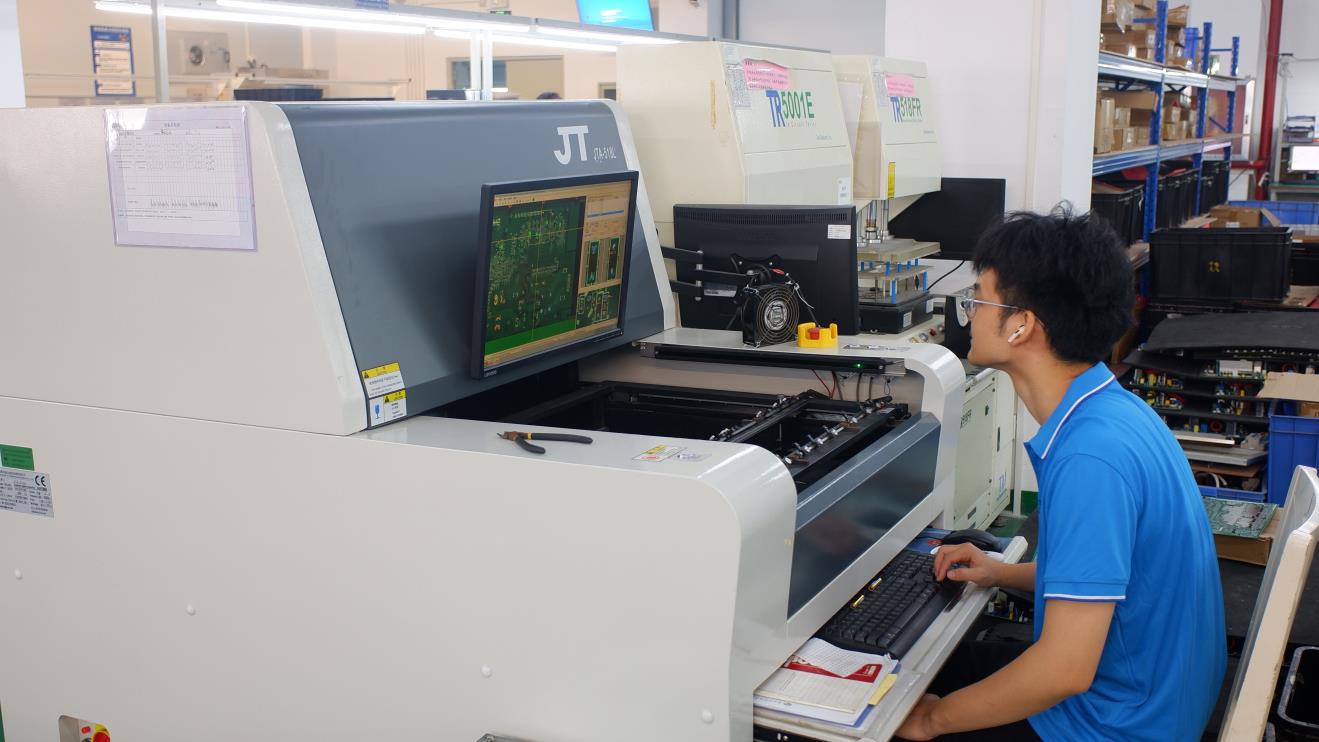
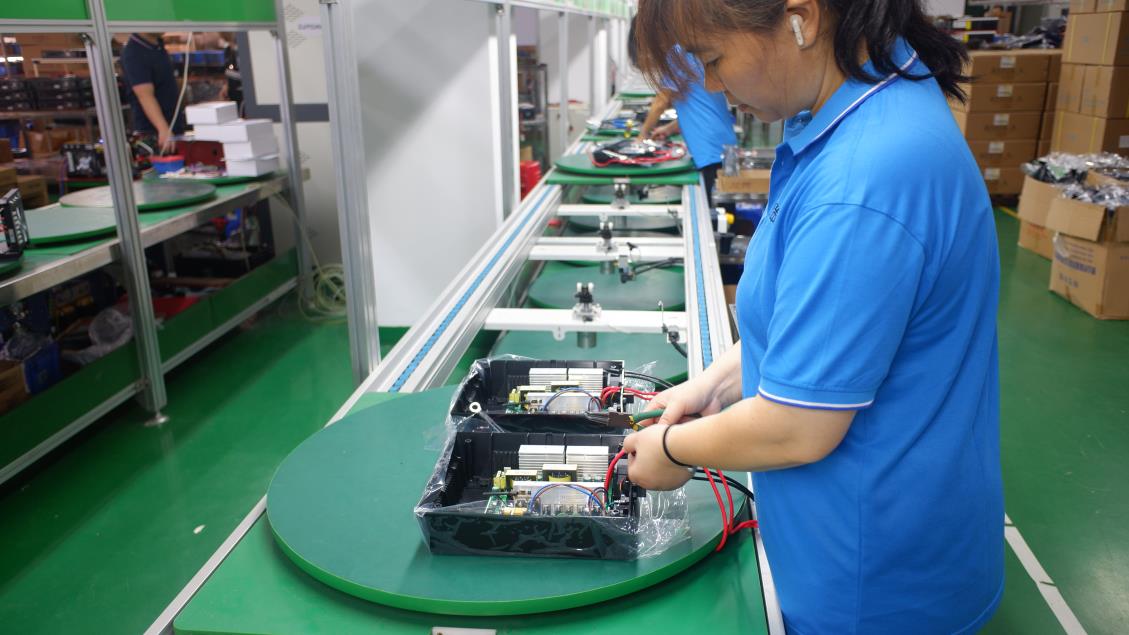
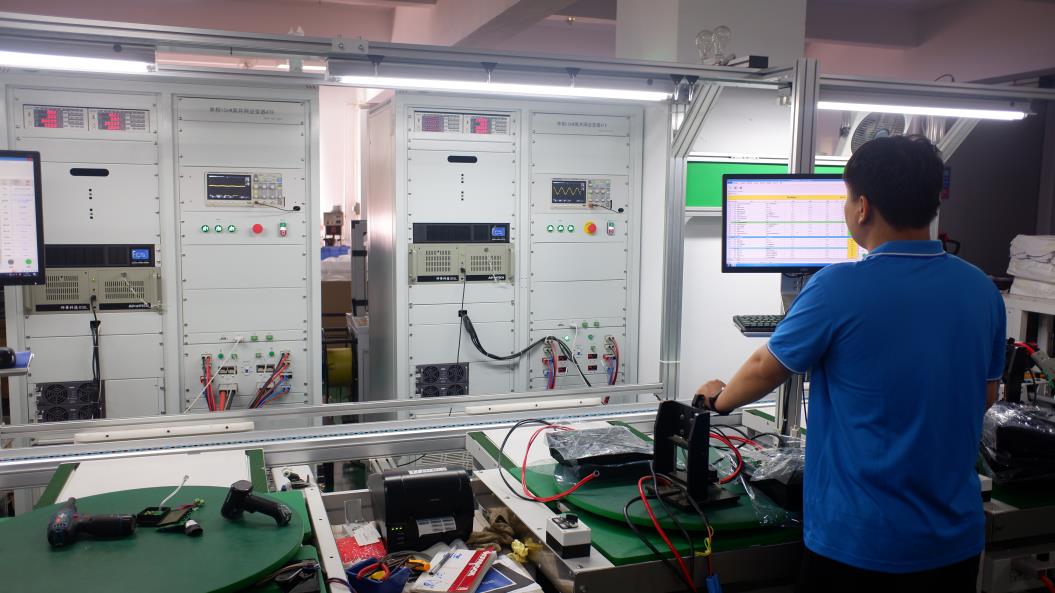
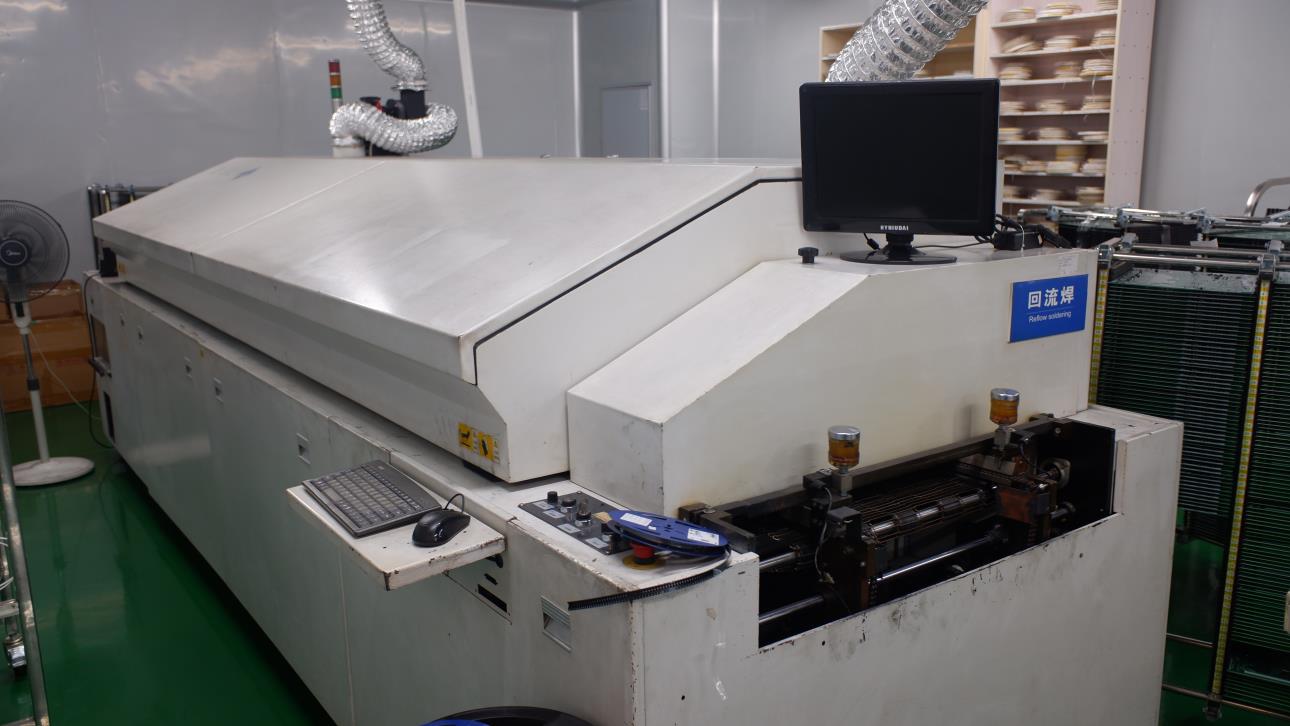
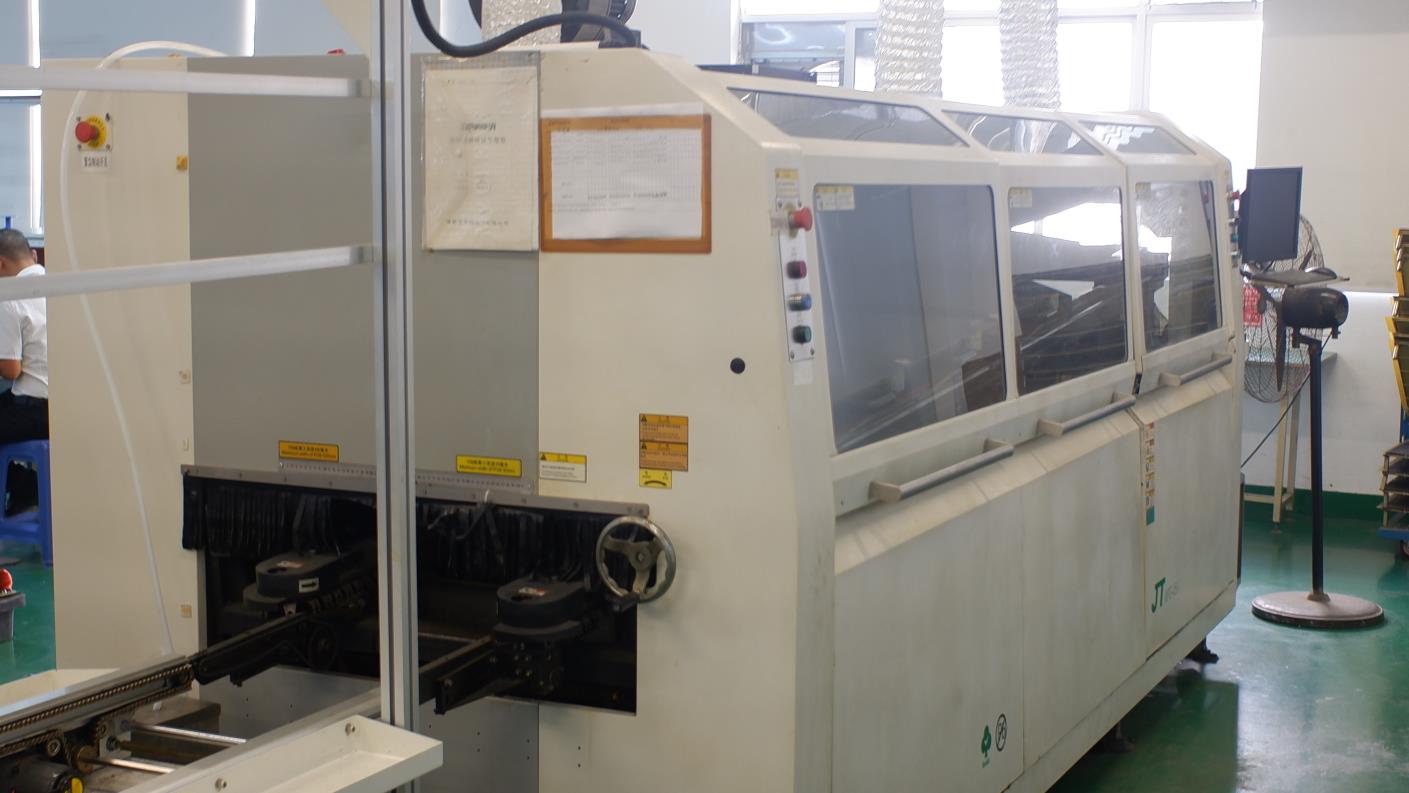
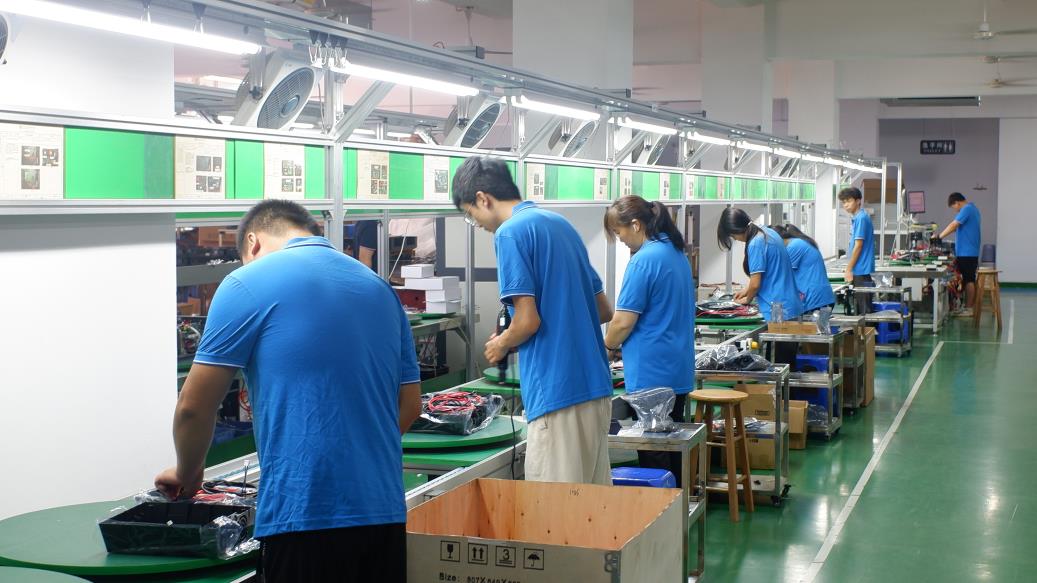
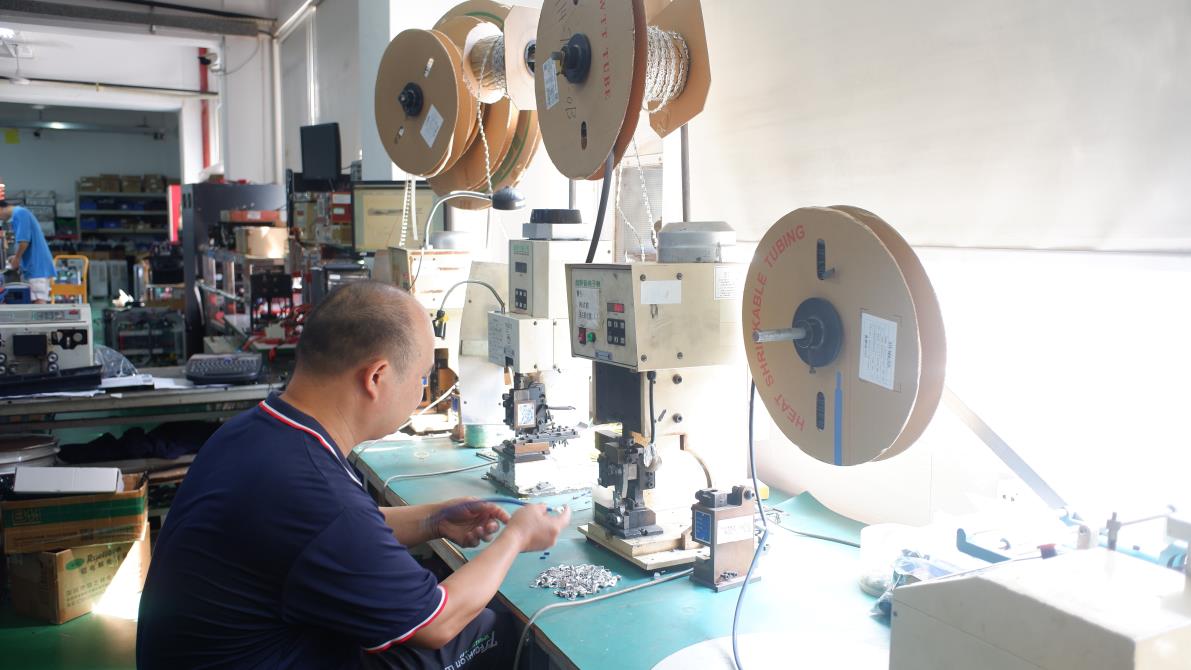
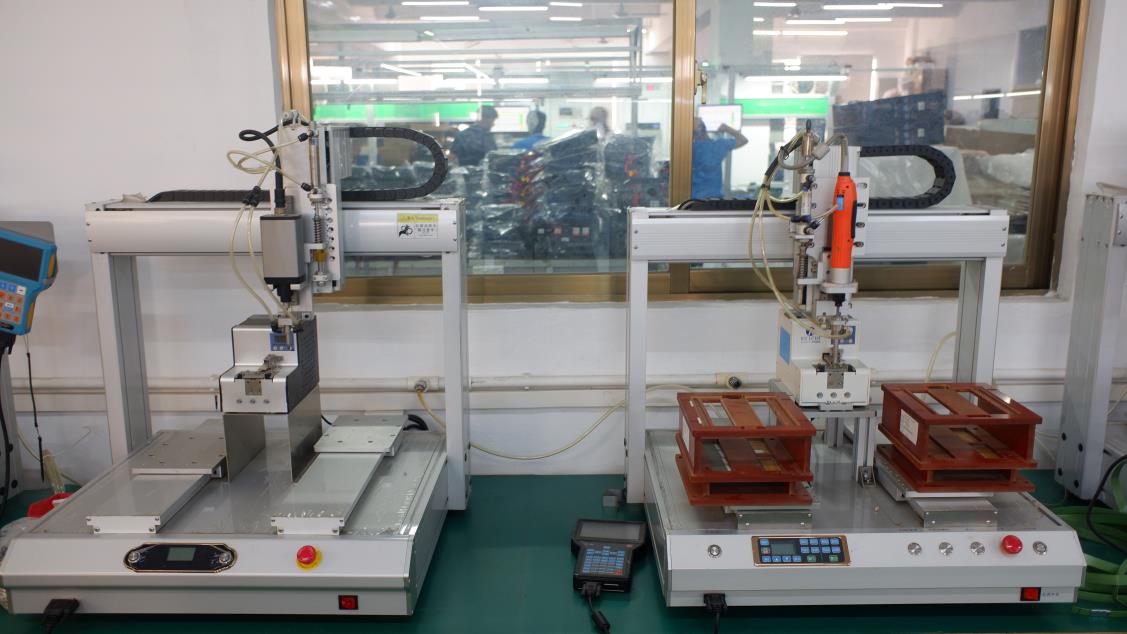
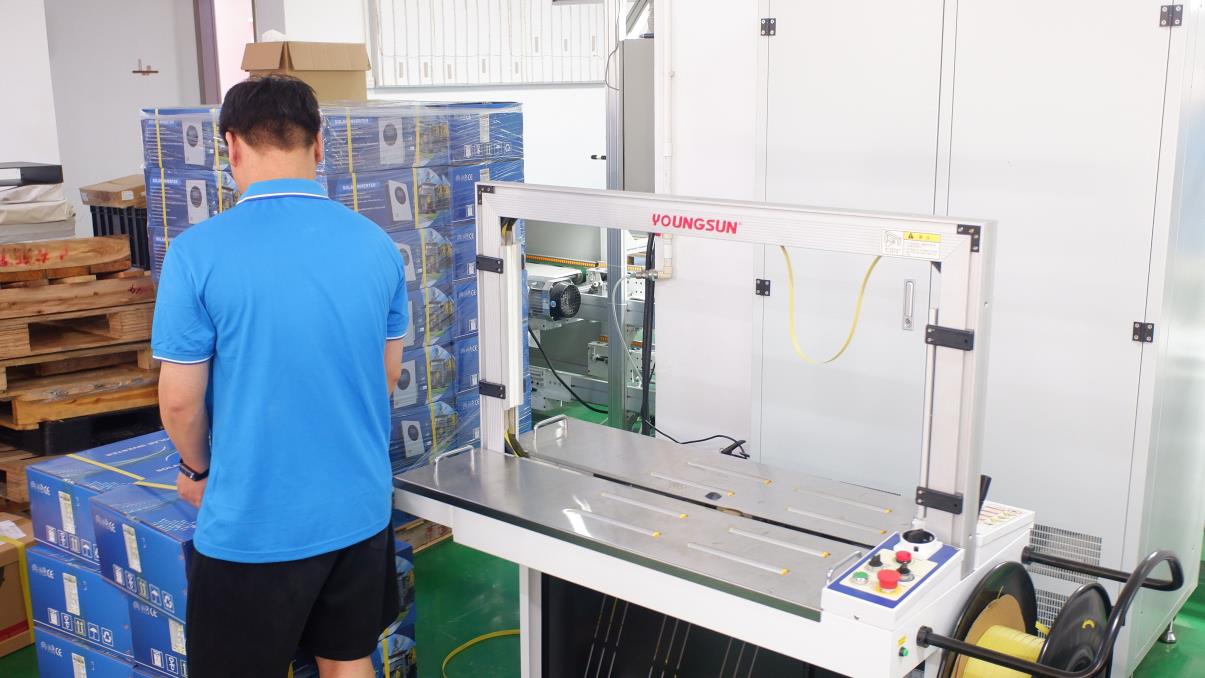
Step inside our Jiangxi manufacturing base to witness the automated production processes that guarantee zero-defect product runs for global exporters.
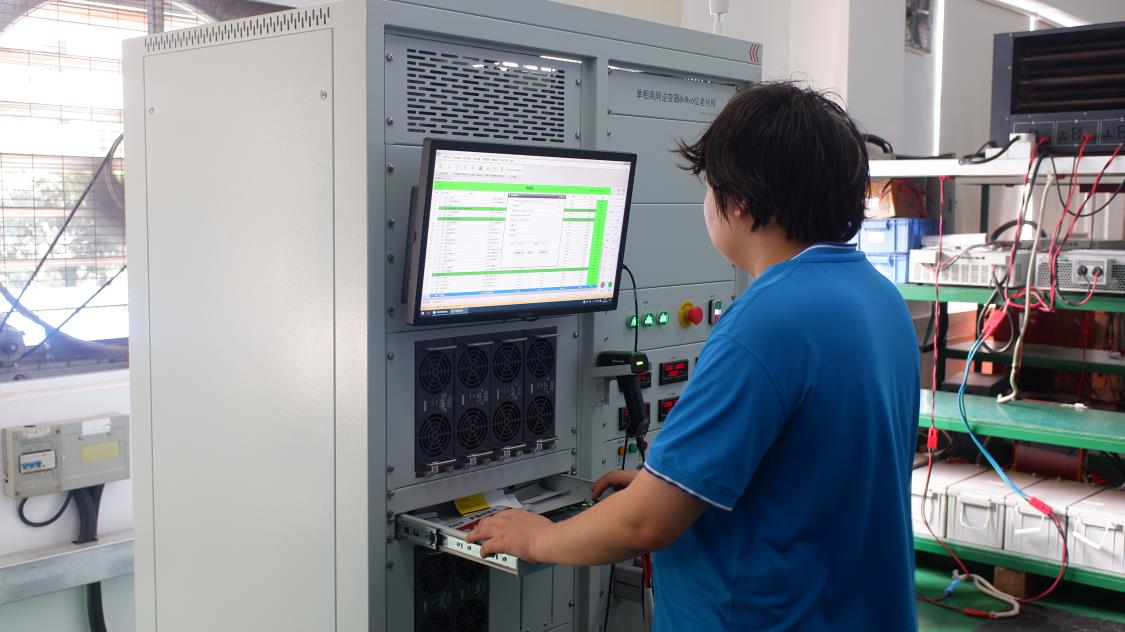
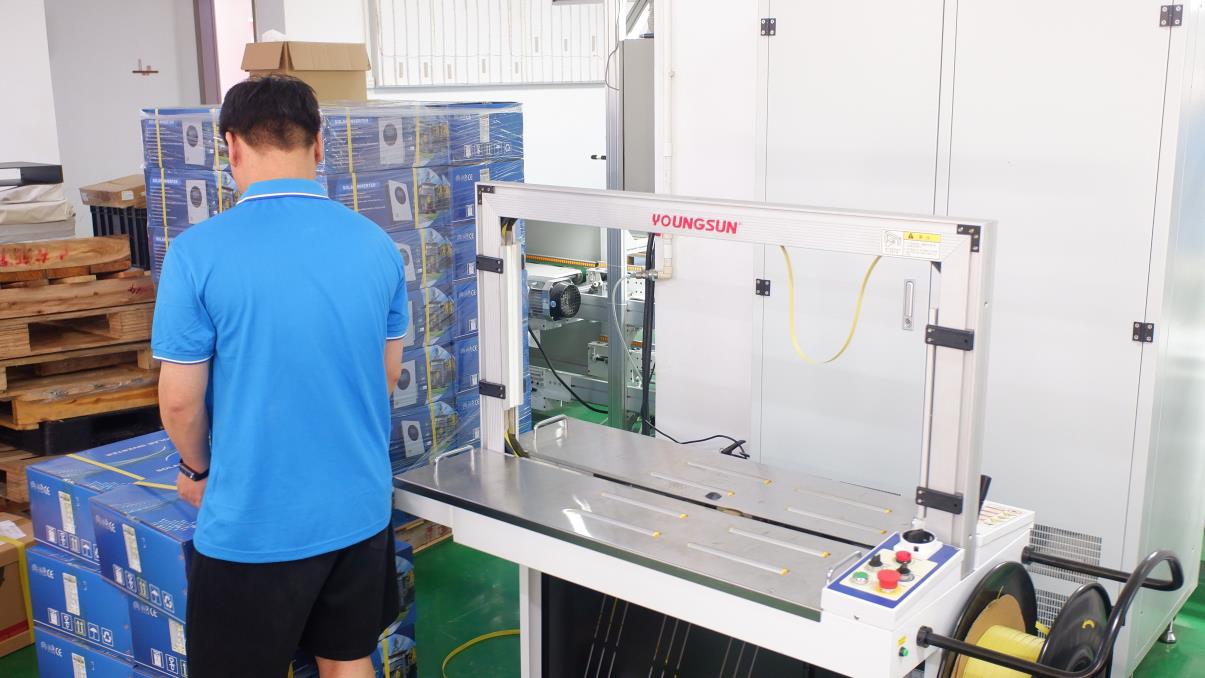
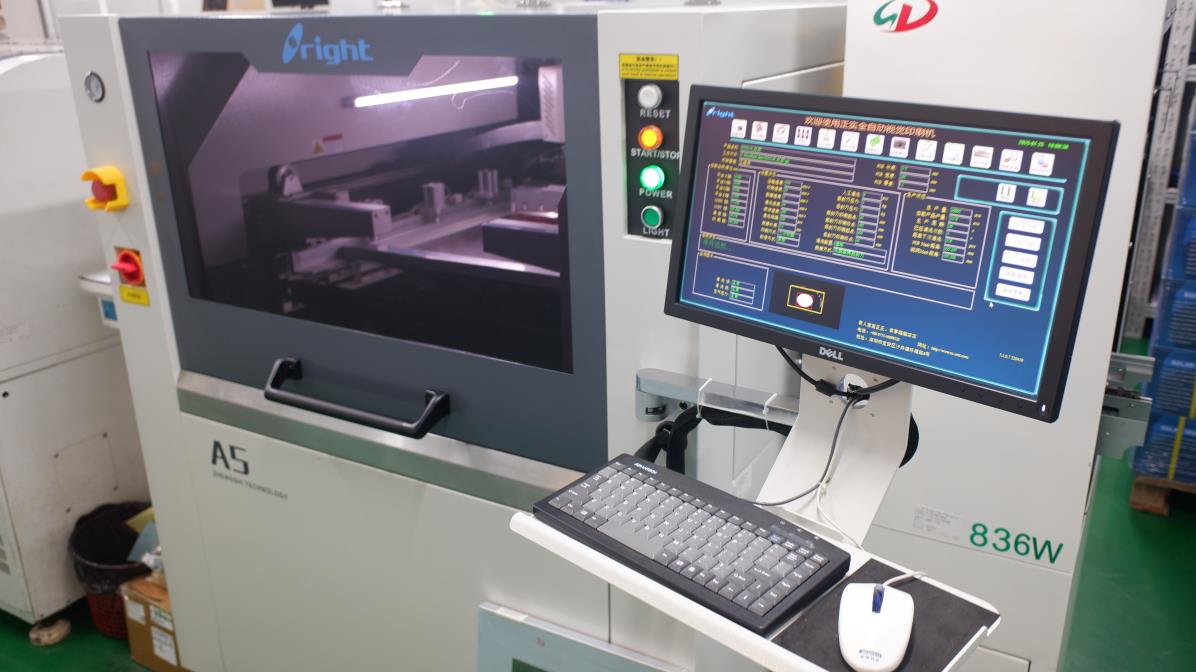
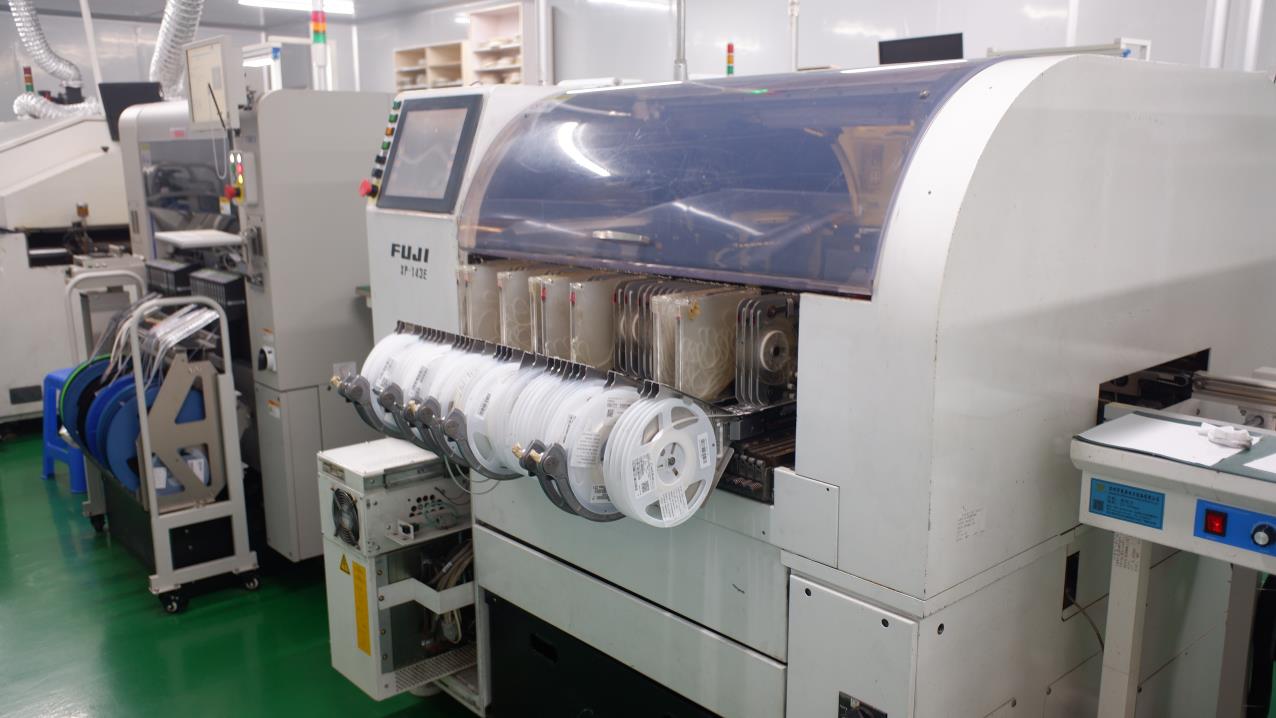
Our modern ISO9001-certified factory in Jiangxi Province acts as the engine of our competitiveness. By automating critical processes through SMT (Surface Mount Technology), automated wave soldering, and computerized diagnostic stations, Yde Power eliminates standard manual errors. This level of process repeatability ensures that every hybrid solar inverter leaving the assembly line matches the physical performance parameters designed and tested at our Shenzhen R&D facility.
How modern hybrid configurations adapt to diverse grids, agricultural water pumps, and local off-grid operations.
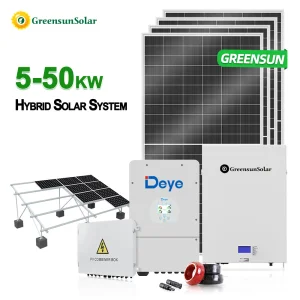
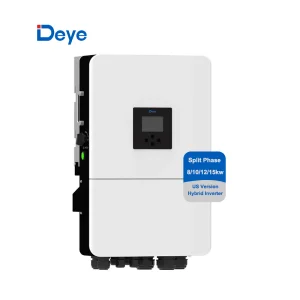
Rooftop solar installations are expanding beyond simple power displacement. In high-tariff commercial and industrial markets, our systems operate as smart active-shaving controllers. By feeding battery-derived storage energy to local building loops during highest tariff rates, businesses can lower demand charges significantly. Furthermore, because our inverters support certified high-voltage splits (such as Deye 12kw split-phase systems supporting 120V/240V simultaneously), they easily drop into North American structures without complex transformers.
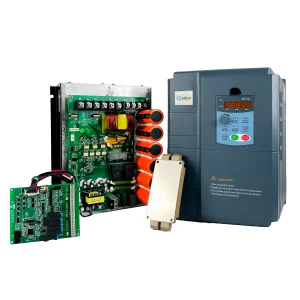
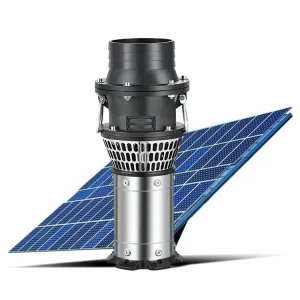
For remote applications, such as agricultural field irrigation or deep well extraction, simple grid-tied solar controllers fail. Our portfolio highlights VFD (Variable Frequency Drive) brushless pump controllers (e.g. 3KW to 30KW motor controllers). These specialized inverters run advanced MPPT algorithms that continually adjust output frequency based on solar irradiance levels, keeping constant pressure lines optimized without requiring expensive battery storage arrays. This dual-use capability positions Yde Power as a holistic supplier of multi-scenario conversion technologies.
Securing project approval, grid-interconnection permissions, and long-term asset security in strict jurisdictions.
Entering complex markets like Germany, Australia, or the United States requires deep compliance and robust certification tracking. At Yde Power, our engineering teams ensure that critical exports carry necessary global certifications, including UL1973, UL9540A (fire propagation safety), CE, and regional grid certifications (VDE-AR-N 4105, AS4777.2, and G99).
For EPC contractors and wholesale distributors, securing international compliance is non-negotiable for project finance. The table below represents how we customize solar inverter designs to fit local grid topologies and supply chains:
| Target Market | Grid Compliance | Battery Standards | Key Features Supplied |
|---|---|---|---|
| North America | IEEE 1547.1, UL 1741 SB | UL 1973, UL 9540A | Split phase 120/240V, rapid shutdown integration |
| Europe / UK | EN 50549-1, VDE-AR-N 4105 | CE, IEC 62619 | Three-phase high voltage compatibility, active grid support |
| APAC / LatAm | AS/NZS 4777.2, Regional codes | IEC 62619, UN38.3 | Water-pump VFD profiles, IP65 protection for high humidity |
Furthermore, our USA stock program facilitates faster project deployments by reducing lead times from months to days. Combined with local warehouse operations, we provide OEM/ODM customization services to adapt communication protocols (CAN, Modbus, RS485) directly to proprietary EMS control networks.
Clear, precise technical explanations addressing top search queries from solar engineers, installers, and procurement specialists.
Explore our complete lines of hybrid controllers, agricultural pumps, and integrated high-voltage backup arrays.
 Yde Power