As renewable energy becomes more mainstream, many homeowners seek ways to enhance their energy use. A grid-tied solar system provides benefits such as reduced electricity bills but lacks energy storage capabilities. Understanding how to upgrade an existing grid-tied system to a hybrid system is crucial for maximizing efficiency and resilience. According to a report by the International Renewable Energy Agency (IRENA), hybrid systems can improve energy self-sufficiency by over 30%.
Adopting a hybrid system allows users to store excess energy generated during sunny days. This energy can be used during outages or at night. The U.S. Department of Energy has highlighted a trend: the market for energy storage systems is expected to grow significantly, with projections of a compound annual growth rate (CAGR) of 24%. However, challenges remain. The complexity of installation, costs, and maintenance can deter potential upgrades.
Upgrading your grid-tied system is not without its pitfalls. Knowledge gaps and technical misunderstandings can lead to suboptimal setups. It's essential to engage with reliable professionals and conduct thorough research. Recognizing what aspects require evaluation can enhance decision-making, ensuring a seamless transition to a hybrid system.
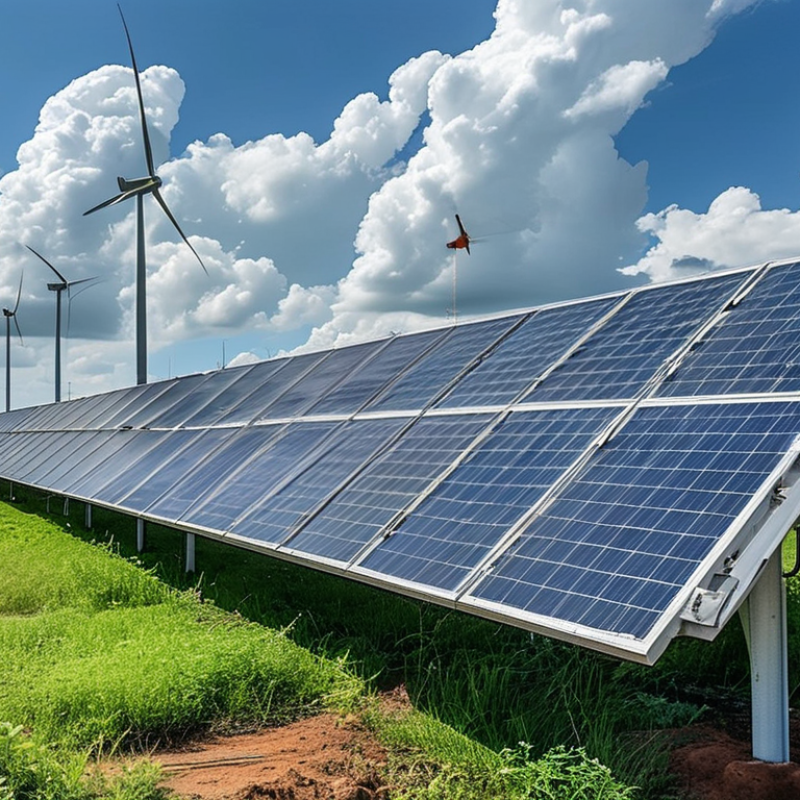
Assessing the performance of your grid-tied solar system is crucial before upgrading to a hybrid system. Start by monitoring energy production. Analyze your solar production data over the past year. Look for patterns in output throughout different seasons. This data will help you identify any inefficiencies in your current setup.
It's important to check your energy consumption as well. Compare your usage with the energy generated by your solar system. Understand if your consumption patterns affect system performance. Some homeowners may find they are not fully utilizing their solar energy. This could result in wasted potential energy.
Regularly examining the condition of your solar panels and inverter is essential. Look for physical wear or damage. Dust and debris can significantly affect energy production. Clean your panels periodically. Additionally, consider having a professional inspection. This step can offer insight into unseen performance issues and guide your upgrade decisions.
Hybrid energy systems combine renewable sources with traditional grid power. Understanding their components is essential for effective use. A key part is the battery storage system. This stores excess energy produced during the day. At night, or during low production periods, you can rely on stored energy. This reduces your dependency on grid power.
Another critical component is the inverter. It converts the direct current from solar panels to alternating current for home use. Some inverters also manage battery charging. This optimization is crucial for maintaining system efficiency. Monitoring systems provide real-time data. They help track energy production and consumption. Regular assessment allows users to identify potential issues early.
While hybrid systems offer many benefits, they require careful planning. Not all homes suit a hybrid upgrade. Space for battery storage might be limited. Local regulations can also impact installation. Understanding these challenges is vital. Each element in a hybrid system must work harmoniously. Small mismatches can lead to inefficiencies. Evaluate your needs thoroughly before making a transition.
Upgrading your grid-tied solar system to a hybrid one requires a clear understanding of your energy needs. Start by evaluating your current energy consumption patterns. Review your electricity bills over the past year. Identify peak usage times and seasons. This data will help you gauge how much energy you actually use and when.
Consider potential changes in your lifestyle as well. If you plan to add new devices or appliances, factor those into your assessments. Think about future upgrades. Will you be using more electric vehicles? More frequent air conditioning? This reflection will give you a more accurate baseline for your energy requirements.
Engage with professionals who can provide insight into hybrid systems. They often have practical experience that can shed light on common pitfalls. Discuss your findings with them. They might offer suggestions tailored to your specific needs and lifestyle. Remember, an upgrade isn’t just about adding batteries. It’s about enhancing how you interact with energy in your daily life.
Transitioning to a hybrid solar power system enhances energy flexibility and efficiency. Key technologies play a crucial role in this upgrade. Battery storage systems, for example, allow excess energy from solar panels to be stored for later use. According to the U.S. Energy Information Administration (EIA), battery storage can increase energy reliability, particularly during peak demand periods.
Inverter technology also significantly impacts hybrid systems. Advanced inverters can manage solar and grid power seamlessly. They respond to changes in energy demand or generation in real-time. As per the National Renewable Energy Laboratory (NREL), inverter upgrades can boost efficiency by up to 25%. This means businesses and homes can operate more efficiently.
When upgrading to a hybrid system, choosing the right equipment is essential. Quality batteries and inverters ensure optimal performance. Regular maintenance is necessary to prevent inefficiencies. Monitoring systems provide real-time data on energy production and consumption, allowing for better management. Keep in mind that energy markets can fluctuate. This means additional market research is beneficial for long-term gains.
| Technology/Equipment | Description | Benefits | Cost Range |
|---|---|---|---|
| Batteries | Storage systems that store excess energy for later use. | Enhanced energy independence, backup power during outages. | $5,000 - $15,000 |
| Inverters | Converts DC power from solar panels or batteries to AC power. | Improved efficiency, smart grid capabilities. | $1,000 - $3,000 |
| Energy Management Systems | Software that optimizes energy consumption and storage. | Cost savings, real-time monitoring, and control. | $500 - $2,000 |
| Grid-Tie Components | Components that allow for connecting to grid supply. | Seamless integration with grid systems. | $300 - $1,200 |
| Solar Panels | Photovoltaic panels that convert sunlight into electricity. | Renewable energy generation, low operating costs. | $10,000 - $30,000 (for a full system) |
Upgrading from a grid-tied system to a hybrid system brings financial considerations to the forefront. Hybrid systems allow for greater energy independence and backup during outages. The initial costs can be substantial, including purchasing batteries and inverters. However, it's crucial to weigh these upfront costs against potential savings on your energy bills. A well-implemented hybrid system can reduce reliance on the grid, leading to lower monthly expenses over time.
Analyzing the long-term benefits is key to understanding the overall value. While upfront costs may seem steep, incentives and tax credits can offset some expenses. You'll want to consider how energy prices might rise in the future. Locking in your energy costs today can provide significant savings later. Energy efficiency improvements enhance the overall value of your investment, making a hybrid system even more appealing.
Evaluate your energy usage before upgrading. Understanding your consumption patterns helps in selecting the right battery size and capacity. Think about your lifestyle and whether you often experience power outages. A hybrid system may be beneficial for you. Consult with an energy specialist to make informed decisions. Their expertise can guide you through the complexities of the upgrade process. Do thorough research, and consider the long-term impact on your finances.
: Monitor energy production over the past year. Analyze seasonal output patterns for inefficiencies.
Compare your usage with generated energy. Identify any patterns that may lead to wasted potential energy.
Regularly check for wear or damage. Clean panels to prevent dust from affecting energy production.
Review your energy consumption. Look at electricity bills to identify peak usage times throughout the year.
Consider future appliances or devices. Anticipate new energy demands like electric vehicles or increased cooling needs.
Professionals can provide practical experience. They highlight common pitfalls and tailor suggestions to your needs.
Initial costs are high but can lead to savings. Weigh upfront expenses against potential monthly bill reductions.
Yes, future energy price increases may lead to significant savings. Today's investment can yield long-term benefits.
It's essential for selecting the right battery size. Awareness helps in making informed and effective decisions.
They guide you through complexities and offer insights. Their expertise can simplify the decision-making process.
Upgrading an existing grid tied system to a hybrid system involves several key steps to ensure a seamless transition and maximized energy efficiency. First, it's crucial to assess the current performance of your grid tied system, which includes evaluating its energy production and consumption patterns. Understanding the fundamental components and functionalities of hybrid systems is essential, as it helps to identify what additional technologies may be required for integration.
Next, you need to evaluate your specific energy needs, which will inform the size and scale of the upgrade. Identifying key technologies and equipment necessary for this transition, such as battery storage and inverters, will also play a pivotal role in the upgrade process. Finally, conducting a cost-benefit analysis allows you to weigh the financial implications of upgrading to a hybrid system against potential savings and performance improvements. By following these steps, you can effectively learn how to upgrade an existing grid tied system to a hybrid system, positioning yourself for greater energy independence and efficiency.

Yde Power