Solar pumps are becoming a popular choice for sustainable water supply. However, they can face DC input voltage problems in inverters. This issue can hinder performance and lead to inefficiencies. Understanding how to troubleshoot DC input voltage problems in solar pump inverters is crucial for maintaining operational efficiency.
When voltage issues arise, it’s important to check connections. Loose or corroded connections can disrupt the power flow and cause fluctuations. Additionally, assessing solar panels for dirt and damage is essential. Blocked sunlight diminishes voltage output significantly. In some cases, the inverter itself may be faulty, so testing the inverter is necessary.
Reliable troubleshooting requires a systematic approach. Accurate measurements are vital for identifying the source of the problem. Using a multimeter can help track down voltage inconsistencies. Remember, resolving these issues often needs careful attention to detail and ongoing monitoring. Ensuring your solar pump system runs effectively demands a proactive mindset and regular maintenance checks.
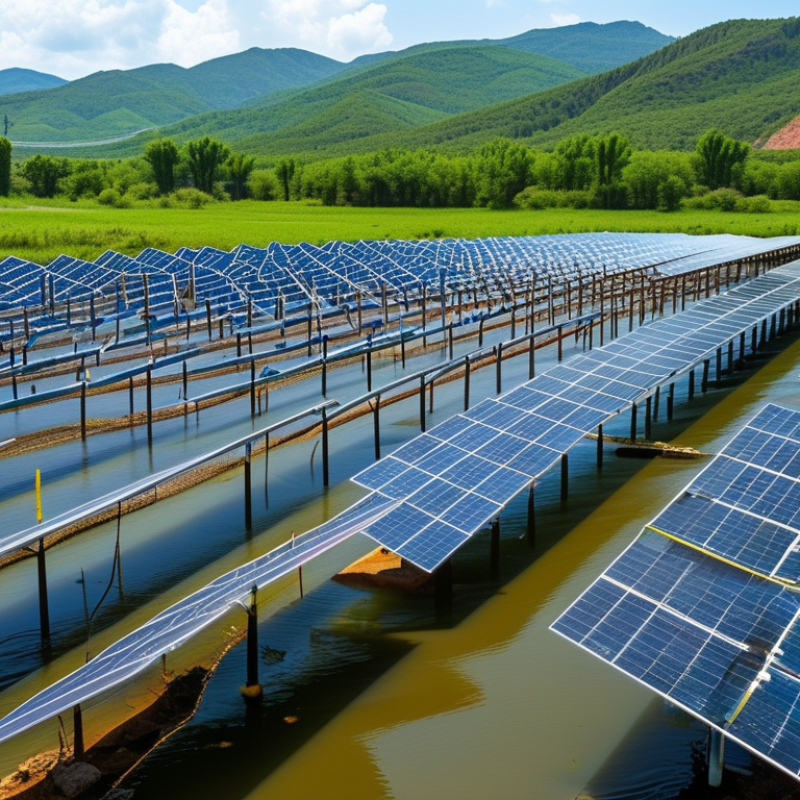
Understanding the DC input voltage in solar pumps is crucial for optimal performance and longevity. Solar pumps typically operate on a DC voltage that can range from 12V to 48V, depending on the specific application and system design. According to a report by the International Energy Agency, implementing proper voltage levels can increase pump efficiency by up to 30%.
Correct voltage is vital for preventing damage to pump components. Insufficient voltage can lead to inefficient operation, while excessive voltage may result in overheating. The National Renewable Energy Laboratory has indicated that almost 25% of solar pump failures stem from incorrect DC voltage levels. Regular checks on connectors, wiring, and battery conditions can help mitigate these issues.
Voltage fluctuations are common in solar setups, particularly in areas with varying sunlight. Seasonal changes can impact solar panel output, causing fluctuations that may fall outside the ideal range. Professionals recommend using voltage regulators to stabilize output. Skipping this step can lead to costly repairs and decreased water delivery efficiency. Monitoring tools can provide real-time data about voltage levels and help catch potential issues early.
| Tip Number | Description | Common Issues | Recommended Actions |
|---|---|---|---|
| 1 | Check the Solar Panel Output | Low or no voltage | Verify sunlight exposure and panel connections |
| 2 | Inspect Wiring Connections | Loose or damaged wires | Ensure all connections are tight and intact |
| 3 | Test the DC Voltage | Voltage readings below specifications | Use a multimeter to check voltage |
| 4 | Evaluate Battery Condition | Battery not holding charge | Test batteries and replace if necessary |
| 5 | Check for Inverter Issues | Inverter failure | Inspect inverter settings and functionality |
| 6 | Observe Pump Operation | Pump not running | Ensure power is reaching the pump |
| 7 | Monitor Temperature | Overheating components | Check for ventilation and cooling systems |
| 8 | Inspect Fuses and Breakers | Blown fuses or tripped breakers | Replace fuses and reset breakers |
| 9 | Review System Load | Overloading the system | Ensure that load does not exceed capacity |
| 10 | Consult Professional Help | Persistent issues | Contact a solar technician for assistance |
: Common causes include inadequate solar panel output, wiring issues, and battery problems. Debris or shading can reduce panel efficiency.
Improper panel angles can significantly reduce energy output. It’s crucial to orient them correctly for maximum sunlight exposure.
Inspect the solar panels for dirt or shading. Also, check wiring connections for looseness or corrosion that could cause voltage drops.
Regular maintenance ensures efficient performance and prevents common voltage issues. Clean panels and inspect wiring during routine checks.
Regularly test batteries for charge retention. Weak batteries can impact overall performance, so monitor their condition closely.
An inverter converts DC to AC power. A malfunctioning inverter can output incorrect voltage, affecting pump operation negatively.
High temperatures and sudden changes can affect panel performance. Extreme weather can cause damage, so regular checks are vital.
A voltage regulator stabilizes voltage levels, reducing the risk of spikes that could damage solar pump equipment.
Be cautious not to overload circuits with too many devices. Analyze usage patterns for smarter energy management in your setup.
Keeping a log of voltage issues helps identify patterns and allows for timely action to resolve recurring problems.
This article provides essential insights on how to troubleshoot DC input voltage problems in solar pump inverters. It begins by elucidating the importance of understanding DC input voltage and identifying common causes for voltage issues, such as wiring errors and component failures. The step-by-step guide offers practical methods for diagnosing these voltage problems, ensuring users can methodically evaluate their systems.
Furthermore, the article emphasizes the tools necessary for effective troubleshooting, ranging from multimeters to voltage testers. Finally, it introduces preventive measures to help avoid future voltage errors, enhancing the reliability of solar pump systems. This comprehensive approach empowers users to maintain optimal performance and efficiency in their solar pumps.

 Yde Power