Installing an outdoor IP65 solar pump inverter can seem daunting. However, with the right approach, you can do it safely. Many people overlook crucial steps. Proper installation ensures efficiency and longevity of the equipment. Knowing how to install an outdoor IP65 solar pump inverter safely is essential for both beginners and experienced DIY enthusiasts.
Before starting, make sure to gather all necessary tools and materials. Familiarize yourself with the inverter's specifications and requirements. The environment plays a vital role too. Weather conditions can affect installation quality. Pay attention to cable management; improperly managed cables can lead to hazards.
Take time to review safety guidelines. Always prioritize your safety and the durability of the inverter. A well-planned installation not only protects you but also maximizes the system's performance. Reflect on past installations and learn from any mistakes. Be thorough and deliberate in every step.
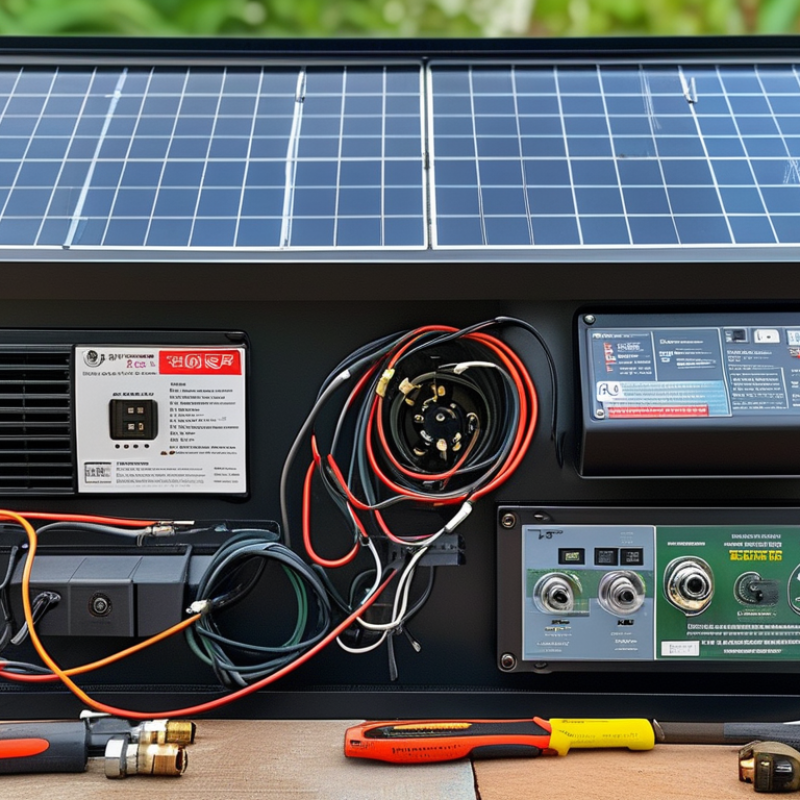
When considering the installation of an outdoor IP65 solar pump inverter, understanding its fundamentals is essential. An IP65 rating means that the device is protected against dust and water jets, making it suitable for various outdoor conditions. This robustness ensures durability, but it’s crucial to position the inverter correctly. Avoid areas with excessive moisture or direct exposure to heavy rain.
Installation involves several key steps. Ensure you have the right tools and safety gear. Proper grounding is vital to prevent electrical faults. The placement should be in a shaded area to avoid overheating, especially during peak sunlight hours. Some users rush through this process, which can lead to future complications. Regularly checking connections and seals can prevent water ingress and prolong the unit's life.
Even with an IP65 rating, environmental factors can impact performance. Over time, dust may accumulate in the vents. This can affect the inverter's cooling mechanism. Additionally, keep in mind that extreme temperatures may influence efficiency. Regular maintenance and attention to the surrounding environment help ensure optimal functioning. Investing time upfront will save trouble later on.
Choosing the right location for your outdoor IP65 solar pump inverter is crucial for both performance and durability. Ideally, it should be positioned in an area that receives maximum sunlight throughout the day. A clear space that avoids prolonged shadow from trees or buildings will enhance solar efficiency. However, ensure that your chosen spot is also accessible for maintenance.
Wind exposure is another factor to consider. High winds can damage exposed units, so a sheltered location is preferable. Installing your inverter near a wall or fence can provide additional protection. Make sure the inverter is mounted securely to prevent movement during storms or strong winds. Check that there is adequate airflow around the inverter to avoid overheating.
While these guidelines can help, it’s essential to reflect on your specific environment. Different climates may present challenges. If you live in an area with heavy rainfall, consider waterproof enclosure to safeguard against moisture. Test different locations before securing the installation site. This trial-and-error approach can lead to better placement, ensuring both reliability and longevity of your solar pump inverter.
Installing an outdoor IP65 solar pump inverter requires specific tools and materials to ensure a smooth and safe process. Start with basic tools such as a screwdriver, pliers, and a wrench. You’ll need a multimeter for electrical testing and a drill for making necessary holes. Safety gear like gloves and goggles is essential. These items protect you from potential hazards while working outdoors.
When gathering materials, select high-quality cables that can withstand outdoor conditions. Water-resistant connectors are crucial for maintaining a secure connection. Use a solid mounting bracket to prevent the inverter from becoming loose over time. Ensure you have proper sealants to protect against moisture. Each component you choose impacts the inverter’s performance and longevity.
During installation, keep in mind that environmental factors pose challenges. Wind and rain can interfere with your work. It’s crucial to periodically check your surroundings and ensure safety before proceeding. Consider asking for assistance if you feel uncertain at any step. Being aware of your limitations can lead to better results. A cautious approach allows for an enjoyable DIY experience while maintaining safety standards.
Installing an outdoor IP65 solar pump inverter requires careful planning and execution. Begin by choosing a suitable location. Look for an area that receives ample sunlight. Ensure the ground is stable and free from debris. Measure and mark the spot where you will install the inverter. This will help you avoid mistakes during the installation process.
Prepare all necessary tools before starting. You will need a level, screws, a drill, and waterproof cables. These tools are essential for securing the inverter properly. When connecting the inverter, double-check all connections. Poor connections can lead to malfunction. Seal any exposed wires to prevent moisture from causing damage.
As you work, remember that safety comes first. Always wear protective gear, like gloves and goggles. This ensures that you avoid any injuries. Take your time and don’t rush. A hasty installation might lead to significant issues later. If you find yourself confused, refer to the installation manual or seek professional advice. Ensuring your solar pump inverter is installed correctly will save you time, money, and hassle in the future.
When installing an outdoor IP65 solar pump inverter, safety is paramount. Before beginning, ensure you wear appropriate safety gear. Rubber gloves and non-slip footwear can prevent accidents. Clear the area of debris to create a secure working space. Weather conditions play a vital role; avoid installation during heavy rain or strong winds.
Always check the power requirements and connections before operation. Verify that all components are compatible to avoid overheating. If you encounter issues during installation, don’t hesitate to consult with an expert. Improper handling can lead to damage or malfunction.
Testing connections and ensuring proper grounding is crucial. Double-check every connection to minimize risks. While working, maintain awareness of your surroundings. It’s easy to become distracted. Reflect on the process often, assessing whether you can improve your techniques for future installations.
: IP65 means the inverter is dust-tight and protected against water jets, suitable for outdoor use.
Place it in a shaded area, away from excessive moisture and heavy rain. Accessibility for maintenance is key.
Essential tools include a level, screws, a drill, and waterproof cables. Prepare these before starting.
Proper grounding prevents electrical faults, enhancing the inverter's safety and reliability during use.
Dust may block vents, hindering cooling. Extreme temperatures can also reduce efficiency over time.
Regular checks on connections and seals can prevent water ingress and prolong the inverter's lifespan.
Yes, high winds can damage the inverter. Choose a sheltered location and secure it properly.
Take your time; don’t rush. Refer to the manual or seek professional help if confused.
Choose a clear spot with maximum sunlight and avoid shadows from trees or buildings for best performance.
Testing different locations can lead to a better placement that ensures reliability and longevity of your inverter.
Installing an outdoor IP65 solar pump inverter safely involves several key steps and considerations. First, it's important to understand the basics of IP65 solar pump inverters, which are designed to withstand outdoor elements. Selecting the right installation location is crucial to ensure optimal performance and protection from environmental factors. It's equally essential to have the necessary tools and materials on hand before beginning the installation process.
The step-by-step installation process entails careful positioning and secure mounting of the inverter, followed by appropriate wiring and connections to ensure functionality. Adhering to safety precautions during both installation and operation is vital to prevent accidents and ensure longevity of the inverter. By following these guidelines on how to install an outdoor IP65 solar pump inverter safely, users can maximize their system's efficiency and safety.

Yde Power