When considering the integration of renewable energy into irrigation systems, a common question arises: "can I run a standard submersible pump with a solar pump inverter?" According to Dr. Emily Sloan, an expert in renewable energy solutions, “Solar technology can efficiently power various applications, including submersible pumps.” This statement underscores the potential of solar energy in today's water management systems.
Many farmers and homeowners face challenges in utilizing traditional energy sources. The transition to solar is not only environmentally friendly but also cost-effective in the long run. However, there are important factors to consider. For instance, compatibility between the submersible pump and the solar pump inverter is crucial. A mismatch can lead to inefficiency or equipment damage.
Ensuring the right specifications is vital. Potential users should evaluate their power needs, pump depth, and sunlight availability. It is essential to conduct thorough research and seek expert advice. This process might seem daunting, but the benefits can outweigh the initial complexities. Embracing solar energy can lead to sustainable solutions, especially in areas with limited electricity access.
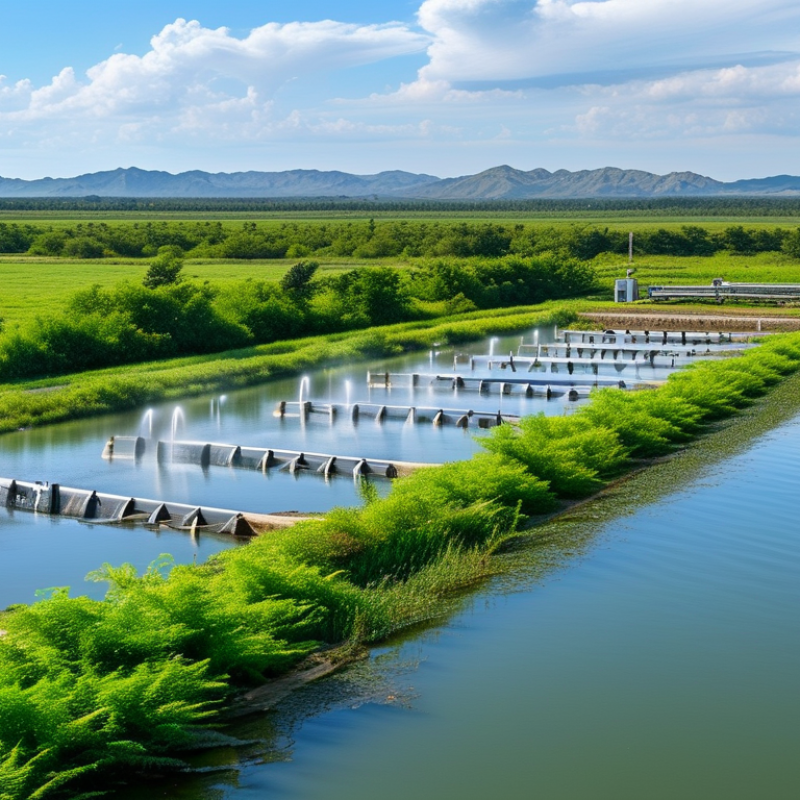
Solar pump inverters significantly enhance the performance of submersible pumps, providing an efficient and sustainable energy solution. These inverters convert solar energy into usable electricity, allowing pumps to function without relying on the power grid. According to a report from the International Renewable Energy Agency (IRENA), solar-powered systems can reduce operational costs by up to 70% compared to traditional electricity sources.
Moreover, robust monitoring features included in many solar pump inverters enable real-time data analysis. This helps in optimizing the pump's performance based on solar availability. Some studies indicate that integrating solar technology with submersible pumps can increase irrigation efficiency by 30%, especially in remote areas lacking electrical infrastructure. However, the initial investment can be a barrier, and some users report inconsistent performance during cloudy days.
The adaptability of solar pump inverters also presents challenges. Environmental conditions, like dust and temperature fluctuations, can affect efficiency. Regular maintenance becomes crucial to ensure that dust does not obstruct solar panels. Reflecting on these aspects, while solar inverters are a substantial advancement, potential users must carefully evaluate their specific circumstances and readiness for such technology.
A standard submersible pump system consists of several key components that ensure its efficient operation. The pump itself is designed to be submerged in water. It drives water to the surface, relying on an electric motor. This motor requires a stable power supply. Without this, the pump cannot function properly. It is essential to ensure the motor is compatible with the inverter.
The solar pump inverter plays a crucial role. It converts solar energy into usable power for the pump. This inverter must be selected based on the pump’s voltage and power requirements. Additionally, wiring and connections need to be secure. Poor connections might lead to performance issues or equipment failure. Regular checks are necessary to maintain reliability.
While these components work together to create an effective system, challenges may arise. Water quality can affect pump performance. Sand and debris may cause wear and tear. It's important to consider using protective filters. These will prolong the life of the pump. Monitoring the system continuously helps to identify early signs of trouble. Small issues can escalate if overlooked, leading to costly repairs.
Installing a solar pump inverter for submersible pumps involves several crucial steps. Start by ensuring that the inverter’s input voltage matches your solar panel’s output. A mismatch can lead to inefficient performance. Studies show that properly matched systems can increase efficiency by up to 30%.
Next, consider the positioning of your solar panels. Aim for a location with optimal sunlight exposure. This affects both charging time and performance. Regularly cleaning the panels is advisable to prevent dirt from reducing output. You can utilize a simple cleaning schedule to ensure maximum efficiency.
A critical step involves wiring connections. Ensure that all connections are secure and weatherproof. Loose connections can cause intermittent operation or damage. Regular checks on these connections can help avoid costly repairs. Establish a maintenance routine for the entire system.
Tips: Monitor the performance regularly. Small issues often lead to larger problems. Adjust your solar panel angle seasonally to capture more sunlight. Lastly, keep abreast of advances in solar technology to ensure your system remains efficient.
Solar-powered pumps are becoming increasingly popular due to their energy efficiency and cost savings. A recent report by the International Renewable Energy Agency (IRENA) states that solar energy can reduce operational costs by up to 80% compared to traditional electricity sources. This significant saving boosts the economic viability of using solar pumps in agriculture and other sectors.
Running a standard submersible pump with a solar pump inverter can optimize energy utilization. A study from the U.S. Department of Energy reveals that integrated solar systems can run efficiently without the need for battery storage in many cases. This can lead to a dramatic reduction in initial capital investments, particularly for remote applications. However, proper sizing and installation are crucial. Oversizing the system can lead to inefficiencies and higher costs.
Yet, it is essential to note that solar pump systems might not be suitable for all situations. Geographic limitations and weather variations can impact performance. A solar pump in a sunny region may excel, but in cloudy areas, energy generation could fall short. A careful assessment of local conditions should always be part of the decision-making process. Understanding these nuances ensures that the potential benefits of solar-powered systems are fully realized.
Integrating a solar pump inverter with a standard submersible pump presents unique challenges. One significant issue is the compatibility between the inverter and the pump. Not all pumps are designed to work with solar inverters, which can lead to inefficiency. It's essential to assess power ratings and voltage specifications carefully. Mismatched components can cause overheating or failure.
Another challenge is the variability of solar power. Cloudy days or changes in sunlight can disrupt pump operation. To address this, adding battery storage can stabilize power supply. This means the pump can continue running during low sun conditions. Proper sizing of the solar array is also crucial. An inadequately sized setup may not meet the pump's energy demands consistently.
Lastly, regular maintenance cannot be overlooked. Dust accumulation on solar panels can reduce efficiency significantly. It requires periodic cleaning to maintain optimal performance. Users may find that neglecting to check connections and wiring can lead to unforeseen outages. Learning from these issues helps in building a more reliable system. Fostering a proactive approach is key to long-term success in solar pump applications.
| Challenge | Description | Solution | Effectiveness |
|---|---|---|---|
| Inverter Compatibility | Not all submersible pumps are compatible with solar inverters. | Check specifications and opt for a compatible inverter. | High |
| Input Voltage Issues | Voltage fluctuations can affect performance. | Utilize voltage stabilizers to ensure consistent input. | Medium |
| Solar Panel Efficiency | Variable efficiency based on sunlight exposure. | Position panels for optimal sunlight and consider additional panels. | High |
| Overheating | Inverters can overheat leading to shutdowns. | Ensure proper ventilation and consider thermal management systems. | Medium |
| Weather Dependency | Pumps may not operate efficiently during cloudy weather. | Employ battery storage solutions for backup power. | High |
: Verify that the inverter’s input voltage matches your solar panel’s output to avoid inefficiency.
Choose a spot with optimal sunlight exposure for better charging and performance.
Regular cleaning is important. Create a simple cleaning schedule for maintenance.
Loose connections can cause intermittent operation. Regular checks can prevent costly repairs.
Adding battery storage can stabilize the power supply during cloudy days.
Adjusting the solar panel angle seasonally can capture more sunlight and improve efficiency.
Incompatibility can lead to inefficiency or failure. Always check power ratings and specs.
Ensure regular checks on connections and panels to avoid unforeseen outages.
Dust accumulation can significantly reduce panel efficiency, requiring periodic cleaning.
Being proactive helps build a more reliable system and ensures long-term success.
Running a standard submersible pump with a solar pump inverter has become an increasingly viable option for enhancing water pumping efficiency and reducing energy costs. Solar pump inverters boost the performance of submersible pumps by utilizing renewable energy, which not only meets the operational demands but also promotes sustainability. Understanding the components of a submersible pump system is crucial for evaluating how these inverters function and contribute to system effectiveness.
To successfully integrate a solar pump inverter, following key installation steps is essential, alongside evaluating the energy efficiency and potential cost savings associated with solar-powered systems. However, common challenges may arise, such as compatibility and system sizing, but they can often be resolved with proper planning and solution strategies. Thus, if you've ever wondered, "can I run a standard submersible pump with a solar pump inverter?" the answer is affirmatively yes, making it a practical option for efficient water management.

Yde Power