In summer, off-grid hybrid inverters face a significant challenge: overheating. Understanding what causes an off-grid hybrid inverter to overheat in summer is crucial for effective management. High ambient temperatures can lead to reduced efficiency in these systems. Excessive heat can overwhelm the internal components, affecting performance and lifespan.
Moreover, inadequate ventilation directly impacts inverter operation. Dust accumulation and blocked airflow can trap heat. Regular cleaning and maintenance are essential to prevent such issues. Placement also plays a critical role; positioning in direct sunlight accelerates overheating.
Many users overlook these factors, leading to potential failures. They must proactively identify risks. By implementing cooling strategies and regular checks, users can enhance inverter longevity. Thus, awareness and action are vital during peak summer temperatures.
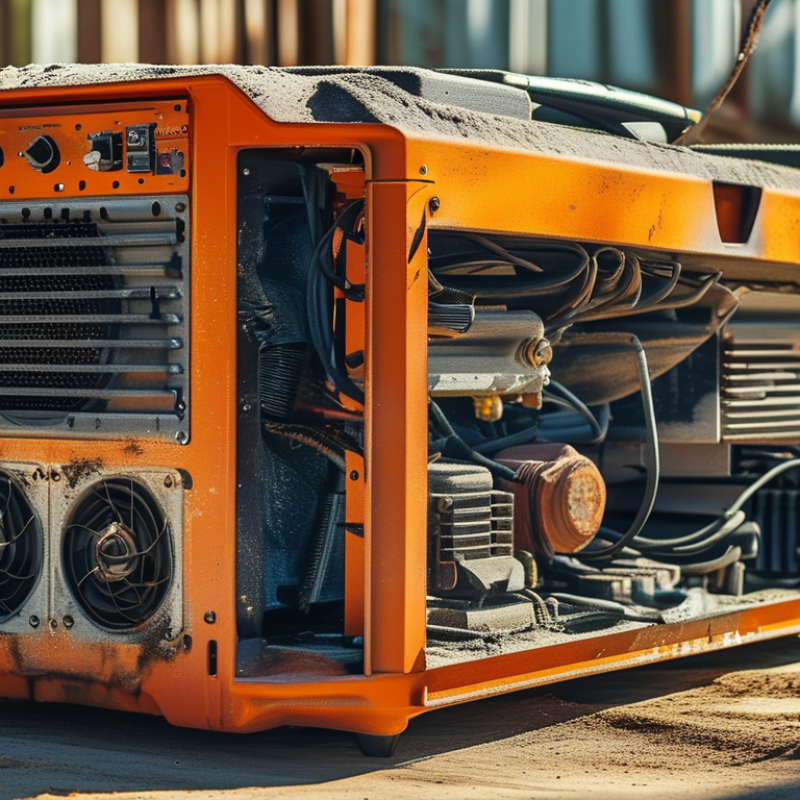
Off grid hybrid inverters are essential for renewable energy systems. They combine solar energy with battery storage. In summer, these inverters can overheat. Thus, understanding their cooling needs becomes crucial. Proper cooling ensures efficiency and longevity. When temperatures rise, the risk of malfunction increases significantly.
To keep your inverter cool, consider ventilation. Ensure there's ample airflow around the unit. This setup can lower internal temperatures. Installing fans or vents can also aid in cooling. Shade is another effective method. Position the inverter in shaded areas to shield it from direct sunlight. Added insulation can further reduce heat absorption.
Regular maintenance is vital. Check for dust buildup, which hinders cooling. Clean the inverter regularly to ensure optimal performance. Monitoring internal temperatures can also prevent overheating issues. Aim for temperature checks at peak times. These strategies can help maintain the inverter’s efficiency during hot months.
Summer brings rising temperatures, often leading to overheating in off-grid hybrid inverters. This occurs due to inadequate ventilation, which can block airflow. Dust accumulation on heat sinks can amplify this issue, creating a barrier that prevents heat dissipation.
Users must regularly inspect and clean these areas, ensuring unobstructed airflow.
Another common cause is excessive direct sunlight. Inverters installed in poorly shaded areas might absorb more heat than designed. Positioning and installation play a vital role in preventing overheating. Users should consider placing inverters in shaded or cooler locations where they can operate efficiently.
Additionally, hot ambient temperatures can elevate the internal temperature of the inverter, pushing it closer to its thermal limits.
Overloading the inverter is yet another risk factor. When appliances demand more power, it increases stress on the inverter, generating excessive heat. Users need to ensure that their load does not exceed the inverter's capacity.
Understanding these causes of overheating can lead to better management and increased longevity of the inverter system. Regular maintenance and strategic placement can help mitigate the risk of overheating significantly.
In the summer heat, off-grid hybrid inverters face challenges that require effective cooling solutions. High ambient temperatures can significantly reduce inverter efficiency. According to a report from the International Renewable Energy Agency, inverter efficiency can drop by nearly 10% for every 10°C increase in temperature. This highlights the necessity of optimized cooling techniques to prevent overheating.
One effective method is using heat sinks combined with active cooling systems. Heat sinks can dissipate excess heat while fans enhance airflow around the inverter. The National Renewable Energy Laboratory suggests that incorporating such systems can improve inverter performance by up to 15%. Additionally, placing inverters in shaded areas or using reflective coatings can reduce heat absorption.
Some users may neglect regular maintenance, causing inadequate airflow. Dust accumulation can obstruct cooling vents. A simple cleaning routine can enhance cooling efficiency. It is essential to periodically assess temperature and performance. Monitoring tools can help identify overheating risks before they become serious. Awareness and proactive strategies can significantly extend the lifespan of off-grid hybrid inverters.
| Cooling Technique | Description | Effectiveness (%) | Cost ($) | Maintenance Required |
|---|---|---|---|---|
| Active Cooling System | Utilizes fans or pumps to circulate air or coolant. | 85 | 150 | Moderate |
| Heat Sinks | Designed to absorb and dissipate heat from the inverter. | 70 | 50 | Low |
| Natural Ventilation | Uses airflow from the environment to cool the inverter. | 60 | 0 | None |
| Thermal Insulation | Insulating materials to limit heat absorption. | 50 | 75 | Low |
| Shade Structures | Physical structures designed to block sunlight from the inverter. | 80 | 200 | None |
During summer, hybrid inverters can face overheating issues. Regular maintenance practices are essential to ensure optimal performance.
One effective way to prevent overheating is to keep the inverter area clean. Dust and debris can accumulate, obstructing airflow. Cleaning the inverter regularly can improve its efficiency. Ensure that any vents are free from obstructions. This simple step can significantly reduce the risk of overheating.
Another tip is to monitor the inverter's temperature. Install a temperature gauge if it’s not already equipped. This will help you keep track of performance. If you notice the temperature exceeding normal levels, it may indicate a problem. Address any concerns immediately to avoid damage.
Consider the inverter’s location as well. It should be placed in a shaded area. Avoid direct sunlight exposure to reduce the heat buildup. If relocating is not possible, consider installing fans to facilitate cooling. Reflecting on these adjustments can greatly enhance the inverter's longevity, preventing potential overheating issues.
Effective load monitoring is crucial for the performance of off-grid hybrid inverters, especially in summer. During peak hours, these inverters are more susceptible to overheating. An overloaded inverter can lead to inefficiency, reduced lifespan, or even failure. A recent study by the International Energy Agency noted that proper load management could enhance inverter efficiency by up to 30%, crucial data for energy users.
To optimize performance, adjust your energy consumption habits. Consider scheduling high-energy tasks, like washing clothes or running air conditioning, during cooler parts of the day. This practice can significantly reduce the stress on the inverter. The U.S. Department of Energy emphasizes that even minor adjustments can dramatically impact overall energy usage and inverter operation.
Regularly monitoring inverter temperatures is also essential. Install temperature sensors to get real-time data. If overheating issues arise, it might be necessary to redistribute loads or increase ventilation. According to a report by Solar Power World, ensuring adequate airflow can decrease temperature by 15 degrees, enhancing inverter reliability. It’s important to remember that while technology helps, understanding and adjusting your usage patterns is equally key to preventing overheating.
: High temperatures can reduce inverter efficiency by nearly 10% for every 10°C increase.
Using heat sinks with active cooling systems improves airflow and dissipates heat effectively.
Incorporating cooling systems may enhance performance by up to 15%.
Regularly clean vents to avoid dust buildup, which can obstruct airflow.
Install temperature sensors to receive real-time data on inverter performance.
Schedule high-energy tasks during cooler parts of the day to reduce inverter stress.
Adequate airflow and cooling can extend the inverter’s lifespan by preventing overheating.
An overloaded inverter can lead to inefficiency, reduced lifespan, or even failure.
Yes, minor changes in energy consumption habits can significantly impact overall inverter operation.
Understanding and adjusting usage patterns is also essential for effective cooling.
Preventing overheating of off-grid hybrid inverters during summer is crucial for ensuring their efficient operation. Understanding what causes an off grid hybrid inverter to overheat in summer involves recognizing factors such as high ambient temperatures, inadequate airflow, and excessive load conditions. These inverters require specialized cooling needs to mitigate these issues.
Implementing effective cooling techniques, such as improving ventilation and using heat sinks, alongside regular maintenance practices like cleaning filters and checking airflow, can significantly reduce overheating risks. Additionally, monitoring the inverter's load and making necessary adjustments to optimize performance can help maintain safe operating temperatures. By prioritizing these strategies, users can enhance the longevity and efficiency of their off-grid hybrid inverters during the hot summer months.

Yde Power