The increasing adoption of solar energy systems has led many to question: what is the difference between off grid and hybrid solar inverters? According to the Solar Energy Industries Association, solar installations in the U.S. reached over 19.5 gigawatts in 2021, showcasing the growing interest in renewable energy sources. As experts like Dr. Anna Smith of the Renewable Energy Institute state, “Understanding the nuances of solar inverter types is crucial for optimizing energy usage.” This highlights the importance of distinguishing between off grid and hybrid systems.
Off grid inverters operate independently from the utility grid. They rely solely on stored energy from batteries. In contrast, hybrid solar inverters can connect to both batteries and the grid. This allows for more flexible energy management. As the need for reliable energy sources increases, understanding these systems becomes vital, especially for homeowners and businesses aiming for sustainability.
Many users may find themselves overwhelmed by the technicalities. Yet, gaining clarity on these distinctions can empower better decision-making. The landscape of solar technology evolves quickly. It's essential to stay informed about these differences to maximize efficiency and savings. As solar technology progresses, the choice between off grid and hybrid systems will significantly impact energy independence and cost-effectiveness.
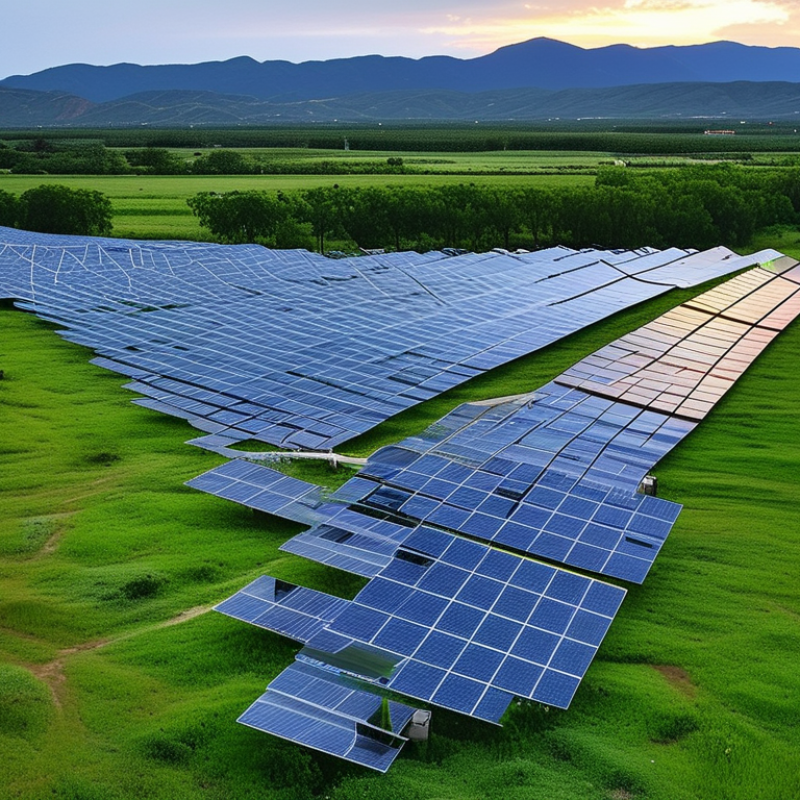
An off-grid solar inverter plays a crucial role in independent energy systems. It converts direct current (DC) from solar panels into usable alternating current (AC) for household appliances. This inverter functions without relying on the traditional power grid, offering autonomy, especially in remote areas. According to a report by the International Energy Agency, off-grid solar could provide electricity to 300 million people worldwide by 2030.
The functionality of an off-grid inverter is sophisticated. It not only manages the power flow but also integrates battery storage. This allows users to store excess energy produced during sunny days. However, one must consider the limitations. Battery storage often requires a significant initial investment and maintenance. Some users find themselves underestimating power consumption, leading to insufficient energy supply at night.
Despite its advantages, an off-grid system can be challenging. Users must monitor their energy usage constantly. Inadequate planning can result in frequent power shortages. Many off-grid systems rely on supplementary generators, which can impose additional costs. It's essential for potential users to evaluate their energy needs, ensuring a balance between energy production and consumption.
| Feature | Off Grid Solar Inverter | Hybrid Solar Inverter |
|---|---|---|
| Power Source | Solar panels and battery storage | Solar panels, battery storage, and grid connection |
| Grid Dependency | Completely independent | Can operate with or without grid |
| Battery Integration | Essential for functionality | Enhances functionality but not always required |
| Use Cases | Remote locations without grid access | Versatile settings including grid-tied environments |
| Cost | Generally lower | Tends to be higher due to added functionalities |
| Complexity | Simple design | More complex with additional features |
: An off-grid solar inverter converts DC from solar panels into AC for household appliances without needing the power grid.
It manages power flow and integrates battery storage for users to store excess energy from sunny days.
Battery storage requires a significant investment and ongoing maintenance, which some users might not anticipate.
Constant monitoring helps prevent power shortages. Poor planning can make energy levels insufficient, especially at night.
Hybrid inverters combine grid connection and battery storage, allowing for greater flexibility in energy management.
Installation issues may arise with battery compatibility and system integration. Proper configuration is crucial for functionality.
Energy management optimizes consumption by switching between solar power and grid energy, leading to possible savings.
Many models offer smart monitoring via mobile apps, but users sometimes experience connectivity issues that hinder performance tracking.
Paying attention to installation details and energy needs can help improve system efficiency and reduce potential problems.
In exploring what is the difference between off grid and hybrid solar inverters, it is essential to first understand the functionality of each type. Off grid solar inverters are designed for standalone systems, allowing users to achieve energy independence by storing excess energy in batteries for use when solar generation is low. In contrast, hybrid solar inverters combine the features of grid-tied systems and off grid setups, enabling users to draw from the grid alongside battery storage, thus offering more flexibility and reliability.
A comparative analysis highlights the balance between energy independence and flexibility, with off grid systems providing complete self-sufficiency and hybrid systems allowing for seamless integration with the utility grid. Efficiency and cost considerations play a significant role in decision-making, as off grid systems may incur higher initial costs due to battery requirements, while hybrid systems may offer better long-term savings. Understanding real-world applications and use cases further illustrates the practicality of each inverter type, catering to varying energy needs and preferences.

 Yde Power