In the realm of sustainable energy solutions, connecting a diesel generator to an off grid hybrid inverter can seem daunting. Experts like John Smith, a seasoned energy engineer, emphasize, "Proper connection ensures reliability and efficiency." His extensive experience underscores the importance of integrating these systems for optimal performance.
Understanding how to connect a diesel generator to an off grid hybrid inverter begins with recognizing the unique requirements of each system. You must consider the generator's output and the inverter's input specifications. This knowledge can prevent costly mistakes. Yet, many face challenges during installation. Common issues may arise from mismatched voltage or frequency levels.
When attempting to link these two crucial components, attention to detail is vital. Wiring mistakes can lead to equipment damage. Moreover, it's essential to incorporate protective measures, such as circuit breakers. By learning how to connect a diesel generator to an off grid hybrid inverter carefully, you can create a robust energy solution for any remote application. However, one must remain aware of the complexities involved to achieve a successful setup.
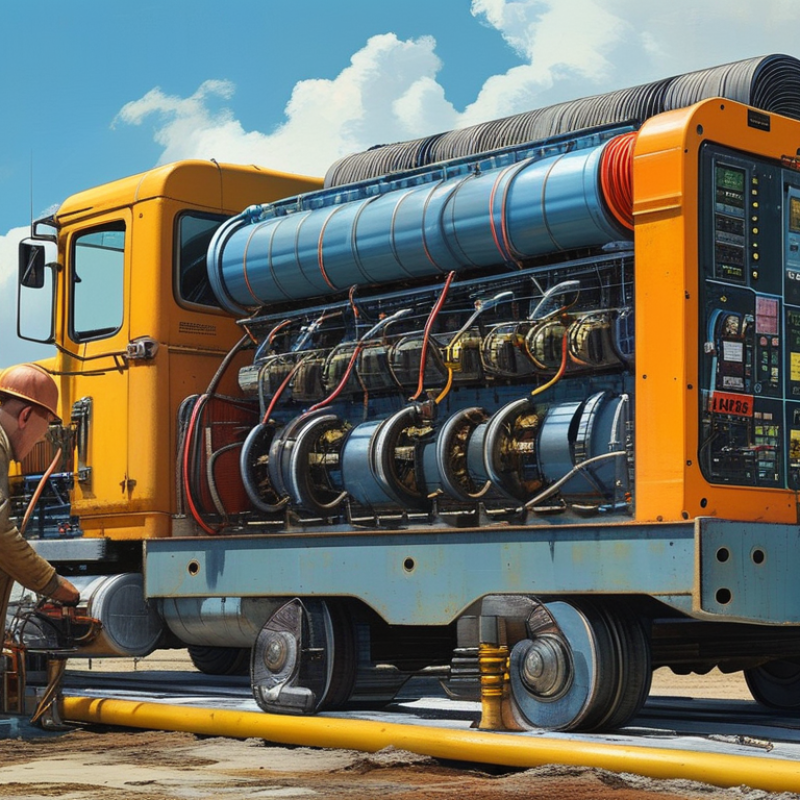
Understanding diesel generators and hybrid inverters is essential for off-grid energy solutions. Diesel generators convert diesel fuel into electricity. They are reliable and robust, making them a go-to choice in many situations. Hybrid inverters combine solar and generator power, optimizing efficiency and reducing fuel costs. This combination allows for seamless energy generation and storage.
**Tips:** Choose a generator with a compatible output to match your inverter’s needs. Look at fuel consumption rates. Regular maintenance is essential. Clean filters and check oil levels frequently to ensure long life and efficiency.
In off-grid settings, understanding load requirements is crucial. Measure the total wattage of devices you'll power. Losing track can lead to overload, damaging equipment. Installing proper transfer switches can enhance safety and reliability.
**Tips:** Always keep a log of your energy usage. This helps in planning and reduces surprises. Consider installing battery banks to support your system during peak demands. Regularly assess your system's performance. Minor adjustments can yield significant energy savings.
This chart illustrates the efficiency comparison between a diesel generator and a hybrid inverter. As shown, hybrid inverters tend to operate at a higher efficiency (95%) compared to diesel generators (85%), making them a more sustainable choice for off-grid power solutions.
Connecting a diesel generator to a hybrid inverter offers multiple benefits. These systems can enhance energy reliability. According to the International Energy Agency, over 1 billion people lack access to reliable electricity. Notably, hybrid systems can bridge this gap, combining renewable sources with diesel power. This mix ensures that energy remains constant, even when solar or wind generation dips.
Another significant advantage is the cost-effectiveness of hybrid setups. Reports indicate that hybrid systems can reduce energy costs by up to 30% in remote areas. Diesel generators can efficiently meet energy demands during peak times. This capability helps prevent outages and ensures that essential services remain operational. However, it’s important to acknowledge the environmental impact of diesel fuel. While hybrids can mitigate emissions, ongoing assessment is necessary to improve sustainability.
Moreover, hybrid systems offer flexibility and scalability. Users can integrate battery storage to optimize energy usage further. This adaptability is crucial for adapting to changing energy needs. However, the installation process may pose challenges. Proper sizing and system design are critical to ensuring efficient operation. Many users underestimate the complexities involved, which can lead to suboptimal performance. A thoughtful approach can lead to significant long-term savings and enhanced energy security.
Connecting a diesel generator to an off-grid hybrid inverter can enhance your power supply. It's a straightforward process, but it requires attention to detail. Start by ensuring your generator is properly grounded. This step is crucial for safety and efficiency. Use a multimeter to check for any electrical issues before proceeding.
Next, you will need to connect the generator output to the inverter input. It's advisable to refer to the inverter's manual for specific wiring instructions. Make sure to use the appropriate gauge wire for your setup. An incorrect gauge can lead to overheating or inefficiencies. Remember that the connections should be tight to avoid voltage drops.
Once you've connected the wires, double-check everything. Look for any loose connections or exposed wires. After verifying, turn on the generator while monitoring the inverter's performance. Sometimes, the inverter might not recognize the generator right away. Patience is key here. If there are issues, revisiting the connections or checking compatibility may be necessary.
When connecting a diesel generator to an off-grid hybrid inverter, safety precautions are crucial. A 2022 report indicated that nearly 25% of generator accidents result from improper connections. One key aspect is ensuring that the inverter and generator are compatible in terms of voltage and frequency. Mismatched specifications can lead to equipment damage or, worse, electrical fires.
Before making connections, always turn off the generator and inverter. Grounding the equipment properly minimizes the risk of electrical shocks. A failure to do so can cause serious injuries. Additionally, using high-quality cables is essential. Cheap or worn-out wiring can overheat, leading to potential hazards. The National Fire Protection Association recommends regularly inspecting connections and cables for signs of wear or damage.
Keep in mind that noise pollution is another concern. Diesel generators can produce significant noise levels, impacting the surrounding environment. The World Health Organization suggests limiting prolonged exposure to noise levels above 85 decibels to prevent hearing damage. Always wear appropriate personal protective equipment. Following these precautions not only ensures safety but also promotes a more efficient and reliable setup.
Connecting a diesel generator to an off-grid hybrid inverter can present several challenges. Users often encounter issues related to synchronization between the generator and inverter. This mismatch can lead to voltage fluctuations, potentially damaging your appliances. Monitoring your voltage output regularly is crucial. A multimeter can provide accurate readings, allowing for timely adjustments.
Another common problem arises from incorrect wiring. Poor connections can lead to hazardous situations. Ensure all connections are tight and properly insulated. Regular inspections of cables and terminals are advisable. Look out for signs of wear or fraying. If something seems off, take a moment to troubleshoot before proceeding.
Load management is also essential. Overloading your generator can cause it to shut down unexpectedly. Keep track of all devices connected to the system. Remember, it’s better to underutilize than to push your generator to its limits. Finally, sometimes small hiccups can lead to greater issues. Document each problem and solution for future reference. This can save time and frustration later on.
| Issue | Possible Cause | Solution | Notes |
|---|---|---|---|
| Generator Won't Start | Insufficient fuel | Check fuel levels and refill as necessary | Ensure fuel is fresh |
| Fluctuating Power Output | Overloaded generator | Reduce load or use a larger generator | Monitor load regularly |
| Inverter Not Charging | Faulty inverter settings | Check inverter settings and adjust | Refer to inverter manual |
| Overheating | Poor ventilation | Ensure adequate airflow around the generator | Clean vents and surrounding area |
| Noise Issues | Loose components | Tighten loose parts and check for wear | Use sound insulation if necessary |
: A diesel generator converts diesel fuel into electricity. It is reliable and robust for various applications.
Hybrid inverters combine solar and generator power. They optimize energy efficiency and lower fuel costs.
Connecting these systems improves energy reliability and reduces costs, especially in remote locations.
Diesel fuel has an environmental impact. It's essential to regularly assess and improve sustainability.
Check compatibility of voltage and frequency. Always turn off equipment before connection to avoid accidents.
Use high-quality cables and inspect for wear. Proper grounding reduces the risk of electrical shocks.
Diesel generators produce significant noise. Prolonged exposure above 85 decibels can lead to hearing loss.
Regular maintenance like checking filters and oil keeps equipment efficient and can extend its lifespan.
Measure the total wattage of your devices. Keeping a log helps plan and avoids unexpected overloads.
Proper sizing and system design are critical. Many underestimate the complexity, risking suboptimal performance.
In this article, we explore how to connect a diesel generator to an off grid hybrid inverter, providing a comprehensive overview of the essential components involved. First, we clarify the operational principles of diesel generators and hybrid inverters, highlighting the advantages of integrating these systems for efficient and reliable power supply.
Following this foundational knowledge, we present a step-by-step guide that simplifies the connection process between the generator and inverter. Important safety precautions are emphasized to ensure secure and effective installation. Additionally, we address common troubleshooting issues that may arise during the setup, equipping readers with the knowledge to tackle any challenges they might encounter. This guide aims to empower individuals seeking to enhance their off-grid energy solutions through a seamless integration of diesel generators and hybrid inverters.

Yde Power