When considering solar energy systems, the choice between single phase and three phase hybrid inverters is crucial. Industry expert Dr. David Li, a leading solar energy engineer, states, "Understanding your energy needs is the key to how to choose between single phase and three phase hybrid inverter." This decision impacts efficiency, costs, and overall performance.
Single phase inverters are often suitable for smaller homes. They may be easier to install and are more cost-effective for modest energy usage. In contrast, three phase inverters excel in managing higher power demands. They're ideal for larger residences or commercial applications. The complexity of this choice can be daunting.
Assessing your energy consumption, budget, and future needs is vital. Researching and understanding these factors will lead to a better decision. Mistakes here could lead to inefficiencies and increased costs over time. Evaluating expert opinions can offer valuable insights, yet personal circumstances and preferences should not be overlooked. Each option has its pros and cons that one must weigh carefully.
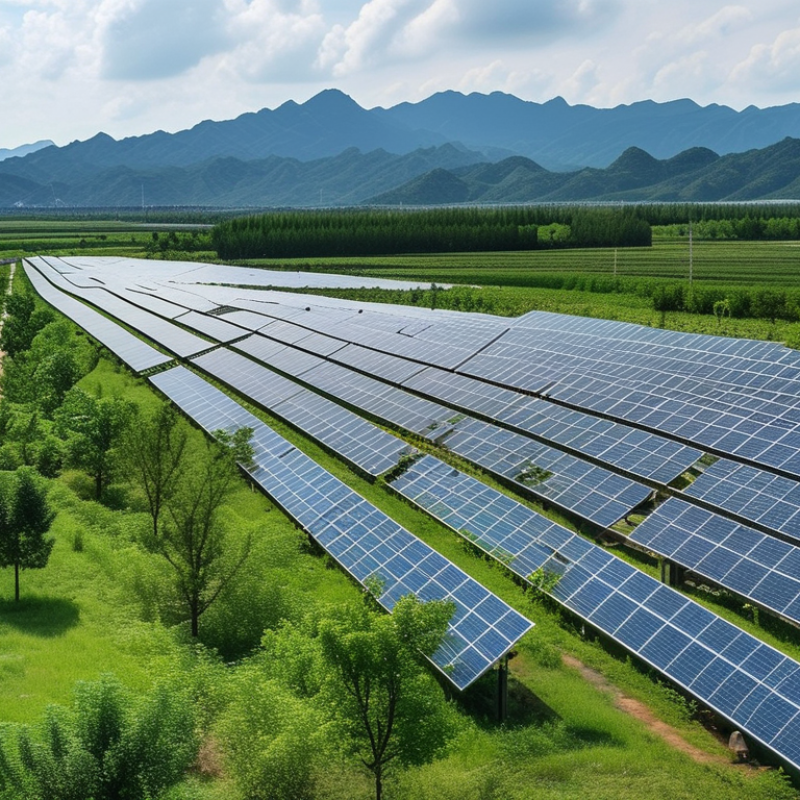
When selecting inverters, understanding single phase and three phase systems is key. Single phase inverters use one alternating current circuit. They are common in residential settings. Typically, they suit smaller loads, like home appliances. If your energy needs are limited, this option is adequate. They are also easier to install and maintain, making them user-friendly.
Three phase inverters have distinct advantages. They generate three alternating currents, allowing for higher power output. This makes them ideal for commercial or industrial applications. They provide better efficiency when handling larger loads. However, they require more complex wiring and installation. This often results in higher initial costs.
Choosing the right inverter is not always straightforward. Some users may overestimate their energy needs. Calculating total wattage and peak demand is crucial. It helps in making an informed decision. Reflecting on long-term energy goals is also essential. Underestimating future needs could necessitate costly upgrades later. Understanding these aspects ensures a well-informed choice.
When choosing between single-phase and three-phase hybrid inverters, several key factors come into play. The most crucial aspect is your power demand. Single-phase inverters are typically suitable for small residential setups. They provide enough power for basic household needs. If your energy consumption is higher, consider three-phase inverters. They can handle larger loads and are more efficient for multiple appliances.
Another factor is your installation location. Single-phase systems are often simpler to install and maintain. They are compact and ideal for limited spaces. However, three-phase inverters can offer better performance in industrial or commercial settings. They allow for better distribution of power.
Lastly, consider the flexibility of your system. Single-phase inverters may limit future upgrades. If you plan to expand your energy system, three-phase units can adapt better. This feature adds long-term value. Different projects require specific approaches. Reflect on your unique situation to make the best choice. The right inverter will support your energy needs effectively.
Evaluating your energy needs is crucial for selecting the right hybrid inverter. The energy demand in residential and commercial settings varies significantly. According to recent industry reports, a typical household consumes about 800 kWh per month. Understanding this demand helps to determine the appropriate inverter type.
Single-phase inverters are suitable for smaller energy needs. They are generally less expensive and easier to install. Conversely, three-phase inverters can handle higher loads efficiently. They can deliver up to 6,000 watts, making them ideal for larger homes or commercial applications. It’s wise to assess not only current energy use but also future expansions.
Consider your appliances and their power requirements. A refrigerator, for example, might use around 150 watts, while an air conditioner can draw 2,000 watts or more during operation. By evaluating these needs, you can avoid oversizing or undersizing your inverter, both of which can lead to inefficiencies. Many users underestimate their peak consumption, which can lead to selecting an inadequate inverter. Performing a detailed energy audit helps mitigate these risks and ensures you make an informed choice.
When selecting a hybrid inverter, understanding efficiency and performance is crucial. Efficiency defines how much of the solar energy is converted into usable power. A higher efficiency means more energy production, which is essential for cost savings. Look for inverters with peak efficiency ratings. These ratings indicate the maximum performance during ideal conditions. However, real-world performance may vary based on environmental factors.
Performance is influenced by several aspects. One key factor is the inverter's ability to manage varying loads effectively. It should respond quickly to changes, ensuring maximum energy extraction. Additionally, consider the temperature range in which the inverter operates best. Inverters can lose efficiency under extreme heat or cold. This is often overlooked during selection, leading to potential underperformance.
Another aspect to weigh is the inverter's durability and warranty. A solid warranty indicates manufacturer confidence in their product. However, not all warranties cover the same aspects. Understanding the specifics can prevent future surprises. Reliability is paramount. Users often experience frustrations when inverters fail unexpectedly. Regular maintenance can mitigate some risks, but the initial choice matters greatly. Making an informed decision will lead to a more sustainable energy solution.
When considering whether to choose a single-phase or three-phase hybrid inverter, cost is a critical factor. Single-phase inverters typically have lower initial purchase prices, making them appealing for residential setups. According to industry reports, single-phase units can cost 10-20% less than their three-phase counterparts. However, their efficiency may not match that of three-phase systems, especially in larger installations.
Three-phase hybrid inverters, while initially more expensive, can lead to savings over time through better efficiency. In commercial settings, these systems handle higher loads with ease. A recent study shows that three-phase inverters can improve energy efficiency by up to 25%. This can translate to significant cost savings on electricity bills, particularly for businesses that operate heavy machinery.
Maintenance costs can also vary. Single-phase systems may require more frequent attention in larger applications. Conversely, three-phase systems are often more robust, reducing the likelihood of costly failures. Many users have noted that initial savings don’t always result in long-term benefits. Evaluating your specific needs and potential growth is essential in making an informed choice.
: Single-phase inverters are suitable for small residential setups and basic household needs.
Choose three-phase inverters for higher energy consumption or larger loads.
Single-phase systems are simpler for small spaces. In contrast, three-phase inverters excel in commercial settings.
Yes, three-phase units offer better adaptability for future energy system upgrades.
Efficiency measures how well solar energy converts into usable power, impacting cost savings.
Real-world performance can differ, especially under extreme temperatures, leading to inefficiency.
A durable inverter means less frequent failures, ensuring reliable energy production.
Not all warranties cover the same aspects; understanding details prevents future surprises.
Regular maintenance helps mitigate risks, but initial selection is critical for reliability.
While peak efficiency ratings are helpful, real-world performance must also be considered.
When considering how to choose between single phase and three phase hybrid inverters, it is essential to understand the fundamental differences between the two types. Single phase inverters are typically suited for smaller applications and residential use, while three phase inverters are ideal for larger, commercial setups that require a more substantial power supply. Key factors to consider include your specific energy needs, the scale of your operations, and the type of appliances or systems you plan to run.
Evaluating efficiency and performance is also crucial in making the right selection. Hybrid inverters offer benefits such as improved efficiency and the ability to integrate with renewable energy sources, thus optimizing energy consumption. Additionally, a thorough cost analysis comparing single phase with three phase systems will help you determine the most economically viable option for your situation. By carefully assessing these factors, you can make an informed decision tailored to your energy requirements.

Yde Power