As the shift towards renewable energy accelerates, understanding the tools that aid this transition becomes essential. Among these, solar inverters and pump inverters play crucial roles, yet many are still puzzled by their differences. According to industry reports, the global solar inverter market is projected to reach $25 billion by 2026. Conversely, pump inverters, vital for agricultural and industrial applications, are witnessing a rising demand, particularly in regions facing water scarcity.
Dr. Emily Tran, a leading expert in renewable energy systems, highlights the distinction by stating, "What is the difference between a solar inverter and a pump inverter? Each serves unique functions critical to their application." While both devices convert and manage electrical energy, solar inverters are designed primarily for converting solar energy into usable power. Pump inverters, on the other hand, facilitate efficient water pumping and conveyance, which is vital in irrigation and water supply sectors.
As we delve into the specifics of each system, it is important to challenge the assumptions often made. Understanding their unique functions can empower users to make informed decisions. While both types of inverters share some technical similarities, they cater to different energy needs and applications. The nuances are significant, especially when evaluating energy efficiency and cost-effectiveness.
Understanding Solar Inverters: Function and Importance
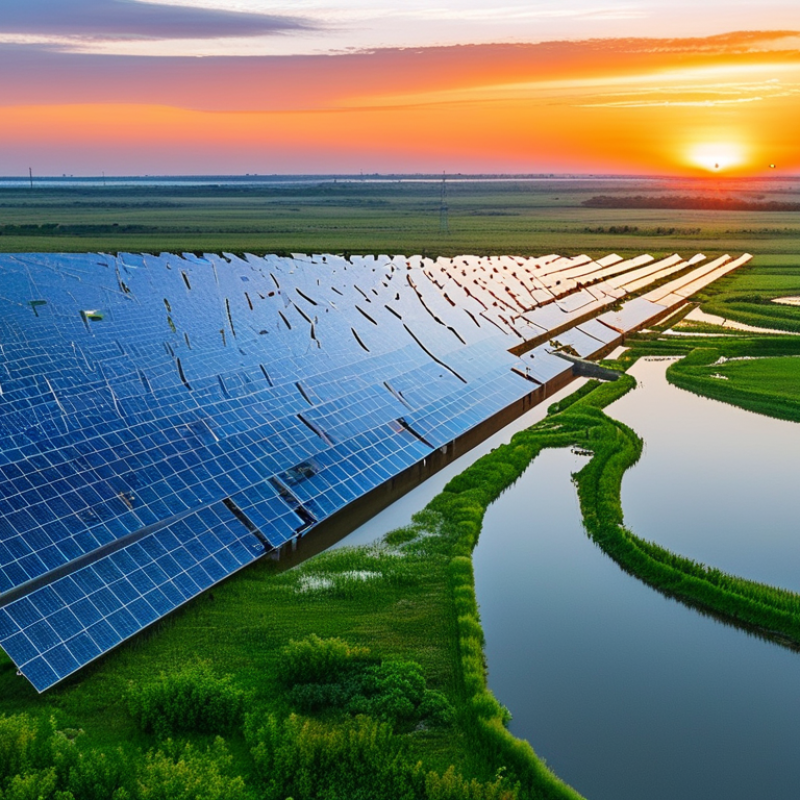
Solar inverters play a crucial role in converting the direct current (DC) produced by solar panels into alternating current (AC) used by home appliances. They ensure efficient energy conversion, making solar power usable in daily life. A quality solar inverter can significantly impact energy output and overall system performance. By optimizing energy production, it also affects utility costs.
Understanding how solar inverters function is important. The technology behind these devices is complex, yet their installation can feel challenging. Many users may overlook the importance of proper sizing and features. This can lead to inefficiencies in energy production or even system failures. Knowing the right inverter for your solar setup is vital.
Moreover, solar inverters protect the system from overloads and fluctuations in power supply. They monitor energy output and can provide data to users. Some might think this is unnecessary, but data insights can help in maximizing energy efficiency. Users should acknowledge that not every feature may be beneficial for their specific needs. Recognizing these differences can lead to more informed choices in solar technology.
Overview of Pump Inverters: Purpose and Applications
Pump inverters are specialized devices designed to control the speed and operation of electric motors in various applications. They are essential in fields such as agriculture, water supply, and HVAC systems. By optimizing motor performance, pump inverters greatly enhance energy efficiency, leading to significant cost savings. According to a report by the International Renewable Energy Agency (IRENA), using pump inverters can reduce energy consumption by up to 30% in specific applications.
In agricultural settings, these inverters play a crucial role in irrigation systems. They regulate the flow of water, ensuring that crops receive adequate hydration. Research indicates that effective management of pump operations can increase crop yield by up to 20%. In addition, smart pump inverters offer advanced features such as remote monitoring and fault detection, which improve reliability.
Choosing the right pump inverter requires careful consideration. Not all inverters are created equal. In application scenarios, the wrong choice can lead to inefficiencies or system failures. It's essential to assess your specific needs and consult with experts in the field. Regular maintenance and calibration of these systems can also prevent unexpected breakdowns, ensuring long-term reliability and performance in various environments.
Key Differences Between Solar Inverters and Pump Inverters
Solar inverters and pump inverters serve different functions, making them pivotal in energy management systems. A solar inverter converts the direct current (DC) generated from solar panels into usable alternating current (AC). This AC energy can power homes and businesses or feed into the grid. According to a recent industry report by the International Renewable Energy Agency (IRENA), the efficiency of solar inverters has seen improvements, with many products now exceeding 98%. On the other hand, pump inverters manage and control the speed of electric pumps, often used in agriculture and water management. These devices ensure optimal performance and energy savings.
One notable difference lies in their operational focuses. Solar inverters prioritize maximizing energy conversion from sunlight, while pump inverters are designed for load management, varying pump speeds based on demand. Data from the U.S. Department of Energy indicates that pump inverters can reduce energy consumption by up to 30% compared to traditional systems. However, both types can face challenges in terms of reliability and compatibility with existing systems. Issues such as variable energy output in solar applications and pump efficiency in fluctuating demand situations necessitate proper assessments and adjustments.
While these inverters serve unique purposes, the technology behind both continues to evolve. Understanding the specific roles and operational mechanics of each can lead to better decision-making. With constant advancements, ensuring the right choice for desired applications becomes ever more critical. Yet, the complexity of choosing the appropriate inverter for specific needs often requires further examination and expertise.
Efficiency and Performance Comparison of Inverter Types
When comparing solar inverters and pump inverters, efficiency and performance are crucial factors. Solar inverters convert DC electricity from solar panels into AC electricity for use in homes. In contrast, pump inverters regulate the speed of pumps, optimizing energy consumption based on required flow. Understanding these differences can help in selecting the right inverter for your needs.
Efficiency varies significantly between these two types. Solar inverters often feature advanced technologies like maximum power point tracking (MPPT). This maximizes energy harvest from solar panels, enhancing overall system performance. Pump inverters, on the other hand, focus primarily on delivering the right amount of power to pumps, which can lead to energy wastage if not properly configured.
Performance is also dependent on specific application requirements. A solar inverter may excel in generating power, but it might not be suitable for applications involving variable loads. Similarly, pump inverters, while efficient in their domain, may perform poorly under constant load conditions. It's essential to assess individual needs and conditions for optimal results. This assessment often means re-evaluating initial choices to maximize efficiency in the long run.
2026 Best Solar Inverter vs Pump Inverter Efficiency Comparison
This chart compares the efficiency of solar inverters and pump inverters for the year 2026. Solar inverters show a higher efficiency of 95% compared to pump inverters, which have an efficiency of 85%. This illustrates the better performance of solar inverters in converting energy.
Choosing the Right Inverter for Your Energy Needs
Choosing the right inverter is essential for your energy needs. Solar inverters and pump inverters serve different purposes. Understanding their differences can guide your decision.
Solar inverters convert sunlight into electricity for home use. They optimize energy production from solar panels. These inverters come with features like maximum power point tracking, which maximizes output. However, they may not support all appliances effectively. Some users find that energy management can be tricky, leading to inefficiencies.
On the other hand, pump inverters control the speed of electric pumps. They are designed for specific applications like irrigation or water supply. These inverters help reduce energy consumption, promoting efficiency in operations. Yet, they may lack the advanced functionalities of solar inverters. Users have reported occasional compatibility issues with older pump models. If efficiency is a key priority, investigating both options is crucial.
FAQS
: Solar inverters convert direct current from solar panels into alternating current for home appliances.
Installation can be complex. Users often overlook important factors like proper sizing.
A good solar inverter optimizes energy output, impacting both system performance and utility costs.
Yes, they monitor energy output and offer data. Insights can help maximize energy efficiency.
Users need to understand the differences between solar and pump inverters for their specific needs.
No, they may not be compatible with every appliance, leading to potential inefficiencies.
Pump inverters control the speed of electric pumps for applications like irrigation and water supply.
No, pump inverters typically lack the advanced functionalities found in solar inverters.
Some users report compatibility problems with older pump models during operation.
Not all features will benefit every user. It's important to evaluate specific needs when choosing.
Conclusion
In the discussion of renewable energy solutions, understanding what is the difference between a solar inverter and a pump inverter is crucial for selecting the appropriate system for specific energy needs. Solar inverters are designed to convert the direct current (DC) generated by solar panels into alternating current (AC) for use in homes and businesses, emphasizing efficiency in harnessing solar energy. On the other hand, pump inverters are used primarily in applications related to driving pumps, optimizing their performance while ensuring consistent energy supply based on variable load demands.
Additionally, comparing the efficiency and performance of these two inverter types reveals distinct functionalities tailored to their specific applications. When choosing the right inverter, it's essential to consider the intended use—whether for solar energy systems or pump operations—to ensure optimal performance and energy management. Understanding these differences helps consumers make informed decisions that align with their energy requirements and sustainability goals.

 Yde Power